






Plikenštejn Castle
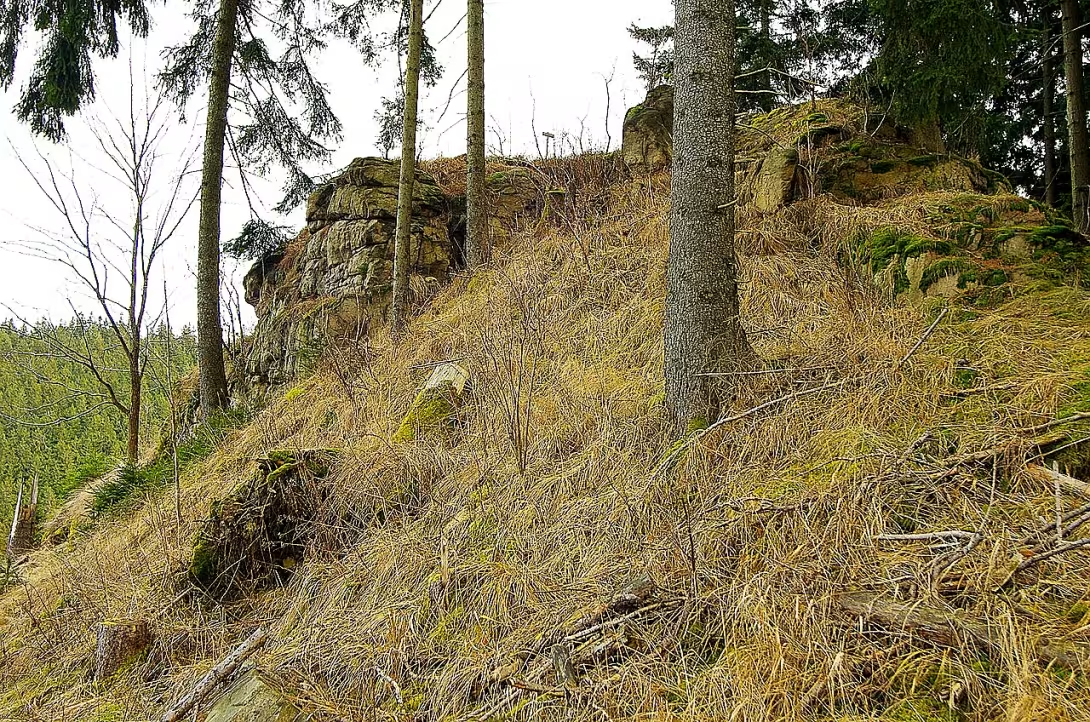
Plikenštejn, also known as Plickenstein or Plykenstein, is a medieval castle ruin located on a rock above the Lobezský potok valley near Krudum in the Karlovarský kraj region of the Czech Republic. Its exact founding date remains uncertain but likely occurred between 1250 and 1300 during Bohemia's colonization period. Archeological surveys conducted in 1993 confirmed its location, resolving long-standing uncertainties.
Historically classified as both a fortress and a castle, Plikenštejn is notable for its association with the influential Plik family and its role in regional history. Its origins are linked to Bohemia's territorial expansion during the 13th century. While the precise founding date remains unknown, it likely emerged between 1250 and 1300 as part of efforts to establish new settlements and fortifications.
Architecturally, Plikenštejn featured three defensive ditches on its western side, indicative of medieval military design aimed at fortification and defense. The core of the castle measured only ten meters in length, with archeological findings confirming stone construction within this area. These elements highlight the site's strategic importance during its operational period.
Ownership transitioned through several notable figures over time. Initially linked to the lords of Kynžvart around 1360, it later became a fief held by Albert Plik from the Leuchtenberks in 1389. By 1390, records describe it as a castle ruin near Vranov. Ownership subsequently passed to Heinrich von Plauen in 1538 and then to Count Jeroným Šlik in 1542, reflecting its continued significance within regional power dynamics.
Key events include the archeological confirmation of its location in 1993, which resolved longstanding uncertainties about its precise site. In 1389, it was recorded as a fief held by Albert Plik, marking an important point in its documented history. The installation of a stone plaque bearing the Plik family crest on the castle's rock in 2016 serves as a modern acknowledgment of their historical connection to the site.
Today, Plikenštejn stands as a testament to medieval fortification and regional history. While much of its original structure has succumbed to time, the remaining ruins offer visitors a glimpse into the past. The site is accessible for exploration, providing an opportunity to appreciate its historical significance and enjoy the natural beauty of the surrounding Slavkovský les (Slavkov Forest). Plikenštejn's enduring legacy invites history enthusiasts and curious travelers alike to discover its storied past amidst the scenic landscape of the Karlovarský kraj.
Then and now
Drag the slider to compare how the landmark may have looked when it was built with the view today.
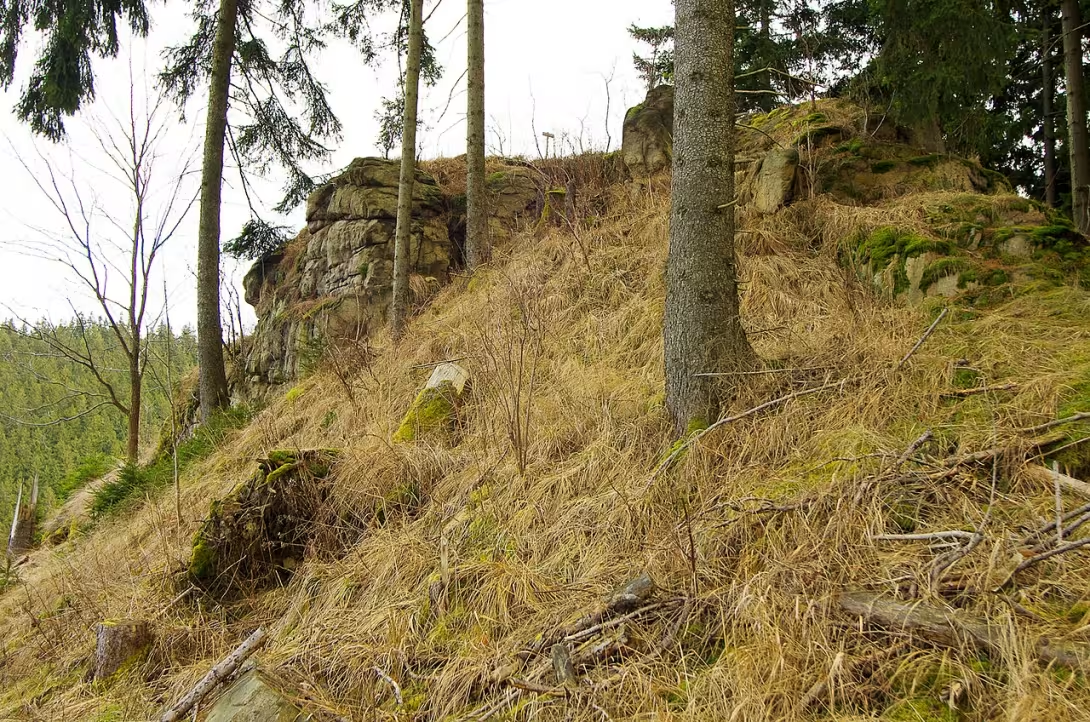
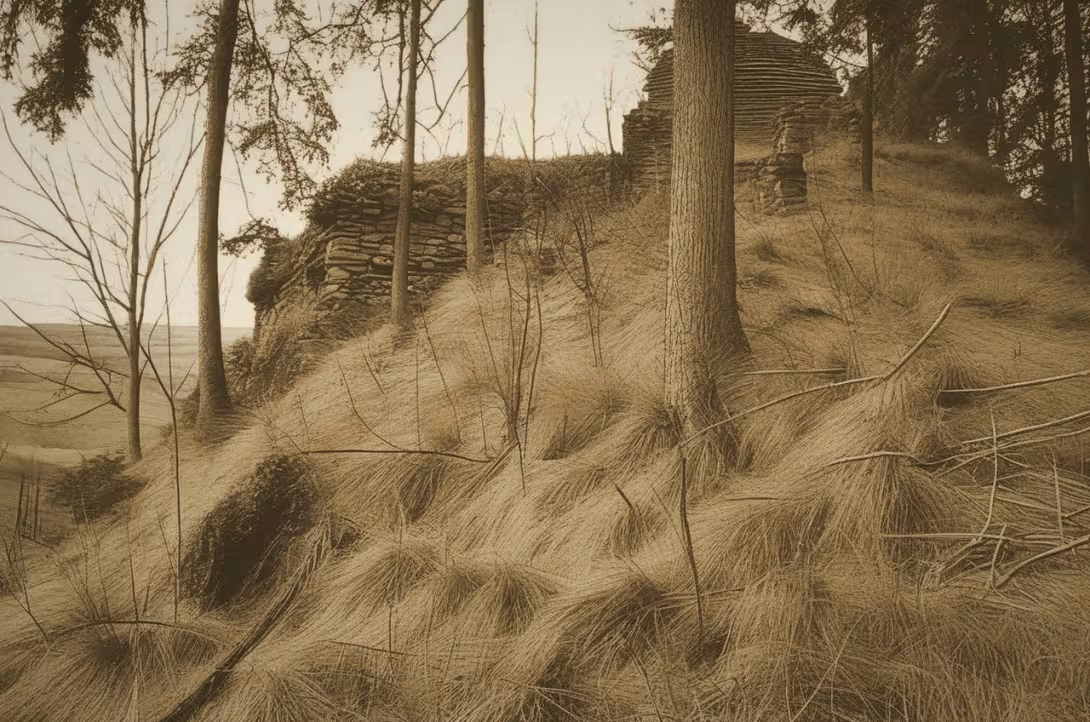
The historical appearance on the left is an AI-generated visualisation and serves as inspiration only.
Historical milestones
- 1993
- Archeological survey confirmed the location of Plikenštejn.
- 1389
- Plikenštejn was recorded as a fief held by Albert Plik.
Architectural development
Plikenštejn featured three defensive ditches on its western side and had a core measuring only ten meters long. The archeological findings indicate the presence of stone construction within this core.
Historical events
Archeological confirmation of the site's location in 1993.
In 1389, Plikenštejn was recorded as a fief held by Albert Plik.
Ownership transferred to Heinrich von Plauen in 1538.
Owners
The Plikenštejn was initially associated with the lords of Kynžvart around 1360. By 1389, it was held as a fief by Albert Plik from the Leuchtenberks. In 1390, it appeared in records as a castle ruin near Vranov. Ownership later passed to Heinrich von Plauen in 1538 and then to Count Jeroným Šlik in 1542.
Points of interest
- One lesser-known fact about Plikenštejn is its association with the influential Plik family, who played a significant role in regional history. This connection highlights how powerful families often influenced medieval territorial dynamics.
- Despite being classified as both a fortress and a castle, Plikenštejn's core structure was surprisingly small, measuring only ten meters in length. This compact size contrasts with its strategic importance during the 13th century.
- The installation of a stone plaque bearing the Plik family crest on the castle's rock in 2016 serves as a modern acknowledgment of their historical connection to the site. This act symbolizes efforts to preserve and honor local heritage through contemporary means.
- In 1389, Plikenštejn was recorded as a fief held by Albert Plik from the Leuchtenberks, marking an important point in its documented history. This transition reflects the complex feudal relationships of the time.
- The castle's three defensive ditches on its western side are indicative of medieval military design aimed at fortification and defense, showcasing the architectural strategies used to protect such sites during turbulent times.
Guide
This guide is narrated by a synthetic voice generated by artificial intelligence.
Show guide text
This text was created by artificial intelligence and has not been editorially reviewed. It may contain inaccuracies.
Plikenštejn is a vanished fortified settlement on a rocky outcrop above the valley of Lobezský stream, southwest of Kruduma. It is usually classified as a manor castle, but is sometimes referred to as a castle. Where exactly it stood was a mystery for a long time. Its location was only confirmed by archaeological research in nineteen ninety-three.
We don't know when it was founded. It was most likely sometime between twelve fifty and thirteen hundred. That's when the colonization of the territory between Kynžvart and Plikenštejn began, and Konrád Plik from Plikenštejna founded Nejdek. However, it's also possible that the castle already existed in the first half of the thirteenth century.
There are few direct written records about the castle. We therefore follow its history mainly through the Plik family, who took their name from it. Konrád Plik died in thirteen thirty-five and divided his property among his sons Petr and Albert. In thirteen forty, Petr received the castle of Nejdek in fief from Jan Lucemburský. A year later, he states that he holds all his father's property, including tin mines and the rights to ore extraction. The Plik family lost Nejdek in fourteen oh-six and it went to the king.
As for Plikenštejn itself, according to historian August Sedláček, around thirteen sixty it belonged to the lords from Kynžvart. However, Sedláček was unable, or didn't dare, to place it on a map. Miloslav Bělohlávek states that the castle in the years thirteen sixty and thirteen ninety was held in fief by the Plik family. He places it in Slavkovský forest, in the vicinity of Vranov to the east of Rovná.
According to the feudal register of the Leuchtenberks from thirteen eighty-nine, the castle, along with Rovná and half of Vranov, was held by the lords from Kynžvart. The other half of Vranov and the manor of Plikenštejn were given in fief to Albert Plik. That same year, the castle is marked as desolate. At that time, Albert Plik lived in a small family castle near Vranov. In fifteen forty-two, Count Jeroným Šlik acquired the former Leuchtenberg estates, and in an inventory of his property, Blickenstein near Fronaw appears. In the sixteenth century, the castle was probably named after by the Šnobl family from Plikenštejna.
We know very little about what the castle looked like. On its western side, it was protected by three moats. The castle core was only ten meters long, and archaeologists documented stone structures within it.
On June fourth, twenty sixteen, a stone plaque with the Plik family coat of arms was attached to the castle rock. It was created by Milan Litavský from Nejdek as a tribute to the family for founding the city.
Tips for visitors
The best time to visit Plikenštejn is during late spring or early autumn when the weather is mild, making it ideal for exploring the ruins without the discomfort of summer heat or winter cold. During these seasons, the surrounding Slavkovský les (Slavkov Forest) is lush and vibrant, offering a picturesque backdrop to your visit.
It's advisable to check current schedules online or at local tourist information centers for the most accurate travel plans.
When visiting Plikenštejn, it’s recommended to bring comfortable walking shoes as the terrain around the ruins can be uneven and rocky. Additionally, consider bringing a hat, sunscreen, and water, especially during warmer months. A camera is also advisable to capture the stunning views from various vantage points.
For photography enthusiasts, some of the best spots include the eastern side of the ruins where you can capture the dramatic interplay of light and shadow on the rocky outcrops, particularly in the early morning or late afternoon when the sunlight is softer. The valley below also offers excellent opportunities for landscape shots.
Nearby attractions within a 30-minute drive include the town of Rovná, known for its charming local architecture and cultural events. Additionally, Vranov, another nearby village, provides further exploration opportunities in the Slavkovský les with its natural beauty and hiking trails suitable for all ages.
Frequently asked questions
Can the monument be visited?
This is a ruin. Such sites are often freely accessible, but some can only be visited with a guide or are closed for safety reasons. We have not verified the current situation – take care and respect any restrictions.
Where is the monument?
Location: Rovná, Karlovarský kraj. The map on this page shows the exact spot.
Businesses nearby
Do you run a restaurant, accommodation, shop, museum, rental, wellness or other visitor service near this monument? Show yourself directly to the people heading to it — this is how they will see you in the app and on the web:
Events nearby


Zdroj akcí: otevřená data měst a obcí ČR (Národní katalog otevřených dat) a kalendář akcí Národního památkového ústavu.
Nearby
Plikenštejn is situated in a forested area near Rovná and Vranov, within the Slavkovský les (Slavkov Forest). The landscape includes rocky outcrops and valleys typical of the Karlovarský kraj region.
Accommodation nearby
Trips and activities nearby
Guided tours, tickets and activities nearby from GetYourGuide
Affiliate link: if you buy from the partner, we may receive a commission. The price for you does not change.
Search tours and activities →Themed route
Thematic Vltour: Exploring the Mysteries of Plikenštejn
1. Plikenštejn (Castle Ruins) - Type: Historical Monument - Why Visit: Begin your journey at the historic ruins of Plikenštejn, a medieval castle nestled in the Slavkovský les near Rovná and Vranov. The site offers a glimpse into the past with its impressive rock formations and remnants of fortifications that speak to centuries-old tales of knights and battles.
2. Slavkovský les (Slavkov Forest) Trails - Type: Nature Walk - Why Visit: Embark on a scenic walk through Slavkovský les, the enchanting forest surrounding Plikenštejn. The trails meander through lush greenery and rocky outcrops, offering serene views and opportunities to spot local wildlife. This natural setting provides a peaceful backdrop for reflection after exploring the castle ruins.
3. Vranov Valley - Type: Natural Landscape - Why Visit: Continue your exploration by venturing into the picturesque Vranov valley nearby. The area is characterized by its rugged terrain and tranquil valleys, offering panoramic views of the Karlovarský kraj region. It's a perfect spot for photography enthusiasts or anyone looking to enjoy the beauty of nature.
4. Rovná Village - Type: Cultural Experience - Why Visit: Conclude your tour with a visit to Rovná, a charming village close to Plikenštejn. Discover local culture and history through its quaint architecture and community spirit. The village provides an authentic experience of life in the Karlovarský kraj region, making it a fitting end to your thematic journey.
This tour offers a balanced mix of historical intrigue and natural beauty, allowing visitors to immerse themselves in the rich heritage and scenic landscapes surrounding Plikenštejn.
Seasonal recommendations
Spring: Visiting Plikenštejn Castle during spring offers a vibrant display of nature as wildflowers blanket the surrounding landscape, creating a picturesque setting against the historic ruins. The gentle warmth and longer daylight hours enhance the experience, allowing visitors to explore at a leisurely pace without the summer crowds. This is an ideal time for photography enthusiasts looking to capture the castle amidst blooming flora. Practical advice includes wearing comfortable walking shoes and layers, as temperatures can vary. Arriving early in the day ensures a quieter visit, letting you fully appreciate the serene atmosphere.
Summer: The peak of summer at Plikenštejn Castle is characterized by lush greenery and warm sunshine that accentuates the beauty of the ruins. This season attracts more visitors due to its favorable weather, making it essential to arrive early to avoid larger crowds. The castle grounds provide a perfect backdrop for picnics or leisurely walks through nature. Practical tips include wearing sun protection such as hats and sunscreen, staying hydrated, and dressing in light clothing. Exploring the site during the cooler morning hours can offer a more comfortable experience.
Autumn: Autumn at Plikenštejn Castle transforms the landscape into a tapestry of warm colors with leaves turning shades of red, orange, and gold. The cooler temperatures make for a pleasant visit, often attracting fewer tourists compared to summer. This is an excellent time for photography, capturing the castle amidst the autumnal hues. Visitors should wear layers to adjust to fluctuating temperatures throughout the day and consider bringing a light jacket as evenings can be chilly. An early visit allows you to enjoy the serene beauty of the ruins without the bustle of larger crowds.
Winter: Winter at Plikenštejn Castle presents a mystical atmosphere with snow-covered ruins that create a stark yet beautiful contrast against the landscape. The shorter days mean visiting hours are limited, so planning is crucial. This season offers a unique experience as the castle appears more secluded and tranquil, ideal for those seeking solitude and reflection. Practical advice includes wearing warm clothing, including thermal layers, gloves, and a hat, to stay comfortable in the cold. Arriving early ensures you make the most of the daylight hours available for exploring the site.
Visualizations and artistic views


The visualisations are generated by artificial intelligence and serve as inspiration.
Photos from the area
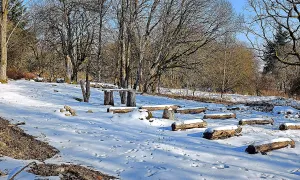
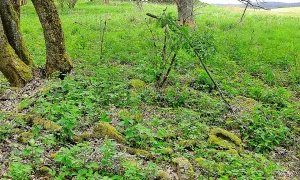
Real photos taken near the monument


Zdroj a licence jsou uvedeny u každého snímku.
Tips from visitors
No tips yet. Be the first!
Log in and add your tip.
Sources and literature
Photos: Lubor Ferenc / CC BY-SA 3.0 — Wikimedia Commons. The author and licence also appear when you hover over the image.
Faktickým podkladem tohoto textu byl článek na Wikipedii, jehož autory jsou přispěvatelé Wikipedie. Článek je dostupný pod licencí CC BY-SA 4.0.
Location on the map
Příběhy a pověsti
Legendy, pověsti a příběhy spjaté s touto památkou

Fotografie návštěvníků
Zatím žádné fotografie. Buďte první, kdo přidá fotografii z návštěvy!
Log in a přidejte svou fotografii nebo hodnoťte.
Za ověřenou návštěvu v aplikaci získáte víc bodů — poznáme podle GPS, že jste na místě.
Reviews and comments