






Podkrušnohorské technické muzeum Most Museum
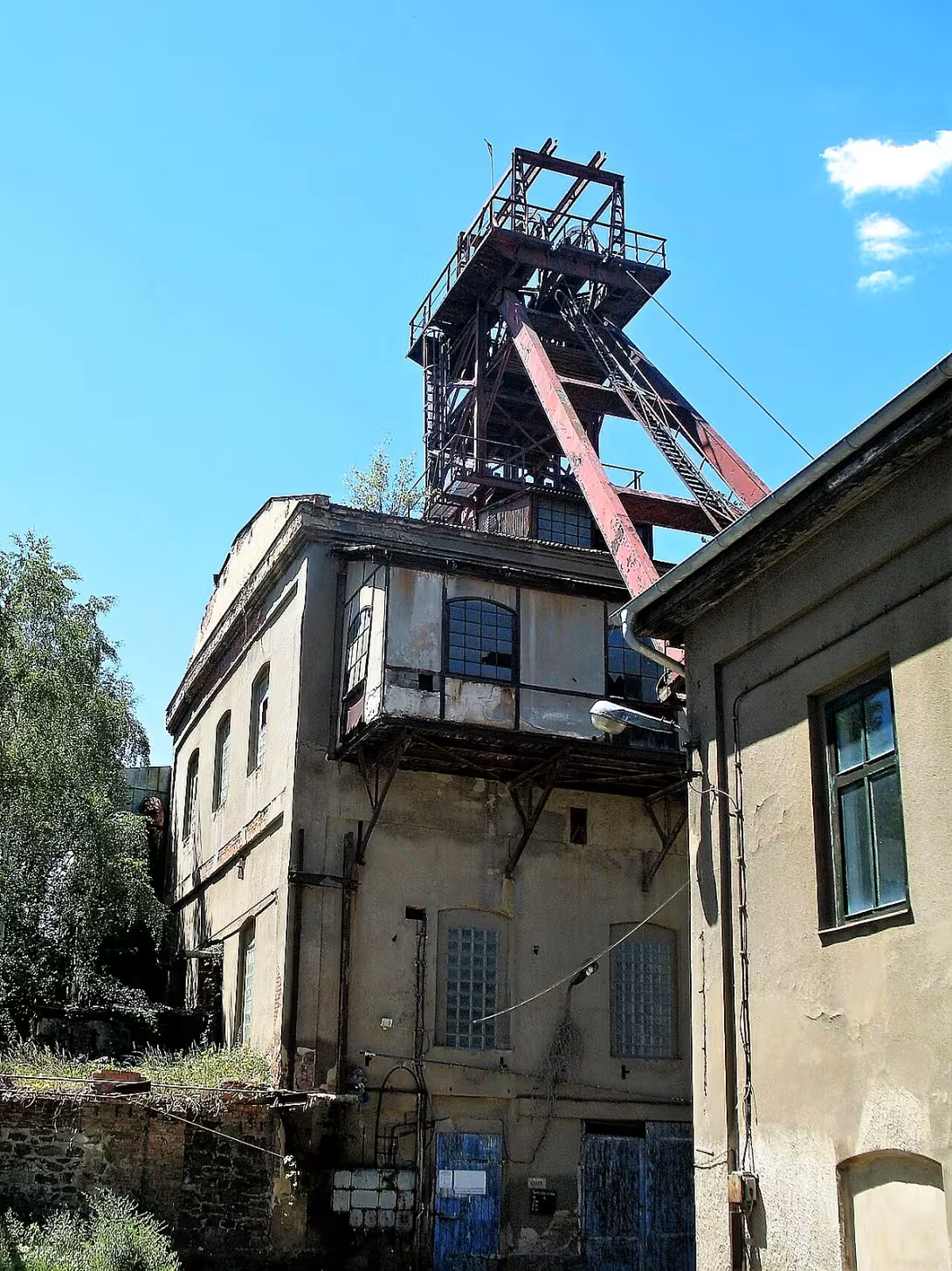
The subcircling technical museum is located in the territory of the former underground mine Julius III in the cadastral area of Rosodol (now part of Litvínova). It is an important monument focused on the history of mining and processing of brown coal in the North Bohemian pelvis. The area situated between I / 27 and the Most lake represents not only the industrial past of mining, but also the chemical, energy or glass industry. The institution was established in 2003 to preserve the technical monuments associated with coal mining, which is key to understanding the history of the region.
The Julius III mine was opened for Austria-Hungary and the mining operation continued for over 120 years. The closure in the first half of the 1990s was not caused by a downturn in mining, but by a mine. A valuable part of the museum is a comprehensive set of industrial architecture and technical equipment from the 19th century, declared a cultural monument. The protected elements include pit buildings, machinery spaces, the original boiler room and steam engine from 1890.
The museum uses the site of the former mine for exposition and simulated rumbling. The sample pit was artificially created in one of the buildings and opened to the public in 2007. This attraction allows visitors to better understand the industrial heritage of the region.
In addition to mining, the museum also deals with other industries, which played a key role in the history of northwest Bohemia. Cooperation with the Regional Museum in Most and ČEZ, Czech refinery and Chemopetrol helps to present a wider picture of industrial development.
Today, the PodKrušnomountain Technical Museum is not only a monument, but also an educational centre where visitors are familiar with the history and technologies of coal mining. Thanks to the position between the I / 27 road and the Most lake, the area is easily accessible for tourists who want to know the rich history of the area.
Visiting the museum is an interesting experience for lovers of history and technology, but also an opportunity to understand the influence of the industrial era on the landscape and society. The monument serves as an important witness to the past. Its preservation ensures that future generations recognize and appreciate the industrial roots of the region.
Historical milestones
- End of the 19th Century
- Opening of the underground mine Julius III for Austria-Hungary
- 1890
- Installation services of steam production machinery
- Around 1990-1995
- Closure of mine Julius III due to coal
- 2003
- Establishment of the PodKrušnomountain Technical Museum
- 2007
- Opening of a sample deep-water gill for the public
Architectural development
The museum uses the premises of the former underground mine, which was operated for almost 120 years. A complex set of industrial architecture and technical equipment from the 19th century is part of the protected area. Significant elements include pit buildings, machinery spaces and a steam engine from 1890.
Historical events
2003: The creation of a museum for the preservation of industrial monuments. 2007: Opening a museum for the public.
Points of interest
- The museum is located in the territory of the former underground mine Julius III. - The Julius III mine was opened for Austria-Hungary and the mining operation continued for over 120 years. - The set of industrial architecture and technical equipment from the 19th century is declared a cultural monument. - Protected elements include pit buildings, machinery spaces, original boiler room and steam engine from 1890. - In 2007, an artificially created sample pit was opened to the public.
Guide
Show guide text
This text was created by artificial intelligence and has not been editorially reviewed. It may contain inaccuracies.
Welcome, distinguished visitors. At this moment, you are in a place where history meets technology and where the earth has kept the stories of thousands of people in the depths of its bowels. You are standing in front of the Podkrušnomountain technical museum in Litvínov, specifically in the cadastral area of Rosobodol. Stop for a moment, take a breath and feel the atmosphere of this area. You see the space before you, which was once not a place of peace and education, but a noisy, dusty and constantly working heart of the industrial revolution. It is the space of the former underground mine Julius the third, which today serves as a guardian of the memory of the mining and processing of brown coal in the North Bohemian pelvis.
Let us now return together in time to understand why this place is so special. Imagine the end of the 19th century. The world was changing sharply, cities were growing, and industry required huge amounts of energy. It was at this time, beyond Austria-Hungary, that Julius the third mine was opened. It was a period of great ambition and technical optimism. Coal wasn't just raw material, it was black gold that powered locomotives, factories, and drowned in households. It was here, in the Rosedole, that a chapter began to be written that would last more than a century.
Now pay attention to the area where you are moving. Look at the overall form of the area. What you see is not just a set of buildings, but a real set of industrial architecture and technical equipment from the nineteenth century. Note the details that show the functionality and robustness of the time. The whole complex is declared a cultural monument because of its value. Focus your attention, in particular, on pit elements which are key among the protected elements. The pit was basically the gateway to the underground world, the link between the surface and the depths, where the hardest struggle between man and nature took place. Feel the line of these structures and imagine how tons of coal flowed through them and how the shifts of miners who spent most of their lives flowed through them every day.
When we think about this place, we can't forget people. Although today we do not know the names of the particular architects who designed these buildings or the names of individual workers, their trail is everywhere. The story of Julius the Third is the story of endurance. The mining continued for over 120 years. Imagine the generations of families that were born in the Rosedola grew up and worked in this mine. It was hard work, full of dangers, but also pride. It is this continuity that is happening from this place that makes it unique.
Here we come to one of the biggest technical attractions related to this place. If we look at the year one thousand eight hundred ninety, we will find the installation of a steam mining machine. It was the height of technical thought at the time. Steam machines were at the heart of the industrial era, their rhythmic beating and the hissing of couples accompanied everyday life on the premises. This machine was not just a tool, it was a symbol of man's power over material. It is fascinating to think that technology, which was the top in the nineteenth century, is now a rare exhibit that helps us to understand the path we went through as humans.
But history has not only ups and downs, but also endings. After more than a century of intensive work came the moment when the resources were exhausted. Around the year a thousand nine hundred ninety-five to ninety-five, Julius the Third Mine was closed due to the smoking. That was a sad but natural end of an era. Many such places in the North Bohemian regions simply disappeared, destroyed or forgotten. But something else happened here. Instead of becoming a ruin, the site became the basis for something new.
In the year two thousand and three was founded the Podkrušnomountain technical museum. Its main objective was to protect industrial and technical monuments. The museum decided that the history of mining must not disappear, but must be documented and passed on to other generations. And because industry is a complex thing, the museum didn't just focus on coal. If you look around during your visit, you will find that it also deals with other sectors that are closely related to mining, such as the chemical and energy industries. All these areas together form a picture of a region that was essentially built on energy from brown coal.
One of the biggest attractions you should not leave out is a sample of a deep-water mantelpiece that was opened to the public in two thousand and seven. It's a place where you can feel the real atmosphere underground. It's basically a bridge between the surface that you're standing on right now and the dark world where mining used to take place. It is this opportunity to enter the space that simulates the conditions of the deep mine that fascinates visitors the most. It's a journey into depth, not only physically, but also in time.
Now that you know the basic framework of this place, I invite you to further explore. Look around you, perceive the silence that today reigns where machines used to thunder, and think about how much effort and sweat cost the creation of this industrial complex. Go through the premises, see the exposed technical elements and get sucked into a world where coal and steam ruled.
The subcircling technical museum is not just a collection of old machines. It's a monument to human work and technical progress. It's a place that reminds us that even though technology is changing and resources are depleting, the memory of how we created our world must remain alive.
I wish you an inspiring walk and a fascinating encounter with the history of the North Bohemian brown coal pan. Look forward to everything that you have in the depth and in the museum premises. I bid you farewell and leave you in the care of this fascinating place. Enjoy your time in Rosehole.
Tips for visitors
For the best experience we recommend a visit in the morning when the light is ideal for observing technical details and industrial atmosphere. You can easily reach the museum by road I / 27 or by public transport; Please check the current connection in the transport applications. Parking is provided on the premises.
With us we recommend to wear comfortable shoes suitable for passing through the industrial area. If you plan to take pictures, you can get the best shots with historical mining machines and industrial buildings, especially in natural daylight, which underlines the texture of metal elements.
After visiting the museum you can visit Lake Most, which offers a pleasant environment nearby. For families with children the visit is very interesting because the possibility of seeing huge machines up close represents a fascinating view of the history of mining for children.
Before travelling, we recommend checking the current weather forecast as the tour includes movement in the open area of the former Julius III mine.
Businesses nearby
Do you run a restaurant, accommodation, shop, museum, rental, wellness or other visitor service near this monument? Show yourself directly to the people heading to it — this is how they will see you in the app and on the web:
Events nearby
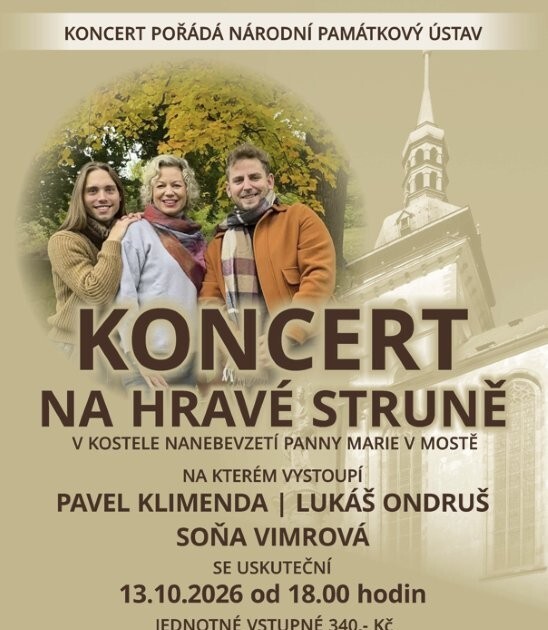
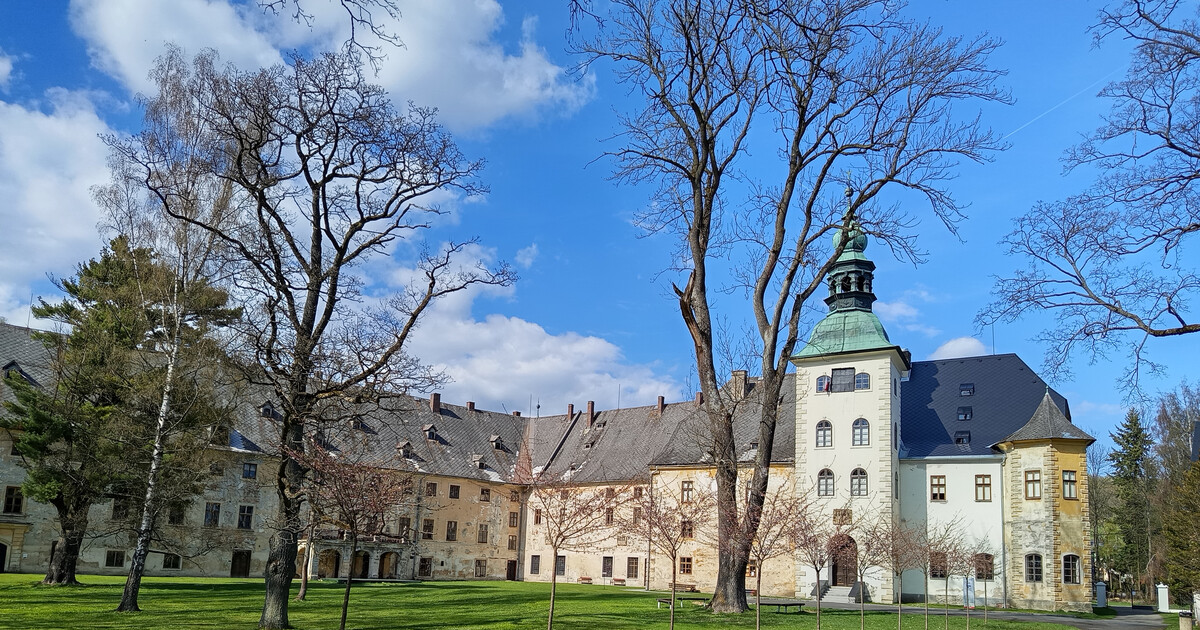
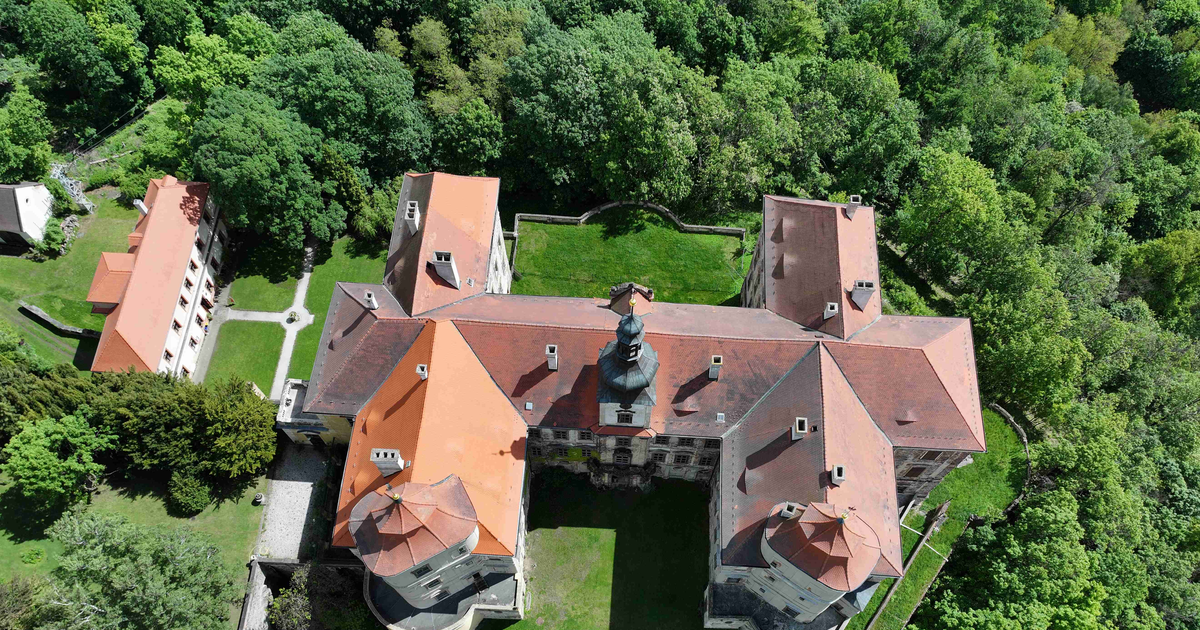

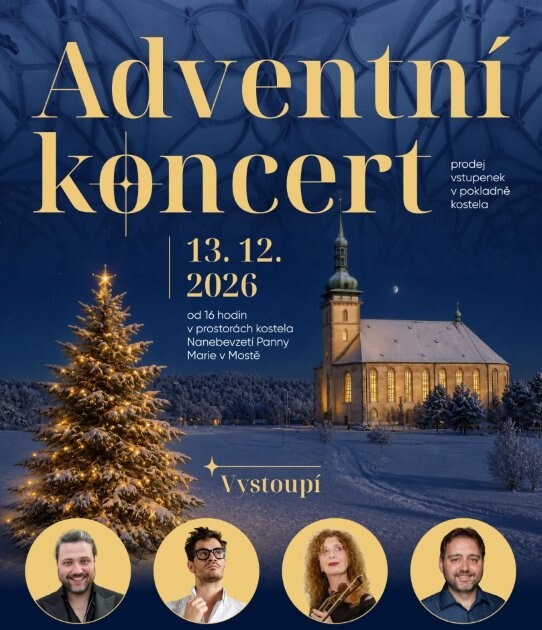
Zdroj akcí: otevřená data měst a obcí ČR (Národní katalog otevřených dat) a kalendář akcí Národního památkového ústavu.
Nearby
Jezero Most a silnice I/27.
Accommodation nearby
Themed route
Thematic cruise route around Podkrusnomountain technical museum Most
1. Podkrušnohorské technické muzeum Most (museum) - Type: Museum - Why is it worth a visit: This museum is an important cultural monument that represents the history of industrial development in the region. Visit exhibitions focused on technological progress and the history of hardware.
2. Lake Bridge - Type: Water surface - Why it is worth a visit: The lake is an ideal place for relaxation and beautiful landscape views. It offers options for picnic, walks along the shore or just a quiet moment by the water.
3. Road I / 27 - Type: Freeway - Why is it worth a visit: this road is an important transport link linking the region to other parts of the country. It is suitable for a short walk or cycling trip where you can enjoy the views of the surrounding countryside.
This route offers a combination of cultural knowledge and the natural beauty of the region. After visiting the museum you can relax at Lake Most or explore the surrounding landscape along the I / 27 road.
Seasonal recommendations
Spring brings the awakening of the surrounding nature and fresh air, which accompanies the way to exposition. The atmosphere is full of optimism and the light is fine, which is pleasantly complementary to the technical details of the machines. I recommend wearing more layers of clothing because the weather is variable. The ideal time to visit is in the morning when the rooms are quiet.
The summer season offers the brightest lighting and rich green landscape around the museum. The air is hot, which may be challenging in some areas, but the outdoor parts are very lively. For the high season, I suggest you come right at the opening to avoid the biggest crowds. Choose light and breathable clothes.
Autumn is characterized by golden colours of leaves and frequent fog, which provide a mysterious and melancholy atmosphere to the technical monument. The light is muted and radiant. Moisture-resistant shoes and waterproof jackets are practical. The best is to visit the museum in the afternoon when the outdoor temperature is more pleasant.
Winter brings frosty air and often white sheets that highlight the shapes of exposed machines. The atmosphere is quiet and calm, which allows for deeper focus on details. Don't forget to wear very warm clothes and watch out for shortened opening hours in advent time. I recommend planning a visit by noon so you can make it before dark.
Visualizations and artistic views


The visualisations are generated by artificial intelligence and serve as inspiration.
Photos from the area
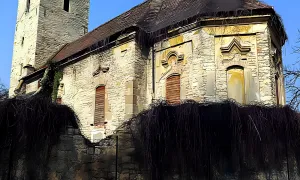
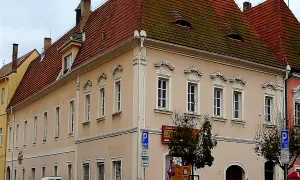
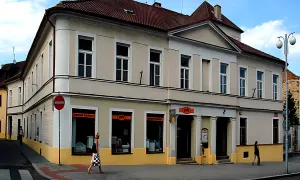
Real photos taken near the monument

Zdroj a licence jsou uvedeny u každého snímku.
Tips from visitors
No tips yet. Be the first!
Log in and add your tip.
Sources and literature
Photos: Marie Čcheidzeová / CC BY-SA 4.0 — Wikimedia Commons. The author and licence also appear when you hover over the image.
Faktickým podkladem tohoto textu byl článek na Wikipedii, jehož autory jsou přispěvatelé Wikipedie. Článek je dostupný pod licencí CC BY-SA 4.0.
Location on the map
Příběhy a pověsti
Legendy, pověsti a příběhy spjaté s touto památkou
Fotografie návštěvníků
Zatím žádné fotografie. Buďte první, kdo přidá fotografii z návštěvy!
Log in a přidejte svou fotografii nebo hodnoťte.
Za ověřenou návštěvu v aplikaci získáte víc bodů — poznáme podle GPS, že jste na místě.
Reviews and comments