



Porta Apostolorum Monastery
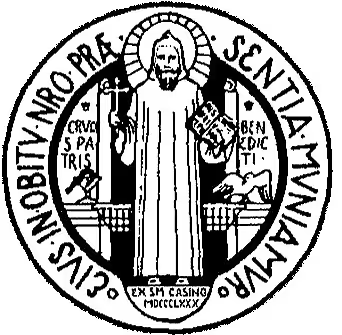
Objekt se nedochoval — na místě dnes nestojí. Následující text popisuje jeho historii, ne současnou návštěvu.
Porta Apostolorum, known in Czech as Brána apoštolů, was a Benedictine monastery located in Postoloprty, northern Bohemia. Founded before 1119 and destroyed during the Hussite Wars in 1420, it is notable for being both the oldest and largest convent within the Litoměřice diocese. The name 'Porta Apostolorum' comes from sculptures of twelve apostles that adorned its entrance, first documented in 1251. This historical site features Romanesque architectural elements and played a significant role under royal patronage during its existence.
The origins of Porta Apostolorum are linked to the political consolidation of Bohemia under the Přemyslid dynasty in the early 12th century. Chronicler Kosmas mentioned the monastery around this time, associating it with a legend involving Prince Neklan's founding of a new castle. While its exact founder remains uncertain, historical sources suggest it may have been established as a princely foundation by Vratislav II or his son Vladislav I. The monastery gained prominence under royal patronage, especially during the reigns of Kings Václav I, Karel IV, and Václav IV, who granted it important privileges.
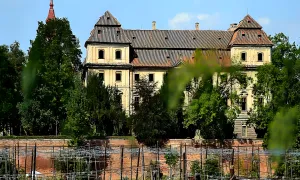
Architecturally, Porta Apostolorum featured Romanesque elements typical of its era. In 1981, archaeological findings beneath a modern building revealed remnants such as a six-part window and other fragments from the mid-12th century. These discoveries confirmed that the monastery was located where today's castle and church of Nanebevzetí Panny Marie stand. The site underwent several architectural phases, with the oldest part being a section of wall incorporated into a later farm building.
Throughout its history, Porta Apostolorum experienced dramatic changes in ownership and administration. Initially under Benedictine control, it eventually fell under royal patronage. A series of abbots, confirmed by Prague bishops, managed the monastery until its destruction in 1420 during the Hussite Wars. After this period, its influence waned, with its lands being absorbed into neighboring territories.
Key events at Porta Apostolorum include its mention by Kosmas around 1119 and its eventual destruction in 1420. Archaeological excavations have provided insights into its past, uncovering artifacts such as iron arrowheads from the monastery's siege and pottery fragments dating back to the 12th century. These findings highlight the site's historical significance and the turbulent events it witnessed.
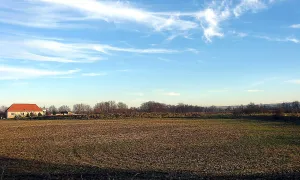
Today, Porta Apostolorum is remembered through the landscape that once housed this significant religious institution. The current castle and church in Postoloprty stand near where the monastery was located, offering visitors a glimpse into its storied past. While no physical remnants of the original structure remain, the site's historical importance continues to attract those interested in Bohemian history and Romanesque architecture.
Porta Apostolorum remains a testament to the rich cultural and religious heritage of northern Bohemia. Its legacy endures through archaeological discoveries and historical records, inviting visitors to explore the layers of history embedded in Postoloprty's landscape. For those intrigued by medieval monastic life and architectural evolution, this site offers a compelling journey into the past.
Then and now
Drag the slider to compare how the landmark may have looked when it was built with the view today.

The historical appearance on the left is an AI-generated visualisation and serves as inspiration only.
Historical milestones
- 1251
- The name 'Porta Apostolorum' first appears in records.
- 1420
- The monastery was destroyed during the Hussite Wars.
Architectural development
The monastery featured Romanesque architectural elements, including a six-part window and other fragments from the mid-12th century. It was located where today's castle and church of Nanebevzetí Panny Marie stand.
Historical events
Mentioned by chronicler Kosmas around 1119.
Destroyed during the Hussite Wars in 1420.
Owners
Initially under Benedictine control, the monastery later fell under royal patronage with kings such as Václav I., Karel IV., and Václav IV. playing significant roles in its history.
Points of interest
- Despite its significant historical role, the exact founder of Porta Apostolorum remains a mystery, with speculation pointing to either Vratislav II or his son Vladislav I, reflecting the era's complex political dynamics. - The monastery was once adorned with sculptures of twelve apostles at its entrance, a feature first documented in 1251 that contributed to its name 'Porta Apostolorum' and symbolized its religious importance. - Archaeological excavations beneath modern structures revealed remnants like a six-part window from the mid-12th century, offering tangible links to the monastery's Romanesque architectural style. - The site experienced dramatic shifts in ownership, transitioning from Benedictine control to royal patronage before its destruction during the Hussite Wars, illustrating the turbulent history of medieval Bohemia. - Among the artifacts uncovered at Porta Apostolorum were iron arrowheads from the siege that led to its downfall and pottery fragments dating back to the 12th century, providing insights into both daily life and conflict at the site.
Guide
This guide is narrated by a synthetic voice generated by artificial intelligence.
Show guide text
This text was created by artificial intelligence and has not been editorially reviewed. It may contain inaccuracies.
Welcome to the historic site of Porta Apostolorum in Postoloprty, a place where echoes of the past resonate through time. As you stand here, imagine the grandeur that once was—a Benedictine monastery with stories etched into its very stones.
Porta Apostolorum, or Brána apoštolů as it's known locally, has roots stretching back before 1119. This site became a significant spiritual and cultural hub within the Litoměřice diocese, spanning northern Bohemia. It was once the oldest and largest convent in this region, serving both religious and community functions.
As you look around, envision the entrance that first bore its name 'Porta Apostolorum' in 1251—a gateway adorned with sculptures of twelve apostles. These figures were not only artistic expressions but also symbols of faith and guardians of the monastery's sacred space. Although today these sculptures are no longer present, their legacy lingers, inviting you to ponder the hands that carved them.
The origins of this monumental site remain shrouded in mystery. Speculation surrounds its founder—was it Vratislav II or his son Vladislav I? This uncertainty reflects the complex political dynamics of the era when regional powers and religious influences intertwined. The monastery's story is one of creation, flourishing, and eventual destruction during the tumultuous Hussite Wars in 1420.
As you reflect on its history, consider the influential figures associated with Porta Apostolorum. Kosmas, an important chronicler, might have walked these grounds, capturing stories that would endure through centuries. The monastery was more than just a building; it was a beacon of learning and spirituality.
One intriguing mystery about this site is its exact founder. Despite its historical significance, the identity remains unknown, adding to Porta Apostolorum's enigmatic allure. This uncertainty invites you to explore not only what we know but also what might have been lost to time.
As your visit draws to a close, take a moment to absorb the atmosphere of this historic site. Let your imagination wander through its storied past and consider the countless lives that intersected here. We invite you to continue exploring Postoloprty, where history is alive in every corner.
Thank you for joining us on this journey through time at Porta Apostolorum. May the stories of this place inspire you as you venture forth into your own explorations. Safe travels and until next time!
Businesses nearby
Do you run a restaurant, accommodation, shop, museum, rental, wellness or other visitor service near this monument? Show yourself directly to the people heading to it — this is how they will see you in the app and on the web:
Nearby
Today's Postoloprty features a castle and church within close proximity to where the monastery once stood. The surrounding landscape includes remnants of historical structures and natural features.
Visualizations and artistic views

The visualisations are generated by artificial intelligence and serve as inspiration.
Tips from visitors
No tips yet. Be the first!
Log in and add your tip.
Sources and literature
Photos: Dominio Público / Public domain — Wikimedia Commons. The author and licence also appear when you hover over the image.
Faktickým podkladem tohoto textu byl článek na Wikipedii, jehož autory jsou přispěvatelé Wikipedie. Článek je dostupný pod licencí CC BY-SA 4.0.
More monuments – Postoloprty
Show all in the municipality
Příběhy a pověsti
Legendy, pověsti a příběhy spjaté s touto památkou
Fotografie návštěvníků
Zatím žádné fotografie. Buďte první, kdo přidá fotografii z návštěvy!
Log in a přidejte svou fotografii nebo hodnoťte.
Za ověřenou návštěvu v aplikaci získáte víc bodů — poznáme podle GPS, že jste na místě.
Reviews and comments