



Posádkový pšeničný vodní mlýn Water mill
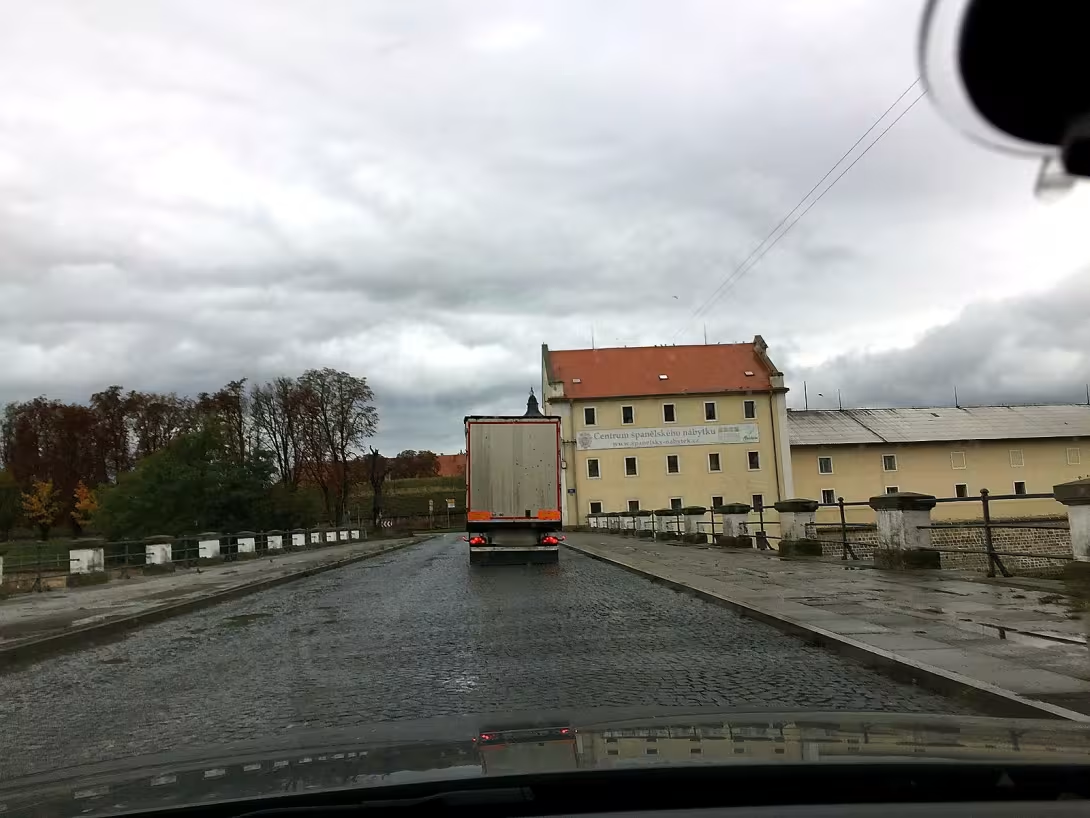
The crew wheat mill in TerezínA is a baroque water mill, which stands on the right bank of the river Ohře under the horse, near the Little Fortress. The building was founded in 1786 as part of the fortress system and since 2010 it has been protected as a real-estate cultural monument of the Czech Republic.
The mill was built during the reign of Josef II as an integral part of the provision of bastion strength Terezín. It was to ensure the city's self-sufficiency in the event of military conflict and long-term siege for three to four months. This construction was part of a broader effort to centralise and modernise the military infrastructure of the Habsburg monarchy.
The original building from 1786 underwent modifications in the 19th century. The object is referred to as a water mill because it used the gate system under the bridge to regulate the water level for turbine propulsion. The water was led from the poison and the drain channel went back into the river. In 1930, the mill was equipped with two Girard turbines, which reached 90 and 70 horsepower at 2.55 metres.
The building was owned by the company Spol. mill sp s.r.o. in 1930 The operation of the mill was completed in the early 1950s. Despite long inactivity, the interior preserved a torso of artistic composition, several pocket lifts, weight, small transmission and one of the turbines.
The construction is valuable evidence of military architecture and technical background of the fortress system. Authentic preserved object allows you to see how the supply of the fortress city has been ensured.
Crew wheat mill is an important technical element in the historical context of Teresian fortress. Visiting this place offers the opportunity to recognize a less well-known but crucial part of 18th century military engineering.
Historical milestones
- 1786
- Formation of the mill as part of the strength system Terezín.
- 1930
- Operation of the mill with two Girard turbines.
- 1950
- Ending the mill.
- 2010
- Declaration of the building for a cultural monument.
Architectural development
The original building from 1786 was built in the 19th century. The mill used the gate and turbine system to drive machinery. Up to now, authentic masonry and torso of original technological equipment have been preserved.
Historical events
The formation of the mill in 1786 along with the fortress Terezín. Reconstruction of the building during the 19th century. The closure of the mill in the early 1950s.
Owners
The company Spol. mill sp s.r.o. was owned in 1930.
Points of interest
- The mill was founded in 1786 as part of the fortress system and since 2010 it has been protected as a real cultural monument. - The building was built under the rule of Josef II to ensure the city's self-sufficiency in the event of military conflict and long-term siege for three to four months. - The mill is referred to as floating because it used a gate system under the bridge to regulate the water level for turbine propulsion. - In 1930, the mill was equipped with two Girard turbines, which reached 90 and 70 horsepower at 2.55 metres. - Despite the completion of operation in the 1950s, the interior preserved a torso of artistic composition, several pocket lifts, weight, small transmission and one of the turbines.
Guide
Show guide text
This text was created by artificial intelligence and has not been editorially reviewed. It may contain inaccuracies.
Welcome to Terezín, where history speaks from every stone and where military discipline meets architectural precision. Right now, you're standing in front of one of the most interesting and yet inconspicuous objects in this city. The Posádkový pšeničný vodní mlýn stands before you. Stop for a moment, take a breath and feel the atmosphere of this place. It may look like an ordinary building at first glance, but if you look more carefully, you will realize that you came to a place that played a crucial role at the peak of the fort. Without this mill, life in Terezín would look completely different.
Let us now return together in time more than two centuries back. It's 1786. At the time, Joseph II's government placed enormous emphasis on efficiency, order and, above all, on the state's strategic readiness. Terezín was not just an ordinary city, it was a complex bastion system, a military stronghold to serve as an impenetrable obstacle to the enemy. And that's where our mill comes in. It was built as an integral part of the provision of the entire fortress. Imagine what it meant at the time. The fortress must have been able to function as a closed organism. In the event that the enemy Terezín would surround and cut off from the outside world, soldiers and residents were not allowed to starve.
Notice exactly where the mill is. You're standing on the right bank of the Ohre River, just below the course. This position was not random. The water was the main source of energy in the eighteenth century, and the food ensured that the mill would have sufficient inflow and water pressure to power the mill wheels. The architecture of this building is a typical example of the military technical architecture of its time. There is no room for unnecessary ornaments or pomp. Everything is designed with respect to function, resistance and efficiency. Take a look at the front of the building and see its robustness. It is a building that was meant to withstand everything, from the humidity of the river to the demands of intensive operation.
Now pay attention to why this mill was so crucial. His main task was grinding wheat. The wheat was the basis of the diet, and the ability to produce flour directly inside or in close proximity to the forks was a strategic advantage. Fortress planners were counting on the worst-case scenario of long-term siege. The mill was designed to ensure the city's self-sufficiency in critical situations. In particular, Terezín was expected to be able to withstand military conflict and be completely independent of external food supplies for three to four months. Imagine the pressure and the responsibility that hit the people working in this mill. They were essentially a guarantee of the survival of thousands of people inside the bastion.
Although we do not know the names of the particular architects who designed this project, their genius work is seen in how the mill fits into the overall strength system. It was not just a separate business, but part of a wider network of warehouses, bakeries and food magazines. Everything was connected so that the path from grain to baked bread was as short and as safe as possible.
Let's move forward in time and see how the mill evolved. The world was changing, technology was advancing, and the mill had to adapt. There was significant modernization around 1930. At that time, the mill was operated by two Girard turbines. The turbines replaced the older mechanisms and made it more effective to use the power of the water from the Ohře. Although it was a technical upgrade, the basic mission of the mill remained the same. It was an era when the old military tradition met with the modern engineering industry of the early twentieth century.
This rhythm of grinding wheat, the noise of water and the noise of turbines lasted until the middle of the last century. In 1950 the mill was definitively shut down. With the end of his active time, the mill began to quiet down slowly and became a silent witness to history. Many of these technical constructions were destroyed or rebuilt at the time, but this mill maintained its integrity and character.
Here comes a moment you should appreciate. In 2010, the building was officially declared a cultural monument. This means that the state recognised its invaluable importance not only for Terezín but for the whole Czech military architecture. When you look at the building today, you don't just see the old mill, but proof of how security, logistics, and survival have been thought of in the past. It is a monument to human ingenuity and strategic planning.
You might find one interesting thing that gives the whole place a special dimension. Imagine the contrast. On the one hand, we have Terezín as a symbol of military power, bastion and walls to repel the attack. On the other hand, we have this mill, which represents life, food and care for the basic needs of man. Without this technical background, even the most powerful walls would be useless because an army without food cannot fight. So the mill was a silent hero of the strength system.
Now that you're standing in front of this building, try to imagine the sound. Imagine the thunder of water falling on the wheels and later on the turbines, the smell of freshly ground wheat flour and the hustle and bustle of people preparing supplies for thousands of soldiers. Feel how the water in the Ohře still tňa and how the same river powered this machine more than 200 years ago.
This mill is now one of the last elements of this provision system Terezína. It is an important memento of the time when self-sufficiency was thought of on the scale of months and when each grain of wheat had its strategic value. It's a place where the tech meets the military's, you know, to make sure it's safe.
Now that you know the story of this Crew Wheat Mill, I suggest you go around it one more time. Feel its weight, its location by the water, and think about how many generations of mills and soldiers have passed through it. It's a fascinating example of how detailed and thoughtful the Bastion Fortress system was.
Thank you for escorting me to this stop. Terezín still has many secrets waiting to be revealed. I ask you to continue your journey, explore other parts of the fort and be inspired by the history surrounding you. I wish you a pleasant rest of the tour and remember to perceive details that may not be seen at first sight, but which form the true soul of this city. Goodbye.
Tips for visitors
The ideal time to visit is in the morning during the working week when you avoid crowds of tourists heading to the main monuments of the fortress. In the morning, the mill by the Ohře River looks very photogenic and the quiet level below the course offers great reflections for the images.
During the visit we recommend fixed shoes suitable for movement around the water stream and in historical alleys. Remember the camera, the best shots of the mill will be taken from the opposite bank of the Ohře River, where its architecture will stand out in contrast to the water surface.
For families with children the location is interesting mainly thanks to the proximity of the river and the possibility of walking along the shore. Children will appreciate the area around the lake where they can observe the flow of water, but due to the proximity of the technical monument and water, continuous adult supervision is necessary.
In the immediate vicinity of the mill you can visit the Little Fortress Terezín, which is a key place in the history of the city, or take a walk through the historical centre of the fortress city Terezín, which offers a unique urban experience from the days of building bastion forts.
Frequently asked questions
Can the monument be visited?
This is a technical monument. Some are open as exhibitions, others are out of use or on private land. We have not verified whether this one is accessible.
What are the opening hours and admission?
We have not verified the opening hours or admission. Current information is published by the operator.
Where is the monument?
Location: Terezín, Ústecký kraj. The map on this page shows the exact spot.
Why is the monument protected?
It is listed in the Central List of Cultural Monuments of the Czech Republic as a cultural monument (register no. 1654987962).
Businesses nearby
Do you run a restaurant, accommodation, shop, museum, rental, wellness or other visitor service near this monument? Show yourself directly to the people heading to it — this is how they will see you in the app and on the web:
Events nearby

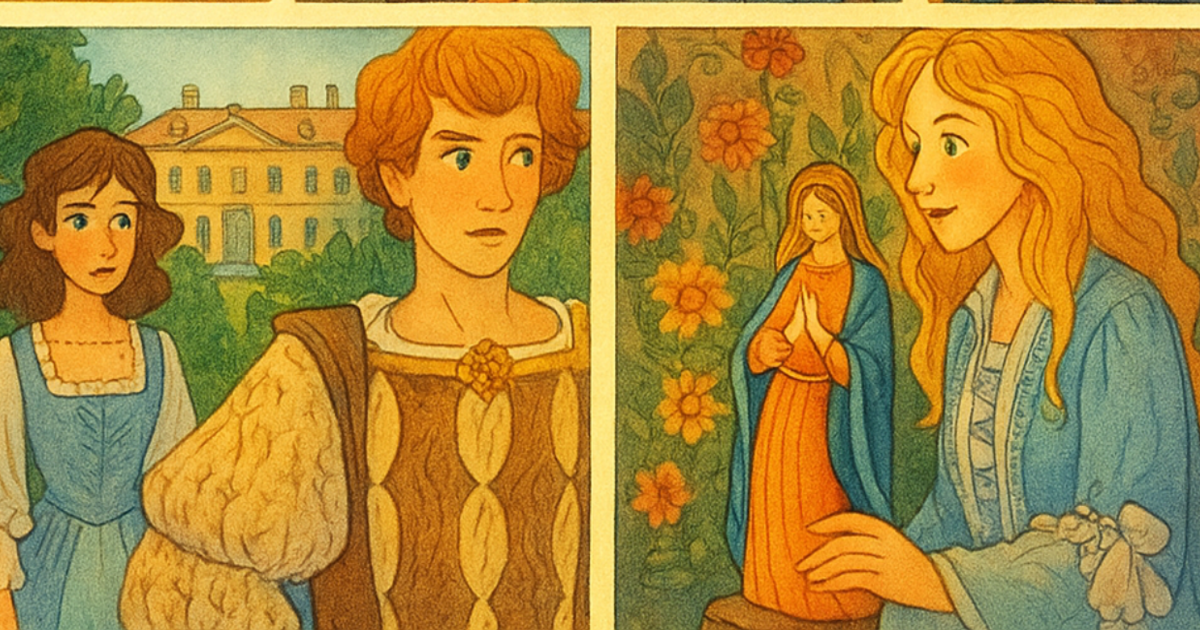



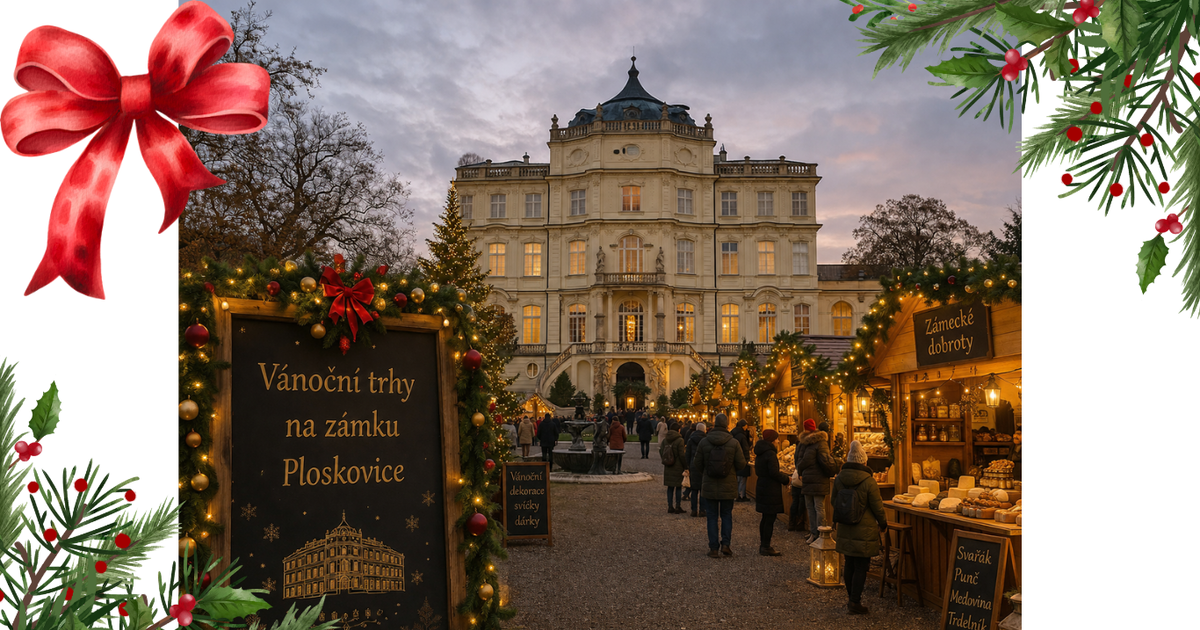
Zdroj akcí: otevřená data měst a obcí ČR (Národní katalog otevřených dat) a kalendář akcí Národního památkového ústavu.
Nearby
Small fortress Terezín, river Ohře, historical center of fortress city Terezín.
Accommodation nearby
Trips and activities nearby
Guided tours, tickets and activities nearby from GetYourGuide
Affiliate link: if you buy from the partner, we may receive a commission. The price for you does not change.
Search tours and activities →Themed route
1. Historical city centre Terezín (city zone) - Walk through the streets will reveal the unique planning and atmosphere of the former military city. 2. Small fortress Terezín (historical building) - A place of deep historical significance that resembles the tragic fates of the war period. 3. River Reel (water flow) - The natural path along the water offers peace and connects individual parts of the strength complex. 4. Posádkový pšeničný vodní mlýn (technical monument) - The main destination of the road where you can admire the principles of the old water mill.
Seasonal recommendations
Spring brings around the mill the awakening nature and fresh green color of the surrounding crop. The lighting is soft in this period, which complements the atmosphere of renewal perfectly. For the best experience we recommend a visit in the morning when the air is the cleanest. Due to the weather variability, prepare for layered clothing to protect you from sudden cooling.
In the summer months there is rich vegetation and intense sunlight highlights the details of the historical building. The atmosphere is warm and vibrant. Since this is the main summer season, we recommend arriving as early as possible in the morning to avoid the biggest crowds. Clothes should be light and breathable, with emphasis on protection from direct sun.
Autumn around the mill creates a melancholy mood accompanied by golden and brown shades of leaves. The low sun creates long shadows that give the place depth. The best time for a tour is the afternoon hours when the light is most interesting. Prepare waterproof shoes and a laminated jacket because autumn wind and damp can be unpleasant.
Winter brings peace and rigor to the area of the mill, where frost can create interesting patterns on the water surface and surrounding elements. Light is weak and gray in this period, which underlines the historical seriousness of the monument. Due to shorter daily times and lower temperatures, plan to visit in the morning. The necessity is very warm and wind-resistant clothes.
Visualizations and artistic views


The visualisations are generated by artificial intelligence and serve as inspiration.
Photos from the area
Real photos taken near the monument


Zdroj a licence jsou uvedeny u každého snímku.
Tips from visitors
No tips yet. Be the first!
Log in and add your tip.
Sources and literature
Photos: Petr1888 / CC BY-SA 3.0 — Wikimedia Commons. The author and licence also appear when you hover over the image.
Faktickým podkladem tohoto textu byl článek na Wikipedii, jehož autory jsou přispěvatelé Wikipedie. Článek je dostupný pod licencí CC BY-SA 4.0.
Location on the map
More monuments – Terezín
Show all in the municipality

Příběhy a pověsti
Legendy, pověsti a příběhy spjaté s touto památkou
Fotografie návštěvníků
Zatím žádné fotografie. Buďte první, kdo přidá fotografii z návštěvy!
Log in a přidejte svou fotografii nebo hodnoťte.
Za ověřenou návštěvu v aplikaci získáte víc bodů — poznáme podle GPS, že jste na místě.
Reviews and comments