






Potštát Ruin
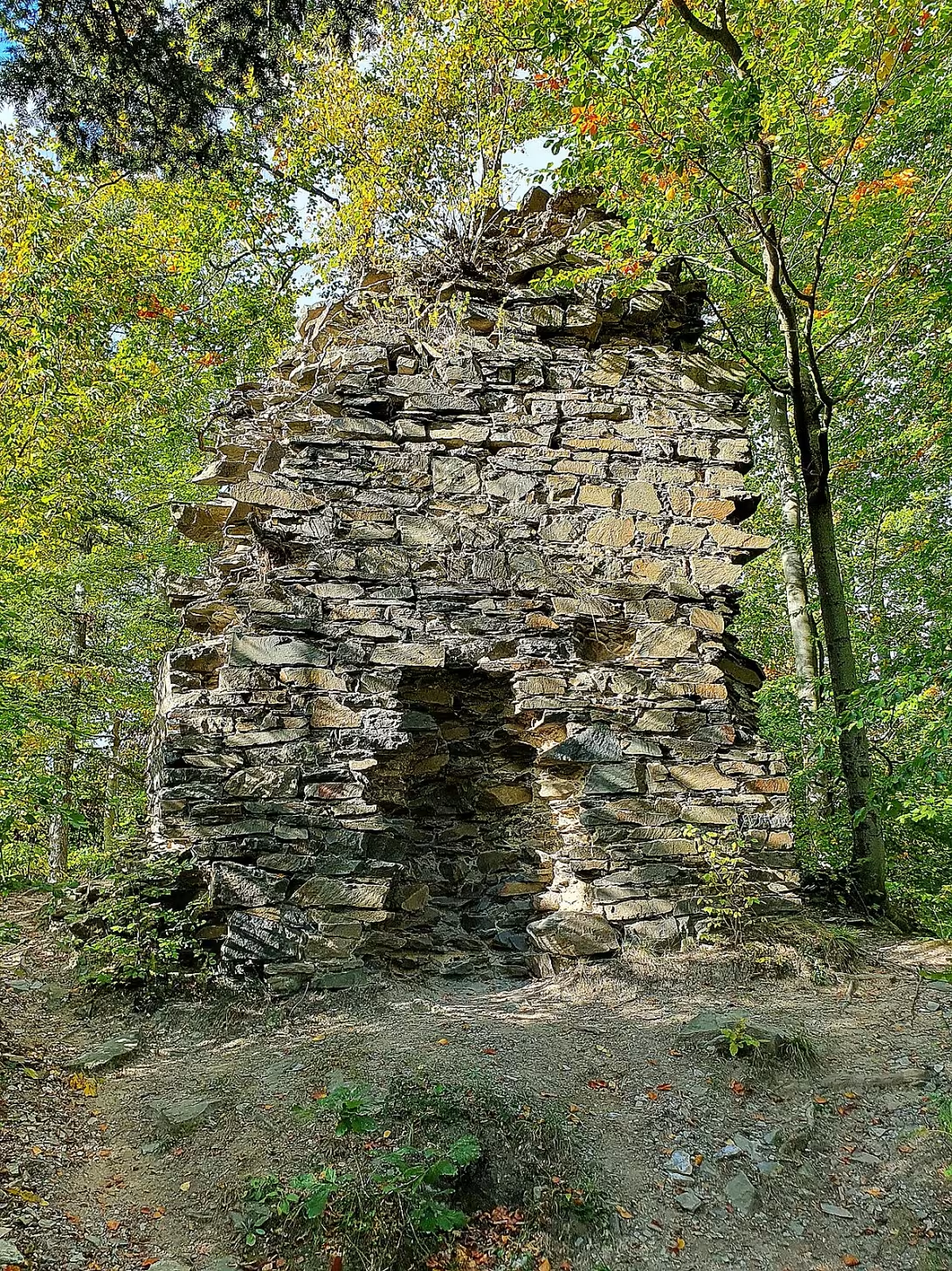
Potštát Rock Town, also known as Puchart or Sudetský zámek, is a captivating castle ruin located southeast of Potštát in the Olomouc Region. Established at the beginning of the 14th century, it served as a strategic center for colonizing the Oderské vrchy region and controlling routes from Silesia to Hranice. Since 1963, it has been protected as a cultural monument.
The origins of Potštát Rock Town trace back to its establishment at the start of the 14th century when Bohemia was part of the Holy Roman Empire under King John of Luxembourg. This era saw increased efforts in territorial consolidation and fortification due to regional conflicts. The castle is first documented around 1320 with Záviš z Potštátu, later coming under the control of the lords of Kunštát by mid-14th century. In 1377, Boček z Kunštátu recorded a dowry for his wife Eliška at the site.
Architecturally, the castle featured two separate functional cores connected by a narrow rocky ridge, presenting unique construction challenges. The larger front castle had a trapezoidal layout with dimensions up to 37 × 28 meters and was protected by a moat and rampart on its western side. A significant feature of the site is the residential tower in the rear castle, which stood on a small courtyard.
Ownership of Potštát Rock Town changed hands over time, reflecting dramatic shifts in regional power dynamics. Initially under Záviš z Potštátu's control, it later came into possession of the lords of Kunštát. By 1394, the castle was captured by Margrave Prokop and notably was not restored thereafter.
The site is surrounded by intriguing features such as a former Iron Lookout Tower and an inn called U Tlustého Jana. Accessible via a yellow-marked tourist trail from Potštát to Hranice, it offers visitors a glimpse into the historical significance of this strategic location.
Today, Potštát Rock Town stands as a testament to its storied past, inviting exploration and reflection on its role in regional history. Its preservation as a cultural monument ensures that future generations can appreciate its architectural and historical value. Visitors are encouraged to explore this fascinating site, where history is etched into the very stones of the ruins.
Then and now
Drag the slider to compare how the landmark may have looked when it was built with the view today.
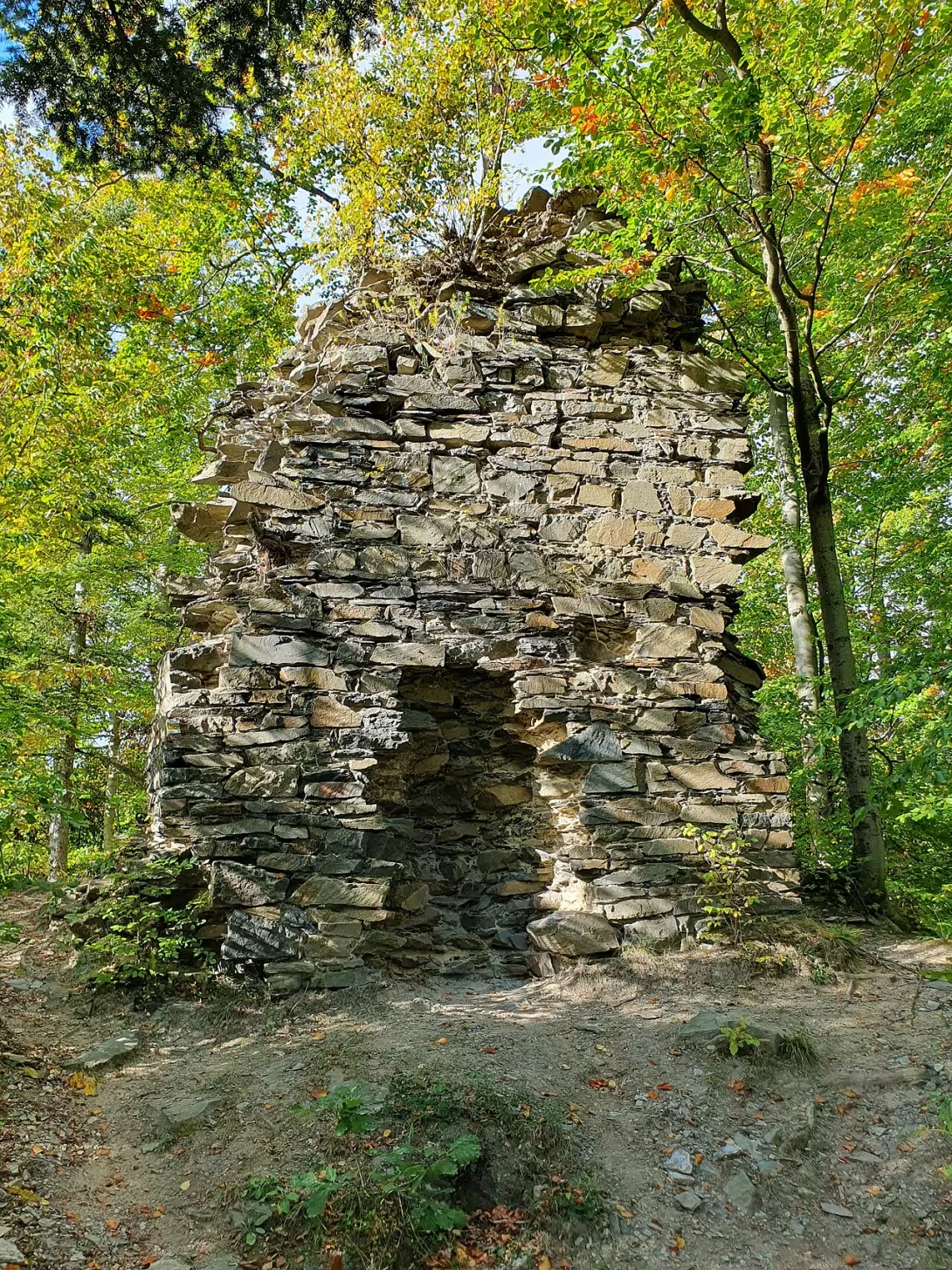
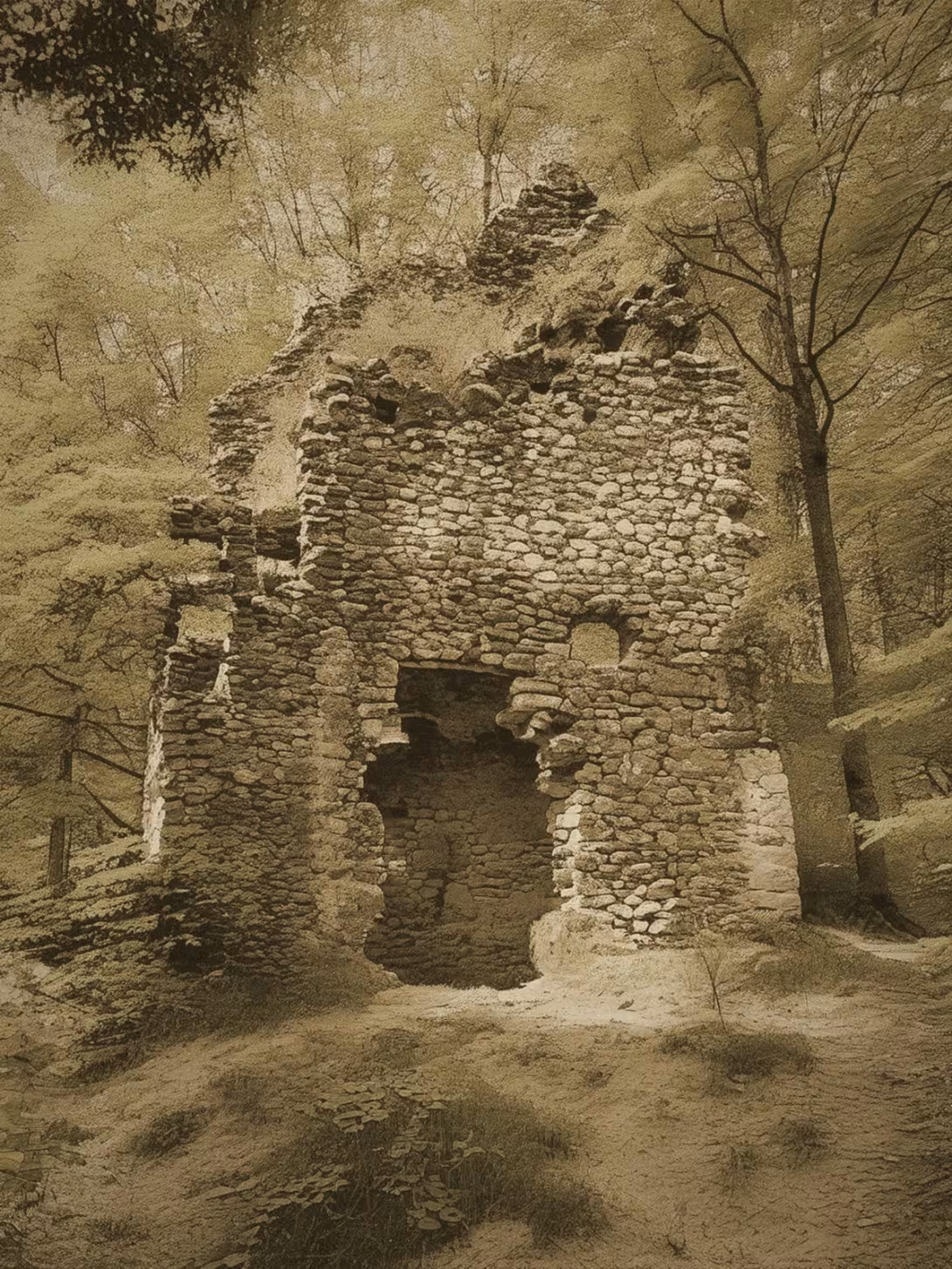
The historical appearance on the left is an AI-generated visualisation and serves as inspiration only.
Historical milestones
- 1320
- First documented mention of Potštát with Záviš z Potštátu.
- 1377
- Boček z Kunštátu recorded a dowry for his wife Eliška at the castle.
- 1394
- Castle captured by Margrave Prokop and not restored thereafter.
Architectural development
The castle featured two separate functional cores connected by a narrow rocky ridge, making construction challenging. The larger front castle had a trapezoidal layout with dimensions up to 37 × 28 meters, protected by a moat and rampart on its western side. A significant feature was the residential tower in the rear castle, which stood on a small courtyard.
Historical events
Established at the beginning of the 14th century as a center for colonizing Oderské vrchy.
First mentioned in documents around 1320 with Záviš z Potštátu.
Captured by Margrave Prokop around 1394 and not restored thereafter.
Owners
Initially established at the beginning of the 14th century, Potštát was first mentioned around 1320 with Záviš z Potštátu. By mid-14th century, it came under the control of the lords of Kunštát, and in 1377 Boček z Kunštátu recorded a dowry for his wife Eliška there. The castle was likely captured by Margrave Prokop around 1394 and was not restored thereafter.
Points of interest
- Despite its strategic importance, Potštát Rock Town was never restored after being captured by Margrave Prokop in 1394, leaving it as a ruin that offers a unique glimpse into medieval fortification techniques and regional conflicts.
- The castle's dual-core design, connected by a narrow rocky ridge, presented significant architectural challenges, resulting in an innovative layout with separate functional areas for defense and residence.
- Potštát Rock Town is surrounded by intriguing features such as the former Iron Lookout Tower and an inn called U Tlustého Jana, adding layers of historical context to its ruins and reflecting the vibrant life that once existed around it.
- The castle's strategic location was pivotal in controlling routes from Silesia to Hranice, highlighting its role not just as a military fortification but also as a key point for trade and communication in medieval Europe.
- Initially built at the start of the 14th century during King John of Luxembourg’s reign, Potštát Rock Town's establishment was part of broader efforts by Bohemia to consolidate territorial control within the Holy Roman Empire amidst regional conflicts.
Guide
This guide is narrated by a synthetic voice generated by artificial intelligence.
Show guide text
This text was created by artificial intelligence and has not been editorially reviewed. It may contain inaccuracies.
Welcome to the historic site of Potštát, a captivating castle ruin that stands as a testament to medieval times and regional history. As you stand here in Kyžlířov, Olomoucký kraj, imagine yourself transported back several centuries to when this imposing structure was first established.
Potštát, also known by its other names Puchart or Sudetský zámek, was founded at the beginning of the 14th century. It served as a pivotal center for colonizing the Oderské vrchy region and played a strategic role in controlling routes from Silesia to Hranice. The castle's position on an island above the confluence of Koutecký potok and Velička made it both defensible and significant.
As you look around, notice how the remnants of Potštát Rock Town offer a unique glimpse into medieval fortification techniques. Although its dual-core design is no longer intact, the rocky ridges that once connected these cores are still visible, hinting at the castle's former grandeur and strategic importance.
The history of Potštát is rich with notable figures and intriguing tales. The first documented mention in 1320 refers to Záviš z Potštátu, marking the beginning of its recorded legacy. In 1377, Boček z Kunštátu was associated with the castle when he recorded a dowry for his wife Eliška here. However, it was in 1394 that Potštát faced its turning point; captured by Margrave Prokop, the castle was never restored after this event.
The story of Margrave Prokop adds an air of mystery and finality to Potštát's history. Despite its strategic importance, the decision not to restore it left us with these fascinating ruins that continue to captivate visitors like yourself.
As you explore further, take a moment to appreciate how nature has reclaimed this site over the centuries. The intertwining of rock formations with remnants of human construction creates a landscape that is both haunting and beautiful.
Before we conclude your journey here at Potštát, consider what stories these stones might tell if they could speak. Reflect on the lives that once moved through these halls and the historical events that unfolded within this region.
Thank you for visiting Potštát. We invite you to continue exploring its surroundings and uncovering more of its secrets as you wander through Kyžlířov. Safe travels, and may your curiosity lead you to many more historic wonders!
Tips for visitors
The best time to visit Potštát castle ruins is during late spring or early autumn, when the weather is pleasant for exploring without the crowds of summer tourists. These seasons offer a comfortable climate and beautiful natural surroundings, enhancing your experience as you walk through the historic site. The foliage in these months can provide stunning backdrops for photography and leisurely strolls along the yellow-marked tourist trail.
The yellow-marked tourist trail from Potštát to Hranice provides an easy walking route for visitors who enjoy hiking and exploring on foot.
When visiting Potštát, it's advisable to bring comfortable walking shoes, as the terrain around the ruins can be uneven. A hat, sunscreen, and water are essential due to exposure to the elements, especially during warmer months. Additionally, consider bringing a camera or smartphone for capturing the picturesque views of the castle ruins and surrounding landscape.
For photography enthusiasts, the best spots at Potštát include areas where you can capture the dramatic contrast between the ancient stone structures and the lush greenery around them. Early morning or late afternoon light is ideal for taking photos with softer shadows and a warm glow. The view from the former Iron Lookout Tower nearby also offers a unique perspective of the ruins.
Nearby, within 30 minutes, you can visit the junction with an inn called U Tlustého Jana, which provides a charming spot to relax and enjoy local cuisine or refreshments. This area complements your visit by offering insights into regional hospitality and culture. Families with children will appreciate the open spaces for picnics and leisurely walks along the trails.
Frequently asked questions
Can the monument be visited?
This is a ruin. Such sites are often freely accessible, but some can only be visited with a guide or are closed for safety reasons. We have not verified the current situation – take care and respect any restrictions.
Where is the monument?
Location: Kyžlířov, Olomoucký kraj. The map on this page shows the exact spot.
Why is the monument protected?
It is listed in the Central List of Cultural Monuments of the Czech Republic as a cultural monument (register no. 38103/8-502).
Businesses nearby
Do you run a restaurant, accommodation, shop, museum, rental, wellness or other visitor service near this monument? Show yourself directly to the people heading to it — this is how they will see you in the app and on the web:
Nearby
Nearby features include a former Iron Lookout Tower and a junction with an inn called U Tlustého Jana. The area is accessible via a yellow-marked tourist trail from Potštát to Hranice.
Accommodation nearby
Themed route
Tematická výletní trasa: Zřícenina Potštát a okolí
1. Potštát (zřícenina) - Typ: Historická zřícenina - Proč stojí za návštěvu: Tato zřícenina je pozůstatkem starožitného hradiště, které svědčí o bohaté historii regionu. Je to ideální místo pro ty, kdo mají rádi historii a přírodní krásy, s výhledem na okolní krajinu.
2. Iron Lookout Tower - Typ: Historická budova - Proč stojí za návštěvu: Iron Lookout Tower byla důležitou výšinovou strážní věží, která sloužila k dohledu nad hornickými oblastmi. Návštěvníci mohou zde prozkoumat historii těžby a dozvědět se o životě horníků v minulosti.
3. U Tlustého Jana - Typ: Hostinec - Proč stojí za návštěvu: Tento hostinec je ideálním místem pro odpočinek a občerstvení po výletu. Nabízí tradiční českou kuchyni a příležitost si uvolnit ve venkovní atmosféře, zatímco si užijete pohled na okolní krajinu.
4. Yellow-marked Tourist Trail - Typ: Turistická trasa - Proč stojí za návštěvu: Tato turistická trasa spojuje Potštát a Hranice, nabízejíc krásný pohled na lesnaté krajiny a přírodní útvary regionu. Je to perfektní možnost pro cyklisty nebo chodce, kteří chtějí prozkoumat okolní oblasti.
Tato trasa nabízí kombinaci historických a přírodních zážitků, ideální pro ty, kdo si užijí výlety plné objevování a relaxace.
Seasonal recommendations
Spring: The Potštát ruins in Kyžlířov offer a serene and enchanting atmosphere during the spring, as nature begins to awaken with vibrant wildflowers blooming around the ancient stones. Early mornings are particularly magical when dew glistens on the grass, creating an ethereal setting for visitors. This season is ideal for those who enjoy peaceful exploration without large crowds. Practical advice includes wearing comfortable walking shoes and layers, as temperatures can vary throughout the day. Arriving early allows you to fully appreciate the tranquil beauty of spring before any potential increase in visitors.
Summer: Summer at Potštát provides a lush backdrop with vibrant greenery enveloping the ruins, making it an excellent time for photography enthusiasts eager to capture the site bathed in warm sunlight. The long daylight hours offer ample opportunity to explore, but it's wise to plan your visit early in the morning or later in the afternoon to avoid peak times when tourists flock to popular sites. Dress in light clothing and bring sunscreen, a hat, and plenty of water to stay comfortable during your exploration.
Autumn: Autumn transforms Potštát into a picturesque landscape with rich hues of reds, oranges, and yellows adorning the surrounding foliage. The cooler temperatures make for pleasant strolls around the ruins, and the softer light enhances the atmospheric charm of the site. This season is perfect for those who appreciate nature's beauty without the summer crowds. Visitors should wear layered clothing to adjust to fluctuating temperatures and consider bringing a camera to capture the stunning fall colors.
Winter: Visiting Potštát in winter offers a unique, mystical experience as snow blankets the ruins, creating a silent and almost otherworldly atmosphere. The site can be particularly enchanting during sunrise or sunset when the light softly illuminates the snow-covered stones. However, keep in mind that access may be limited due to weather conditions, so it's advisable to check ahead for any closures. Dress warmly with thermal layers, waterproof boots, and a hat, as temperatures can drop significantly, especially later in the day.
Visualizations and artistic views


The visualisations are generated by artificial intelligence and serve as inspiration.
Tips from visitors
No tips yet. Be the first!
Log in and add your tip.
Sources and literature
Photos: Qasinka / CC0 — Wikimedia Commons. The author and licence also appear when you hover over the image.
Faktickým podkladem tohoto textu byl článek na Wikipedii, jehož autory jsou přispěvatelé Wikipedie. Článek je dostupný pod licencí CC BY-SA 4.0.
Location on the map

Příběhy a pověsti
Legendy, pověsti a příběhy spjaté s touto památkou

Fotografie návštěvníků
Zatím žádné fotografie. Buďte první, kdo přidá fotografii z návštěvy!
Log in a přidejte svou fotografii nebo hodnoťte.
Za ověřenou návštěvu v aplikaci získáte víc bodů — poznáme podle GPS, že jste na místě.
Reviews and comments