






Prosecká Castle
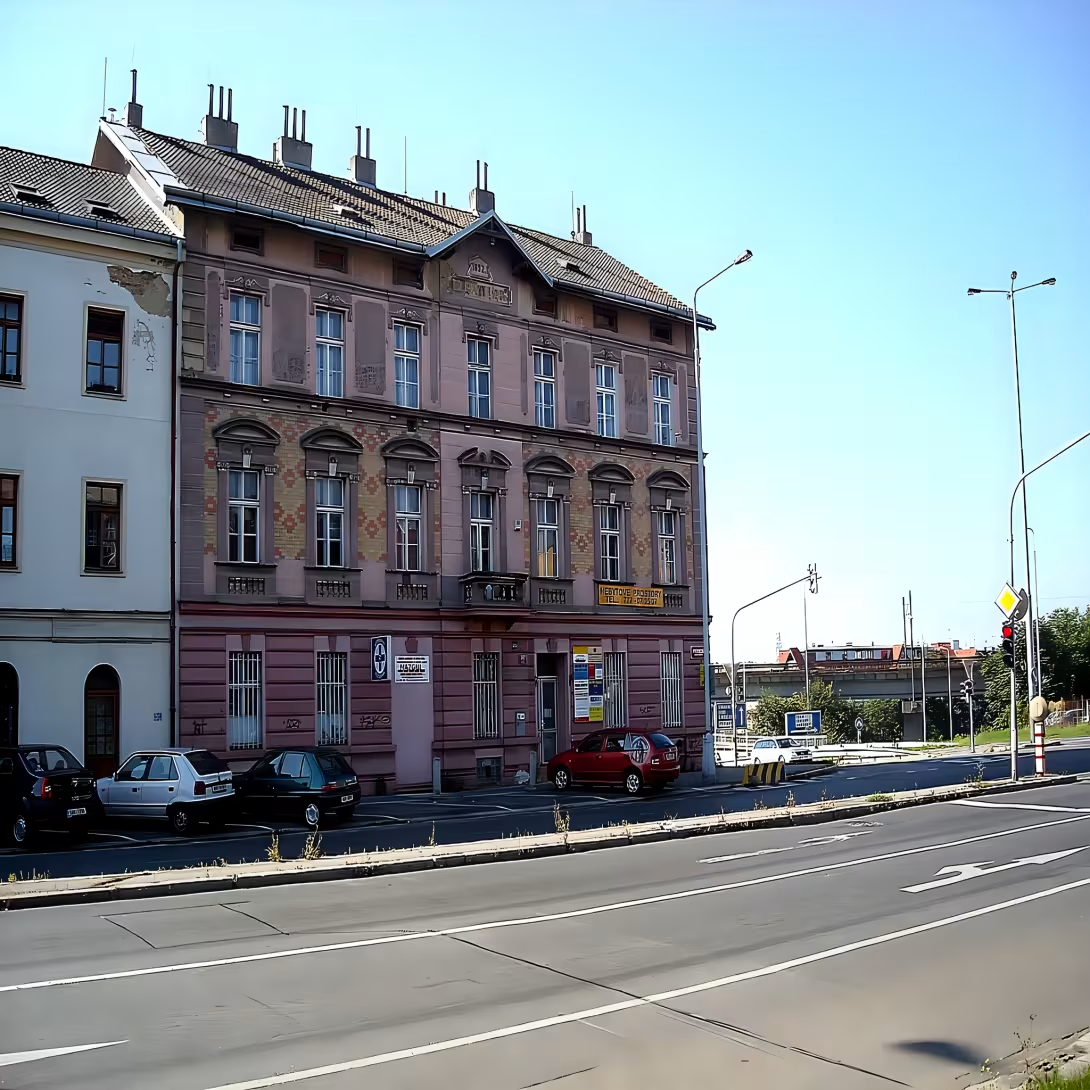
Prosecká is an important street in Prague that links the districts of Libeň, Prosek, and Letňany. Established at the end of the 19th century, it has been crucial for local infrastructure since its inception. Initially known as Svatováclavská třída until 1904, when it adopted its current name, Prosecká reflects broader urban planning trends during a period of rapid development in Prague.
In the late 19th century, Prague experienced significant urbanization and industrial growth. This era brought substantial changes in city planning to accommodate increasing population and traffic demands. The establishment of Prosecká as an important thoroughfare aligns with these developments, serving as a vital link between key areas within the city.
The street has undergone several infrastructure changes over the years. In 1967, the Vysočanské or Prosecké estakáda was opened to alleviate traffic from a parallel street, reflecting ongoing efforts to improve transportation efficiency in response to urban expansion. Further developments included constructing a bridge over Průmyslový polookruh after 2000 and an extensive roundabout near the Letňany metro station, enhancing connectivity and accessibility.
Prosecká is surrounded by modern urban development, including residential areas and metro stations, underscoring its role in connecting significant infrastructure like the Pražský výstavní areál. The street's evolution mirrors Prague’s broader trends of growth and adaptation to meet contemporary needs.
In 2006, plans were announced for a major intersection redevelopment with the Libeňská spojka, indicating ongoing efforts to modernize and improve traffic flow in the area. This project was expected to be completed between 2012–2013, with full operation by 2015, although it may have been delayed due to coordination with related infrastructure projects.
Today, Prosecká remains a vital artery within Prague's urban landscape, offering accessibility to key locations and modern transportation facilities. Its historical significance and continuous development make it an essential part of the city’s infrastructure. Visitors can appreciate its role in connecting diverse parts of Prague while observing ongoing efforts to enhance urban mobility. This street is not only a testament to past planning but also a dynamic component of Prague's future growth, inviting exploration and appreciation for its contribution to the city's vibrant life.
Then and now
Drag the slider to compare how the landmark may have looked when it was built with the view today.
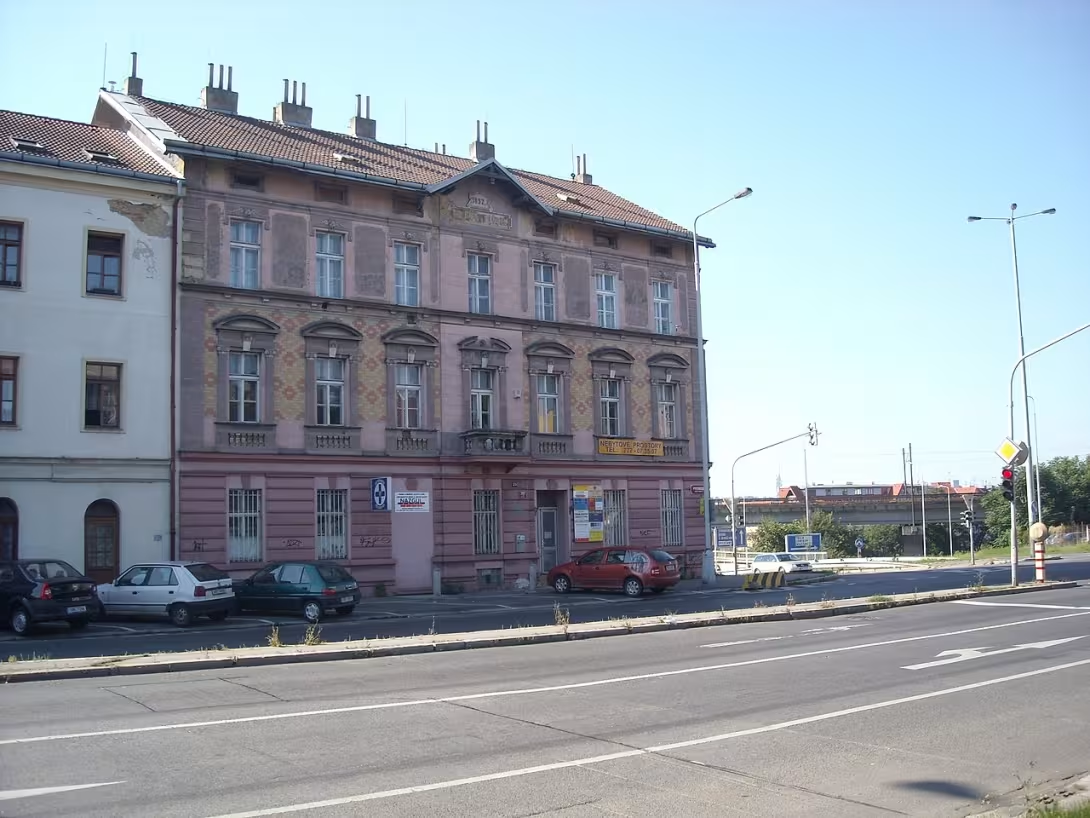
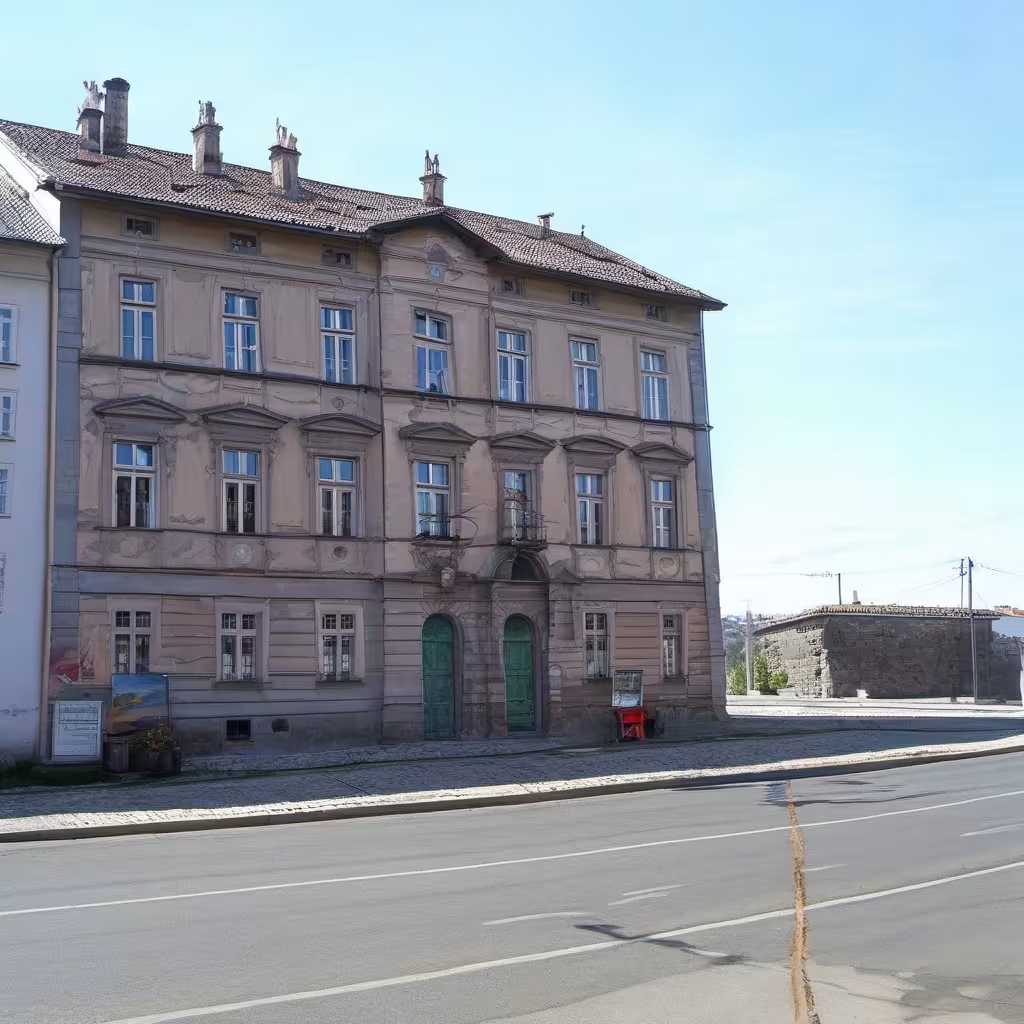
The historical appearance on the left is an AI-generated visualisation and serves as inspiration only.
Historical milestones
- end of the 19th century
- The founding of Svatováclavská třída street, later known as Prosecká.
- 1904
- The street was renamed to Prosecká.
- 1967
- Opening of the Vysočanský or Prosecký estakád for improved traffic flow.
- after 2000
- Construction of a bridge over Průmyslový polookruh and an extensive roundabout near the Letňany metro station.
- 2006
- Announcement of plans for the reconstruction of the main junction with Libeňská spojka.
- 2012–2013
- Completion of the project to reconstruct the roundabout, planned for full operation by 2015.
Architectural development
Prosecká underwent significant changes in its infrastructure and layout over the years. In 1967, the Vysočanské or Prosecké estakáda was opened to alleviate traffic from a parallel street. Further developments included the construction of a bridge over Průmyslový polookruh after 2000 and an extensive roundabout near the Letňany metro station.
Historical events
In 1895, the street was known as Svatováclavská třída.
The street's current name, Prosecká, has been used since 1904.
Points of interest
- Prosecká was originally named Svatováclavská třída until 1904, reflecting its historical connection to Saint Wenceslas before adopting a name that signifies its link to the nearby area of Prosek.
- The Vysočanské or Prosecké estakáda opened in 1967 as part of efforts to manage traffic congestion by providing an alternative route to a parallel street, highlighting the city's ongoing adaptation to growing urban demands.
- In the early 21st century, significant infrastructure enhancements included constructing a bridge over Průmyslový polookruh and developing a large roundabout near the Letňany metro station, illustrating continuous improvements in connectivity and accessibility.
- Plans announced in 2006 aimed to redevelop the major intersection with Libeňská spojka between 2012–2013, showcasing Prague's commitment to modernizing traffic systems, although delays may have occurred due to coordination challenges with related projects.
- Prosecká serves as a crucial link to Pražský výstavní areál and other key infrastructure, underscoring its role in connecting diverse urban areas while reflecting broader trends of growth and adaptation within Prague's evolving landscape.
Guide
This guide is narrated by a synthetic voice generated by artificial intelligence.
Show guide text
This text was created by artificial intelligence and has not been editorially reviewed. It may contain inaccuracies.
Welcome to Prosecká, a street rich in history and character nestled within the vibrant districts of Libeň, Prosek, and Letňany in Prague. As you stand here, take a moment to soak in the bustling energy around you, where modern life intersects with historical roots. This isn't just any street; it's a testament to urban evolution and connectivity.
Let's delve into its origins. At the end of the 19th century, this area was known as Svatováclavská třída, named after Saint Wenceslas, reflecting the deep-rooted historical connections of the region. By 1904, it had adopted the name Prosecká, signifying its link to the nearby area of Prosek and marking a new chapter in its identity.
As you look around, notice how this street has seamlessly integrated into Prague's urban landscape. While specific architectural details aren't highlighted here, take in the general atmosphere—the blend of old-world charm with contemporary infrastructure. This is a place where history meets progress.
Throughout its existence, Prosecká has played host to significant developments that have shaped local life. In 1967, the Vysočanské or Prosecké estakáda was opened, addressing traffic congestion and enhancing connectivity—a pivotal moment in the street's evolution. Fast forward to after 2000, and you'll find a major bridge crossing over Průmyslový polookruh, along with an extensive roundabout near the Letňany metro station, further underscoring its importance as a transport artery.
Between 2012 and 2013, Prosecká underwent a significant transformation. A project to reconstruct its main junction with Libeňská spojka was completed, originally planned for full operation by 2015. This not only improved traffic flow but also revitalized the area, making it more accessible and vibrant than ever.
While specific architects or historical figures associated with Prosecká aren't documented here, the street itself is a character in its own right—a silent witness to Prague's growth and changes over decades.
Now, let me share something intriguing. Did you know that before becoming Prosecká, this street was named Svatováclavská třída? This name change reflects more than just a shift in nomenclature; it signifies the area's evolving identity and its connection to broader urban planning trends.
As our journey through time concludes here at Prosecká, I invite you to explore further. Wander down this historic street, immerse yourself in its stories, and discover how it continues to shape and be shaped by those who traverse it. Thank you for joining me on this glimpse into Prague's past and present. Enjoy your exploration!
Tips for visitors
The best time to visit Prosecká, given its urban setting, is during the late spring or early fall when the weather is mild and pleasant for walking around the area. These seasons offer comfortable temperatures and vibrant surroundings without the crowds that summer might bring. Additionally, visiting on a weekday can provide a more relaxed experience as weekends tend to be busier due to local residents enjoying the amenities.
Transportation to Prosecká is convenient with multiple options available. The street is well-connected by public transport, including metro stations nearby which make it easily accessible from different parts of Prague. Always check current transportation options online to plan your visit efficiently.
When visiting Prosecká, consider bringing comfortable walking shoes as exploring the area involves a fair amount of walking. A light jacket or umbrella might be useful due to unpredictable weather changes in Prague. Since it's an urban area with modern infrastructure, you won't need specialized gear, but having a map or GPS on your phone can help navigate the surrounding streets and points of interest.
For photography enthusiasts, Prosecká offers several spots where the blend of historical architecture and modern development creates interesting contrasts. Early morning light provides soft illumination that enhances these features, making it ideal for capturing the street's unique character. The area around Pražský výstavní areál can be particularly photogenic with its mix of old and new structures.
Nearby attractions within a 30-minute travel radius include the Prague Exhibition Grounds (Pražský výstavní areál), which hosts various events and exhibitions. For families, consider visiting Letná Park, known for its panoramic views of Prague and playgrounds suitable for children. These spots offer both cultural experiences and leisure activities that complement a visit to Prosecká.
Frequently asked questions
Can the monument be visited?
Some buildings of this kind are open for guided tours, others serve another purpose or are privately owned. We have not verified whether and when this monument is open – please ask the operator.
What are the opening hours and admission?
We have not verified the opening hours or admission. Current information is published by the operator.
Where is the monument?
Location: Vysočany, Hlavní město Praha. The map on this page shows the exact spot.
Businesses nearby
Do you run a restaurant, accommodation, shop, museum, rental, wellness or other visitor service near this monument? Show yourself directly to the people heading to it — this is how they will see you in the app and on the web:
Events nearby

Zdroj akcí: otevřená data měst a obcí ČR (Národní katalog otevřených dat) a kalendář akcí Národního památkového ústavu.
Nearby
Prosecká is surrounded by urban development in Prague, including residential areas and metro stations. The street connects to significant infrastructure like the Pražský výstavní areál and features modern transportation facilities.
Accommodation nearby
Trips and activities nearby
Guided tours, tickets and activities nearby from GetYourGuide
Affiliate link: if you buy from the partner, we may receive a commission. The price for you does not change.
Search tours and activities →Themed route
Thematic Walking Tour: Prosecká and Its Urban Surroundings
1. Prosecká (Castle) - Type: Historical Site - Why Visit: Begin your journey at the historic site of Prosecká, a castle that offers a glimpse into Prague's past amidst modern urban development. Explore its architecture and learn about its historical significance as you set the stage for understanding the blend of history and contemporary life in Vysočany.
2. Pražský výstavní areál (Prague Exhibition Grounds) - Type: Cultural Venue - Why Visit: A short walk from Prosecká, this exhibition ground is a hub for cultural events and exhibitions. It showcases contemporary art and hosts various international events, providing insight into the vibrant cultural scene of Prague.
3. Metro Station Vysočanská - Type: Transportation Hub - Why Visit: Located conveniently near Prosecká, this metro station is an excellent example of modern urban infrastructure in Prague. It connects visitors to other parts of the city and offers a quick glimpse into the efficient public transportation system that supports the bustling metropolis.
4. Metro Station Nádraží Veleslavín - Type: Transportation Hub - Why Visit: Continue your exploration by visiting this nearby metro station, which serves as a vital link in Prague's extensive metro network. It provides an opportunity to observe the integration of transportation facilities within residential areas and their role in urban connectivity.
5. Residential Areas - Type: Urban Landscape - Why Visit: Conclude your tour by strolling through the surrounding residential neighborhoods. These areas reflect modern living in Prague, offering a contrast between historical sites like Prosecká and contemporary urban life. Enjoy the blend of architecture and community spaces that define Vysočany.
This thematic route highlights the unique juxtaposition of history and modernity in Vysočany, providing an enriching experience through its key landmarks and infrastructure.
Seasonal recommendations
Spring: Visiting Prosek Castle during the spring offers a unique experience as nature awakens with vibrant colors and fresh blooms, creating an enchanting atmosphere around the historic site. The soft light of longer days enhances the beauty of the castle's architecture and surrounding gardens. This season is perfect for photography enthusiasts who wish to capture the lush greenery against the backdrop of historical structures. Visitors should be prepared for occasional rain showers by bringing a waterproof jacket or umbrella, as spring weather can be unpredictable. While the crowds are generally moderate, arriving early in the morning can provide a more serene experience.
Summer: The summer months at Prosek Castle bring warm temperatures and extended daylight hours, ideal for exploring the castle grounds thoroughly. This is also the peak tourist season, so visitors should expect larger crowds, especially on weekends and holidays. To avoid long lines, it's advisable to arrive early in the morning or later in the afternoon when it might be cooler. Comfortable walking shoes and light, breathable clothing are recommended due to the heat, along with a hat and sunscreen for protection against the sun. The vibrant summer atmosphere is perfect for picnics in nearby parks.
Autumn: Autumn at Prosek Castle presents a picturesque setting as the foliage turns into rich shades of orange, red, and gold, creating a magical ambiance around the historic site. This season offers a more tranquil experience compared to the busy summer months, with fewer visitors enjoying the cooler temperatures and crisp air. The light during this time is particularly flattering for photography, casting long shadows that accentuate the castle's features. Visitors should dress in layers to accommodate the variable weather, which can range from warm days to chilly evenings.
Winter: Winter transforms Prosek Castle into a serene winter wonderland, with snow often blanketing the landscape and providing a stark contrast against the historic architecture. The shorter daylight hours mean that visits are best planned for early afternoons when there is still ample light to explore the castle grounds. Due to the cold weather, it's essential to dress warmly in layers, including thermal clothing, gloves, and a hat, as well as wearing sturdy boots for any icy paths.
Visualizations and artistic views


The visualisations are generated by artificial intelligence and serve as inspiration.
Photos from the area
Real photos taken near the monument


Zdroj a licence jsou uvedeny u každého snímku.
Tips from visitors
No tips yet. Be the first!
Log in and add your tip.
Sources and literature
Photos: Leotard / Public domain, rozlišení zvýšeno umělou inteligencí — Wikimedia Commons. The author and licence also appear when you hover over the image.
Faktickým podkladem tohoto textu byl článek na Wikipedii, jehož autory jsou přispěvatelé Wikipedie. Článek je dostupný pod licencí CC BY-SA 4.0.
Location on the map


Příběhy a pověsti
Legendy, pověsti a příběhy spjaté s touto památkou
Fotografie návštěvníků
Zatím žádné fotografie. Buďte první, kdo přidá fotografii z návštěvy!
Log in a přidejte svou fotografii nebo hodnoťte.
Za ověřenou návštěvu v aplikaci získáte víc bodů — poznáme podle GPS, že jste na místě.
Reviews and comments