



Purkhybl Ruin
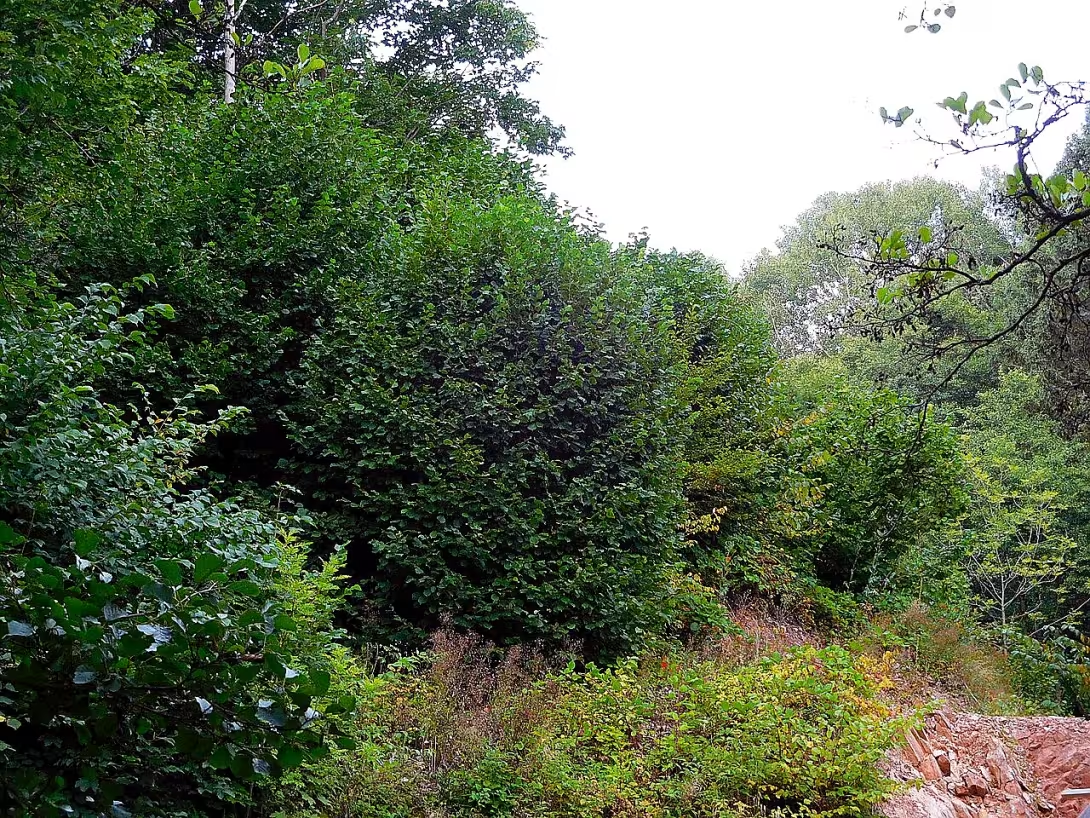
Purkhybl, also known as Burghübl in German, is a medieval ruin located in the eastern Krkonoše Mountains near Černý Důl. This historical site served as a strategic stronghold during the mining colonization of the region in the fourteenth century. Although it was abandoned by the sixteenth century, Purkhybl remains notable for its role in Bohemia's fortification efforts and its intriguing architectural remnants.
The origins of Purkhybl are linked to increased mining activity in the Krkonoše Mountains during the fourteenth century. Historical records suggest it was constructed as a defensive outpost rather than a residential structure, reflecting the region's need to protect valuable resources. The exact details about its builders and initial purpose remain largely undocumented. However, its strategic location on a rocky outcrop above the confluence of the Čistá and Smrčiny streams indicates its importance in regional defense.
Architecturally, Purkhybl was originally a two-part fortress built on a rocky island. Stone quarrying activities over time have significantly shaped its current form. The main keep measures approximately 15 × 7 meters, though it is believed to have been larger initially. Historical sources suggest the structure likely included a tower-like building within its confines, although specific details about its design and construction materials are not well-documented.
Ownership of Purkhybl changed hands in the early sixteenth century when Kryštof z Gendorfu acquired it in 1533 along with other properties in the area. Prior to this acquisition, the site was mentioned in sale agreements of the Vrchlabí estate in 1532 as an existing location but had already been abandoned by 1561, referred to then as a deserted castle.
The historical significance of Purkhybl is further highlighted by its mention in sixteenth-century documents. In 1532, it was referenced in sale agreements related to the Vrchlabí estate, and by 1561, it had been noted as a deserted structure. These references underscore its transition from an active stronghold to a relic of the past.
Today, Purkhybl stands as a testament to the region's medieval history and mining heritage. While much of its original structure has succumbed to time and human activity, the site remains accessible for those interested in exploring Bohemia's historical landscape. Visitors can appreciate the rugged beauty of the Krkonoše Mountains while reflecting on the strategic importance Purkhybl once held.
Purkhybl offers a unique glimpse into the past, inviting history enthusiasts and curious travelers alike to explore its ruins and imagine the stories they hold. Its enduring presence in the eastern Krkonoše Mountains makes it a worthwhile destination for anyone interested in medieval fortifications and Bohemian history.
Then and now
Drag the slider to compare how the landmark may have looked when it was built with the view today.
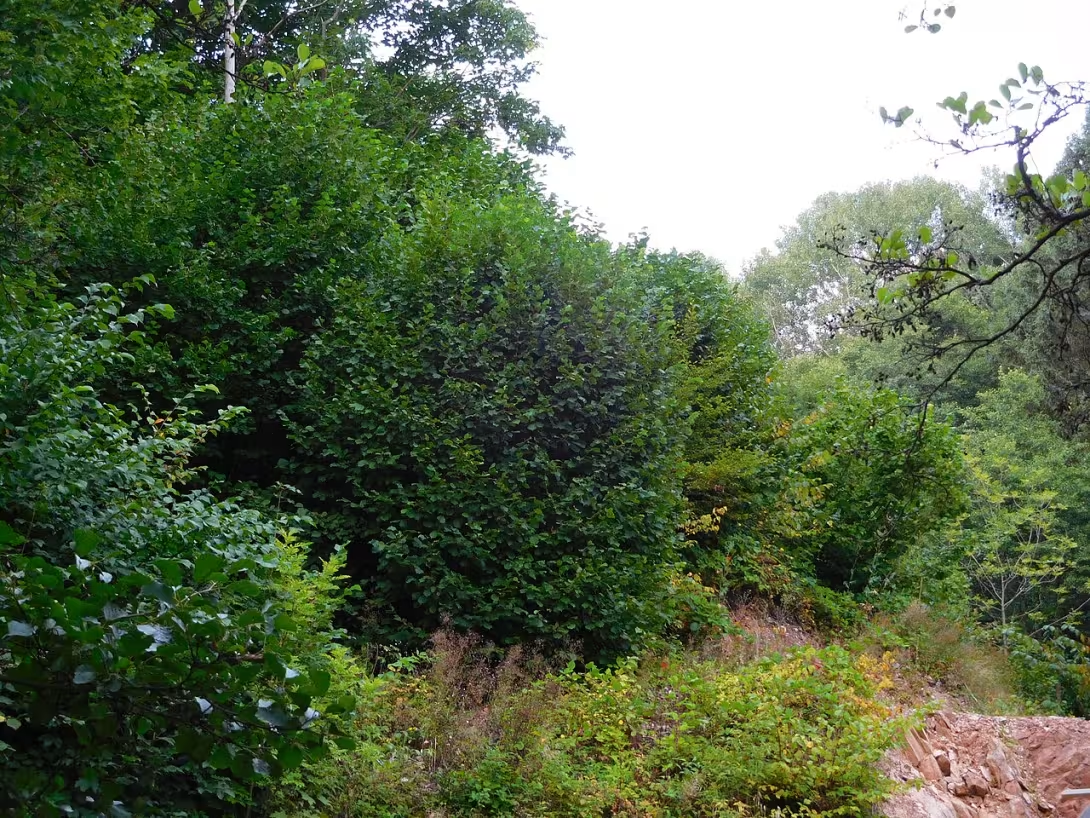

The historical appearance on the left is an AI-generated visualisation and serves as inspiration only.
Historical milestones
- 1532
- Purkhybl mentioned in sale agreements of the Vrchlabí estate.
- 1561
- Referred to as a deserted castle.
Architectural development
Purkhybl was originally a two-part fortress built on a rocky island. Its current form has been shaped by stone quarrying activities. The main keep measured approximately 15 × 7 meters, though it was likely larger initially. A tower-like structure is presumed to have existed within the site.
Historical events
Mentioned in sale agreements of the Vrchlabí estate in 1532 as an existing site.
Referred to as a deserted castle in 1561.
Owners
In 1533, Kryštof z Gendorfu acquired Purkhybl along with other properties in the area. Prior ownership details are not documented.
Points of interest
- Despite its strategic significance during the fourteenth century, the exact builders of Purkhybl remain a mystery, with historical records providing little information about who initiated its construction.
- The original structure of Purkhybl included a two-part fortress design on a rocky island, but stone quarrying over time has significantly altered its form, leaving only remnants that hint at its former grandeur.
- Although constructed as a defensive outpost, Purkhybl's exact initial purpose is not well-documented, reflecting the broader challenge of fully understanding medieval fortifications' roles in regional defense strategies.
- In 1533, Kryštof z Gendorfu acquired Purkhybl along with other properties, highlighting its transition from an active stronghold to a mere mention in property transactions before being abandoned by 1561.
- The site's location on a rocky outcrop above the confluence of the Čistá and Smrčiny streams not only provided strategic advantages but also contributed to Purkhybl's picturesque setting, blending historical intrigue with natural beauty.
Guide
This guide is narrated by a synthetic voice generated by artificial intelligence.
Show guide text
This text was created by artificial intelligence and has not been editorially reviewed. It may contain inaccuracies.
Purkhybl, in German Burghübl, is a vanished castle in the eastern Krkonoše Mountains. It stood on the southern edge of the small town of Černý Důl, between the settlement of Čistá, above the confluence of the Čistá stream and the Smrčina stream.
Little information has been preserved about the castle. All written sources date from the sixteenth century, when the castle was already abandoned. Purkhybl is first mentioned in 1532 in contracts concerning the sale of the Vrchlabí estate. From the contracts it emerges that in 1533 it was purchased by Kryštof z Gendorfu together with a part of Lánov and other properties in the surrounding area. Kryštof z Gendorfu then engaged in mining activities in this region. In 1561 Purkhybl is listed only as a desolate castle.
We do not even know the true name of the castle. According to historian August Sedláček, the designation Burghübl merely recalls the place where a castle once stood, while its original name was forgotten. It is assumed that Purkhybl did not serve as a residence. Rather, it was a stronghold during the mining colonization of the region in the fourteenth century.
The castle had two parts and stood on a rocky spur above the confluence of both streams. Its present appearance was significantly influenced by later stone quarrying. The access path led from the north. Before it reached the outer ward, it had to cross a double rampart and a ditch. From the castle core, an area measuring 15 by 7 metres has been preserved, though originally it was larger. A tower-like structure probably stood in it.
Tips for visitors
The best time to visit Purkhybl is during late spring through early autumn, specifically from May to September. During these months, the weather is generally mild, making it easier to explore the rugged terrain surrounding the ruins. Additionally, the lush greenery of the Krkonoše Mountains provides a stunning backdrop for your visit. However, if you're interested in photography and prefer softer lighting conditions, consider visiting during the golden hours—early morning or late afternoon.
Frequently asked questions
Can the monument be visited?
This is a ruin. Such sites are often freely accessible, but some can only be visited with a guide or are closed for safety reasons. We have not verified the current situation – take care and respect any restrictions.
Where is the monument?
Location: Černý Důl, Královéhradecký kraj. The map on this page shows the exact spot.
Businesses nearby
Do you run a restaurant, accommodation, shop, museum, rental, wellness or other visitor service near this monument? Show yourself directly to the people heading to it — this is how they will see you in the app and on the web:
Nearby
Located between the settlements of Čistá nad Čistou and Smrčiny, Purkhybl is near Černý Důl. The area features rugged landscapes typical of the Krkonoše Mountains.
Accommodation nearby
Themed route
Tematická výletní trasa: Zřícenina Purkhybl a okolí
1. Purkhybl (zřícenina) - Typ: Historická zřícenina - Proč stojí za návštěvu: Tato zřícenina, nacházející se mezi Čistou nad Čistou a Smrčiny, je fascinujícím svědkem historie. Purkhybl vám nabídne pohled na rozsáhlé panoramatické výhledy na Krkonoše a příležitost prozkoumat tajemství minulých dob, kdy zde stál hrad.
2. Černý Důl - Typ: Osada - Proč stojí za návštěvu: Tato malebná osada je ideálním místem pro odpočinek a krátkou zastávku na cestě. Černý Důl nabízí klidné kouty, kde si můžete užít přírodního prostředí a možná i návštěvu místních obchodků nebo restaurací.
3. Lesní stezka mezi Čistou nad Čistou a Smrčiny - Typ: Přírodní stezka - Proč stojí za návštěvu: Tato krásná lesní stezka vede přes typické krajinu Krkonošských hor. Je to ideální místo pro milovníky přírody, kteří si užijí pohled na divokou flóru a faunu regionu. Stezka nabízí klidný výlet s možností pozorovat různé druhy ptáků a stromů.
4. Okolní krajinářský pohled z Purkhybla - Typ: Pohlednice - Proč stojí za návštěvu: Z vrcholu zříceniny Purkhybl můžete užít jedinečného výhledu na Krkonoše. Tento pohled je ideálním místem pro fotografování a relaxaci, kde si můžete odpočinout a ocenit krásy přírody.
Tato trasa nabídne kombinaci historického zájmu a přírodních pohledů, což ji činí ideální pro celodenní výlet.
Seasonal recommendations
Jar: During the spring season, Purkhybl in Černý Důl transforms into a lively place as new leaves and flowers begin to enliven the ruins. Sunlight filters through the trees, illuminating the ancient architecture in stunning colors. This is an ideal time for a visit because there aren't too many crowds, and the atmosphere is peaceful. It's recommended to dress warmly on sunny days according to need, as the weather can be inconsistent. The best times are early mornings or late afternoons when the temperature is pleasant and sunlight has a gentler effect.
Léto: Summer at Purkhybl offers long days filled with sunshine that illuminates the ruins in incredible colors. This time of year is popular among visitors for ideal photography conditions and relaxation on outdoor spaces. However, due to the high number of tourists, the site can be very crowded, especially around midday. It's recommended to arrive early in the morning or later in the evening when temperatures are milder and there are fewer people. Don't forget sun protection cream and water.
Podzim: Autumn brings a unique atmosphere to Purkhybl as tree leaves change into golden and orange hues. The sun is lower in the sky, creating a magical lighting effect between the ancient architecture and nature. This is also an ideal time for a visit because there are fewer crowds than in summer. It's recommended to dress warmly for cold weather with layers and possibly an umbrella, as autumn weather can be changeable.
Zima: A winter visit to Purkhybl offers peaceful moments when the ruins are covered in snow, creating a thematically captivating image. Sunlight is less intense, giving the ancient walls a unique ambiance. This time is ideal for those seeking tranquility and relaxation without large crowds. It's recommended to dress warmly for extreme cold with leather jackets, gloves, and scarves, as winter weather can be harsh.
Visualizations and artistic views


The visualisations are generated by artificial intelligence and serve as inspiration.
Photos from the area
Real photos taken near the monument


Zdroj a licence jsou uvedeny u každého snímku.
Tips from visitors
No tips yet. Be the first!
Log in and add your tip.
Sources and literature
Photos: JiriMatejicek / CC BY-SA 3.0 — Wikimedia Commons. The author and licence also appear when you hover over the image.
Faktickým podkladem tohoto textu byl článek na Wikipedii, jehož autory jsou přispěvatelé Wikipedie. Článek je dostupný pod licencí CC BY-SA 4.0.
Location on the map

Příběhy a pověsti
Legendy, pověsti a příběhy spjaté s touto památkou
Fotografie návštěvníků
Zatím žádné fotografie. Buďte první, kdo přidá fotografii z návštěvy!
Log in a přidejte svou fotografii nebo hodnoťte.
Za ověřenou návštěvu v aplikaci získáte víc bodů — poznáme podle GPS, že jste na místě.
Reviews and comments