






rotunda svatého Václava (Štěpkov) Chapel
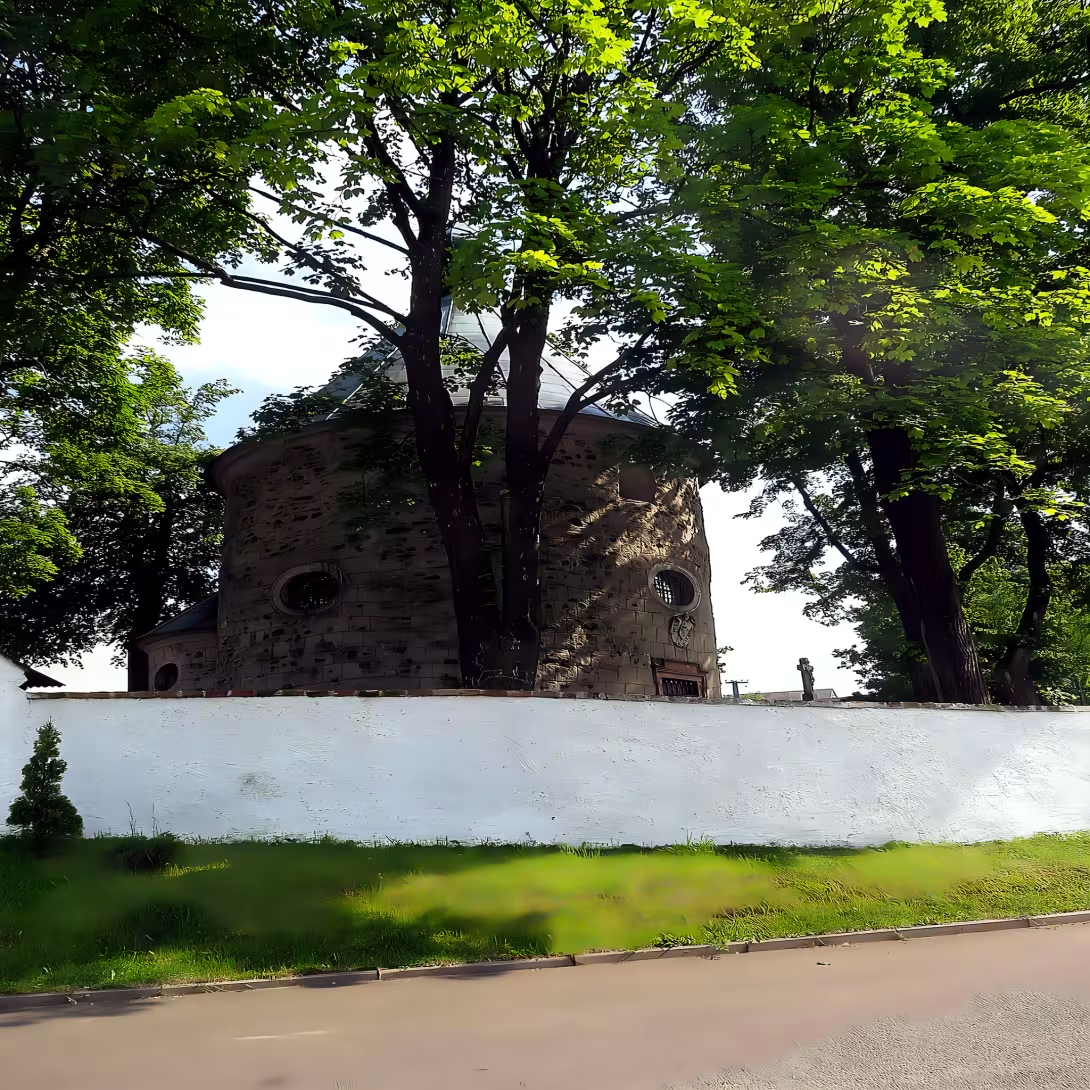
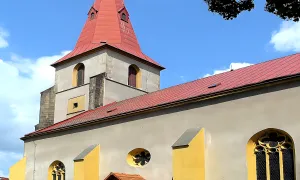
The Rotunda of St. Wenceslas in Štěpkov is a serena Romanesque chapel with a unique blend of styles. Sitting on a picturesque hill in a closed area. The construction at the turn of the 12th and 13th centuries has a circular plan with semi-circular apps. The chapel underwent baroque modifications later in its history. It is recognized as a cultural monument of the Czech Republic.
Rotunda was probably built in the 12th century at a time when Czechs experienced significant political and cultural development within the Premyslid dynasty. At this time, the architectural activity of Romanesque was increased throughout Europe, reflecting broader trends in church construction. The original purpose of the chapel was to serve as a fortified sanctuary and emphasize its strategic importance alongside its religious function.
Architecturally, the rotunda is built from a stone quarry and in the 17th century there is a Baroque dome. His facade is smooth, the windows intersect the surface and the southern portal, which has since been demolished. In the 1970s, the building underwent repairs, including self-help to restore the facade and ensure its protection for future generations.
Rotunda recorded various modifications and uses during its history. The main altar dedicated to St. Wenceslas was incorporated into the building between the 17th and 18th centuries. This amendment underlines the continued religious importance of the chapel. This connection also highlights the symbol of St. Wenceslas above the entrance vault.
The interior of the rotunda contains several important functions, including the statue of St. Wenceslas, flags probably from post-1863, and an altar with its image. These elements contribute to the rich historical narrative of the chapel and its role as a place of worship of St. Wenceslas.
Today, the Rotunda of St. Wenceslas is proof of the region's architectural and cultural heritage. It is accessible to visitors who want to explore its peaceful environment and appreciate its historical importance. Rotunda is a mixture of Romanesque and Baroque elements making it a unique place worth visiting for those who are interested in medieval architecture and history.
The Rotunda of St. Wenceslas offers a glimpse into the past, which attracts visitors to think about their historic journey and architectural beauty. His recognition as a cultural monument underlines his importance, making him a target for anyone who explores the rich heritage of the Czech Republic.
Then and now
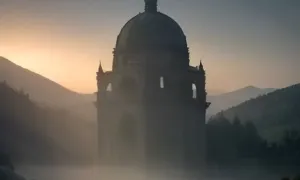
Drag the slider to compare how the landmark may have looked when it was built with the view today.
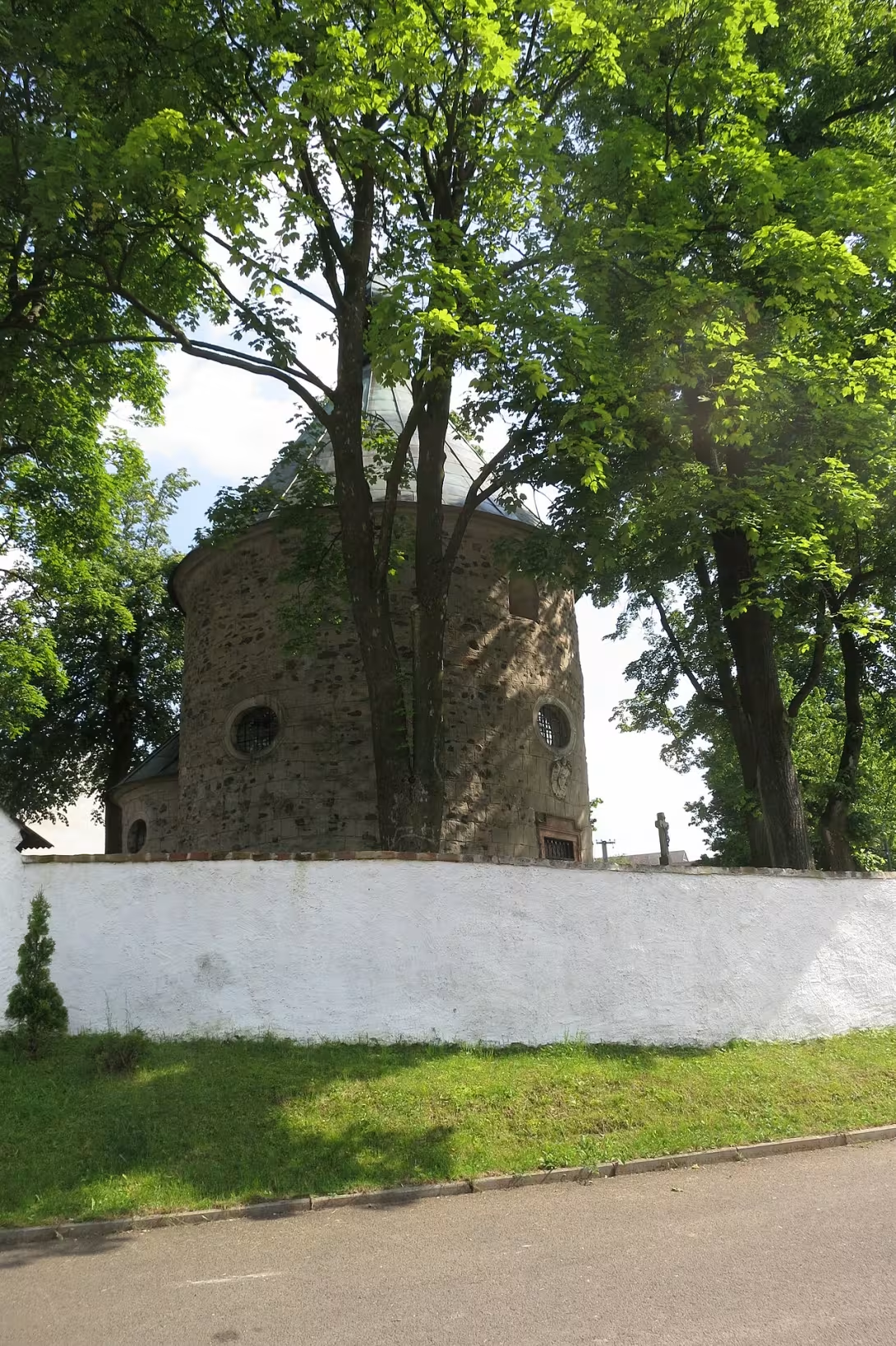

The historical appearance on the left is an AI-generated visualisation and serves as inspiration only.
Historical milestones
- around 1200
- Construction of the Saint Wenceslas rotunda in a possible number of Přemyslovas.
- 17th Century
- Hand over the baroque vault into the rotunda structure.
- between 17th and 18th century
- Incorporation of the main altar to St. Wenceslas.
- 1970
- Rotunda renewal, including a self-contained facade restaurant.
Architectural development
The Rotunda is originally built of stone and in the 17th century there is a Baroque dome. The facade is smooth with windows and a south portal that was knocked out. In the 1970s, the construction went through repairs, including self-help in the reconstruction of the facade.
Historical events
The Rotunda was probably built in the 12th century and served as a fortified sanctuary.
The main altar dedicated to St. Wenceslas was incorporated into the building between the 17th and 18th centuries.
Points of interest
- The Rotunda of St. Wenceslas was strategically placed on the hill, serving not only as a place of worship, but also as a fortified refuge during the turbulent period of the 12th century.
- Despite its peaceful appearance today, the chapel underwent significant Baroque modifications in the 17th century, including the addition of the dome which changed the original Romanesque structure.
- The southern portal of rotunda, once an entrance, was flogged over time, so visitors could be interested in stories and people who went through it centuries ago.
- An interesting feature is the symbol of St. Wenceslas above the entrance vault, symbolizing his lasting legacy and connecting to this sacred place throughout his history.
- The chapel has a flag that probably dates back to post-1863, which shows its continued use and importance in the Czech national identity long after its original construction.
Guide
This guide is narrated by a synthetic voice generated by artificial intelligence.
Show guide text
This text was created by artificial intelligence and has not been editorially reviewed. It may contain inaccuracies.
On a hilltop in the northern part of Štěpkov, in an enclosed area, stands the rotunda of Saint Václav, sometimes also called the chapel of Saint Václav. It belongs to the Roman Catholic parish of Domamil and is protected as a cultural monument of the Czech Republic.
It is an early medieval Romanesque structure dating from the turn of the twelfth and thirteenth centuries, or according to other sources, possibly already from the twelfth century. The rotunda has a circular ground plan with a semicircular apse. It was built from quarry stone, but later it was modified in the Baroque style and a brick superstructure was added. The Baroque dome became part of the chapel in the seventeenth century. The rotunda is related to the rotundas in Znojmo and in Podolí u Jemnice.
In the past, the building served not only for worship, but also as a fortified shelter. In the second floor beneath the roof there was a window facing west, and a staircase in the wall on the north side led to it. Today you reach the upper floor by a ladder in the middle of the building. A bell hangs up there.
The facade of the rotunda is smooth. Windows were pierced into it later, and on the south side there used to be a portal, which is now bricked up. In the lintel there is a cornice, and above it a brick with a coat of arms and the symbol of Saint Václav. A cartouche with the letter W refers to the Wallis family.
Inside the rotunda is a statue of Saint Václav and an altar with his image. The main altar was installed here at the turn of the seventeenth and eighteenth centuries and was dedicated precisely to Saint Václav. The furnishings also include a banner, which probably dates from after eighteen sixty-three.
In the nineteen seventies, the rotunda underwent repairs. The local people then restored its facade through voluntary community work.
Tips for visitors
The best time to visit Rotund St. Wenceslas in Štěpkov is at the end of spring or early autumn, when the weather is mild and the surrounding landscape is fresh greenery or lively falling colors. These seasons offer pleasant temperatures for walks around the chapel and provide a calm atmosphere that increases the historical environment of this Romanesque structure. In addition, a visit outside the top tourist season can mean fewer crowds, allowing for a more intimate experience.
Planning your trip using reliable travel apps or websites can help ensure that you have the most up-to-date information on how to achieve this picturesque hilly location.
When visiting the Rotund of St. Wenceslas, consider bringing comfortable walking shoes, especially if you plan to explore the surroundings. A light jacket is recommended because temperatures can change all day. In addition, carrying a bottle of water and some refreshments can improve your visit, allowing you to relax and enjoy a quiet setting at your own pace.
For photographic enthusiasts, the best places around the rotunda are those that capture its unique blend of architectural styles against the natural background. Early morning or late afternoon light provides soft shadows and warm shades that highlight the properties of the chapel beautifully. Exploring different angles from the hill can also offer stunning panoramic views to make for unforgettable photos.
Near attractions within a 30-minute drive include other historical monuments in the Vysočina region, offering a view of the rich cultural heritage area. These places provide additional context and interest for those who want to explore outside the rotunda itself. While specific details are not listed here, checking local guides or websites may offer more information about these nearby interesting places.
For families with children, visiting Rotund St. Wenceslas can be a wonderful experience. The open spaces around the chapel allow children to safely run and play at their own pace when exploring the historical site. Bringing a picnic lunch can turn your visit into a fun day in nature. In addition, involving children with stories about the history of rotunda or encouraging them to recognize architectural details can make experience both educational and entertaining.
Frequently asked questions
Can the monument be visited?
Religious buildings are usually open mainly during services; at other times a visit is normally arranged with the parish or the operator. We have not verified specific times.
Where is the monument?
Location: Štěpkov, Kraj Vysočina. The map on this page shows the exact spot.
Why is the monument protected?
It is listed in the Central List of Cultural Monuments of the Czech Republic as a cultural monument (register no. 35731/7-3080).
Businesses nearby
Do you run a restaurant, accommodation, shop, museum, rental, wellness or other visitor service near this monument? Show yourself directly to the people heading to it — this is how they will see you in the app and on the web:
Nearby
The chapel is located in the hilly grounds in the village Štěpkov, surrounded by rolling hills and agricultural land.
Accommodation nearby
Trips and activities nearby
Guided tours, tickets and activities nearby from GetYourGuide
Affiliate link: if you buy from the partner, we may receive a commission. The price for you does not change.
Search tours and activities →Themed route
This thematic cruise route will guide you to historical values in the circumstances of Štěpkov. We start at St. Wenceslas church downtown.
The next one goes to the next wall.
Another stop will be the cemetery, where you will find interesting products and monuments from the 19th century.
The signal is on the stone code.
Seasonal recommendations
Spring: Spring is an ideal way to build St. Wenceslas rotunda in Štěpkov, because the trip around the monument is in full decay. The woods are green and which, and the spirit is full of all the jar. The lighting is what it is, because the sun is right on the chapel, which knows the pleasant atmosphere. Now you want to visit the rotunda in the spring store, they are delivered to the warehouse because there are many tourists in the main summer service. The best times to set the rotunda in the spring session are from April to the city, when it is necessary to present and the time is in the decision.
Summer: Summer is the main sector for the determination of St. Wenceslas rotunda in Štěpkov. Lighting is mandatory, but the event is in the entire schedule and the spirit is dark. The best time to inject rotunda in the summer period is from when to August when it is usable warm and sunny.
Autumn: Autumn is a wonderful time to introduce the rotunda of St. Wenceslas in Štěpkov, the protozoa is full of colors. The woods are coloured red and gold, and the air is cold and black. The lighting is pleasant because the sun is holy right on the chapel, which boasts a pleasant harbor. Now you want to visit the rotunda in the autumn season, deliver the goods in, because it is recorded to cool and opening times may increase. The best times to increase rotunda in the field of competence are from the beginning to when it is applicable and the time is in the given colour.
Winter: Winter is a quiet season for demanding Saint Wenceslas rotons in Štěpkov. The lighting is nice, but the event is calm and the spirit is cold. Let us wear a warm siege because temperatures can be none. The best times that increase the rotunda as a result are from the time until February when it is necessary to cool and calm.
Visualizations and artistic views


The visualisations are generated by artificial intelligence and serve as inspiration.
Photos from the area
Real photos taken near the monument


Zdroj a licence jsou uvedeny u každého snímku.
Tips from visitors
No tips yet. Be the first!
Log in and add your tip.
Sources and literature
Photos: Jiří Sedláček / CC BY-SA 3.0, rozlišení zvýšeno umělou inteligencí — Wikimedia Commons. The author and licence also appear when you hover over the image.
Faktickým podkladem tohoto textu byl článek na Wikipedii, jehož autory jsou přispěvatelé Wikipedie. Článek je dostupný pod licencí CC BY-SA 4.0.
Location on the map


Příběhy a pověsti
Legendy, pověsti a příběhy spjaté s touto památkou
Fotografie návštěvníků
Zatím žádné fotografie. Buďte první, kdo přidá fotografii z návštěvy!
Log in a přidejte svou fotografii nebo hodnoťte.
Za ověřenou návštěvu v aplikaci získáte víc bodů — poznáme podle GPS, že jste na místě.
Reviews and comments