






Sedm zastavení bolesti Panny Marie v Kryrech Way of the cross
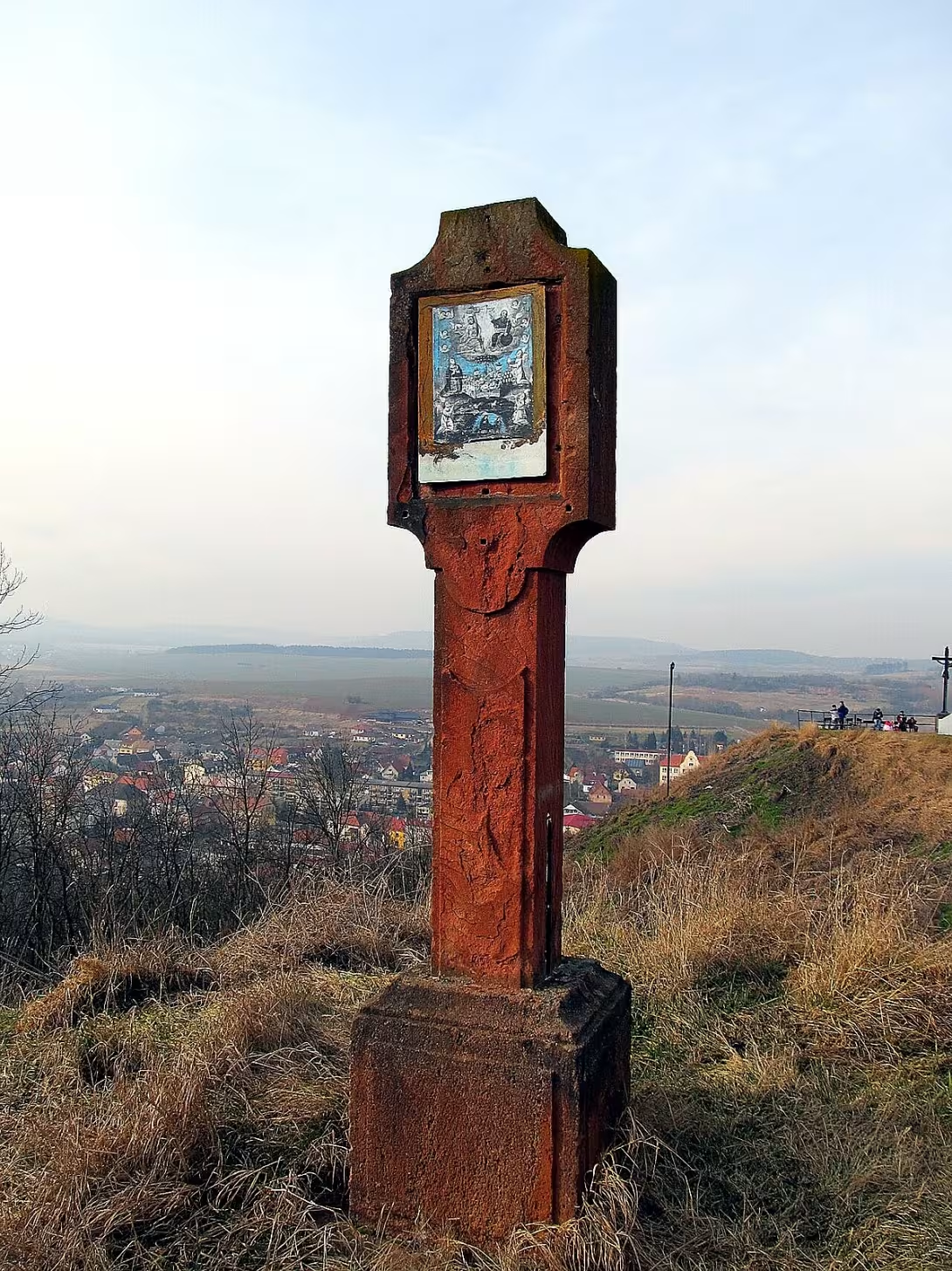
Sedm zastavení bolesti Panny Marie v Kryrech is a Baroque pilgrimage route located in Lounsk. The road next to the hill with a view southeast of the city is protected as a real cultural monument and represents an important part of the religious heritage of the area. From the Church of the Birth of the Virgin Mary at the top of the hill is a journey that was opened on 14 September 1764 and originally contained seven altars carved from a local red sandstone, each symbolizing one of the seven pains of the Virgin Mary.
The history of this journey is closely linked to the Baroque period in the middle of the 18th century, when religious pilgrimage tradition was widespread in Czech countries. The original altars with time became a subject of neglect and their ruins were overgrown in the forest, except for the last stop at the observation tower. As a result, the journey was restored, gravel washed and new altars made up of wooden crosses with pictures of the pain of the Virgin Mary were placed in her place. This process of reconstruction led to the reconsecration of the stop on 13 September 2014, reminiscent of the 250th anniversary of the original opening.
It is an architectural Baroque monument, which was originally equipped with sandstone altars and is now decorated with wooden crosses. This transition from stone to wood reflects not only aesthetic, but also practical decisions in the restoration of the monument. The original altars were so neglected that only the last stop was preserved, which underlines the importance and success of the subsequent renewal.
Owning and managing this monument are not fully documented in available sources. However, its historical importance and cultural value ensure that it has been carefully maintained and restored so that visitors can be reexamined today. Key events in the history of this monument include its original opening in 1764 and its renewal with a new consecration in 2014, which underlines the long tradition of religious worship associated with this journey.
Today, the Sedm zastavení bolesti Panny Marie v Kryrech is accessible to visitors who can look forward to the pilgrimage path leading to the beautiful bright. This monument is not only an important cultural and historical point but also offers an opportunity to reflect on the pains of the Virgin Mary and their symbolism within religious traditions. Visiting this monument is therefore not only a way to the past, but also an opportunity for personal reflection on the historical and spiritual aspects of this place.
This monument offers a unique view of the Baroque religious tradition in the Czech Republic and is an example of successful restoration of historical sites. Its importance for the cultural heritage of the region makes Sedm zastavení bolesti Panny Marie v Kryrech an essential destination for anyone interested in history and religious traditions. Visiting this monument is therefore a reminder of the rich history and spiritual life of the area that is worth exploring.
Then and now
Drag the slider to compare how the landmark may have looked when it was built with the view today.
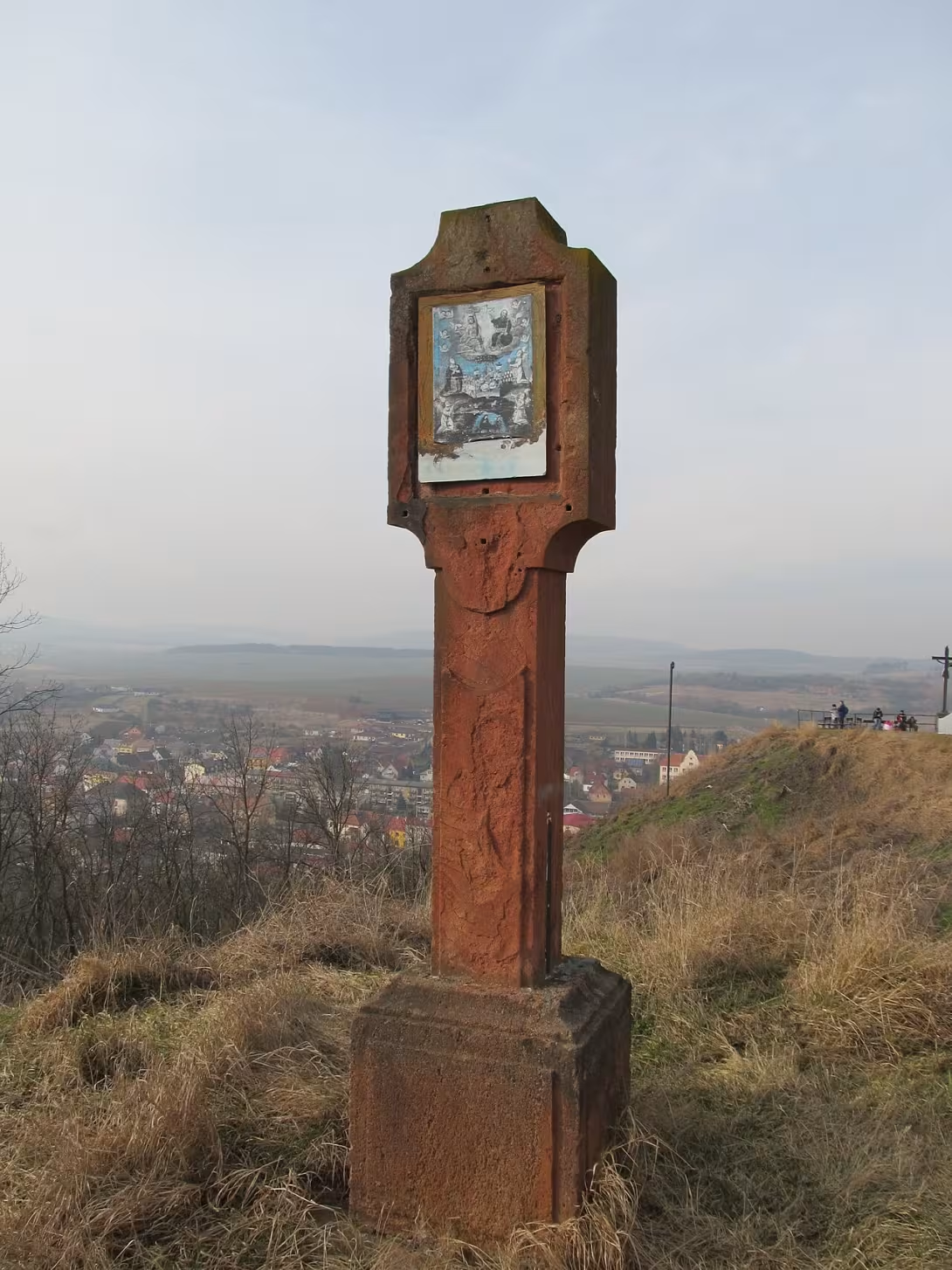
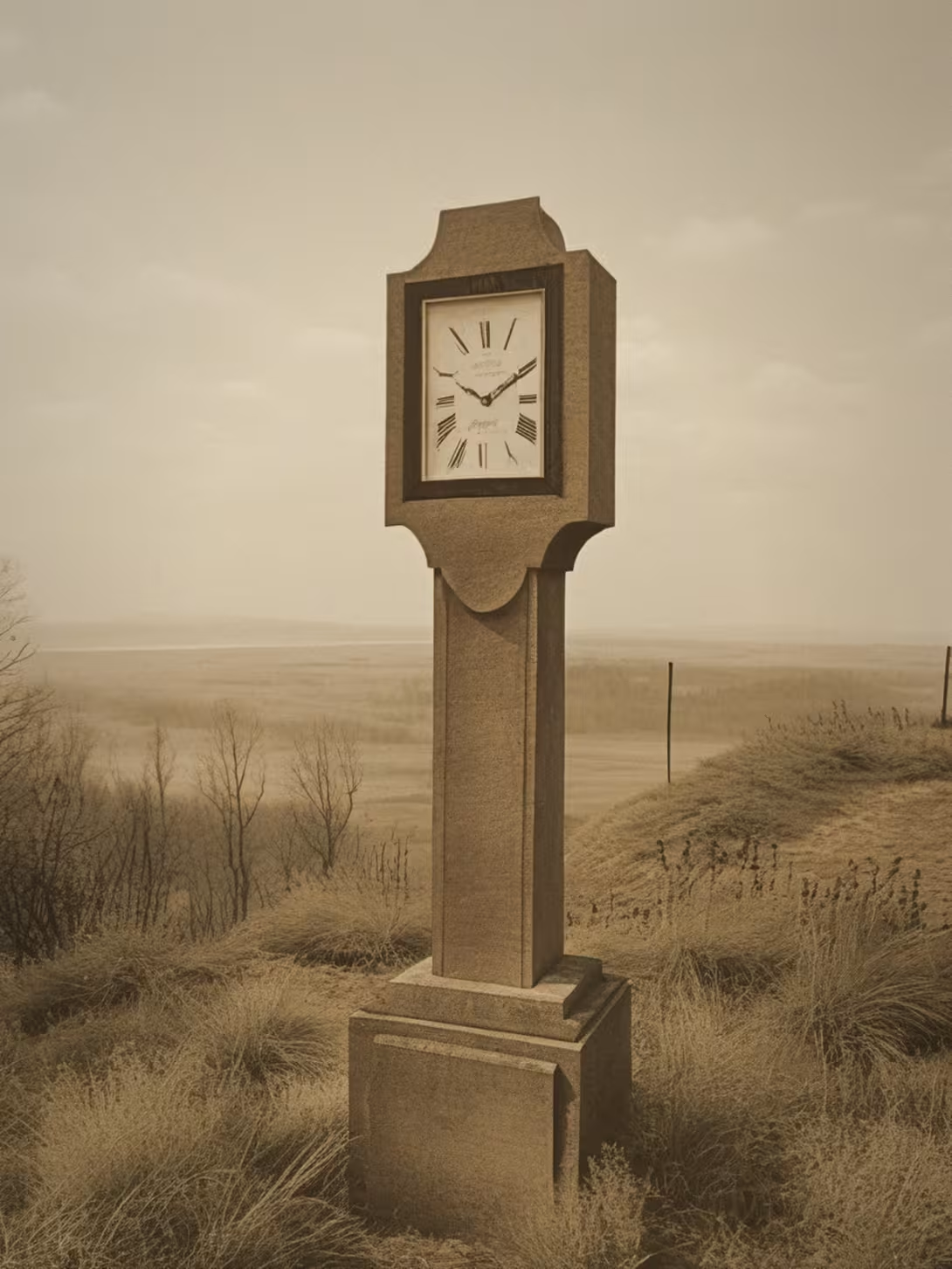
The historical appearance on the left is an AI-generated visualisation and serves as inspiration only.
Historical milestones
- 1764
- Opening seven stops of the pain of the Virgin Mary
- 2014
- Restoration and reconsecration of stopping
Architectural development
The original stops were altars made of red sandstone. After the period of neglect, the stops were restored using wooden crosses with pictures of the individual pain of the Virgin Mary.
Historical events
14 September 1764: Opening of the road; September 13, 2014: Restoration and reconsecration of stopping.
Points of interest
- Sedm zastavení bolesti Panny Marie v Kryrech is a baroque pilgrimage road located in Lounsk and protected as a real cultural monument.
- The road next to the hill with a view southeast of the city was opened on 14 September 1764 and originally contained seven altars carved from red sandstone.
- The original altars with time became a subject of neglect, except for the last stop at the observation tower, and the journey was restored by a new wooden cross.
- This process of reconstruction led to the reconsecration of the stop on 13 September 2014, reminiscent of the 250th anniversary of the original opening.
- The monument is an important cultural and historical point offering visitors an opportunity to reflect on the pains of the Virgin Mary and their symbolism.
Guide
Show guide text
This text was created by artificial intelligence and has not been editorially reviewed. It may contain inaccuracies.
Welcome to a place where history is bound to the calm of nature and where every step of the way tells the story of faith, time and renewal. You are standing at the very beginning of the expedition, which will guide you through the historic pilgrimage in the Kryr. In front of you, there is a path leading up the hill, towards a local, clear road that rises above the surrounding landscape. Feel this atmosphere - the silence of the forest, the smell of surrounding vegetation and the feeling that you are just entering a space that has its own deep soul. This journey is not just an ordinary path for walking, but it is a living monument that invites you to think and to a slower pace of movement.
Let us now return to the time when everything began so that you can better understand the meaning of the place where you are currently spending your time. This whole pilgrimage journey, consisting of seven stops of the pain of the Virgin Mary, was first opened on the 14th of September in the year a thousand seven hundred sixty-four. Imagine that time, the era of the Baroque era, when religious piety and the search for spiritual connections through beautiful, symbolic paths were very lively. This journey was designed as a journey for pilgrims who could remember the suffering of the Virgin Mary through seven stops and find peace or sanctification in this spiritual process. The whole of this complex, located in the lounges, was seen from the beginning as an important place for local and wider surroundings.
Now that you are preparing for your journey, pay attention to what you should look for and what you should notice. Although the view of today's journey may seem more simple, in its foundations is hidden treasure from the eighteenth century. Originally, each of these seven stops was carved directly from the local red sandstone. Imagine the work that the craftsmen had to have been doing when they were looking for shapes in this specific stone that would express the sacred importance of every stop. The red sandstone, which is typical for this area, provided a unique appearance and a rich colour, which in contrast to the greenery of the forest was very moving.
Today, however, you see a different form of this tradition. Over the centuries, the fate of this monument has changed. Time and neglect caused the original stone works to disappear. Forestry began to take this path, and nature tried to absorb everything that people had created back into itself. It was a time when this journey became almost forgotten. In the end, only the last stop was preserved in the forest, which, as a lone witness to the past, remained in the depths of the green. It's fascinating how only one element could preserve the memory of this whole baroque entity.
But now look around you and perceive the present. Thanks to recent renewal, this journey is alive again. Today's stops, which you will meet on your journey, have a different form, which is in line with the new age, but still retains its spiritual importance. They are made of wooden crosses, on which are placed pictures. This change from heavy sandstone to wood and the painting brings a path of some lightness and at the same time allows pilgrims easier visual connection with each of the stops. Note the details of these crosses and try to find the link between the old sandstone altar world and today's world, trying to keep this tradition alive.
There's one interesting thing that might interest you if you keep walking. This journey is not only a historic path, but is protected as a real cultural monument. This means that its value for our heritage is recognised and its protection is a priority. The great milestone in her history was two thousand and fourteen. It was this year that the road was restored and the stop was reconsecrated. This event was like a new breath for this historical whole. It brought with it the restoration not only of physical elements, but also of the importance of the whole place. Thanks to this effort, we can walk on a path today that could otherwise have already been completely lost in the wilderness.
Although we don't know the names of the particular architects or artists who worked on the original sandstone altar in the eighteenth century, their work is still felt in every piece of this journey. They're anonymous creators who have left a trail of their work in a landscape that lasts even after I leave. This anonymity gives the place some mystery - who were these people? How did they feel when they carved the first stop into the red stone? These questions may accompany you during your exit.
Now we urge you to continue. Let yourself be led along the path towards the wide, located on the top of the hill. Every next stop you meet is an invitation to stop, to rest and to see the surroundings. Watch how the landscape changes, how the light changes between the trees and how you approach the destination of your walk. This journey is your time to contemplate and explore the beauty Kryry offers. We wish you a peaceful, inspiring and beautiful journey through the seven stops of the pain of the Virgin Mary. Enjoy every moment of this historic walk.
Tips for visitors
The best time to visit is spring and autumn months, when the weather is pleasant for walking up the hill and the colors of the local red sandstone stand out in fine light.
The location is available by car and by public transport; Check the current connection and parking possibilities in Kryra in the current search engines.
For your journey, wear comfortable shoes suitable for the field, plenty of drinking water and a photographic machine.
For the best pictures I recommend looking for the golden hour before sunset, when the red stone stops the most. Don't forget to capture the view from the lookout tower at the top.
With children, the journey can be turned into a short trip to find individual stops. In the immediate vicinity we recommend visiting the Church of the Birth of the Virgin Mary and coming out on the lookout.
Businesses nearby
Do you run a restaurant, accommodation, shop, museum, rental, wellness or other visitor service near this monument? Show yourself directly to the people heading to it — this is how they will see you in the app and on the web:
Events nearby
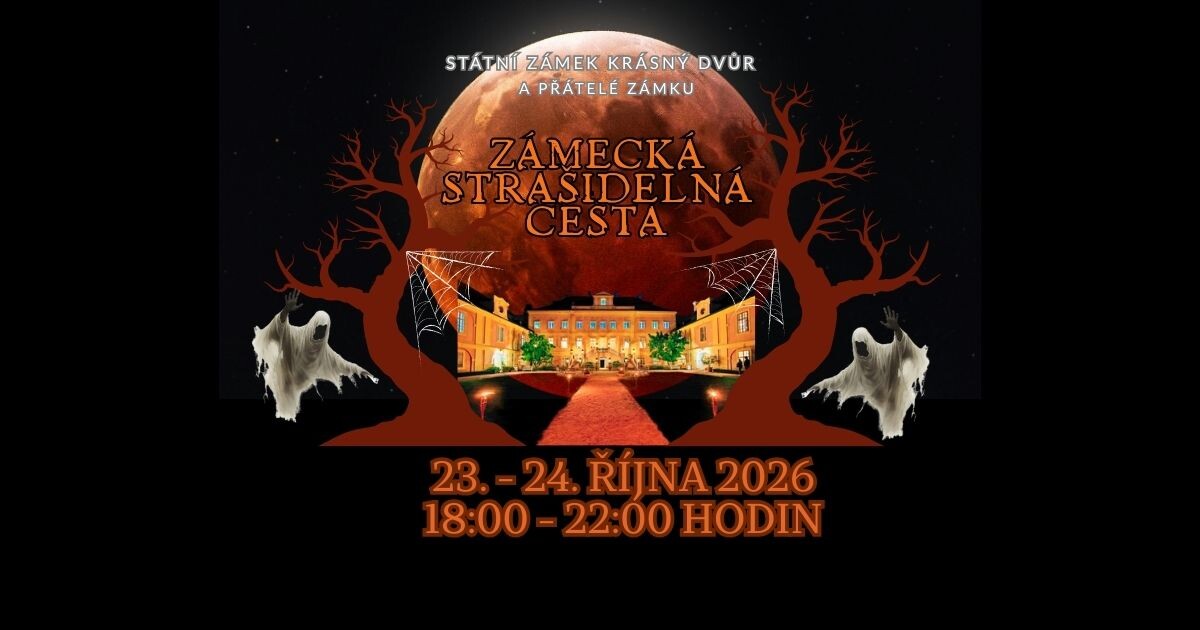
Zdroj akcí: otevřená data měst a obcí ČR (Národní katalog otevřených dat) a kalendář akcí Národního památkového ústavu.
Nearby
Church of the Birth of the Virgin Mary and lookout tower on top of the hill.
Accommodation nearby
Themed route
1.Sedm zastavení bolesti Panny Marie v Kryrech Type: Spiritual Path Why: This route offers visitors the possibility of walking with deep reflection over biblical scenes.
2. Church of the Birth of the Virgin Mary Type: Sacral monument Why: This building represents the historical and spiritual centre of the local area.
3. View on top of the hill Type: View Why: From this place you can admire beautiful views of the surrounding landscape.
Seasonal recommendations
Spring: In the spring season Sedm zastavení bolesti Panny Marie v Kryrech is revived by flowers and new tree leaves that illuminate the path to the monuments. Sun rays intersect with foggy air, adding a calm atmosphere for visitors. This season, it is advisable to visit a memory at an early spring time when the crowd is not yet getting there and bring a warm coat to a cooler afternoon or evenings.
Summer: Summer brings long days of sunlight that illuminate Sedm zastavení bolesti Panny Marie v Kryrech. Green vegetation is in full bloom and provides a pleasant shadow comfort for visitors who are trying to get here already this afternoon because of the warmth. The best time to visit is in the morning or evening to avoid the main doses of the crowd during the summer months. Bring light clothes and sunscreen.
Autumn: In the autumn period Sedm zastavení bolesti Panny Marie v Kryrech grows colours when tree leaves turn the landscape into vivid colors. The sunny days are short and warm, which creates a mild and peaceful atmosphere that is ideal for visiting the sights. Visit it during the autumn months with warm clothes and moisture protection to enjoy a mild climate.
Winter: Winter brings a cool atmosphere around Sedm zastavení bolesti Panny Marie v Kryrech. The sun's rays illuminate the snowfall, giving the monument a completely different look. The opening hours may be shorter and it is advisable to visit it early in the morning or in the evening when the crowd does not get there. Prepare to visit with warm clothes, moisture protection and perhaps with shoes suitable for snow or freezing conditions.
Visualizations and artistic views


The visualisations are generated by artificial intelligence and serve as inspiration.
Photos from the area
Real photos taken near the monument


Zdroj a licence jsou uvedeny u každého snímku.
Tips from visitors
No tips yet. Be the first!
Log in and add your tip.
Sources and literature
Fotografie: Krabat77 / CC BY-SA 3.0 — Wikimedia Commons. The author and licence also appear when you hover over the image.
Faktickým podkladem tohoto textu byl článek na Wikipedii, jehož autory jsou přispěvatelé Wikipedie. Článek je dostupný pod licencí CC BY-SA 4.0.
Location on the map
Příběhy a pověsti
Legendy, pověsti a příběhy spjaté s touto památkou

Fotografie návštěvníků
Zatím žádné fotografie. Buďte první, kdo přidá fotografii z návštěvy!
Přihlaste se a přidejte svou fotografii nebo hodnoťte.
Za ověřenou návštěvu v aplikaci získáte víc bodů — poznáme podle GPS, že jste na místě.
Reviews and comments