



Ševčíkův mlýn Water mill
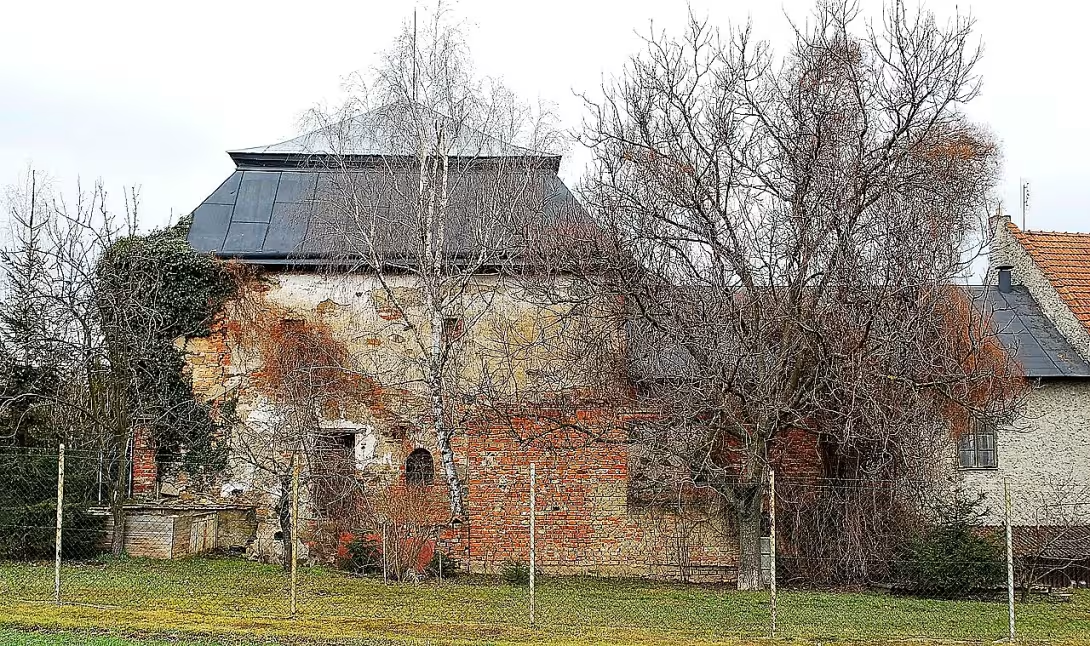
The Ševčík Water Mill in Domahlice, the local part of Prostějova, is a technical monument, the current form of which dates back to 1810. The building grew up on the site of an older mill, documented already in the 14th century, and represents an important proof of regional milling.
The oldest written mention of the mill at this place dates back to the 14th century, when it was the last known owner of Pešek ze Ptení. The current storey building was built in 1810, during the period of the Napoleonic wars and the beginning of the industrial revolution, which gradually changed the traditional agricultural nature of the countryside.
Architecturally, this is a classicist building, from which only the southern part has been preserved in its original state until today. The technical equipment of the mill included two vertical wheels located outside the main object. The water was brought to the drive by the shoulder of the Cloučela rivers, known as the Mlyn grate. Prior to the construction of the Plumlov dam, water flow was regulated by Stichovský and Zlechov ponds.
The property history of the building has been documented since the beginning of the 19th century. Since 1805 the mill was owned by manželé Ptáčkovi and František Opavský. In 1846 the property was transferred to the property of the family Ševček, according to which it bears its present name. The operation of the mill was definitively completed in 1955.
The monument is currently in an emergency state. Although the building is largely devastated, it remains an important testament to the technical developments around the river Zhlučela and the city of Prostějova. Visiting this place offers the opportunity to explore the history of traditional craft, which has been closely linked for centuries with water flow and landscape management.
Then and now
Drag the slider to compare how the landmark may have looked when it was built with the view today.
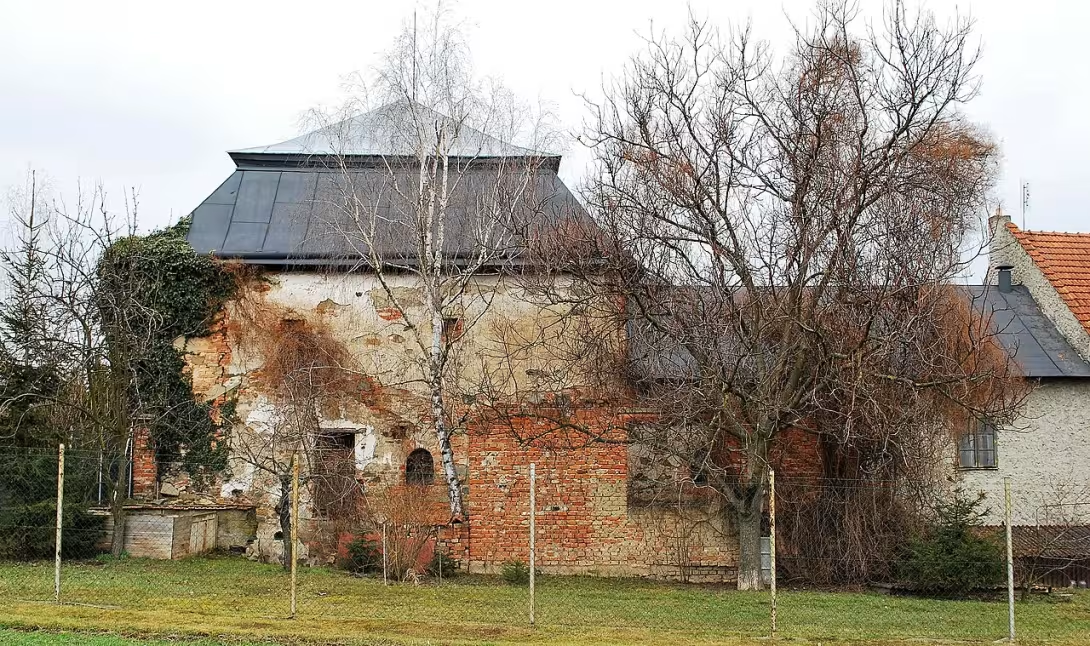

The historical appearance on the left is an AI-generated visualisation and serves as inspiration only.
Historical milestones
- 1810
- Construction of a new mill building.
- 1846
- The mill is transferred to the family of Ševček.
- 1955
- Final closure of the mill.
Architectural development
The current storey building was built in 1810 on the foundations of the medieval predecessor. The original technical equipment included two vertical wheels located outside the main building. Until today only the southern part has survived from the original building.
Historical events
14th century: the first written mention of the mill in this place. 1810: construction of the current mill building. 1955: closure of the mill.
Owners
In the 14th century Pešek ze Ptení, since 1805 manželé Ptáčkovi and František Opavský, since 1846 rodina Ševčíků.
Points of interest
- The current form of the mill dates back to 1810, with the older mill in this place being documented in the 14th century. - The last known owner of the mill in the 14th century was Pešek ze Ptení. - The technical equipment of the mill included two vertical wheels located outside the main object. - The water was driven by the arm of the Cloučela rivers called the Mill Mýnská Stroha and the water flow was regulated by the Stichovský and Zlechov ponds before the Plumlov dam was built. - The operation of the mill was definitively completed in 1955 and is currently in a state of emergency.
Guide
Show guide text
This text was created by artificial intelligence and has not been editorially reviewed. It may contain inaccuracies.
Welcome to Domashýce at Prostějov. Stop for a moment, take a breath and feel the atmosphere of this place. You are standing right in front of the Ševček Mill, a construction that carries centuries of history, fatigue, and prosperity. If you look at this building today, you may see in it, above all, signs of time and gradual decomposition, because the mill is in an emergency state. Yet, in your spirit, try to erase the layers of dust and silence, and imagine this place at the time of its greatest glory, when water was constantly humming and fine dust from ground grain flying through the air.
This object that you see before you, in its current form, dates back to 1810. It was this year that a new building was built that replaced the older building. But the history of this place doesn't just go back to the beginning of the 10th century. If we could turn back the clock, we would find that the mill had stood in this very place much earlier. The letter records lead us to the 14th century. Imagine what an incredible continuity that is. After more than six hundred years, people here used the power of water to feed the surrounding population. One of the oldest names associated with this place is Pešek ze Ptení, who was the last known owner of the mill in the 14th century. It is fascinating to think that even he once stood in the same place as you now and watched the stream of water that fueled his livelihood.
Now pay attention around the building and think about how this machine worked. The mill wasn't just an ordinary building, it was a complex technical organism. The key to his life was the River Shudder. The water wasn't brought from it at random, but through a sophisticated system. Notice the surrounding area and imagine a drive called the Mill Mound. It was this grate that led the water from the stream directly to the mill wheels. What is technically interesting about this mill is two vertical wheels. Unlike many other mills, where the wheels were hidden or integrated differently, this was located outside the main object. Imagine that look when the wheels were fully operational, how they were spinning, spraying water and moving their power through the shafts into the wnętri building, where they then spins heavy mill stones.
Now let's think about the people who lived and worked here. The mill wasn't just a factory, it was home. In 1846 the mill was transferred to the property of the family Ševček, from which the building received its present name. The Ševček family left a trail and the mill became part of their family heritage. In addition to them, other names appear in the history of this place, which formed the destinies of Domashovec. These included manželé Ptáčkovi or František Opavský. Each of them brought into service the mill its experience, its hopes and its worries. The mill industry was at that time highly respected, but also a demanding craft. It required knowledge of water, weather and grain itself. The miller had to be a technician, a businessman and an economy.
Today, when you look at the facade and the total silhouette of the building, feel the contrast between the current and today's silence. The operation of the mill lasted for centuries, but every era has its end. The final closure came in 1955. At that time, agriculture and grain milling changed radically. Modern power mills and large industrial cheddar mills appeared, which gradually pushed small water mills out of operation. So in 1955, the final turn of the wheels went silent, and the Mill Mound ceased to perform its main function. Since then, the building has slowly been subject to time.
Now you might wonder why this place is still important, even if it's no longer a German and its walls require saving. The answer is that Ševčíkův mlýn is a living testament to technical progress. It's a monument that reminds us of how people in the past have been able to use natural resources brilliantly without destroying them. The connection of the river Cloučela, the Mill Crouches and the vertical wheels formed a harmonious system that served the community for many generations. It is a place where the medieval tradition of the 14th century meets modern architecture from 1810.
Look around you again. Feel the silence that rules today where the loud friction of stones and the screams of men once ruled. It's something melancholy, but it's also inspiring. This mill tells us a story about the change of world. From Peshka of the Quest to the family of Ševček to the last windmills from 1955. Each of them added their chapter to the book of this place. Even though the construction is suffering from its emergency condition, its history remains unshakable.
Now I'm leaving you to view this place in peace from the outside. Walk around, think about the flow of water in the Dulchfront and imagine how much power was hidden in it. Imagine those two vertical mill mills spinning in the rhythm of nature. Ševčíkův mlýn is a reminder of a time when time was slower and man was much more bound to the rhythm of rivers and fields.
Thank you for accompanying me on this short journey through time. I hope that you have felt the spirit of this place and that this visit has helped you to better understand the importance of the Ševčík Mill for the Prostějova region. I wish you a pleasant continuation in exploring the surrounding area and remember that even in quiet ruins, the loudest stories often speak. Goodbye.
Tips for visitors
The best time to visit is during sunny days in spring or summer months, when the surrounding nature at the river Hlučela offers a pleasant atmosphere. Due to the emergency condition of the building, the visit is especially suitable for admirers of technical monuments who want to capture genius loci of historical mill from the outside in 1810.
You can easily reach the mill by car or public transport to the city area Prostějova. Check the exact connection in the current traffic connection search engine.
For a visit, wear fixed shoes suitable for field movement around the water stream and remember the camera. The best light to capture the authentic form of the mill is in the morning when the sun illuminates the facade of the building. Due to the emergency condition, do not examine the building from the inside and ensure your own safety.
In the immediate vicinity, you can visit the picturesque banks of the river Hlučela, which are ideal for walking. If you plan a longer trip, go to the Plumlov Dam or explore the historical centre of Prostějov, where you will find other cultural activities.
We recommend families with children to join the visit with a walk along the river Hlučela, where children can observe nature. Due to the emergency condition of the mill, it is necessary to keep children under constant supervision and not enter enclosed or dangerous parts of the building.
Frequently asked questions
Can the monument be visited?
This is a technical monument. Some are open as exhibitions, others are out of use or on private land. We have not verified whether this one is accessible. According to the heritage register the structure is in poor condition – do not enter it and take care nearby.
What are the opening hours and admission?
We have not verified the opening hours or admission. Current information is published by the operator.
Where is the monument?
Location: Prostějov, Olomoucký kraj. The map on this page shows the exact spot.
Why is the monument protected?
It is listed in the Central List of Cultural Monuments of the Czech Republic as a cultural monument (register no. 1000149676).
Businesses nearby
Do you run a restaurant, accommodation, shop, museum, rental, wellness or other visitor service near this monument? Show yourself directly to the people heading to it — this is how they will see you in the app and on the web:
Nearby
The river Dumbledore, the Plumlov dam, the city of Prostějov.
Accommodation nearby
Trips and activities nearby
Guided tours, tickets and activities nearby from GetYourGuide
Affiliate link: if you buy from the partner, we may receive a commission. The price for you does not change.
Search tours and activities →Themed route
City Prostějov - historic city. Ideal starting point: walking through the centre reveals the architecture of the 19th century, cafés and cultural atmosphere that will start the trip.
Ševčíkův mlýn - historical mill. A preserved water mill with an exhibition of local agriculture, where you can see the traditional technology and enjoy the view of the river. (approx. 2 km from Prostějova)
The river was Clumsy - natural water flow. A peaceful walk along the shore will allow you to observe local flora and fauna and offer a pleasant place to relax. (about 500 m from the mill)
Plumlov dam - water tank. Recreation zone with promenade, picnic possibility and panoramic views of the water area, great finish of the route. (about 3 km along the Hlučela)
Seasonal recommendations
Spring brings to the surroundings of Ševčík's mill the awakening nature, when the surrounding greenery gradually thickens and the air is fresh after winter. The lighting is soft and diffuse during this period, which underlines the ancient nature of the masonry, although the state of the building requires caution. The atmosphere is calm because tourists are still waking up from winter sleep. For visiting it is ideal to choose the morning hours when visibility is best and temperatures are still mild. Clothes should be laminated, with emphasis on waterproof jacket, as spring weather is usually variable and rain is frequent. Avoid weekends when the first groups of cyclists and hikers begin to accumulate, using improving conditions for trips.
Summer offers the longest days and brightest lighting, which reveals every detailed structure of emergency masonry and surrounding vegetation. Nature is in full bloom, creating a contrast between living environment and decrepit construction. The atmosphere is warm, but can be stuffy, especially in the afternoon. Due to the increased number of visitors in the main summer season, I recommend arriving as early as possible in the morning, ideally before nine o'clock to avoid crowds and intense sun. Clothes should be light, breathable and light, with the need to protect yourself from insects and sunlight using hats and glasses. Due to the emergency condition, care must be taken for fixed footwear with a good heel, because the terrain around the mill can be uneven and covered with high grass.
Autumn brings a unique atmosphere of golden and red shades of leaves surrounding the object and creating a dramatic background for photography. Lighting is lower and warmer, which highlights the texture of stone and wood. Nature prepares for sleep, making the surroundings quieter and less busy than summer. The best time to visit is late afternoon when the sun shines at an angle and creates long shadows. Clothes should be laminated, with an emphasis on thermal insulation, because temperatures are falling and the wind can be unpleasant. Avoid rainy days that are common during this period and, if possible, choose a dry day to make access to the building safer and less slippery.
Winter brings a quiet and almost mystical atmosphere to the surroundings of the Ševčík Mill, where snow covers the surrounding landscape and underlines the loneliness and decadence of the building. The lighting is short and pale, which creates a cold and calm impression. Nature is in resting mode, without insects and with minimal vegetation, which allows you to better see architectural elements that are hidden in other seasons. Due to shorter daylight and lower temperatures, I recommend a visit at the main lunchtime, when the sun is at its highest and temperatures are relatively highest. The clothing must be very warm, including gloves, caps and waterproof shoes with anti-slip soles, as the soil may be frozen or covered with ice. In advent time and around Christmas, the surroundings may be a bit busier, but the object itself remains calm, allowing a private and thoughtful visit.
Visualizations and artistic views


The visualisations are generated by artificial intelligence and serve as inspiration.
Photos from the area
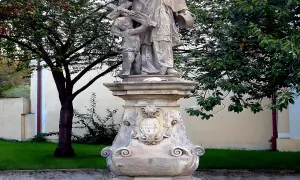
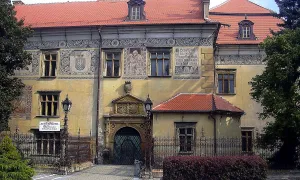
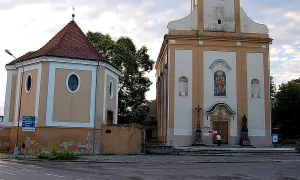
Real photos taken near the monument


Zdroj a licence jsou uvedeny u každého snímku.
Tips from visitors
No tips yet. Be the first!
Log in and add your tip.
Sources and literature
Photos: Wylliama / CC BY-SA 3.0 — Wikimedia Commons. The author and licence also appear when you hover over the image.
Faktickým podkladem tohoto textu byl článek na Wikipedii, jehož autory jsou přispěvatelé Wikipedie. Článek je dostupný pod licencí CC BY-SA 4.0.
Location on the map

Příběhy a pověsti
Legendy, pověsti a příběhy spjaté s touto památkou

Fotografie návštěvníků
Zatím žádné fotografie. Buďte první, kdo přidá fotografii z návštěvy!
Log in a přidejte svou fotografii nebo hodnoťte.
Za ověřenou návštěvu v aplikaci získáte víc bodů — poznáme podle GPS, že jste na místě.
Reviews and comments