






Sirotčí hrádek Ruin
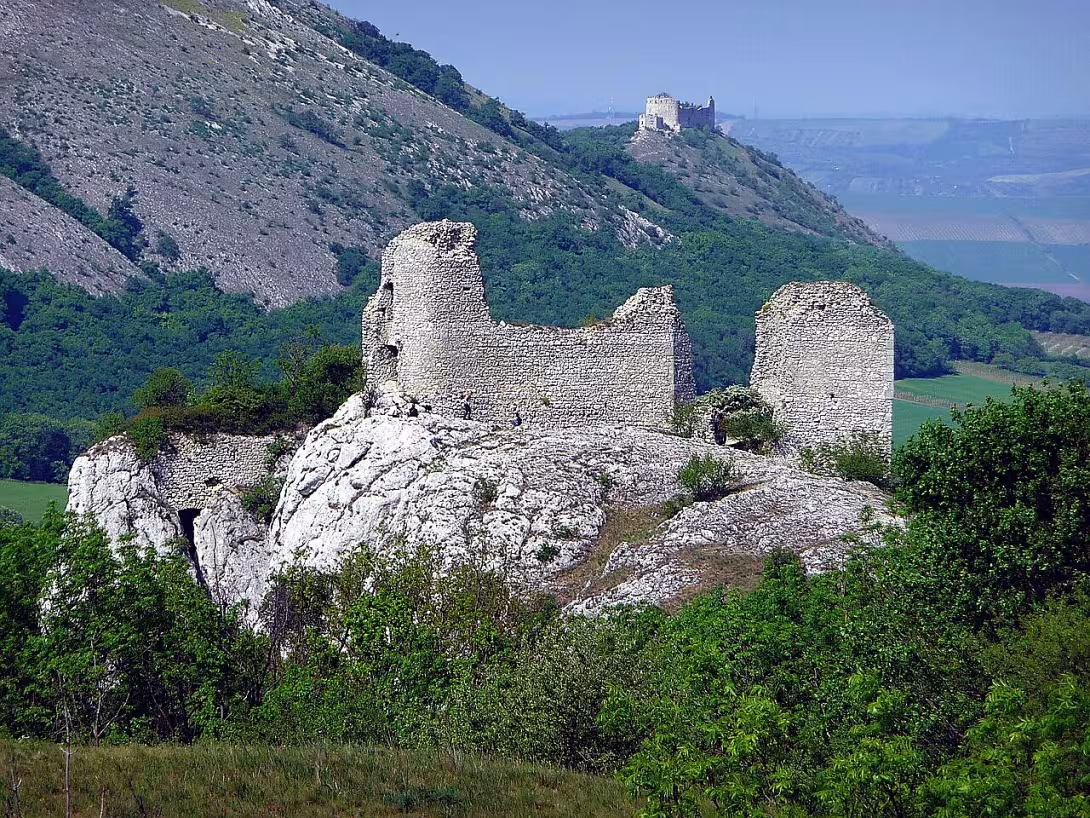
Sirotčí hrádek, also known as Orphanage Chateau or Rosenstein, is a captivating Gothic chateau located above the village of Klentnice in the Pavlov Mountains, in the South Moravian Region of the Czech Republic. This historical monument was built in the middle of the 13th century by the Swabian Wehingen family, which has been recognised as a cultural monument since 1958 because of its architectural importance and its storied past. The origin of the chateau dates back to Siegfried Sirotek, a branch of the line Wehingen, marking it as a remarkable milestone from medieval Bohemia.
The construction began in the middle of the 13th century on two limestone reefs divided by a deep gorge. This strategic position provided natural defence and showed gothic architectural prowess. The main part was built on a southern cliff with a three-story palace with several windows, some with pointed arches - a hallmark of Gothic design. The patrol tower stood on the north cliff, now inaccessible, stressing its defensive capabilities.
Owners have been through important families over the centuries. After the extinction of the Wehingen family, King Václav III won it in 1305. The chateau later came under the administration of the Liechtenstein and finally Ditrichštejns around 1575. Until then, the construction has fallen into a malfunction, as evidenced by the cadastral records from 1560, which he described as desolate.
History is enriched with legends such as Knights Chichos, a castelan associated with the Order of Templars. According to local legends, his refusal to join the Templars after the birth of his son led to the tragic consequences organized by the commander who executed Chičos and all other residents except one. This story adds a mystery to the history of the chateau.
Today, Sirotčí hrádek stands as evidence of medieval architecture and history, with remains such as a three-storey palace and parts of surrounding walls still visible. The site is located in the Nature Reserve Pink Hill and offers visitors not only historical views, but also picturesque views of the Pavlov hills. Its preservation as a cultural monument underlines its importance in the Czech heritage.
Visitors can explore this interesting ruin and immerse themselves in the rich tapestry of history it represents. The fusion of architectural relics, legends and natural beauties makes this place a useful destination for those interested in medieval history and Gothic architecture. His lasting legacy calls for examination and recognition of all who visit him.
Then and now
Drag the slider to compare how the landmark may have looked when it was built with the view today.
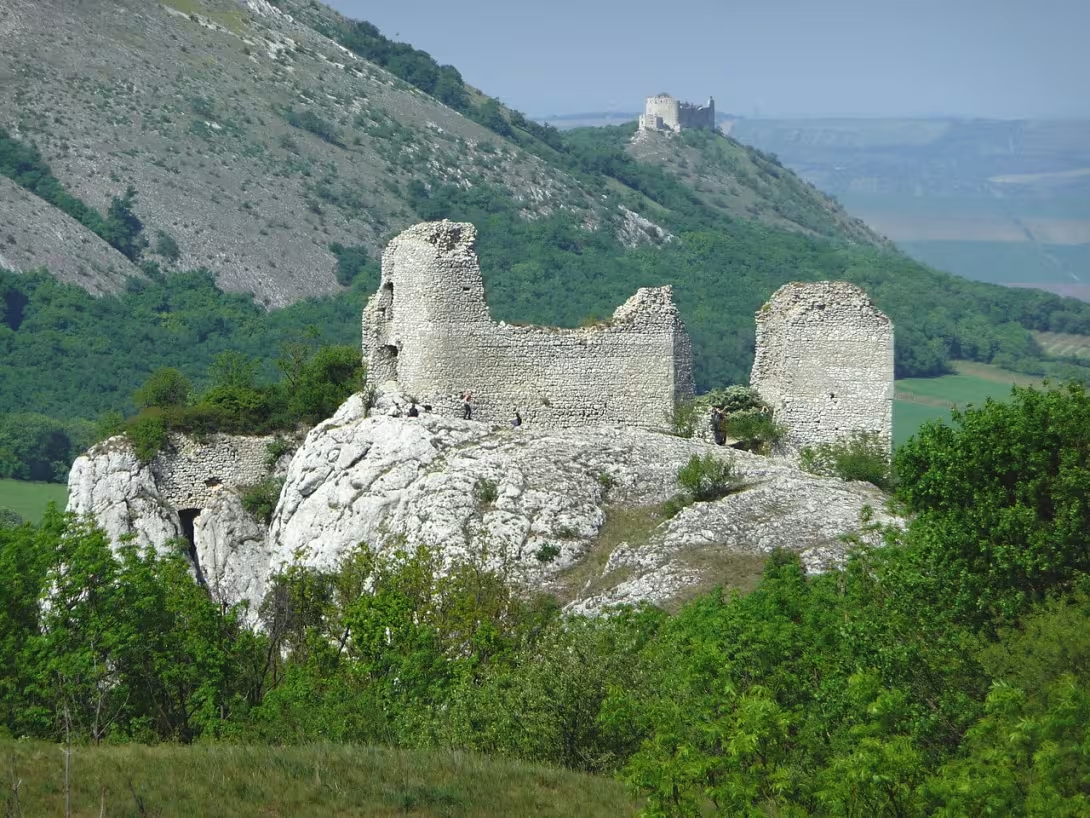
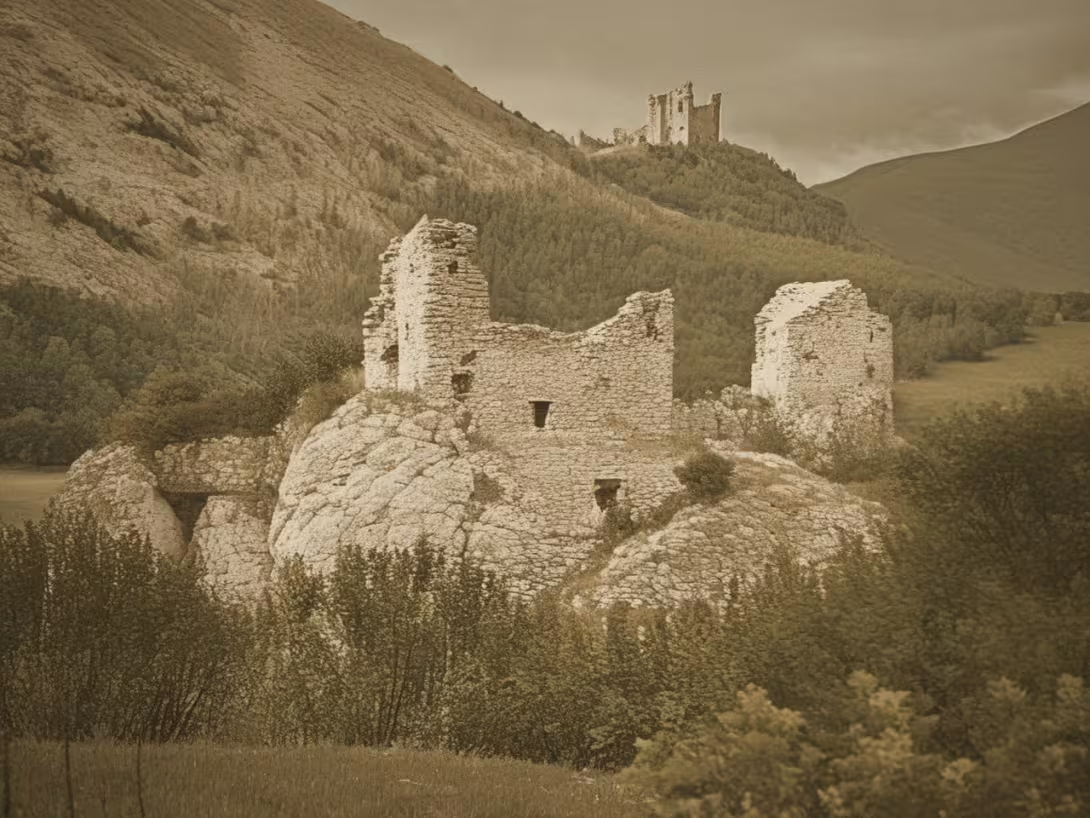
The historical appearance on the left is an AI-generated visualisation and serves as inspiration only.
Historical milestones
- 1250
- The construction of Sirotci Hradok begins with the Wehingen family.
- 1305
- King Václav III will acquire the chateau after the extinction of the Wehingen family.
- 1560
- The records describe the chateau as abandoned.
- 1575
- The chateau falls under the administration of the family of Liechtenstein and later the family of Ditrichstein.
- 1958
- Orphanage Hradek is recognized as a cultural monument.
Architectural development
Sirotčí hrádek was built on two limestone reefs divided by a deep gorge. The main part of the chateau was located on a southern cliff with a three-story palace with several windows, some with pointed arches. The patrol tower was standing on the north cliff, which is now inaccessible. The whole complex was surrounded by walls and palisades.
Historical events
Built by the Swabian Wehingen family in the mid-13th century.
Delivered to King Wenceslas III in 1305 after the extinction of Wehgen.
He became associated with Liechtenstein and later Ditrichstein, eventually fell into a crash by the end of the 16th century.
Owners
Originally built the Swabian Wehingen family, ownership transferred to King Wenceslas III in 1305 after Wehgens' extinction. Then he got under Liechtenstein and later, around 1575, to the Ditrichstein.
Points of interest
- Sirotčí hrádek is supposedly haunted by the spirit of Knight Kitty, who roams through ruins and complains about his tragic fate and the fate of his family. This legend adds spectral charm to the history of the chateau.
- The strategic location of the chateau on two limestone reefs not only provided natural defence, but also made it an ideal place to observe approaching enemies or travelers for miles, showing its double role as a fortress and a sightseeing point.
- Despite its sinister state today, Sirotčí hrádek was once the center of medieval activity, visiting meetings that included knights and nobles who would participate in tournaments and feasts within its walls, stressing its social importance during the Gothic period.
- The chateau architecture contains unique limestone engravings, which are supposed to represent symbols from the Wehingen family ridge that offer insight into their identity and values during the 13th century.
- The less well-known fact is that Sirotčí hrádek served as a refuge for local villagers at a time of conflict in medieval Bohemia, illustrating its role outside military defense as a refuge for those seeking protection.
Guide
This guide is narrated by a synthetic voice generated by artificial intelligence.
Show guide text
This text was created by artificial intelligence and has not been editorially reviewed. It may contain inaccuracies.
Welcome to the historical site Sirotčí hrádek, also known as the Orphanage Chateau or the Orphanage Chateau. As you stand here among the Pavlov mountains above the Klentnice, imagine the grandeur that once decorated this Gothic chateau. The remains whisper stories from centuries ago and call on you to explore the chapter of history carved into these limestone reefs.
The story of Sirotčí hrádek begins in the mid-13th century when Swabian Wehingen family was built. This strategic position served not only as an impressive fortress, but also as a symbol of power and protection during stormy times. By 1305, after the extinction of the line Wehingen, King Wenceslas III won the chateau, marking a new chapter in his storyteller existence.
As you wander through this page, notice how the ruins are set on two limestone reefs that offer breathtaking views that once served as a natural defense. Architecture talks about the art of the era and strategic planning. Even in the current state of decomposition, there is undeniable beauty for the remains of walls and towers that have resisted the test of time.
The history of Sirotčí hrádek is connected with remarkable families such as Liechtenstein and Ditrichstejny, who have managed the chateau since 1575. These influential figures contributed to his legacy and left behind stories of powerful fighting and noble efforts.
One charming legend associated with this site is about Knights Kitty, whose spirit is said to roam these ruins. His spectral presence adds a layer of mystery and attraction and invites you to think about the stories of tragedy and heroism that come through the stones.
At the end of our visit, I invite you to think about the rich tapestry of history around Sirotčí hrádek. Let your imagination wander in the past as you continue to explore this remarkable cultural monument. Thank you for joining me on this journey through time.
Frequently asked questions
Can the monument be visited?
This is a ruin. Such sites are often freely accessible, but some can only be visited with a guide or are closed for safety reasons. We have not verified the current situation – take care and respect any restrictions.
Where is the monument?
Location: Klentnice, Jihomoravský kraj. The map on this page shows the exact spot.
Why is the monument protected?
It is listed in the Central List of Cultural Monuments of the Czech Republic as a cultural monument (register no. 37530/7-1296).
Businesses nearby
Do you run a restaurant, accommodation, shop, museum, rental, wellness or other visitor service near this monument? Show yourself directly to the people heading to it — this is how they will see you in the app and on the web:
Natáčelo se zde
- O statečném kováři (1984) film
- Sedmero krkavců (1993) film
Zdroj: Wikidata (vlastnost „místo natáčení“) · Všechna filmová místa
Events nearby



Zdroj akcí: otevřená data měst a obcí ČR (Národní katalog otevřených dat) a kalendář akcí Národního památkového ústavu.
Nearby
Sirotčí hrádek is located near the village Klentnice, on the northern edge of Table Mountain in Pavlov Mountains. The site is located in the nature reserve Pink hill and offers picturesque views of the surrounding landscape.
Accommodation nearby
Themed route
Thematic cruise route: Sirotčí hrádek and surroundings
1.Sirotčí hrádek (grain) - * Type: * Historical country * Sirotčí hrádek is a fascination with the historical system, which represents the goods of the Gothic system from the 14th century. Visit this peace and miraculous silence, where you can imagine life in the past, with impressive delights on the surrounding landscape of Table Mountain.
2. Pink top (nature reservation) - * Type: * Natural reservation - * Why is it worth visiting: * This nature reservation offers on Sirotčí hrádek, but also deals with the possibilities of the rich biological ecosystem of the Pavlov Mountains. It is an ideal place for milestones of nature and photos where you can relax and beauty the wild.
3. Klentnice (villages) - * Type: * Local village - * Why is it worth a visit: * Klentnice is a picturesque village that has an authentic view of life in the South Moravian Region. Visit my place or search the architectural monuments, the abyss will learn about the history and culture of the region.
4. Table Mountain - * Type: * Postcards - * Why is it worth visiting: * Table Mountain is determined by specific production to the surrounding region, especially from the area of the Orphanage Chateau. It is an ideal place for photography and relaxation, which can lead to a panoramic tip and a sense of proportional withdrawal.
This route offers a combination of history, nature and culture experiences that are perfectly connected in the picturesque space of Klentnice and Pavlov Mountains.
Seasonal recommendations
Spring: The ruins of Sirotčí hrádek in Klentnice offer a unique experience as the surrounding landscape begins to awaken from winter sleep. During spring, flowering wild flowers and fresh greenery create a picturesque environment that enhances the historic charm of the site. This is an ideal time for photographing enthusiasts who appreciate the lively colors of nature against the background of ancient stones. Visitors should be prepared for occasional rain showers and wear laminated clothes to suit the fluctuating temperatures. The location is less crowded than in summer, allowing more peaceful exploration.
Summer: Summer in Sirotčí hrádek is an idyllic atmosphere with long daily hours ideal for exploring the vast foundations of ruins. The lush green provides enough shade, making it comfortable to roam even during warmer parts of the day. This is also the tip of the tourist season, so arriving early in the morning can help avoid larger crowds and ensure a quieter experience. Tanning cream, hats and light clothes are recommended due to increased exposure to the sun. Warm weather is an excellent time for picnics in the middle of nature.
Autumn: Autumn transforms Sirotčí hrádek into a canvas of amazing colors because the leaves turn from green to shades of red, orange and yellow. This season offers a magical atmosphere with colder temperatures that are ideal for peaceful walks around ruins. The site is particularly peaceful at this time, with fewer visitors than in summer, allowing an intimate experience with history and nature. Laminated clothing is suitable due to variable weather conditions, including possible rain or sharp wind.
Winter: Visit Sirotčí hrádek in winter represents a unique charm as snow covers ruins, creating a mystical scene directly from the fairy tale. The quiet pages during this season offer a peaceful refuge from the rush of everyday life. However, availability can be limited due to snow, so it is important to check conditions before visiting. Hot clothing is essential, including heat layers, hats, gloves, and robust shoes for navigating a potentially icy path. A shorter time of day means planning your visit at noon when more light is available.
Visualizations and artistic views


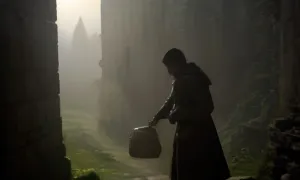
The visualisations are generated by artificial intelligence and serve as inspiration.
Photos from the area
Real photos taken near the monument


Zdroj a licence jsou uvedeny u každého snímku.
Tips from visitors
No tips yet. Be the first!
Log in and add your tip.
Sources and literature
Photos: Ondřej Žváček / CC BY 2.5 — Wikimedia Commons. The author and licence also appear when you hover over the image.
Faktickým podkladem tohoto textu byl článek na Wikipedii, jehož autory jsou přispěvatelé Wikipedie. Článek je dostupný pod licencí CC BY-SA 4.0.
Location on the map



Příběhy a pověsti
Legendy, pověsti a příběhy spjaté s touto památkou
Fotografie návštěvníků
Zatím žádné fotografie. Buďte první, kdo přidá fotografii z návštěvy!
Log in a přidejte svou fotografii nebo hodnoťte.
Za ověřenou návštěvu v aplikaci získáte víc bodů — poznáme podle GPS, že jste na místě.
Reviews and comments