






Sixtův dům Building
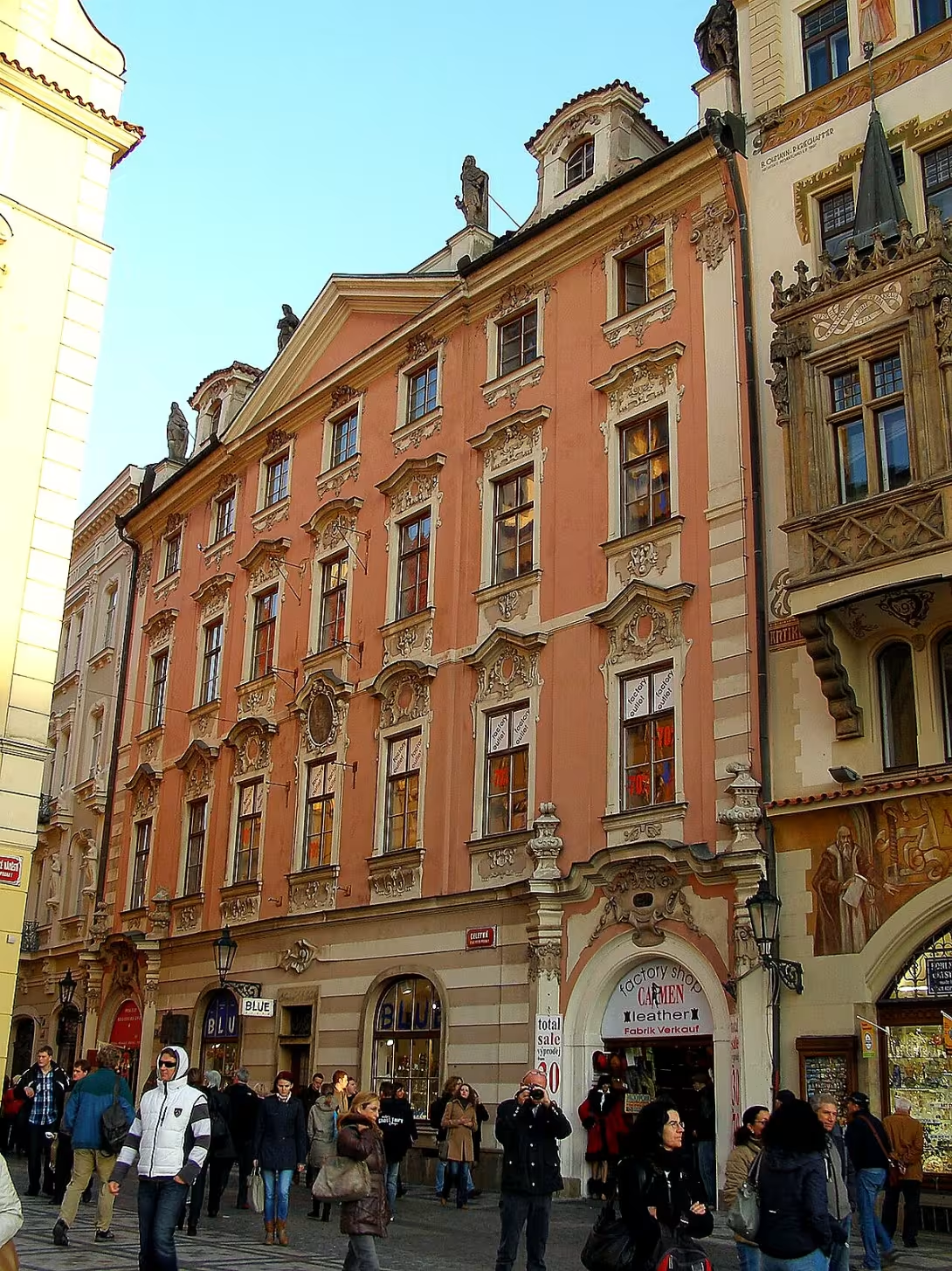
Sixtův dům, also known as Donínský dům, is a historically significant building located in Prague's Old Town at Kamzíkové ulice 2. Its main façade faces Celetná Street. Originally constructed during the medieval period, it has undergone several architectural transformations through the Renaissance and Baroque periods. The building is renowned for its association with notable historical figures such as Sixt z Ottersdorfu, a humanist who lent his name to the structure. As a protected cultural monument, it reflects the rich history of Prague.
The origins of Sixtův dům trace back to the medieval period, specifically from the 12th to the mid-13th century when it was documented as part of Prague's fortified structures. The building has undergone significant architectural changes over the centuries. Initially constructed in a Gothic style with two distinct phases—one from the 13th century and another during the peak of Gothic architecture—it later saw expansions and modifications during the Renaissance and Baroque periods. Notably, its opus quadratum masonry is characteristic of its era.
Ownership of Sixtův dům has changed hands several times throughout history, reflecting dramatic shifts in fortune for its owners. In the 13th century, Johannes z Wylburgu, Rudolf z Mühlhausenu, and Hanuš Lvův z Dubé were among its first recorded owners. Later, Jindřich Lefl z Lažan a z Bechyně became a notable owner, known for his role as the protector of Jan Hus. The name Donínský dům emerged after 1470 due to inheritance by Ješek and Bořivoj, purkrabí z Donína. Sixt z Ottersdorfu acquired the property in 1560, followed by significant architectural contributions from his son, Jan Theodor Sixt z Ottersdorfu, who had it rebuilt between 1607 and 1612. Ownership later passed to Filip Fabricius z Rosenfeldu after Jan Theodor's involvement in a rebellion led to the confiscation of his assets.
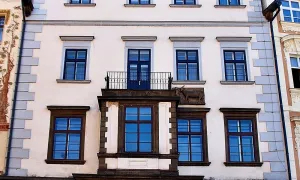
Several key events have marked the history of Sixtův dům. In the mid-13th century, the building was part of Prague's fortified structures. A significant architectural transformation occurred between 1607 and 1612 when Jan Theodor Sixt z Ottersdorfu had the house rebuilt. Before 1736, Baron Marek de Joaninelli redesigned its façade in a Baroque style, adding notable elements such as a cartouche featuring the coat of arms of the Virgin Mary with Child Jesus. An intriguing discovery was made during an archaeological exploration: a precisely undatable boat-shaped grave from a 10th-century cemetery found in the courtyard.
Today, Sixtův dům stands as a testament to Prague's layered history and architectural evolution. The building is currently part of a controversial project aiming to integrate it into a larger hotel complex with neighboring properties, despite protests from preservationists. Although this development has faced delays due to various factors, including the COVID-19 pandemic, construction began in 2022 with plans to complete by 2025. Despite these changes, Sixtův dům remains an important cultural monument and is worth visiting for its historical significance and architectural beauty.
Sixtův dům offers a unique glimpse into Prague's past, showcasing the city's rich history through its architecture and storied ownership. Visitors are invited to explore this remarkable building and appreciate its contribution to the cultural tapestry of Prague's Old Town.
Then and now
Drag the slider to compare how the landmark may have looked when it was built with the view today.
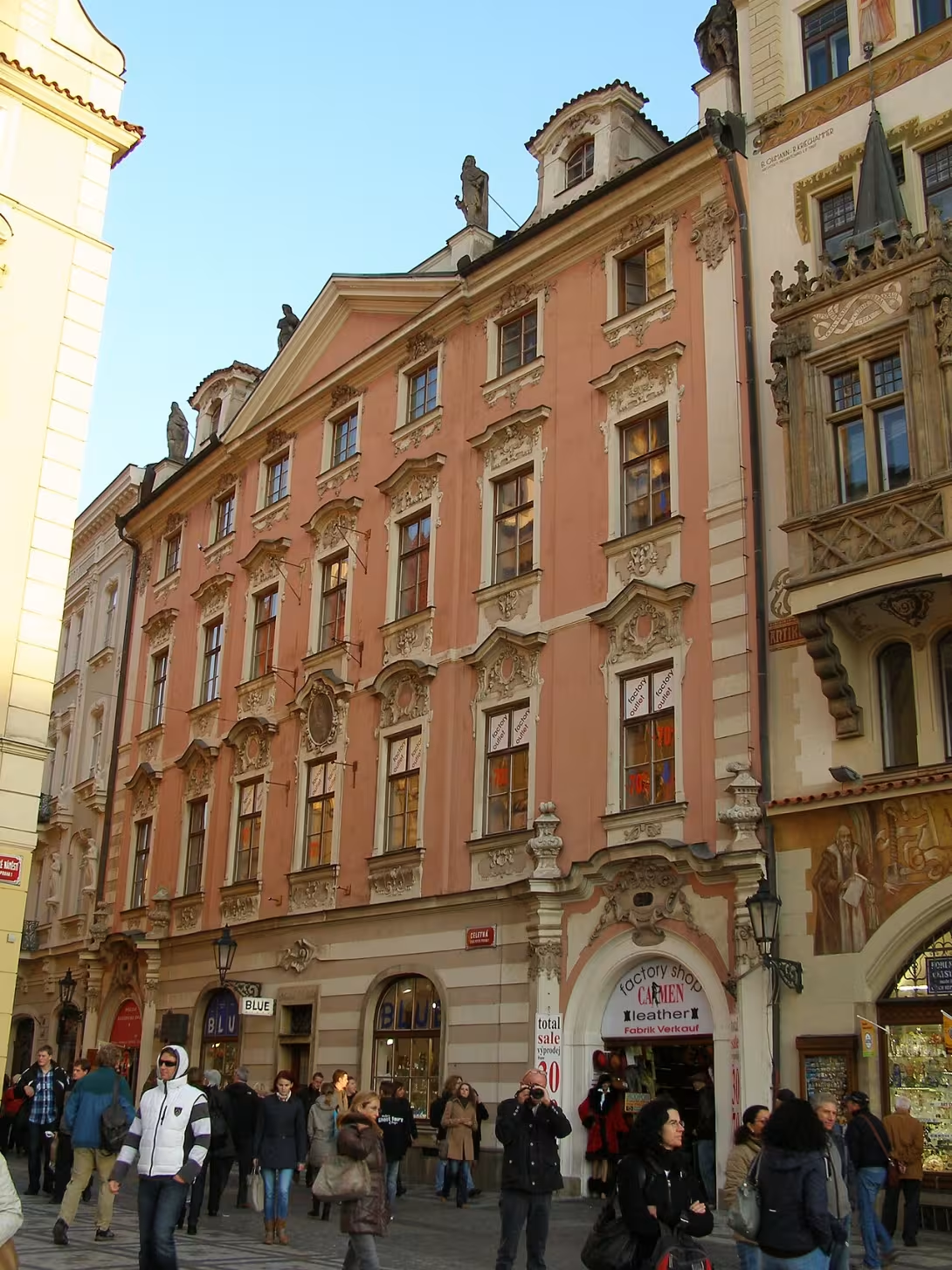

The historical appearance on the left is an AI-generated visualisation and serves as inspiration only.
Historical milestones
- 12th to mid-13th century
- The stone house on the parcel at Celetné Street was documented.
- 1607–1612
- Jan Theodor Sixt z Ottersdorfu had the inherited house rebuilt.
Architectural development
Sixtův dům has two documented Gothic construction phases, with origins in the 13th century. It was later expanded and modified during the Renaissance and Baroque periods. The building features opus quadratum masonry typical of its era. Notable architectural changes include a baroque façade redesign by Marek de Joaninelli.
Historical events
In the mid-13th century, the building was part of Prague's fortified structures.
Jan Theodor Sixt z Ottersdorfu had the house rebuilt between 1607 and 1612.
Baron Marek de Joaninelli redesigned the façade before 1736.
Owners
Johannes z Wylburgu, Rudolf z Mühlhausenu, Hanuš Lvův z Dubé (13th century)
Jindřich Lefl z Lažan a z Bechyně
Ješek and Bořivoj, purkrabí z Donína (after 1470)
Sixt z Ottersdorfu (1560)
Jan Theodor Sixt z Ottersdorfu
Filip Fabricius z Rosenfeldu
Marek de Joaninelli (before 1736)
Carl Marx (1796)
Points of interest
- Sixtův dům's name is linked to Sixt z Ottersdorfu, a humanist whose contributions to the building were significant during the Renaissance period. His son, Jan Theodor Sixt z Ottersdorfu, was responsible for its major reconstruction between 1607 and 1612, reflecting both architectural innovation and historical turbulence.
- An intriguing archaeological discovery at Sixtův dům includes a boat-shaped grave from a 10th-century cemetery found in the courtyard. This rare find highlights the site's deep historical roots that predate even the medieval structures documented there.
- The building was once owned by Jindřich Lefl z Lažan a z Bechyně, who played a crucial role as the protector of Jan Hus, an important figure in religious reform and precursor to Protestantism. This connection underscores Sixtův dům's place within significant historical narratives.
- In 1736, Baron Marek de Joaninelli redesigned the façade of Sixtův dům in a Baroque style, adding distinctive elements like a cartouche featuring the coat of arms of the Virgin Mary with Child Jesus. This transformation reflects broader trends in European architecture and religious symbolism during that era.
- Despite its rich history, Sixtův dům is currently part of a controversial project to integrate it into a larger hotel complex. This development has sparked protests from preservationists who are concerned about maintaining the building's historical integrity amidst modernization efforts.
Guide
This guide is narrated by a synthetic voice generated by artificial intelligence.
Show guide text
This text was created by artificial intelligence and has not been editorially reviewed. It may contain inaccuracies.
Welcome to the historic heart of Prague's Old Town, where you stand before a remarkable testament to centuries of architectural evolution—Sixtův dům, also known as Donínský dům. This building is not just a structure; it's a narrative woven into the very fabric of this city. As you gaze at its façade, imagine the layers of history that have shaped its presence here on Celetné Street.
The origins of Sixtův dům trace back to the 12th century when it was first documented as a stone house. Over time, this building witnessed significant transformations, especially during the Renaissance and Baroque periods. Its architectural journey reflects the dynamic changes in style and function that have characterized Prague's development over centuries.
As you stand here, take a moment to appreciate the building's façade. While specific architectural details from its early history are not documented, the influence of later renovations is evident. The most significant transformation occurred between 1607 and 1612 when Jan Theodor Sixt z Ottersdorfu took on the task of rebuilding it. This period marked a time of innovation that would leave an indelible mark on the building's character.
Sixtův dům owes its name to Sixt z Ottersdorfu, a notable humanist whose contributions during the Renaissance were significant. His legacy continued through his son, Jan Theodor Sixt z Ottersdorfu, who played a pivotal role in the building's major reconstruction. Their influence is not just architectural but also cultural, as they were part of a broader intellectual movement that sought to blend classical ideas with contemporary thought.
The history of this place is further enriched by figures such as Jindřich Lefl z Lažan a z Bechyně and the purkrabí z Donína, Ješek and Bořivoj. Each contributed to the building's storied past in their unique ways, adding layers to its historical significance.
One intriguing aspect of Sixtův dům is how it encapsulates the interplay between personal ambition and broader cultural movements. The transformations it underwent are not just architectural but also symbolic of the shifting tides of history that swept through Prague.
As you continue your exploration, let this building inspire you to delve deeper into its stories. Each stone holds a tale waiting to be discovered, each corner a glimpse into a past era. We invite you to wander further and uncover more about this fascinating piece of Prague's rich tapestry.
Thank you for joining us on this journey through history. May your exploration here spark curiosity and wonder as you continue to discover the many treasures that Prague has to offer. Safe travels, and may your adventures be filled with discovery!
Tips for visitors
The best time to visit Sixtův dům is during the late spring or early autumn months, when the weather is pleasant for walking around Prague's Old Town. During these times, you can enjoy exploring the area without the peak tourist crowds and benefit from longer daylight hours for sightseeing. Additionally, the mild temperatures make it comfortable to spend time outdoors appreciating the historical architecture.
Transportation to Sixtův dům is convenient via public transport or by car.
When visiting Sixtův dům, it's recommended to bring comfortable walking shoes as you'll likely explore other parts of Prague's Old Town on foot. A camera or smartphone is essential for capturing the stunning architecture and vibrant atmosphere. Additionally, carrying a light jacket can be useful due to variable weather conditions in Prague.
Photography enthusiasts will find several spots around Sixtův dům ideal for capturing its medieval charm. The best lighting occurs during the golden hours of early morning or late afternoon when the sunlight enhances the building's details and surrounding cobblestone streets. Be mindful of other visitors while taking photos, especially in crowded areas.
In addition to visiting Sixtův dům, consider exploring nearby attractions within a 30-minute walk. Celetná Street offers a mix of historical buildings and modern shops, providing a glimpse into Prague's evolving landscape. The Old Town Square is also close by, featuring iconic landmarks such as the Astronomical Clock and St. Nicholas Church. These sites offer rich cultural experiences for visitors.
For families with children, Sixtův dům can be an engaging visit when combined with other family-friendly activities in the area. The Old Town Square is a great spot for kids to enjoy street performers and explore interactive exhibits at nearby museums. Additionally, the Charles Bridge offers picturesque views and opportunities for leisurely strolls, making it a perfect addition to your itinerary.
Frequently asked questions
Can the monument be visited?
Some buildings of this kind are open for guided tours, others serve another purpose or are privately owned. We have not verified whether and when this monument is open – please ask the operator.
What are the opening hours and admission?
We have not verified the opening hours or admission. Current information is published by the operator. Official website: https://madametussaudsprague.cz/
Where is the monument?
Location: Praha 1, Hlavní město Praha. The map on this page shows the exact spot.
Why is the monument protected?
It is listed in the Central List of Cultural Monuments of the Czech Republic as a cultural monument (register no. 1000150634).
Businesses nearby
Do you run a restaurant, accommodation, shop, museum, rental, wellness or other visitor service near this monument? Show yourself directly to the people heading to it — this is how they will see you in the app and on the web:
Events nearby

Zdroj akcí: otevřená data měst a obcí ČR (Národní katalog otevřených dat) a kalendář akcí Národního památkového ústavu.
Nearby
Sixtův dům is situated in Prague's Old Town, near Celetná Street. The area is rich in historical architecture and cultural landmarks, including other medieval buildings and modern developments.
Accommodation nearby
Trips and activities nearby
Guided tours, tickets and activities nearby from GetYourGuide
Affiliate link: if you buy from the partner, we may receive a commission. The price for you does not change.
Search tours and activities →Themed route
Thematic Walking Tour: Exploring Prague's Old Town
1. Sixtův dům (Building) - Type: Historical Building - Why Visit: Sixtův dům is a remarkable example of Gothic architecture located in the heart of Prague’s Old Town. This building, once part of a larger complex including a hospital and church, offers visitors a glimpse into medieval urban life with its well-preserved structure and historical significance.
2. Celetná Street - Type: Historic Street - Why Visit: Just a short walk from Sixtův dům is the iconic Celetná Street, known for its stunning Baroque facades and vibrant atmosphere. This street serves as a perfect continuation of your exploration into Prague's rich architectural heritage, featuring elegant buildings that tell stories of the city's past.
3. Kleiner Ring (Small Ring) - Type: Historic Square - Why Visit: Nearby is Kleiner Ring, one of the oldest squares in Prague. This charming area offers a peaceful retreat from the bustling streets and provides insight into the medieval layout of the Old Town with its quaint houses and historical ambiance.
4. Church of Our Lady before Týn (Kostel Panny Marie před Týnem) - Type: Gothic Church - Why Visit: A short walk from Kleiner Ring, this impressive Gothic church is renowned for its towering spires that dominate the Old Town skyline. The church offers a rich history and stunning views of Prague, making it an essential stop on your tour.
5. Old Town Square (Staroměstské náměstí) - Type: Historic Square - Why Visit: Concluding your journey at the Old Town Square, this iconic site is a central hub of history and culture in Prague. Known for its beautiful baroque fountain, the statue of Jan Hus, and the Astronomical Clock, it encapsulates centuries of Czech heritage and offers a perfect spot to reflect on your exploration.
This tour provides an immersive experience into the historical heart of Prague's Old Town, weaving through significant landmarks that highlight the city’s medieval past and architectural beauty.
Seasonal recommendations
Spring: Visiting Sixtův dům during spring offers a vibrant atmosphere as the city blooms with fresh greenery and blossoming flowers, creating an idyllic backdrop for exploring this historical site. The natural light is softer and more diffuse, enhancing the architectural details of the building. This season often sees moderate crowds, making it an ideal time to enjoy a leisurely visit without the summer rush. Visitors are advised to wear comfortable layers as temperatures can vary, and carrying a light jacket or sweater might be useful for cooler mornings or evenings.
Summer: Summer at Sixtův dům is characterized by long days filled with bright sunlight that beautifully illuminates the historic architecture. The city's lively atmosphere during this season means larger crowds are likely, especially around midday when temperatures peak. To avoid the busiest times and ensure a more relaxed experience, consider visiting in the early morning or late afternoon. Dressing in light, breathable clothing is recommended to stay comfortable while exploring.
Autumn: Autumn brings a picturesque setting to Sixtův dům with its palette of warm colors as leaves change, creating a cozy and inviting atmosphere. The weather can be quite pleasant, though it's wise to keep an eye on forecasts for sudden rain showers typical in this season. As the days start to shorten, planning your visit during daylight hours is advisable. Layered clothing will help accommodate the cooler temperatures that often accompany autumn evenings.
Winter: Winter transforms Sixtův dům into a serene and enchanting site with Prague's festive decorations adding charm to its historic surroundings. The shorter daylight hours mean visits should be planned for when there’s ample natural light, typically in the late morning or early afternoon. Winter crowds can vary; weekends might see more visitors due to holiday festivities, so weekdays could offer a quieter experience. Dress warmly and wear comfortable shoes as walking on potentially icy paths is common during this season.
Visualizations and artistic views


The visualisations are generated by artificial intelligence and serve as inspiration.
Photos from the area
Real photos taken near the monument


Zdroj a licence jsou uvedeny u každého snímku.
Tips from visitors
No tips yet. Be the first!
Log in and add your tip.
Sources and literature
Photos: Michal Kmínek / CC BY-SA 3.0 — Wikimedia Commons. The author and licence also appear when you hover over the image.
Faktickým podkladem tohoto textu byl článek na Wikipedii, jehož autory jsou přispěvatelé Wikipedie. Článek je dostupný pod licencí CC BY-SA 4.0.
Location on the map
Příběhy a pověsti
Legendy, pověsti a příběhy spjaté s touto památkou

Fotografie návštěvníků
Zatím žádné fotografie. Buďte první, kdo přidá fotografii z návštěvy!
Log in a přidejte svou fotografii nebo hodnoťte.
Za ověřenou návštěvu v aplikaci získáte víc bodů — poznáme podle GPS, že jste na místě.
Reviews and comments