






Smetanovy sady (Plzeň) Park
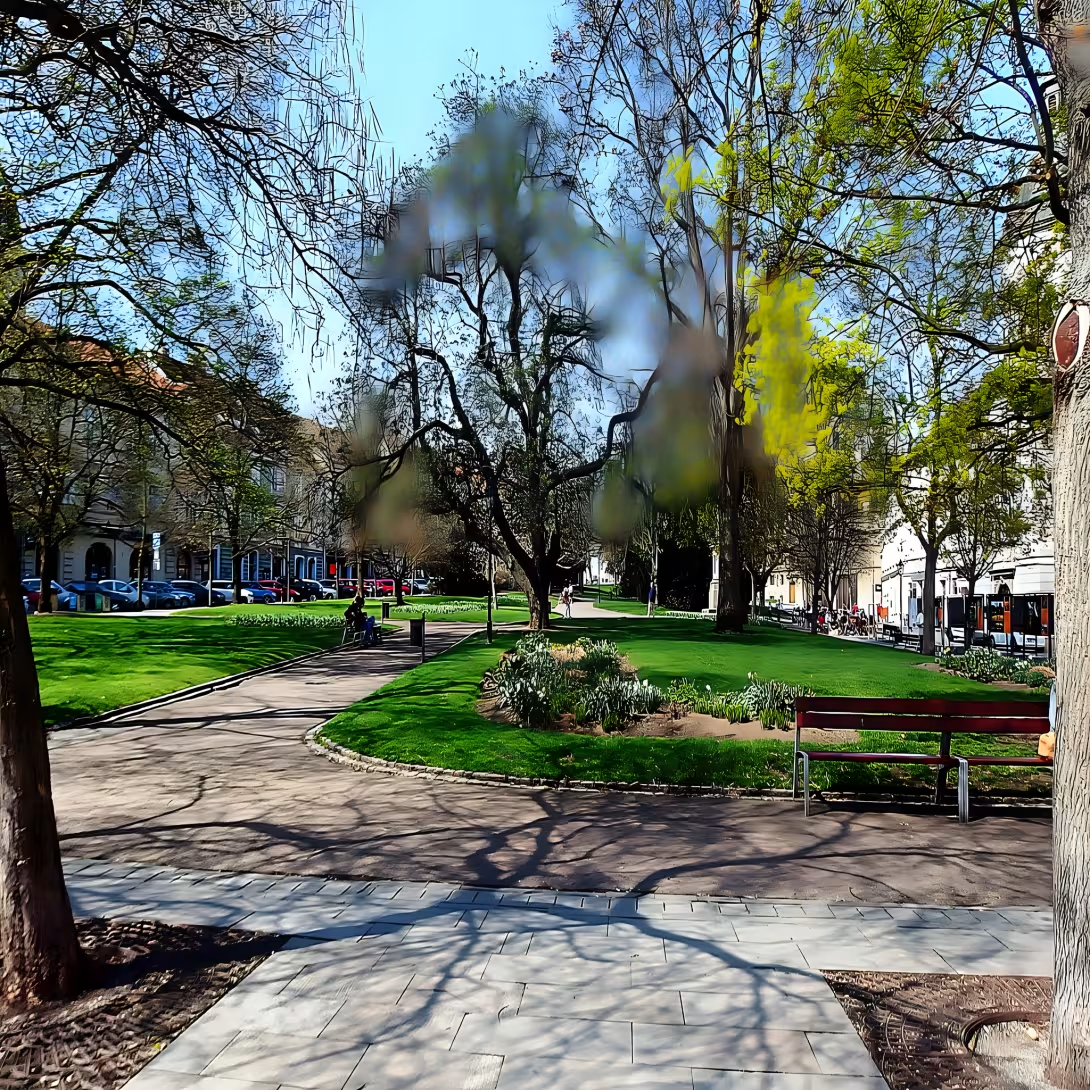
Smetanovy Sady is a city park in Plzeň, part of the town's garden ring built on former city fortifications. It spans the Jižní Předměstí district and features landmarks like a monument to composer Josef František Smetana and the Rusalka fountain. Established as an arciděkanská garden in 1803, it evolved into a botanical garden before becoming an ornamental park with a small lake and waterfall by 1861. The construction of J. K. Tyl Theatre in 1902 led to the disappearance of these water features.
The origins trace back to the early 19th century when Bohemia was part of the Austrian Empire, influenced by Romanticism and public parks' growing popularity. Initially featuring chestnut alleys, it transformed into ornamental gardens by 1861 after becoming part of Štěpánského náměstí in 1846.
Architecturally, Smetanovy Sady has seen significant changes since its inception as a garden and later botanical garden. It became an ornamental park with water features like a small lake and waterfall. The park's development included the installation of a monument to Josef František Smetana in 1874, crafted by sculptor Tomáš Seidan. In 1987, it was enhanced with the Rusalka relief, a three-sided pietra dura work created by Alois Sopr and Jaroslav Šindelář, with architectural input from Pavel Němeček.
Throughout its history, Smetanovy Sady has been shaped by cultural influences and administrative changes. Named after composer Josef František Smetana, the park highlights his significance to the region's cultural heritage. A unique feature is the Rusalka fountain, which includes this three-sided relief, adding artistic value.
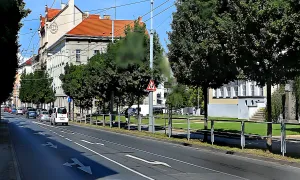
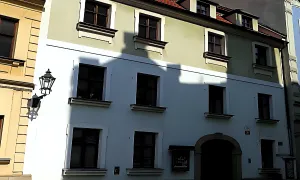
Today, Smetanovy Sady remains an accessible part of Plzeň’s urban landscape. It is bordered by streets sharing its name to the north and south, with Kopeckého sady connected via Bedřicha Smetany street to the east. Nearby landmarks include Stará synagoga, a cultural monument in Plzeň, and the former Dominican nuns' convent now housing the Studijní a vědecká knihovna Plzeňského kraje. The park's rich history and artistic features make it a worthwhile visit for those interested in exploring Plzeň’s cultural heritage.
Smetanovy Sady stands as a testament to the city’s historical evolution, offering visitors a glimpse into its past while providing a serene environment for relaxation and reflection. Its blend of natural beauty and cultural significance invites exploration and appreciation from all who visit.
Historical milestones
- 1803
- Established as an arciděkanská garden.
- 1846
- Became part of Štěpánského náměstí.
- 1861
- Transformed into an ornamental park with a lake and waterfall.
- 1874
- Installation of the monument to Josef František Smetana.
- 1902
- Construction of J. K. Tyl Theatre led to disappearance of water features.
- 1987
- Enhanced with the Rusalka relief installation.
Architectural development
Smetanovy sady underwent significant transformations from its inception as an arciděkanská garden to a botanical garden, and eventually into an ornamental park with water features. The park's development included the installation of a monument to Josef František Smetana in 1874 and the addition of the Rusalka relief in 1987.
Historical events
1803: Establishment of arciděkanská garden on the site of former city fortifications.
1846: The area became part of Štěpánského náměstí, featuring an avenue that was later transformed into ornamental gardens.
1874: Installation of a monument to Josef František Smetana by sculptor Tomáš Seidan.
1987: Addition of the Rusalka relief in the park.
Points of interest
- The transformation of Smetanovy Sady from a garden to an ornamental park with water features like a small lake and waterfall reflects the Romantic era's influence on public spaces in Bohemia during the early 19th century.
- Although originally planned as part of Plzeň’s garden ring, the construction of J. K. Tyl Theatre in 1902 led to the disappearance of Smetanovy Sady’s water features, marking a significant change in its landscape and design.
Guide
This guide is narrated by a synthetic voice generated by artificial intelligence.
Show guide text
This text was created by artificial intelligence and has not been editorially reviewed. It may contain inaccuracies.
Welcome to the enchanting Smetanovy sady, a verdant oasis nestled in the heart of Plzeň. As you stand here, surrounded by lush greenery and the gentle rustling of leaves, imagine stepping back into time where history and nature intertwine seamlessly.
The park's origins trace back to 1803 when it began as an arciděkanská garden. This transformation marked a significant shift in public space design during the Romantic era, reflecting Bohemia’s evolving aesthetic sensibilities. Over the years, Smetanovy sady has grown from its humble beginnings into a cherished part of Plzeň's cultural and natural heritage.
As you wander through this serene landscape, take note of the park's layout, which forms an integral segment of Plzeň’s garden ring, once built upon former city fortifications. The park stretches across the Jižní Předměstí district, offering a tranquil escape from urban life.
Now, direct your attention to one of the park's most striking features: the monument dedicated to Josef František Smetana, installed in 1874. This tribute commemorates the renowned composer whose music continues to resonate through time. Nearby, you'll find the Rusalka fountain, an artistic installation added in 1987 that enhances the park’s charm with its ethereal beauty.
As we delve into the history of this place, it's fascinating to consider how Smetanovy sady evolved from a simple garden into an ornamental park by 1861. This period saw the addition of water features such as a small lake and waterfall, embodying the Romantic era’s influence on public spaces in Bohemia during the early 19th century.
While exploring, you might ponder the intriguing transformation that occurred in 1902 when the construction of J. K. Tyl Theatre led to the disappearance of these original water features. This change reflects the dynamic nature of urban development and its impact on cherished green spaces like this one.
As we conclude our journey through Smetanovy sady, I invite you to continue exploring this verdant haven at your own pace. Let the tranquility of the park envelop you as you discover more hidden gems within its embrace. Thank you for joining me today, and may your visit leave you with a lasting sense of wonder and connection to Plzeň’s rich history.
Tips for visitors
The best time to visit Smetanovy sady is during the spring or early fall when the weather is pleasant, and the park's flora is at its peak beauty. During these seasons, you can enjoy blooming flowers and lush greenery without the summer crowds or winter chill. The park's historical significance and serene environment make it a perfect spot for a leisurely walk or picnic.
Parking near Smetanovy sady may be limited due to its central location in Plzeň. It is advisable to use public transportation, such as buses or trams, which are convenient options for reaching the park. If you prefer driving, look for parking spaces along nearby streets and check local resources for any available parking facilities. Always verify current transport routes and schedules using a reliable travel app or website.
When visiting Smetanovy sady, consider bringing comfortable walking shoes, especially if you plan to explore the entire park area. A light jacket might be useful as temperatures can vary throughout the day. Don't forget water and snacks for a picnic under the trees, and perhaps a book or music player for relaxation. If you're interested in photography, bring your camera to capture the park's historic charm.
For photographers, Smetanovy sady offers several picturesque spots, especially during golden hours—early morning or late afternoon when sunlight is softer and more flattering. The area around Stará synagoga provides a striking backdrop with its architectural details. Additionally, capturing the park from various angles along Bedřicha Smetany street can yield beautiful compositions of nature and urban landscapes.
Nearby attractions within a 30-minute walk include the historic Stará synagoga, which offers insight into Plzeň's cultural heritage. Another notable site is the Studijní a vědecká knihovna Plzeň, housed in the former Dominican nuns' convent, perfect for those interested in history and architecture. These sites complement your visit to Smetanovy sady by providing additional context about the city's rich past.
For families with children, Smetanovy sady is an ideal destination due to its spacious green areas suitable for playing and exploring. The park's open spaces allow kids to run freely while parents can relax in a scenic setting. Consider bringing along a ball or frisbee for some active fun. Additionally, the proximity of other historical sites like Stará synagoga offers educational opportunities for older children interested in learning more about local history.
Businesses nearby
Do you run a restaurant, accommodation, shop, museum, rental, wellness or other visitor service near this monument? Show yourself directly to the people heading to it — this is how they will see you in the app and on the web:
Events nearby



Zdroj akcí: otevřená data měst a obcí ČR (Národní katalog otevřených dat) a kalendář akcí Národního památkového ústavu.
Nearby
Smetanovy sady are bordered by streets sharing their name to the north and south. To the east, they connect with Kopeckého sady via Bedřicha Smetany street. Nearby is Stará synagoga, a cultural monument in Plzeň, and the former Dominican nuns' convent now housing the Studijní a vědecká knihovna Plzeňského kraje.
Accommodation nearby
Trips and activities nearby
Guided tours, tickets and activities nearby from GetYourGuide
Affiliate link: if you buy from the partner, we may receive a commission. The price for you does not change.
Search tours and activities →Themed route
Thematic Walking Tour: Smetanovy sady and Surroundings
1. Smetanovy sady (Park) Begin your journey at the heart of Plzeň, where the lush greenery of Smetanovy sady offers a serene escape from city life. This park is named after Bedřich Smetana, a renowned Czech composer, and provides an ideal setting for relaxation with its beautifully landscaped gardens and walking paths. The park's central location makes it perfect for starting your exploration.
2. Stará synagoga (Cultural Monument) A short walk from the southern edge of Smetanovy sady, you'll find the historic Stará synagoga. This cultural monument is one of Plzeň's most significant architectural landmarks, showcasing a blend of Moorish and Romanesque styles. Its rich history and stunning design make it an essential stop for anyone interested in architecture or Jewish heritage.
3. Studijní a vědecká knihovna Plzeňského kraje (Library) Continuing eastward from the synagogue, you'll reach the former Dominican nuns' convent, now home to the Studijní a vědecká knihovna Plzeňského kraje. This library is not only an important cultural and educational resource but also features impressive architecture that reflects its historical roots. Visitors can explore its extensive collections or simply admire its unique design.
4. Kopeckého sady (Park) Conclude your tour by heading east to Kopeckého sady via Bedřicha Smetany street, connecting from Smetanovy sady. This park offers a tranquil environment with opportunities for leisurely strolls and picnics. It's an excellent place to reflect on the cultural journey you've experienced in Plzeň.
This thematic tour provides a rich exploration of Plzeň's cultural heritage, seamlessly connecting parks, historical architecture, and educational landmarks within a short walking distance.
Seasonal recommendations
Spring: As spring unfolds, Smetanovy sady burst into life with vibrant colors and fragrances as the cherry blossoms and other flowering trees reach their peak bloom. The park's atmosphere is serene yet lively, offering a picturesque setting perfect for leisurely strolls or picnics amidst nature’s awakening. Visitors should take advantage of this time to explore the park without the summer crowds, making it ideal for photography enthusiasts keen on capturing the beauty of spring flowers. Light layers are recommended as temperatures can vary throughout the day.
Summer: During the summer months, Smetanovy sady become a popular retreat from the city's hustle and bustle, with lush greenery providing ample shade and respite from the warm weather. The park is often filled with families enjoying picnics or participating in outdoor activities. To avoid the peak hours when the park can get crowded, consider visiting early in the morning or later in the afternoon. Comfortable walking shoes and light clothing are advisable to keep cool under the summer sun.
Autumn: Autumn transforms Smetanovy sady into a tapestry of warm hues, with leaves changing color from green to shades of red, orange, and yellow. The park offers a tranquil setting for those seeking to enjoy the crisp air and the beauty of nature’s transition. This is an excellent time for photography or simply enjoying a quiet walk through the vibrant foliage. As temperatures begin to drop in the evenings, wearing layers can ensure comfort throughout your visit.
Winter: In winter, Smetanovy sady present a stark yet beautiful landscape, with snow-covered paths and dormant trees creating a serene atmosphere that is perfect for contemplative walks or a peaceful escape from urban life. The park's lighting during this season adds to its mystical charm, especially in the early mornings or late afternoons when shadows play across the snowy ground. Visitors should dress warmly in layers, including hats and gloves, as temperatures can be quite cold, and some areas of the park may have limited access due to snow coverage.
Visualizations and artistic views


The visualisations are generated by artificial intelligence and serve as inspiration.
Photos from the area
Real photos taken near the monument


Zdroj a licence jsou uvedeny u každého snímku.
Tips from visitors
No tips yet. Be the first!
Log in and add your tip.
Sources and literature
Fotografie: Palickap / CC BY-SA 4.0, rozlišení zvýšeno umělou inteligencí — Wikimedia Commons. The author and licence also appear when you hover over the image.
Faktickým podkladem tohoto textu byl článek na Wikipedii, jehož autory jsou přispěvatelé Wikipedie. Článek je dostupný pod licencí CC BY-SA 4.0.
Location on the map
More monuments – Plzeň
Show all in the municipality

Příběhy a pověsti
Legendy, pověsti a příběhy spjaté s touto památkou
Fotografie návštěvníků
Zatím žádné fotografie. Buďte první, kdo přidá fotografii z návštěvy!
Přihlaste se a přidejte svou fotografii nebo hodnoťte.
Za ověřenou návštěvu v aplikaci získáte víc bodů — poznáme podle GPS, že jste na místě.
Reviews and comments