



společenský dům YMCA Hradec Králové Other
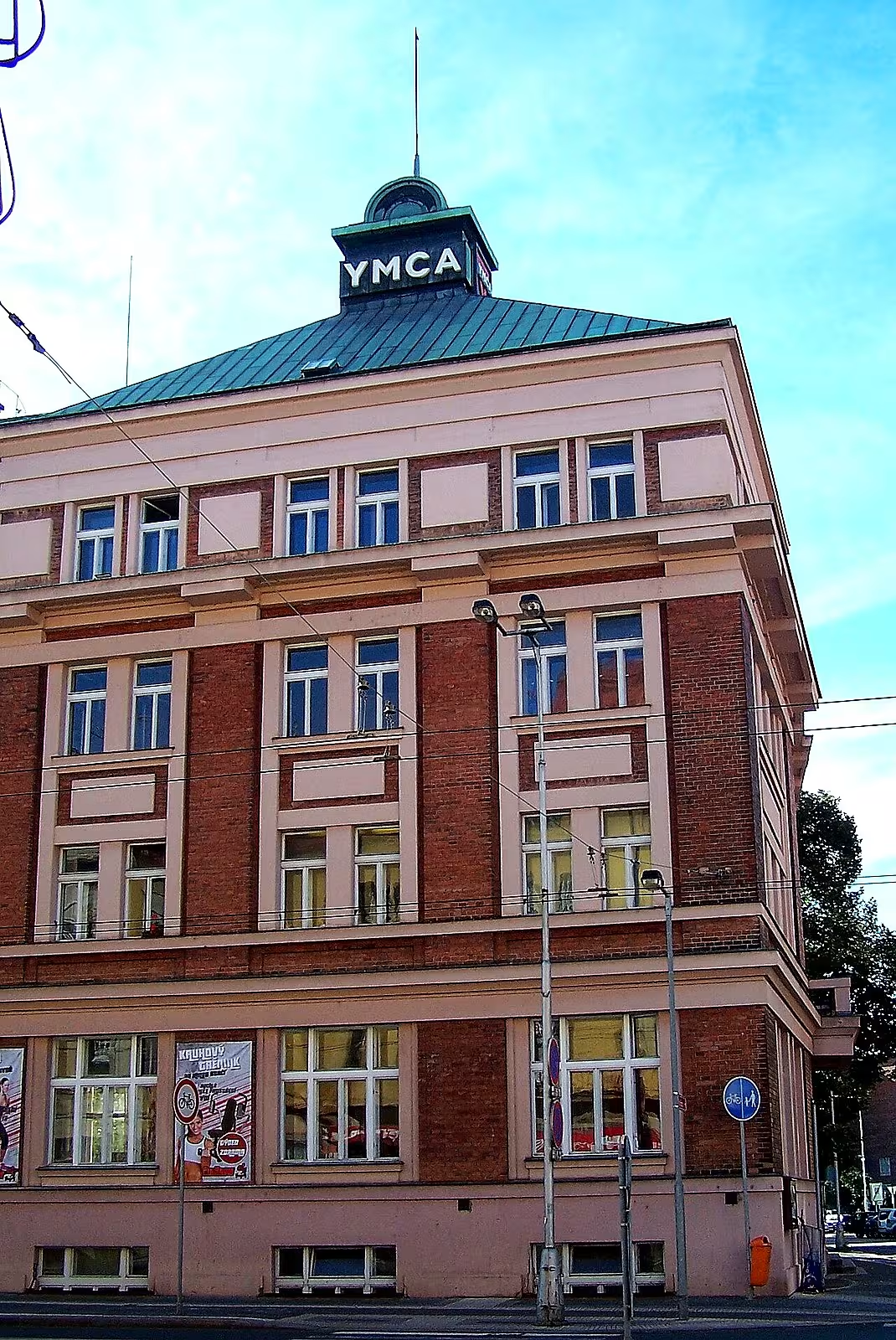
The YMCA Social House in Hradec Králové is a notable modernist building constructed between 1923 and 1925 by architects Václav Rejchl and his younger brother Jan. Located in the city of Hradec Králové, this structure stands as a testament to early 20th-century social reform efforts, particularly those aimed at supporting demobilized soldiers transitioning back into civilian life. Its significance is further underscored by its designation as a cultural monument since 1982.
The origins of the YMCA Social House are deeply rooted in the broader historical context of post-World War I Czechoslovakia. The global YMCA movement, which began in London in 1844, found fertile ground in the newly independent Czechoslovak state. Key figures such as President Tomáš Garrigue Masaryk and his daughter Alice played pivotal roles in its expansion within the country. By 1920, the YMCA had established a presence in Hradec Králové, focusing on aiding demobilized soldiers. The architectural plans for the building were finalized in April 1923, with construction commencing shortly thereafter.
Architecturally, the YMCA Social House is an exemplar of individualist modernism within the functionalist style. Designed by Václav Rejchl, who generously donated his services and contributed financially to the project, the building features a distinctive L-shaped plan. It includes facilities such as a dining hall for 60 people, a library, reading room, meeting spaces, and more. The structure is characterized by its two-story layout with an attic and basement, a gable roof covered in tiles, and a prominent spire adorned with YMCA inscriptions.
Ownership of the building has seen significant changes over time. Initially owned by the YMCA from 1925, it was nationalized in 1951 following the forced cessation of YMCA activities. Despite this, the building continued to serve cultural and educational purposes under the administration of the Krajský výbor Socialistického svazu mládeže. A major reconstruction took place in 1975 to preserve its cultural heritage, culminating in its designation as a cultural monument in 1982. Post-Velvet Revolution, ownership was returned to the YMCA.
Throughout its history, the YMCA Social House has been a hub for various social and educational activities. By 1934, it had become an essential community center, providing meals and organizing events such as summer camps. These functions underscored its role in fostering community engagement and support during turbulent times.
Today, the YMCA Social House remains a vibrant cultural site, continuing to serve as the headquarters for the local YMCA organization. Its historical significance and architectural beauty make it an attractive destination for visitors interested in modernist architecture and social history. The building's preservation as a cultural monument ensures that its legacy endures, inviting exploration and appreciation from those who visit Hradec Králové.
The YMCA Social House stands not only as a remarkable piece of architectural heritage but also as a symbol of community resilience and support. Its rich history and enduring presence make it a must-visit for anyone interested in the cultural tapestry of Czechoslovakia's past.
Then and now
Drag the slider to compare how the landmark may have looked when it was built with the view today.
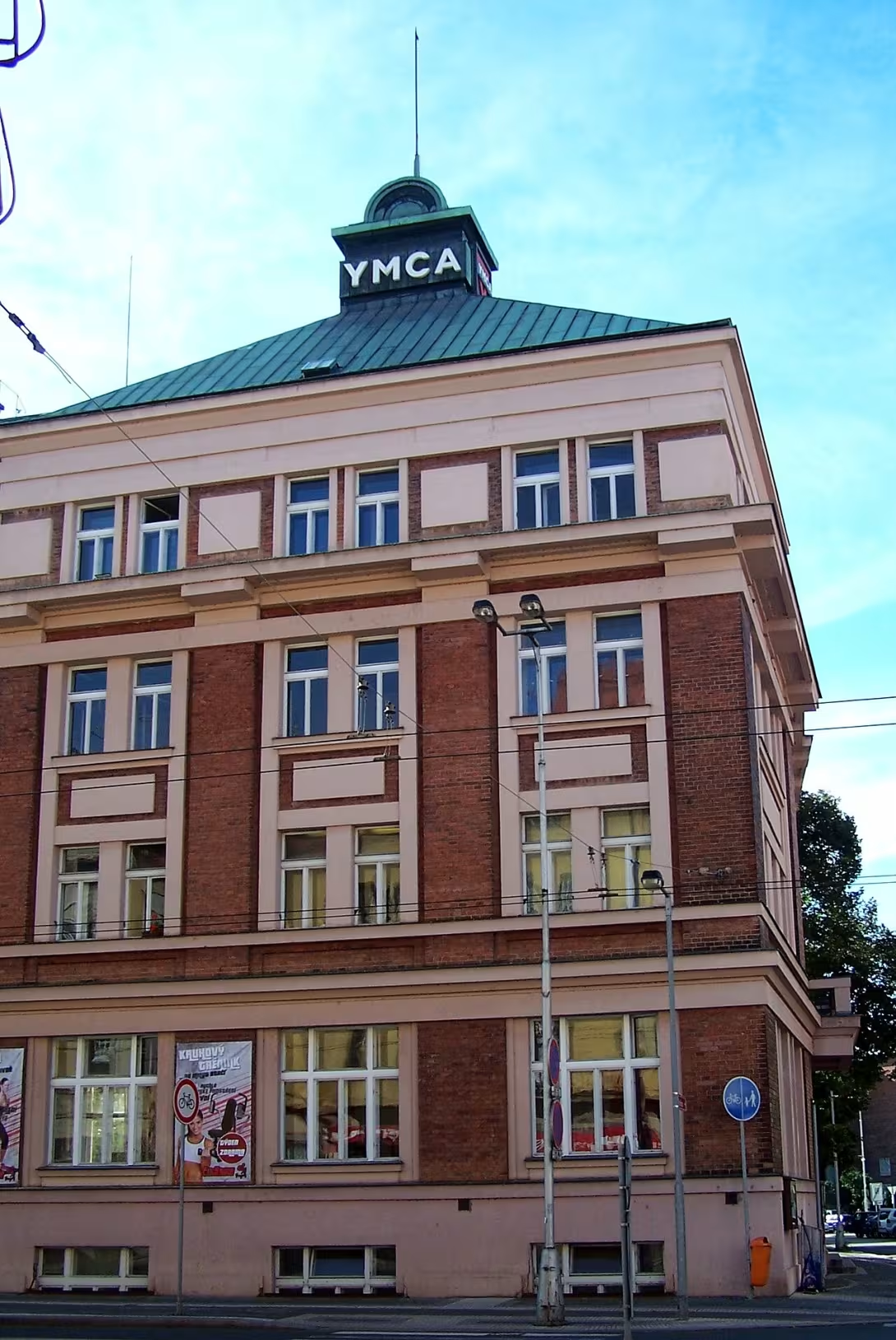

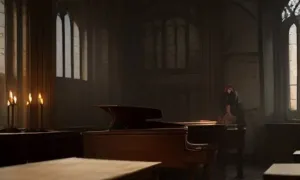
The historical appearance on the left is an AI-generated visualisation and serves as inspiration only.
Historical milestones
- 1925
- Completion and opening of the YMCA Social House.
- 1951
- Forced cessation of YMCA activities and nationalization of the building.
- 1975
- Reconstruction of the building to preserve its cultural significance.
- 1982
- Declared a cultural monument.
Architectural development
The YMCA Social House was designed by Václav Rejchl, who contributed both his architectural expertise and financial support. The structure reflects the functionalist style of individual modernism with a two-story layout, including an attic and basement. Its distinctive features include a gable roof covered in tiles and a spire with inscriptions.
Historical events
The building was completed and opened on April 30, 1934, serving as a hub for various social and educational activities.
In 1951, the YMCA's operations were forcibly ended, and the building was nationalized.
A significant reconstruction took place in 1975 to preserve its cultural heritage.
Owners
Initially owned by the YMCA organization from 1925 until it was nationalized in 1951. After being declared a cultural monument in 1982, ownership returned to the YMCA post-Velvet Revolution.
Points of interest
- The YMCA Social House was designed by Václav Rejchl, who not only donated his architectural services but also contributed financially to the project, showcasing a rare blend of personal investment and professional dedication.
- Despite being nationalized in 1951 after forced cessation of YMCA activities, the building continued to serve as a cultural and educational hub under the administration of Krajský výbor Socialistického svazu mládeže, highlighting its resilience and adaptability through political changes.
- A significant reconstruction in 1975 was undertaken to preserve the building's cultural heritage, leading up to its designation as a cultural monument in 1982, which underscores the efforts made to maintain its historical and architectural significance over decades.
- The YMCA Social House played an essential role during turbulent times by providing meals and organizing events such as summer camps by 1934, reflecting its community-focused mission beyond just being a physical structure.
- After the Velvet Revolution, ownership of the building was returned to the YMCA, symbolizing a restoration of cultural heritage and continuity in the organization's long-standing commitment to social reform and youth development.
Guide
This guide is narrated by a synthetic voice generated by artificial intelligence.
Show guide text
This text was created by artificial intelligence and has not been editorially reviewed. It may contain inaccuracies.
Welcome to the historic YMCA Social House in Hradec Králové—a testament to modernist architecture and a pivotal chapter in our city's story. As you stand here, take a moment to absorb the elegant lines of this unique L-shaped structure that has stood proudly since its completion in 1925. The building exudes an aura of purposeful design, reflecting its origins as a sanctuary for demobilized soldiers transitioning back into civilian life.
Let's delve into its inception and historical context. Conceived by the visionary architects Václav Rejchl and his younger brother Jan, this project was born out of necessity in the post-World War I era. Between 1923 and 1925, they crafted a space that would not only serve as a communal hub but also embody hope and renewal for those returning from war. The Rejchls were deeply invested in this endeavor; Václav, in particular, contributed both his architectural expertise and financial support—a rare blend of personal dedication to the cause.
As you wander around, observe the building's thoughtful design elements. Notice how the structure seamlessly integrates various facilities like a dining hall, library, reading room, and meeting spaces—all arranged within its distinctive L-shape plan. The architecture invites exploration, each corner revealing new facets of its purposeful layout designed to foster community and support.
This site is intertwined with key historical figures who have left their mark on our nation's history. Tomáš Garrigue Masaryk, a figure synonymous with Czechoslovakia’s foundation, alongside his wife Alice Masaryková, played significant roles in the YMCA movement. Their influence extended to Václav Maria Havel, further embedding this building within a rich tapestry of our cultural heritage.
Now, let's touch upon an intriguing aspect of its history: despite being nationalized in 1951 after forced cessation of YMCA activities, the building retained its cultural significance. In 1975, it underwent reconstruction to preserve its legacy—a testament to its enduring importance in our community.
As we conclude this brief exploration, I invite you to continue your journey through Hradec Králové's storied streets and discover more about the narratives that have shaped our city. Thank you for joining us today at the YMCA Social House; may it inspire you with its history and architectural grace as you explore further.
Tips for visitors
The best time to visit the YMCA Social House in Hradec Králové is during late spring or early autumn when the weather is pleasant, allowing you to comfortably explore both indoors and outdoors. These seasons offer a balance of mild temperatures and good natural lighting for photography, enhancing your experience without the crowds typical of peak tourist times.
When visiting, consider bringing a camera or smartphone for photography, as well as comfortable walking shoes if you plan to explore the surrounding area. A light jacket might be useful, especially during cooler months. For those interested in architecture and history, having a notebook or guidebook could enhance your understanding of the building's significance.
Photography enthusiasts will find several spots around the YMCA Social House where natural light accentuates its modernist features, particularly early morning or late afternoon when shadows are longer. The façade is best captured from the street side for a full view of its architectural details. Nearby, the Church of St. Catherine offers picturesque views and interesting photo opportunities.
For families with children, consider planning your visit to include nearby attractions within a 30-minute walk or short drive. The Hradec Králové Zoo is an excellent option for a fun day out, offering a variety of animals and interactive exhibits that can keep children engaged. Additionally, the city's castle grounds provide open spaces for leisurely walks and exploration.
Frequently asked questions
Can the monument be visited?
We have not verified whether this monument is accessible. Please ask the owner or operator, or the local municipal office.
Where is the monument?
Location: Šafaříkova 666/9, Hradec Králové, Královéhradecký kraj. The map on this page shows the exact spot.
Why is the monument protected?
It is listed in the Central List of Cultural Monuments of the Czech Republic as a cultural monument (register no. 23410/6-4528).
Businesses nearby
Do you run a restaurant, accommodation, shop, museum, rental, wellness or other visitor service near this monument? Show yourself directly to the people heading to it — this is how they will see you in the app and on the web:
Accommodation nearby
Themed route
Tematická výletní trasa: Společenský dům YMCA Hradec Králové a okolí
1. Společenský dům YMCA Hradec Králové
Typ: Historická budova, kulturní centrum
Proč stojí za návštěvu: Tato významná historická budova z poloviny 19. století je známá svou architektonickou krásou a bohatou historií. Sloužila jako kulturní centrum města, hostila různé akce a představení. Je to ideální místo pro ty, kteří mají zájem o architekturu a historii Hradce Králové.
2. Kostel svatého Marka
Typ: Kostel
Proč stojí za návštěvu: Tento barokní kostel je jednou z nejznámějších památek Hradce Králové. Jeho významná varhanní místnost a bohatá historie ho činí atraktivním pro návštěvníky, kteří si přejí zazvonit do minulosti města.
3. Náměstí Republiky
Typ: Náměstí
Proč stojí za návštěvu: Centrální náměstí Hradce Králové je známé svými historickými budovami a krásnou architekturou. Je to ideální místo pro relaxaci, obdivování místních památek a prozkoumání malých kaváren nebo restaurací.
4. Kostel svatého Ducha
Typ: Kostel
Proč stojí za návštěvu: Tento gotický kostel je jednou z nejstarších a nejvýznamnějších sakrálních památek v Hradci Králové. Jeho historie sahá do 13. století, což jej činí fascinujícím pro návštěvníky zájemce o duchovní a architektonickou minulost města.
5. Královéhradecké muzeum
Typ: Muzeum
Proč stojí za návštěvu: Toto muzeum nabízí rozsáhlé expozice, které se zaměřují na historii a kulturu Královéhradeckého kraje. Je to skvělý zdroj pro ty, kteří chtějí hluboce pochopit místní tradice a historický kontext.
Tato trasa nabízí návštěvníkům komplexní pohled na kulturní bohatství Hradce Králové, od architektonicky významných budov po duchovní a historické památky.
Seasonal recommendations
Spring: Visiting the YMCA Social House in Hradec Králové during spring offers a refreshing experience as nature awakens with vibrant colors and blossoming flowers. The mild weather makes it an ideal time for outdoor exploration, allowing visitors to appreciate the surrounding greenery. While the crowds are generally manageable, arriving early can help you enjoy a more serene visit before larger groups arrive. Light layers are recommended due to fluctuating temperatures, ensuring comfort as you explore this historical site.
Summer: Summer at the YMCA Social House is characterized by long daylight hours and warm weather, perfect for exploring both indoors and outdoors. The lush greenery surrounding the building enhances its aesthetic appeal, making it a popular time for visitors. Expect larger crowds during peak tourist season, so plan to arrive early or visit later in the day to avoid the busiest times. Lightweight, breathable clothing is advisable, along with sun protection like hats and sunscreen.
Autumn: Autumn brings a stunning display of fall foliage around the YMCA Social House, creating a picturesque setting for visitors. The cooler temperatures make it an ideal time for leisurely strolls through the area without the summer heat. While crowds are smaller than in the summer, some local events might draw additional visitors, so checking the schedule can help you plan your visit better. Layered clothing is recommended to accommodate varying weather conditions throughout the day.
Winter: The winter season at the YMCA Social House offers a unique charm with its serene and quiet atmosphere. Snow-covered landscapes provide a magical backdrop for photography enthusiasts and those looking to enjoy a peaceful escape from the hustle and bustle of city life. Warm clothing is essential to stay comfortable during your exploration, along with appropriate footwear for potentially snowy or icy conditions.
Visualizations and artistic views


The visualisations are generated by artificial intelligence and serve as inspiration.
Photos from the area
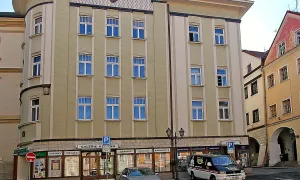
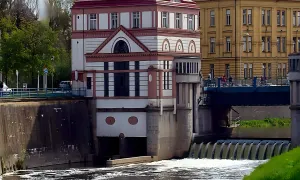
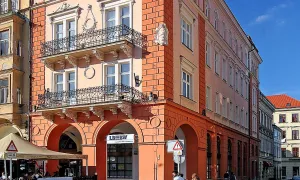
Real photos taken near the monument

Zdroj a licence jsou uvedeny u každého snímku.
Tips from visitors
No tips yet. Be the first!
Log in and add your tip.
Sources and literature
Photos: Kixx / CC BY-SA 3.0 — Wikimedia Commons. The author and licence also appear when you hover over the image.
Faktickým podkladem tohoto textu byl článek na Wikipedii, jehož autory jsou přispěvatelé Wikipedie. Článek je dostupný pod licencí CC BY-SA 4.0.
Location on the map
More monuments – Hradec Králové
Show all in the municipality
Příběhy a pověsti
Legendy, pověsti a příběhy spjaté s touto památkou
Fotografie návštěvníků
Zatím žádné fotografie. Buďte první, kdo přidá fotografii z návštěvy!
Log in a přidejte svou fotografii nebo hodnoťte.
Za ověřenou návštěvu v aplikaci získáte víc bodů — poznáme podle GPS, že jste na místě.
Reviews and comments