



srážka vlaků v Pardubicích Other
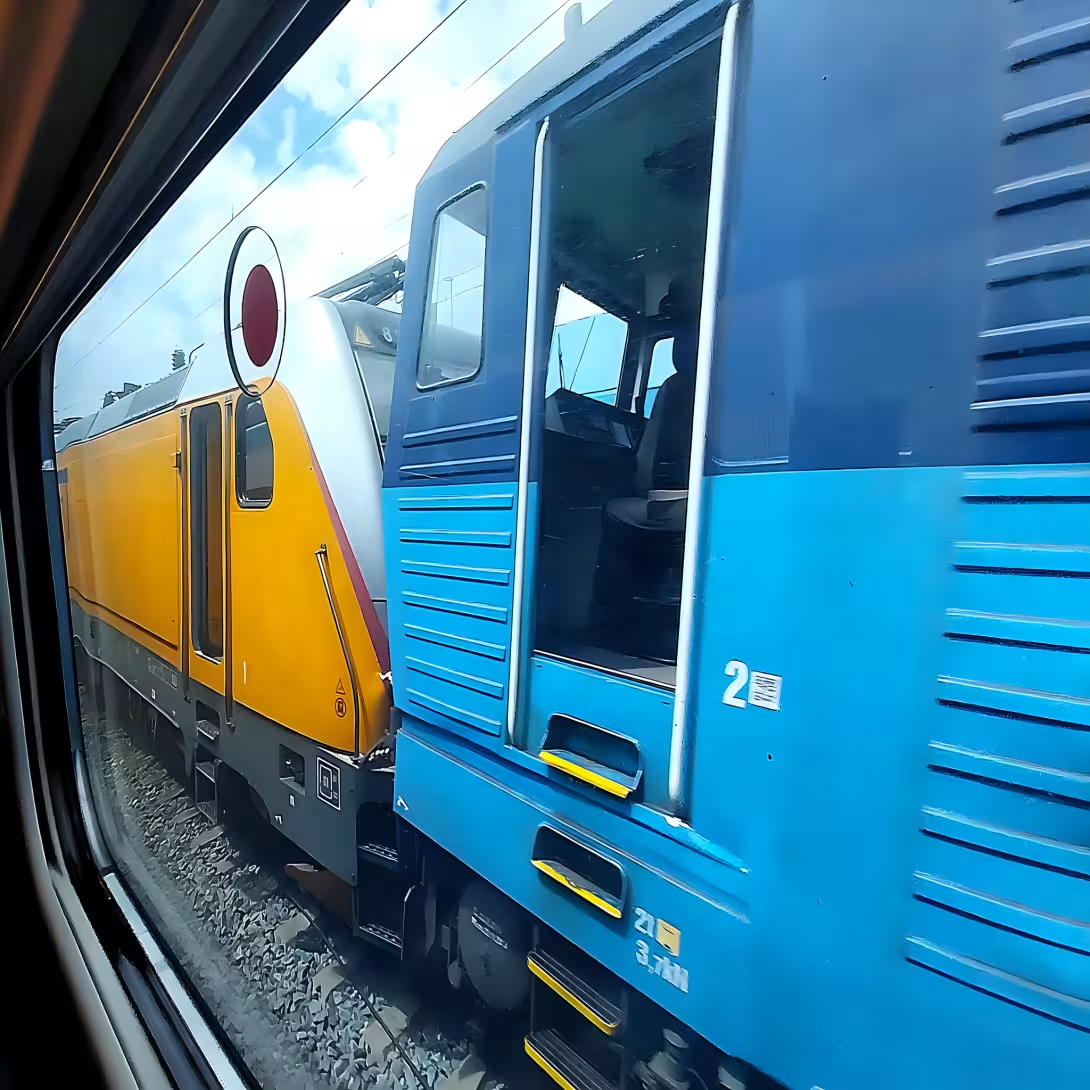
The train collision in Pardubice on June 5, 2024, is a significant event in recent Czech history due to its tragic impact. It occurred at the Kostěnické zhlaví near Pardubice's main railway station, involving an express passenger train and a freight train colliding head-on. The crash resulted in four fatalities and 27 injuries among passengers, marking it as one of the deadliest railway accidents in Czechia in nearly three decades.
Pardubice is strategically located on a crucial railway corridor linking Prague to Česká Třebová. This makes it a vital junction for trains heading towards major cities such as Ostrava, Brno, Vienna, Budapest, Košice, and Warsaw to the east, and Prague, Plzeň, and Dresden to the west. In 2021, Pardubice station began its largest reconstruction in over six decades. This extensive project included adding the European Train Control System (ETCS), remodelling tracks, and replacing adjacent infrastructure. However, by June 2024, while most of these works were completed, the ETCS system was not yet operational, scheduled for activation in January 2025. Consequently, drivers had to adhere strictly to signal aspects and travel at speeds no greater than 100 km/h.
The express passenger train involved in the collision was RJ 1021, which departed from Praha hlavní nádraží bound for Košice, with three through cars continuing as RJ 1222 to Chop. This train comprised couchette cars and regular first and second-class cars, all pulled by a Bombardier Traxx MS3 locomotive. The freight train, numbered Nex 41340, was operated by ČD Cargo and consisted of several flat wagons carrying containers, including calcium carbide in the third car onward; the first two cars were empty. It was hauled by a ČD Class 363.5 locomotive.
The collision occurred at approximately 22:49 on June 5, 2024, when these two trains met head-on at Pardubice's main station. The impact led to both trains derailing and resulted in significant casualties, marking it as the most tragic frontal train collision in Czechia in almost 30 years. This incident surpassed previous tragedies in terms of fatalities since a similar event in 2008.
In response to this disaster, Transport Minister Martin Kupka and Interior Minister Vít Rakušan visited the crash site. Prime Minister Petr Fiala described the collision as a great tragedy and extended his condolences to the families of those who lost their lives. The incident drew widespread attention due to its severity and the number of people affected.
Today, the site of the Pardubice train collision serves as a poignant reminder of the importance of railway safety and infrastructure maintenance. While it is not a traditional monument, the event's impact on public consciousness makes it significant for those interested in contemporary Czech history and transportation safety. Visitors to Pardubice can reflect on this tragic event at the site, understanding its implications for future railway operations and safety protocols. This site underscores the critical need for ongoing vigilance and improvement in rail systems worldwide.
Historical milestones
- 2024
- A head-on collision occurred between express passenger train RJ 1021 and freight train Nex 41340 at the Pardubice main station, resulting in four fatalities and 27 injuries.
Historical events
On June 5, 2024, at approximately 22:49, a head-on collision occurred between express passenger train RJ 1021 and freight train Nex 41340 at the Pardubice main station. The accident resulted in four deaths and 27 injuries.
The incident was described by ČTK as the most tragic frontal train collision in Czechia in almost 30 years, with the highest number of casualties since a similar event in 2008.
Points of interest
- The site of the train collision is near Kostěnické zhlaví, a critical junction that connects major eastern and western European cities. This strategic location underscores Pardubice's importance in continental rail networks.
- Although most reconstruction work at Pardubice station was completed by June 2024, the delay in activating the European Train Control System (ETCS) due to its scheduled start in January 2025 highlights challenges in modernizing railway infrastructure amidst ongoing projects.
- The express passenger train involved in the collision, RJ 1021, had a unique configuration with couchette cars. This type of accommodation is reminiscent of older European rail travel traditions, offering a blend of comfort and practicality for long journeys.
- Interestingly, one of the freight train's cargo included calcium carbide, a chemical used in various industrial processes. Its presence on the train adds an element of complexity to the accident's aftermath, considering the potential hazards associated with transporting such materials.
- The collision occurred at 22:49, a time when visibility and alertness might be reduced for drivers, potentially contributing to the tragic outcome. This timing aspect underscores the importance of stringent safety protocols during night operations on railways.
Guide
This guide is narrated by a synthetic voice generated by artificial intelligence.
Show guide text
This text was created by artificial intelligence and has not been editorially reviewed. It may contain inaccuracies.
Late in the evening on June 5th, 2024, at 22 hours and 49 minutes, two express trains collided head-on at Pardubice railway station. The accident occurred at the Kostěnice junction, near the Pardubice centrum stop, which was not yet in operation at that time. Four people died and 27 passengers were injured. Both train drivers survived the accident. The Czech News Agency described it as the deadliest head-on collision between two trains in the Czech Republic in nearly 30 years. In terms of fatalities, it was the worst railway accident since 2008.
The first train was an international passenger express operated by RegioJet, traveling from Prague to Košice with the number 1021. It departed from the first platform track at the scheduled time of 22 hours and 47 minutes. According to the records of the safety system, it should have stopped at the departure signal, but the driver passed through it without stopping. The train driver accelerated the train to approximately 60 kilometers per hour. Then he realized his mistake and applied emergency brakes, stopping over roughly 160 meters. In the meantime, the train cut through a switch and entered the path reserved for the oncoming freight train. It moved from the first track to the second track and shortly after collided.
The second train was a freight express operated by ČD Cargo, traveling from Bratislava to Bremerhaven with the number 41340. It was carrying various goods in containers, including calcium carbide. The containers on the first two cars were empty. It was approaching from Česká Třebová on the second track and was supposed to cross the station to the seventh track. At the moment of collision, it was traveling at a speed of 30 to 40 kilometers per hour. Due to planned repair work on the switch at the Přelouč junction, all trains heading towards Přelouč had to travel on odd-numbered tracks.
Both locomotives were seriously damaged. The sleeping car, which was positioned immediately behind the locomotive in the express train, was hit the hardest. Its car body broke. On the freight train, the empty container from the first car was pushed onto the locomotive and destroyed its rear section. The railway inspection estimated material damage at more than 110 million crowns.
The express train was carrying mainly citizens of Slovakia and Ukraine. Two women from Slovakia and two from Ukraine died. The railway inspection refused to speculate whether it was a technical fault, human error, or a combination of both. It announced that the investigation would take several months.
Tips for visitors
These seasons also offer pleasant lighting conditions for photography enthusiasts who wish to capture the historical significance of the location. Additionally, visiting outside peak tourist seasons ensures a quieter experience, allowing visitors to reflect on the event in a more personal and undisturbed manner.
Visitors can drive to the site or use public transport for convenience. It's advisable to check current transportation schedules online before your visit to ensure a smooth journey.
When planning your visit, consider bringing comfortable walking shoes as you may want to explore the area around the station. A camera or smartphone is recommended for capturing photographs of the site and its surroundings. Additionally, carrying water, snacks, and weather-appropriate clothing will enhance your experience, especially if you plan to spend several hours at the location.
For photography enthusiasts, the main station's platforms offer compelling vantage points during the golden hour—shortly after sunrise or before sunset—when the light is soft and warm. This lighting can add a poignant touch to photographs of the site, capturing its historical essence. Be mindful of respecting any memorial areas or signs that may be present.
Nearby attractions within 30 minutes include the Pardubice Chateau, which showcases beautiful architecture and art collections. The chateau offers insight into the region's history and culture. Additionally, visitors can explore the nearby Pardubice Racecourse, known for its traditional trotting races.
Families with children may find the area around Pardubice engaging due to its historical significance and educational value. The Pardubice Chateau, in particular, offers interactive exhibits that can captivate younger audiences. Parents should consider bringing along some activities or games for their children during any waiting periods or while exploring quieter areas of the site.
Frequently asked questions
Can the monument be visited?
We have not verified whether this monument is accessible. Please ask the owner or operator, or the local municipal office.
Where is the monument?
Location: Pardubice, Pardubický kraj. The map on this page shows the exact spot.
Businesses nearby
Do you run a restaurant, accommodation, shop, museum, rental, wellness or other visitor service near this monument? Show yourself directly to the people heading to it — this is how they will see you in the app and on the web:
Events nearby

Zdroj akcí: otevřená data měst a obcí ČR (Národní katalog otevřených dat) a kalendář akcí Národního památkového ústavu.
Nearby
The Pardubice main railway station is located in the city of Pardubice, within the Pardubice Region. The area around the station includes urban infrastructure typical of a regional Czech city.
Accommodation nearby
Themed route
Tematická výletní trasa: Srážka vlaků v Pardubicích a okolí
1. Srážka vlaků v Pardubicích (Historické místo) Tato památka je největší svou historií a tragédii, kdy se 8. června 1908 stala místem nejzávažnější železniční katastrofy v Česku. Navštívte místo, kde si připomínáme oběti a učíme se z minulosti pro bezpečnost budoucnosti.
2. Pardubický zámek (Zámek) Tento barokní zámek je nejen architektonickou perli, ale také domovem Pardubického muzea. Prozkoumejte jeho historii a vystavovaná díla, která odrážejí bohatou kulturní tradici regionu.
3. Pardubice (Město) Objevte centrum Pardubic s jeho krásnými barokními domy a historickým náměstím. Procházka po ulicích města nabídne pohled na architektonicky zajímavé budovy a příležitost prozkoumat místní kulturu.
4. Pardubická trati (Historický prvek) Tato železniční trať je součástí historie regionu, spojující Pardubice s dalšími důležitými městy. Prozkoumejte její význam pro rozvoj oblasti a jak ovlivnila životy místních obyvatel.
5. Pardubické náměstí (Veřejná plocha) Uprostřed Pardubic se nachází toto historické náměstí, kde se dnes konají různé kulturní akce a trhy. Je ideálním místem pro odpočinek po výletu a prohlédnutí si místního života.
Tato trasa nabídne návštěvníkům komplexní pohled na historii, kulturu a architekturu Pardubic a jejich okolí.
Seasonal recommendations
The surrounding landscape is adorned with blooming flowers and fresh greenery, creating a vibrant backdrop for exploring this historical site. The gentle warmth of the sun provides ideal lighting conditions for photography, enhancing the visual appeal of the area. Visitors should be prepared for occasional rain showers typical of spring, so wearing waterproof clothing or carrying an umbrella is advisable. This time of year usually sees fewer crowds compared to summer, making it a pleasant period for those seeking a more tranquil visit.
The lush greenery and vibrant flora are at their peak, offering stunning photo opportunities. However, this season also attracts larger crowds, particularly during weekends and holidays. To avoid the busiest times, consider visiting early in the morning or later in the afternoon when temperatures are more comfortable. Lightweight, breathable clothing is recommended to stay cool under the summer sun. Don't forget sunscreen and a hat for protection against UV rays.
The cooler temperatures make it comfortable for walking around and exploring the area without the summer heat. This season is perfect for those who appreciate the beauty of fall foliage, with fewer visitors compared to summer, allowing for a more relaxed experience. Dress in layers to accommodate the changing weather, as mornings can be chilly while afternoons remain mild. An umbrella might also be useful for unexpected rain showers typical of autumn.
The shorter days mean that visits should ideally be planned during daylight hours to fully appreciate the site's historical significance. While the cold weather can deter some visitors, those who are prepared for it will find the experience unique. Dress warmly in layers, including thermal wear, gloves, and a hat, to stay comfortable in low temperatures. Be aware of shorter opening times for facilities, as many may have reduced hours during this season.
Visualizations and artistic views


The visualisations are generated by artificial intelligence and serve as inspiration.
Photos from the area
Real photos taken near the monument


Zdroj a licence jsou uvedeny u každého snímku.
Tips from visitors
No tips yet. Be the first!
Log in and add your tip.
Sources and literature
Photos: Draceane / CC BY-SA 4.0, rozlišení zvýšeno umělou inteligencí — Wikimedia Commons. The author and licence also appear when you hover over the image.
Faktickým podkladem tohoto textu byl článek na Wikipedii, jehož autory jsou přispěvatelé Wikipedie. Článek je dostupný pod licencí CC BY-SA 4.0.
Location on the map

Příběhy a pověsti
Legendy, pověsti a příběhy spjaté s touto památkou
Fotografie návštěvníků
Zatím žádné fotografie. Buďte první, kdo přidá fotografii z návštěvy!
Log in a přidejte svou fotografii nebo hodnoťte.
Za ověřenou návštěvu v aplikaci získáte víc bodů — poznáme podle GPS, že jste na místě.
Reviews and comments