






starý hřbitov v Lidicích Cemetery
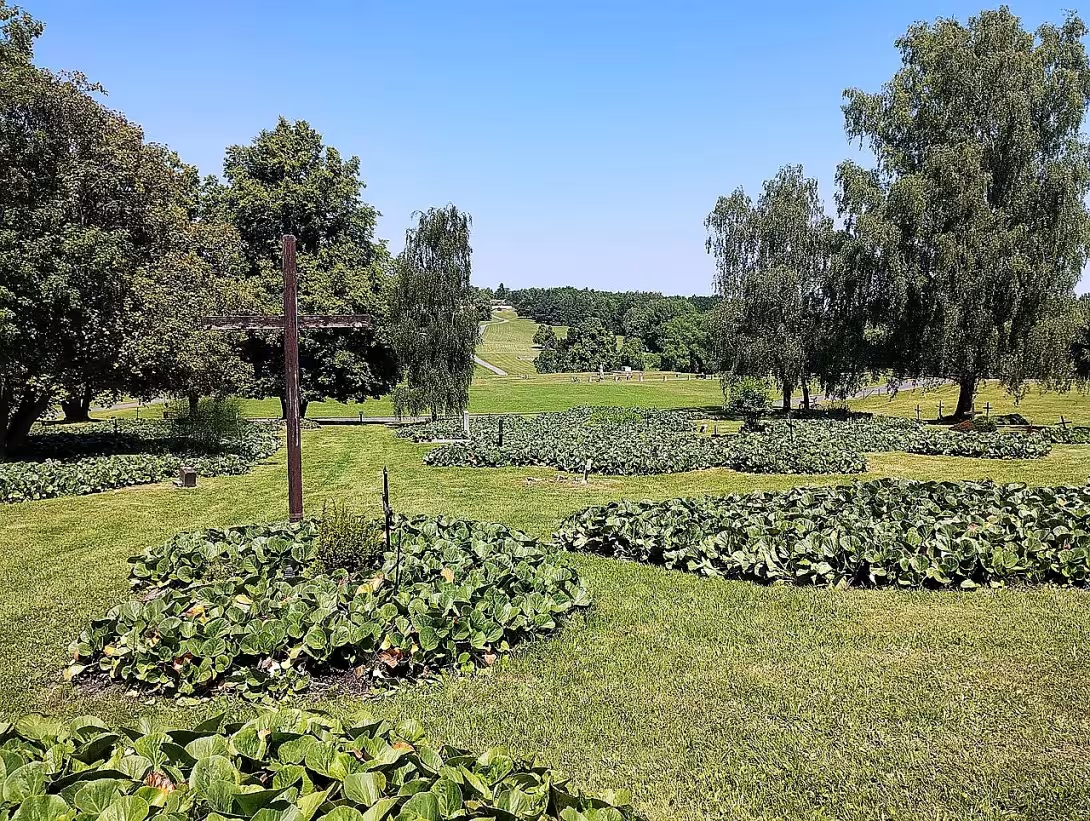
The Old Cemetery in Lidice is a poignant historical site within the Lidice Memorial area. Located in the village of Lidice, Kladno District, Středočeský Region, it was originally near the Church of St. Martin. The cemetery served the community until its destruction by Nazi forces during World War II in June 1942.
The origins of the Old Cemetery trace back to its proximity to the Church of St. Martin. As Lidice expanded, the cemetery grew on a hill in the southern part of the village, accommodating burials for locals and residents from nearby Makotřasy, Hřebeč, and Běloky. Its historical significance is linked to events following Reinhard Heydrich's assassination. Despite Lidice’s non-involvement, Karl Hermann Frank ordered its destruction on June 10, 1942.
Architecturally, the cemetery featured simple tombstones and monuments, later removed during Nazi liquidation. An enclosing wall once marked the site, with remnants still visible today. In 1942, Reichsarbeitsdienst (RAD) members filled graves and repurposed tombstones for construction in Prague.
Ownership of the cemetery changed dramatically over time. Initially a local burial ground, it fell under Nazi control during its destruction. Post-war efforts returned some tombstones to their original site, though burials no longer occur there. The Lidice Memorial complex was built between 1946 and 1962 by architects led by František Marek, preserving the memory of these events.
Key events include the systematic destruction in June 1942, where human remains were desecrated, and tombstones repurposed for construction. Nazi brutality extended to using human skulls for games and photography, highlighting their cruelty during occupation.
Today, the Old Cemetery is part of the Lidice Memorial area, preserved as a cultural monument. It is an open space with remnants of its original boundary wall and some returned tombstones. Bergenia plants and simple crosses mark the landscape, offering visitors somber reflection on the past. The site symbolizes resilience and memory for those who suffered during one of history’s darkest periods.
Visiting the Old Cemetery in Lidice provides insight into historical events' profound impact and underscores the importance of preserving such sites for future generations. It serves as a reminder of past atrocities and a symbol of remembrance and resilience, inviting visitors to honor those lost during this tragic chapter in history.
Historical milestones
- kolem 1300
- Založení hřbitova u kostela sv. Martina
- 1942
- Nacistické zničení hřbitova v červnu
- 1946-1962
- Výstavba Lidického památníku
Architectural development
The original cemetery was located near the Church of St. Martin before being moved to a nearby hill. During the destruction in 1942, tombstones and monuments were removed and transported to Prague. Currently, the site is an open area without fencing, containing only small remnants of the original boundary wall and some returned tombstones.
Historical events
- 1942
- The cemetery and the entire village of Lidice were liquidated by Nazi forces in June 1942.
- 1942
- The Reichsarbeitsdienst (RAD) filled graves and removed tombstones to be used for construction in Prague.
- 1946-1962
- The Lidice Memorial area was constructed following the design of a collective of architects led by František Marek.
Points of interest
- The Old Cemetery in Lidice was originally near the Church of St. Martin and served the community until its destruction by Nazi forces during World War II in June 1942. - Despite Lidice’s non-involvement in Reinhard Heydrich's assassination, Karl Hermann Frank ordered the village's destruction on June 10, 1942. - In 1942, Reichsarbeitsdienst (RAD) members filled graves and repurposed tombstones for construction in Prague during the Nazi liquidation of the cemetery. - The Lidice Memorial complex was built between 1946 and 1962 by architects led by František Marek to preserve the memory of these events. - Today, the Old Cemetery is part of the Lidice Memorial area, preserved as a cultural monument with remnants of its original boundary wall and some returned tombstones.
Guide
This guide is narrated by a synthetic voice generated by artificial intelligence.
Show guide text
This text was created by artificial intelligence and has not been editorially reviewed. It may contain inaccuracies.
Welcome to the Old Cemetery in Lidice, a poignant and solemn site nestled within the broader memorial area dedicated to this village's tragic history during World War II. As you stand here, take a moment to absorb the serene yet somber atmosphere that envelops you. The landscape is marked by its gentle slopes and the quietude of nature reclaiming space where once lay the final resting place for many from Lidice.
The origins of this cemetery trace back to around 1300 when it was established near the Church of St. Martin, serving as a sacred ground for the community's departed souls. Over centuries, it became an integral part of Lidice’s spiritual and communal life. However, in June 1942, amidst the turmoil of World War II, this place of peace was shattered by Nazi forces. The cemetery, along with much of the village itself, faced systematic destruction ordered by Karl Hermann Frank as a brutal retaliation for the assassination of Reinhard Heydrich.
Architecturally, while specific details about the original layout and design are not well-documented, you can sense the historical weight in the very ground beneath your feet. The cemetery was later relocated to a hill on the southern edge of Lidice, where remnants of its past linger amidst the landscape. Here, the absence is palpable—a testament to what once was.
Karl Hermann Frank’s involvement casts a long shadow over this site. As a high-ranking Nazi official and Heydrich's successor as Reich Protector of Bohemia and Moravia, his decision led not only to the destruction of Lidice but also marked one of the darkest chapters in its history. The village's non-involvement in Heydrich’s assassination did little to spare it from this fate.
A particularly haunting aspect of this site is the narrative of resilience and remembrance that follows. Despite the devastation, Lidice was rebuilt, and the memorial area now stands as a powerful reminder of both the tragedy endured and the enduring spirit of its people. It invites reflection on themes of loss, memory, and the importance of standing against tyranny.
As you continue to explore this hallowed ground, let your mind wander through history while appreciating the quiet beauty that surrounds you. The Old Cemetery in Lidice is more than just a burial site; it's a symbol of resilience and remembrance, urging us never to forget the past as we look towards the future.
We invite you now to delve deeper into the broader memorial area, where stories of courage and sacrifice await your discovery. Thank you for joining us on this journey through history. May your visit here inspire reflection and understanding.
Tips for visitors
The best time to visit the Old Cemetery in Lidice is during late spring or early autumn when the weather is mild, and the memorial area is less crowded. These seasons offer a serene atmosphere for reflection, allowing visitors to fully appreciate the historical significance of the site without the discomfort of extreme temperatures. The natural beauty surrounding the cemetery is particularly striking during these times, with blooming flowers in spring and vibrant foliage in autumn enhancing the somber yet poignant ambiance.
Parking and transportation options are convenient for those wishing to visit the Old Cemetery. There is parking available near the Lidice Memorial area, making it accessible by car. For visitors preferring public transport, local buses serve the region, though specific routes should be checked in advance through a travel search engine or local transit resources. The proximity of the new village cemetery opposite the site also makes it easy to navigate between these two historical locations.
When planning your visit, consider bringing comfortable walking shoes and weather-appropriate clothing, as you may spend time exploring both the Old Cemetery and surrounding memorial area. A camera is recommended for capturing the poignant beauty of the site, especially during golden hour when the light casts a soft glow over the ruins. The cemetery's open spaces provide excellent opportunities for photography, with the contrast between nature reclaiming the land and the historical elements creating powerful imagery.
In addition to visiting the Old Cemetery, there are other significant sites within a 30-minute drive that offer insight into the history of Lidice. The Lidice Memorial itself is an essential stop, providing detailed exhibits on the village's tragic past during World War II. Visitors can also explore nearby Terezín, known for its fortress and concentration camp history, which offers further context to the events commemorated at Lidice.
For families with children, visiting the Old Cemetery in Lidice can be a meaningful educational experience. It is important to prepare young visitors by discussing the historical context beforehand, ensuring they understand the site's significance. The memorial area includes informative displays that are accessible for all ages, helping convey the story of Lidice in an engaging manner. Additionally, the surrounding nature trails offer a chance for families to enjoy outdoor activities together after exploring the cemetery.
Businesses nearby
Do you run a restaurant, accommodation, shop, museum, rental, wellness or other visitor service near this monument? Show yourself directly to the people heading to it — this is how they will see you in the app and on the web:
Nearby
The cemetery is part of the Lidice Memorial area, and a new cemetery was established opposite the site to serve the new village of Lidice.
Accommodation nearby
Trips and activities nearby
Guided tours, tickets and activities nearby from GetYourGuide
Affiliate link: if you buy from the partner, we may receive a commission. The price for you does not change.
Search tours and activities →Themed route
Begin your thematic tour at the Starý hřbitov v Lidicích (Old Cemetery), a poignant site within the Lidice Memorial area, commemorating the tragic events of World War II. This cemetery is not only a place of remembrance but also serves as an educational journey into history, making it essential for understanding the impact of war on small communities.
Next, visit the Nový hřbitov (New Cemetery) located opposite the old site. Established to serve the new village of Lidice, this cemetery represents renewal and resilience. It stands as a testament to the rebirth of the community after its near destruction during the war, offering visitors insight into how the town has rebuilt itself.
Conclude your visit at the Lidice Memorial area itself. This site encompasses various elements that pay tribute to those who lost their lives in 1942. The memorial includes a chapel, exhibition spaces, and a museum that provide deeper context about Lidice's history and its significance during World War II. It serves as a powerful reminder of the atrocities faced by this community and underscores themes of remembrance and peace.
This tour offers a comprehensive exploration of the historical and emotional landscape surrounding the old cemetery in Lidice, providing visitors with an understanding of both past tragedies and contemporary resilience.
Seasonal recommendations
Visiting the ruins of Starý hřbitov v Lidicích offers a poignant experience, deeply influenced by the changing seasons. In spring, the atmosphere is serene and reflective as nature begins to awaken around the historic site. The soft light filtering through budding trees creates an ethereal ambiance, making it ideal for contemplation. Visitors should dress in layers to accommodate fluctuating temperatures and consider arriving early to avoid larger crowds that gather as the day warms.
Summer at Starý hřbitov v Lidicích is marked by vibrant greenery and longer daylight hours, which illuminate the ruins beautifully but can also lead to increased visitor numbers. To fully appreciate the site without feeling overwhelmed, it's advisable to visit early in the morning or later in the afternoon when the sun is less intense. Comfortable walking shoes and light clothing are recommended due to warmer weather.
Autumn transforms the area into a tapestry of warm colors with leaves turning shades of orange, red, and gold. This natural beauty enhances the somber history of the site, offering a unique perspective under the soft autumnal light. The cooler temperatures make it a pleasant time for exploration, though visitors should be prepared for potential rain showers by wearing waterproof clothing.
In winter, Starý hřbitov v Lidicích takes on a quiet and solemn atmosphere as snow may blanket the ruins, adding to their haunting beauty. The shorter days mean fewer hours of daylight, so it's best to plan your visit during midday when light is at its peak. Warm layers are essential due to the cold weather, and visitors should be mindful of icy paths that can make navigation challenging.
Visualizations and artistic views


The visualisations are generated by artificial intelligence and serve as inspiration.
Photos from the area
Real photos taken near the monument


Zdroj a licence jsou uvedeny u každého snímku.
Tips from visitors
No tips yet. Be the first!
Log in and add your tip.
Sources and literature
Fotografie: Susankovav / CC BY-SA 4.0 — Wikimedia Commons. The author and licence also appear when you hover over the image.
Faktickým podkladem tohoto textu byl článek na Wikipedii, jehož autory jsou přispěvatelé Wikipedie. Článek je dostupný pod licencí CC BY-SA 4.0.
Location on the map



Fotografie návštěvníků
Zatím žádné fotografie. Buďte první, kdo přidá fotografii z návštěvy!
Přihlaste se a přidejte svou fotografii nebo hodnoťte.
Za ověřenou návštěvu v aplikaci získáte víc bodů — poznáme podle GPS, že jste na místě.
Reviews and comments