






Svádov Castle
Objekt se nedochoval — na místě dnes nestojí. Následující text popisuje jeho historii, ne současnou návštěvu.
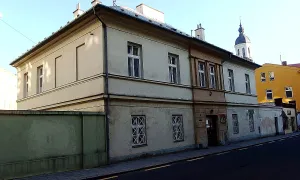
Svádov Castle stood on a hill at an elevation of 140 meters above sea level on the right bank of the Elbe in the local part of Svádov of today's city Ústí nad Labem. It was one of many castles that guarded Central European routes and dominated the landscape – until the 19th century, when it was definitively swept away by a wave of change and modernization. In its place now stands an ordinary house numbered 13, which may still conceal remnants of the old castle within its walls.
The origins of Svádov are lost in the mists of the 13th century. It is presumed that one of the Přemyslid rulers founded the castle, and it was first mentioned in writing by sources from the year 1283. At the turn of the 13th and 14th centuries, the castle came under the control of the influential Vartenberk family. The dynasty maintained it as their property through upkeep, budget, and political influence until financial difficulties forced one of its members – Zikmund Děčínský – to part with it. Before 1414, he had to sell it to Mikuláš ze Okoře. This was followed by complicated years when Mikuáš's family engaged in disputes with Bohuš ze Zvěřince over the castle, yet managed to retain it until 1452, when Jan z Vartenberka acquired it and returned it to his family.
In the following centuries, the castle gradually became less significant and changed owners. A pivotal change came with a new era in 1548, when Mikuláš ze Salhausenu purchased the castle. His descendant Bedřich decided to rebuild it into a Renaissance château, adapting it to the tastes of the new age. The Thirty Years' War caused damage, but unlike many Czech fortresses, Svádov survived. In the 60s and 70s of the 17th century, its owners had it repaired and expanded in the then fashionable Baroque style. At the turn of the 18th and 19th centuries, a local school was established here.
Its decline came swiftly. In 1814, part of the château burned down and its owner ceased to maintain it. Neglected structures collapsed and had to be demolished in 1894. On their site, a new villa was built, which still stands on the location of the old castle.
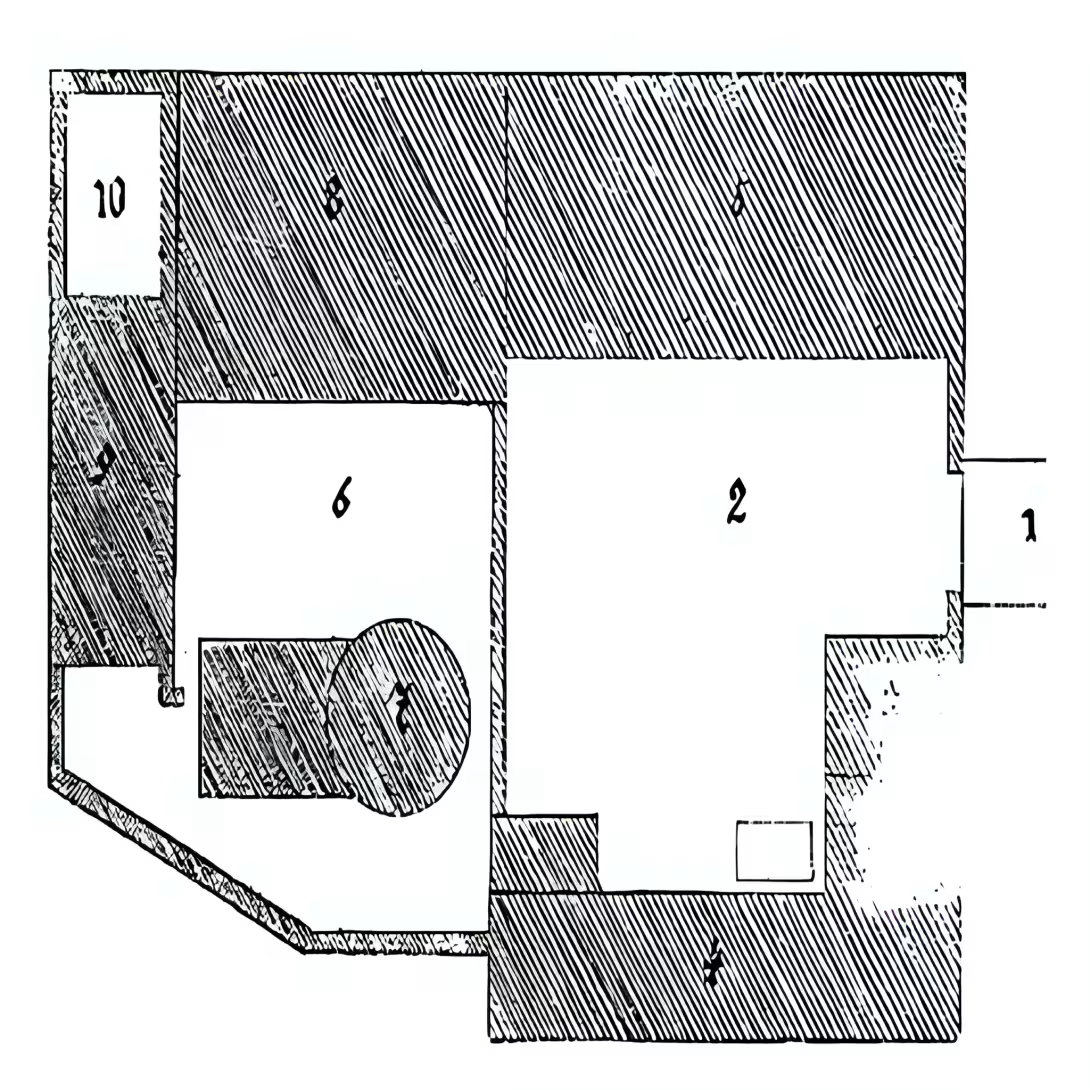
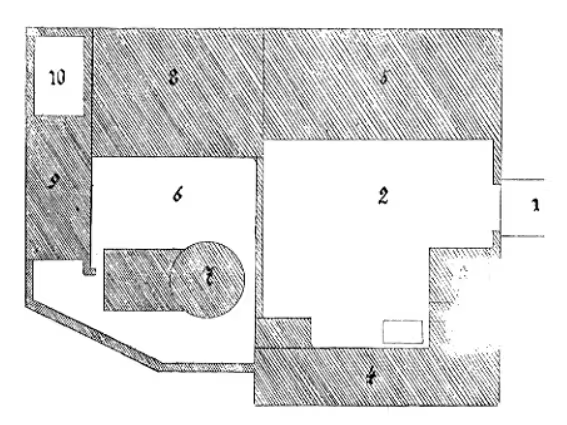
The architectural form of Svádov is primarily known from a plan from 1720, published by historian František Sedláček. The castle was surrounded by a moat and had an oblong bailey. In its center was a characteristic pentagonal core with a bergfrit and residential palace. During later renovations, another building was added to the rear, likely in the space of the original fortification. According to some theories, on the site of the old royal castle, the Vartenberkové built a bergfried-type castle. It is interesting that the castle also bears historical names such as fortress or manor, indicating changes in its status and position.
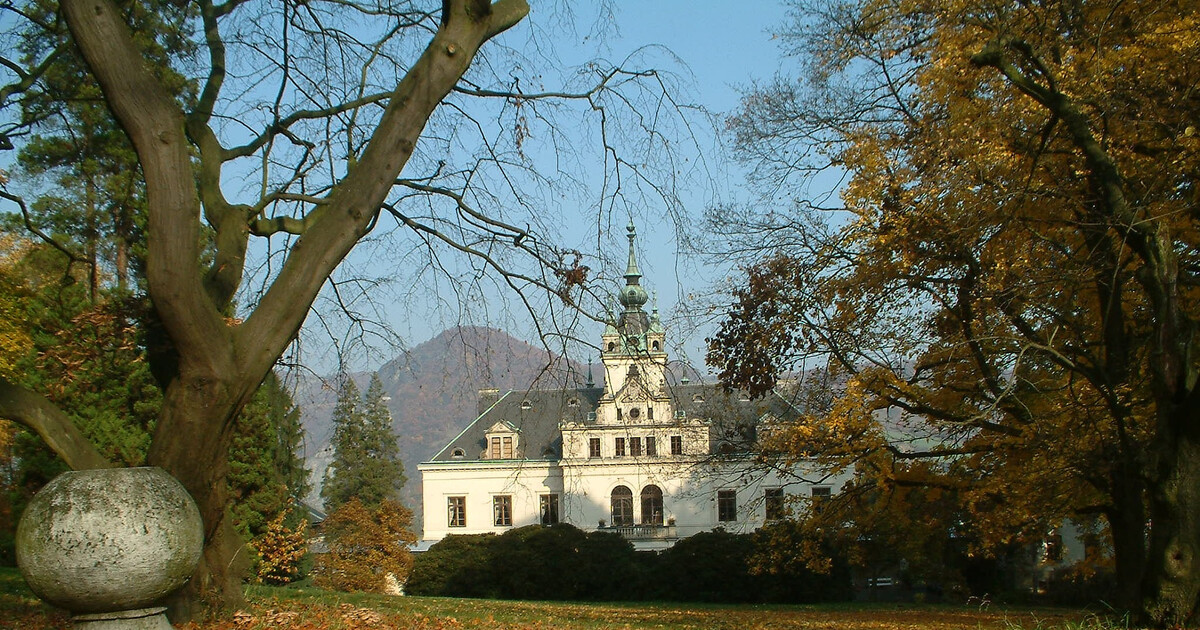
The present-day villa on the castle's site likely contains masonry from the castle palace or château – the only tangible reminder of the centuries of fascinating history written here.
Then and now
Drag the slider to compare how the landmark may have looked when it was built with the view today.

The historical appearance on the left is an AI-generated visualisation and serves as inspiration only.
Historical milestones
- 1283
- The castle is first mentioned in writing.
- 1548
- Mikuláš ze Salhausenu purchased the castle and later had it rebuilt into a Renaissance-style château.
Architectural development
The Svádov Castle underwent several architectural phases. Originally Gothic, it was later rebuilt into a Renaissance castle by Bedřich ze Salhausenu. During the Thirty Years' War, it suffered damage and in the 17th century was repaired and expanded in Baroque style. A plan from 1720 shows the ground plan situation with the forecourt, core of the castle, and bergfrit.
Historical events
- 1283
- The castle is first mentioned in writing.
- 1414
- Zikmund Děčínský z Vartenberka sells the castle to Mikuláš ze Okoře.
- 1548
- Mikuláš ze Salhausenu buys the castle and later has it rebuilt into a Renaissance-style château.
Points of interest
– The Svádov Castle stood on a hill at an elevation of 140 meters and dominated the landscape until the 19th century.
– The origins of the castle are lost in the mists of the 13th century, with the first written mention dating to 1283.
– From the turn of the 13th and 14th centuries, it was under the control of the Vartenberks, who held it as their property until the 15th century.
– In 1548, Mikuláš ze Salhausenu rebuilt the castle into a Renaissance château, followed later by Baroque modifications.
– The villa on the site of the castle likely contains masonry from the original castle palace.
Guide
This guide is narrated by a synthetic voice generated by artificial intelligence.
Show guide text
This text was created by artificial intelligence and has not been editorially reviewed. It may contain inaccuracies.
Welcome to a place full of history and mystery, where today we meet with the monument of castle Svádov. You are standing in front of a place where a castle complex once formed, which has long maintained its place in the landscape and in society. Although the remnants of the wall fortifications themselves are no longer visible, there is a sense of past that can feel through the lost towers and walls. Imagine a place where once stood a castle on the top overlooking the Elbe, a majestic structure dominating the landscape.
The castle Svádov has its roots in the 13th century and the first written mention of it dates back to 1283. This historical castle evolved over the years, moving from Gothic to Renaissance and Baroque styles. Its creation was linked to the need for a defensive mansion and a centre of power for noble families, especially the Vartenberks, who held the castles as their property after several decades. After the turn of the 13th and 14th centuries the castle became part of noble strategies of power and influence.
Now, if you look at the place where the castle once stood, notice its former environment. Look up - here it was beautiful and power that could be seen far across the landscape. Although the castle is no longer there, its traces remain in the history and structure of the present villa, which now occupies this position.
The castle Svádov was associated with a number of key personalities. Vartenberkové played a crucial role in its history, holding the castle until the 15th century. Later, figures like Mikuláš ze Salhausenu appear, which bought and rebuilt the castle into a Renaissance castle in 1548, or Bedřich ze Salhausenu, which continued to change. Each of these personalities contributed in part to the history and architecture of the castle.
The interesting thing is that even after many tables and financial difficulties, the property of the castle was constantly changing. In the 19th century, the castle was abandoned, which led to its destruction. Today, the site is a monument to the past and a reminder of the thousands of years of history in this area.
I hope this guide inspired you to explore further historical sites in Ústí nad Labem. May your journey fill with discoveries and curiosity in the past of this fascinating area. Thank you for your attention and have a nice day!
For kids
Imagine going back to the past. You will return to the time when castle Svádov stood as guardian of the region against Poland. It was a bad time when people fought for their countries and cities.
Who lived here? It was the gentlemen who built the castle to rule over this land. There were women and children who helped them with their homes. And, of course, there were soldiers who protected the castle from its enemies.
Businesses nearby
Do you run a restaurant, accommodation, shop, museum, rental, wellness or other visitor service near this monument? Show yourself directly to the people heading to it — this is how they will see you in the app and on the web:
Events nearby

Zdroj akcí: otevřená data měst a obcí ČR (Národní katalog otevřených dat) a kalendář akcí Národního památkového ústavu.
Nearby
V okolí hradu se nachází přírodní rezervace a další historické památky.
Visualizations and artistic views


The visualisations are generated by artificial intelligence and serve as inspiration.
Photos from the area
Real photos taken near the monument


Zdroj a licence jsou uvedeny u každého snímku.
Tips from visitors
No tips yet. Be the first!
Log in and add your tip.
Sources and literature
Photos: Anton Tscherney / Public domain, rozlišení zvýšeno umělou inteligencí — Wikimedia Commons. The author and licence also appear when you hover over the image.
Faktickým podkladem tohoto textu byl článek na Wikipedii, jehož autory jsou přispěvatelé Wikipedie. Článek je dostupný pod licencí CC BY-SA 4.0.
Location on the map



Příběhy a pověsti
Legendy, pověsti a příběhy spjaté s touto památkou
Fotografie návštěvníků
Zatím žádné fotografie. Buďte první, kdo přidá fotografii z návštěvy!
Log in a přidejte svou fotografii nebo hodnoťte.
Za ověřenou návštěvu v aplikaci získáte víc bodů — poznáme podle GPS, že jste na místě.
Reviews and comments