






Svatohorská rezidence Jesuit residence
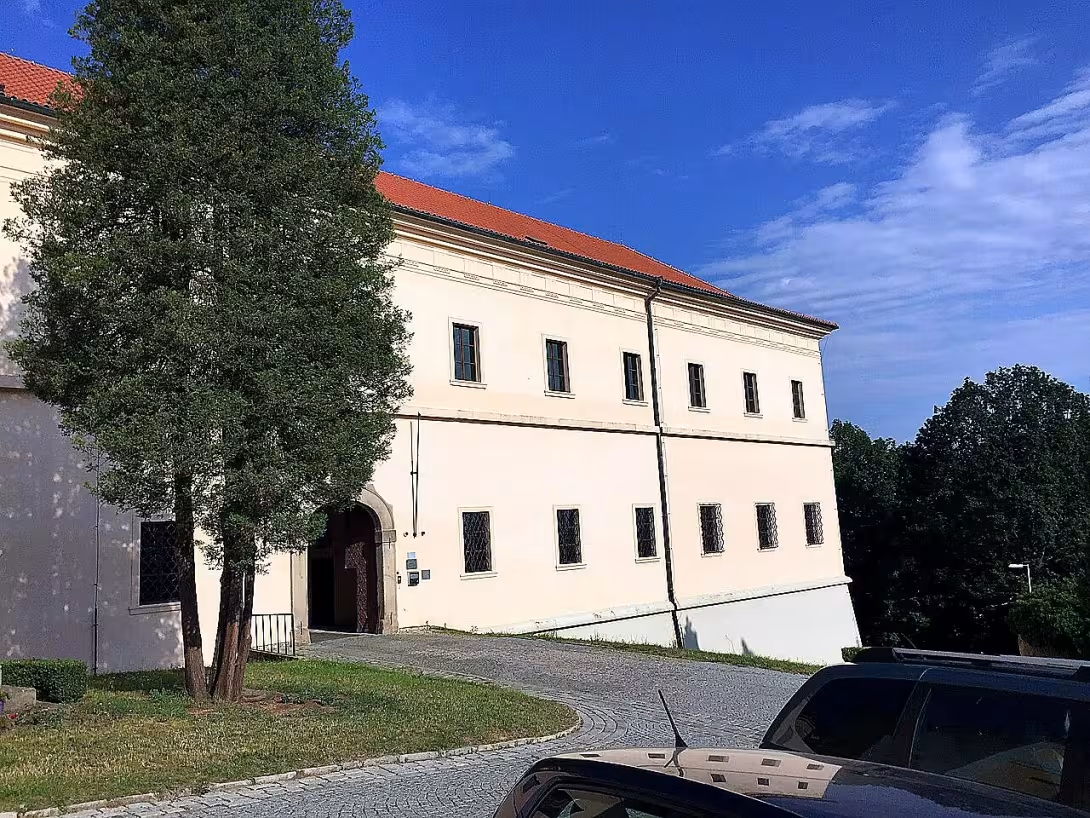
Svatohorská Rezidence is a historically significant complex near the pilgrimage site of Svatá Hora u Příbrami in Středočeský kraj. Established by the Jesuits in 1647, it served as an important religious and cultural hub during their tenure. The residence showcases various architectural styles due to its phased construction over several centuries. Its historical significance is highlighted by its role as a center of administration for Svatá Hora and its transformation through different religious orders.
The origin of Svatohorská Rezidence dates back to 1647 when the Jesuits took control of Svatá Hora, initiating significant development and construction efforts. Architect Carlo Lurago was commissioned in 1662 to design a spacious residence with a central garden court, reflecting the Baroque architectural style prevalent during this period. Construction progressed slowly due to financial constraints, prioritizing the church over residential buildings. By 1682, the southern and eastern wings were completed, marking a key phase in its development. However, plans for further expansion in 1714 were halted by a plague outbreak, leading the Jesuits to continue modifying existing structures until their suppression in 1773.
The architectural evolution of Svatohorská Rezidence is evident in its diverse building styles and elements. The eastern wing, known as Proboštství or the former Jesuit residence, remains the oldest part of the complex. It was initially designed to accommodate both pilgrims and the Jesuits themselves. Over time, this section underwent modifications to serve as a comfortable manor-like residence for subsequent administrators. The southern wing, constructed simultaneously with the northern ambience of the basilica, originally served as a connecting corridor but later became a library before being transformed into an information center and museum in 2015.
Ownership and administration of Svatohorská Rezidence have changed hands several times. After the Jesuits were suppressed by Pope Clement XIV in 1773, local Příbram priests took over, with the title of svatohorský probošt being granted to them in 1796. They resided in the eastern wing and made further modifications to suit their needs. In 1861, the Redemptorists assumed control, marking another significant shift in the site's administration.
Throughout its history, Svatohorská Rezidence has witnessed several key events and curiosities. The Biskupský pokoj within the eastern wing houses a copy of Petr Brandl's 'Annunciation' painting, adding to its artistic significance. In 2015, as part of a broader restoration project for Svatá Hora, the residence underwent extensive reconstruction. This included restoring original vaults and frescoes in the Proboštství, which now serve as representational and exhibition spaces.
Today, Svatohorská Rezidence stands as a testament to its rich historical legacy. The complex is accessible to visitors who can explore its architectural beauty and historical significance. The modern museum located in the southern wing's cellar offers insights into the site's past, while the surrounding garden, though no longer used for its original purpose, features a functioning beehive producing honey from local bees. This blend of history, architecture, and cultural heritage makes Svatohorská Rezidence a compelling destination for those interested in exploring the layers of Bohemia's religious and architectural evolution.
Svatohorská Rezidence invites visitors to delve into its storied past, offering a unique glimpse into the spiritual and cultural transformations that have shaped this region. Its enduring legacy as a center of faith and administration continues to captivate those who walk through its historic halls.
Then and now
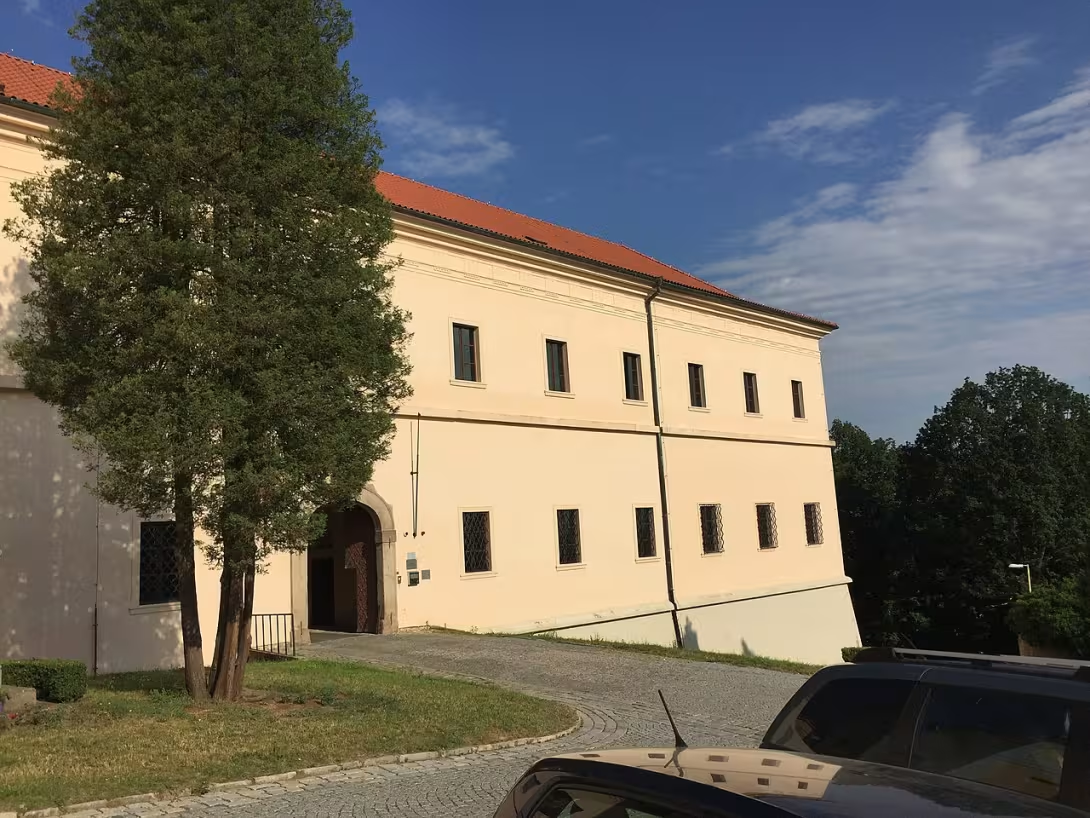
Drag the slider to compare how the landmark may have looked when it was built with the view today.
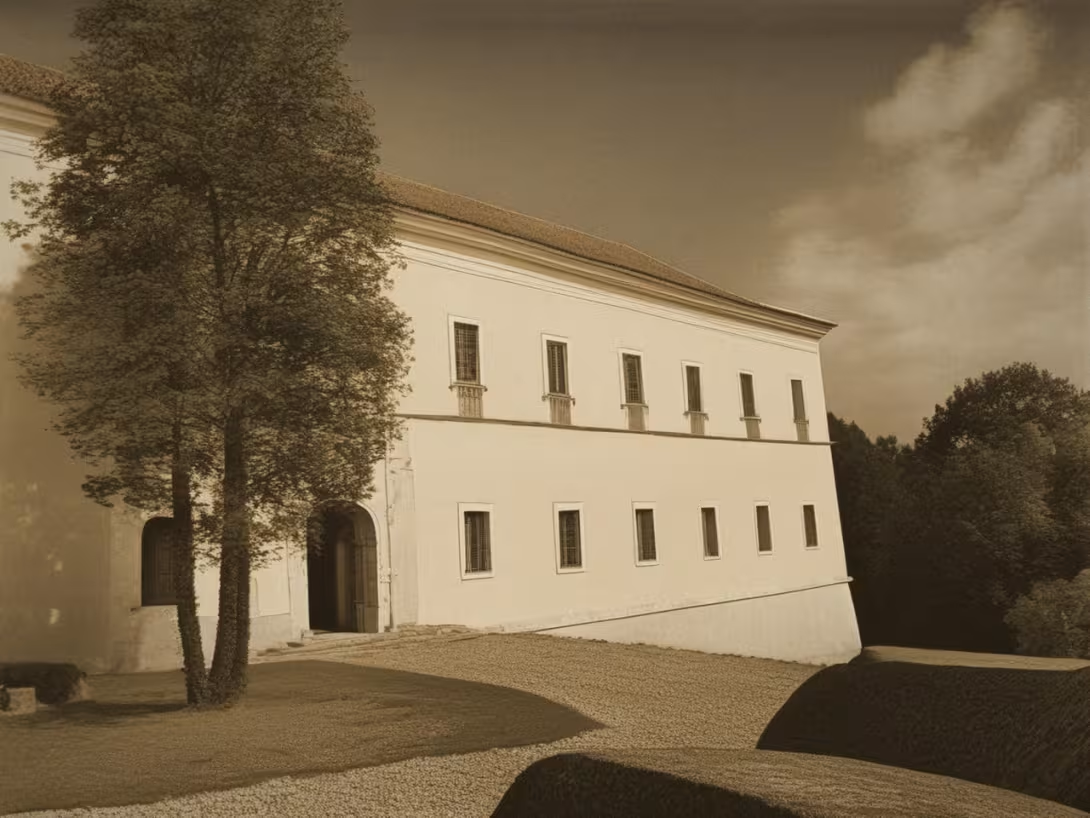
The historical appearance on the left is an AI-generated visualisation and serves as inspiration only.
Historical milestones
- 1662
- Construction of Svatohorská rezidence began.
- 1682
- Completion of the southern and eastern wings.
- 1773
- Suppression of the Jesuit order led to a change in administration.
Architectural development
Construction began in 1662 under architect Carlo Lurago's plans, with initial phases focusing on creating a spacious residence. The development was slow due to financial constraints, prioritizing the church over the residence. By 1714, discussions for a new building arose but were halted by a plague outbreak. Post-1773, modifications continued until the Redemptorists took over in 1861.
Historical events
The Jesuits took over the administration of Svatá Hora in 1647, initiating significant construction and development.
In 1682, the southern and eastern wings of the residence were completed, marking a key phase in its development.
The suppression of the Jesuit order by Pope Clement XIV in 1773 led to a change in administration.
Owners
Jesuits (1647-1773), Příbram priests (1796-1861), Redemptorists (from 1861)
Points of interest
- The construction of Svatohorská Rezidence was significantly delayed due to financial limitations, which led the Jesuits to prioritize building the church over residential structures. This decision reflects the complex's historical emphasis on religious functions.
- In 1714, a planned expansion of the residence was abruptly halted by a plague outbreak, forcing the Jesuits to focus on modifying existing buildings rather than constructing new ones. This interruption highlights the vulnerability of architectural projects to unforeseen events in history.
Guide
This guide is narrated by a synthetic voice generated by artificial intelligence.
Show guide text
This text was created by artificial intelligence and has not been editorially reviewed. It may contain inaccuracies.
Welcome to the Svatohorská Rezidence, a remarkable historical complex nestled near the pilgrimage site of Svatá Hora u Příbrami in Středočeský kraj. As you stand here, imagine yourself stepping back into time, surrounded by an aura steeped in history and spirituality. The air is filled with the whispers of centuries past, inviting you to explore this architectural gem that once served as a vital administrative center.
Let's delve into its origins. In 1647, the Jesuits established this site, laying down roots for what would become an influential religious and cultural hub. By 1662, construction began on this grand complex, with Carlo Lurago at the helm of its architectural vision. Over the next two decades, until 1682, the southern and eastern wings were completed, marking a significant phase in its development.
As you take in your surroundings, notice the blend of architectural styles that define this place. Each building tells a story through its design, reflecting the phased construction over several centuries. The complex's layout invites you to wander through its corridors, where history lingers in every corner.
The Jesuits' influence is deeply embedded here, but their tenure came to an abrupt end in 1773 with the suppression of the order. This pivotal moment led to a change in administration, forever altering the site's trajectory.
Now, let's explore some intriguing aspects that make this place unique. Did you know that financial constraints significantly delayed the construction? The Jesuits prioritized building the church over residential structures, underscoring their dedication to religious functions above all else. This decision highlights the complex's historical emphasis on spirituality and community service.
In 1714, plans for expansion were considered, adding another layer of intrigue to its history. While many details remain shrouded in mystery, these glimpses into the past invite us to ponder what might have been.
As we conclude our journey here at Svatohorská Rezidence, I encourage you to continue exploring this fascinating site. Wander through its grounds, absorb the atmosphere, and let your imagination take flight as you uncover more stories etched in stone. Thank you for joining me on this historical adventure, and may your curiosity lead you to many more discoveries.
Tips for visitors
The best time to visit Svatohorská rezidence is during late spring or early autumn when the weather is mild, and the historic garden surrounding the site is in full bloom. This period offers pleasant temperatures for exploring the area's terraced gardens and enjoying the natural beauty without the crowds of peak summer months. Additionally, visiting outside the main tourist season can provide a more serene experience, allowing you to appreciate the architectural details and historical significance of the Jesuit residence in peace.
Parking is available near Svatohorská rezidence, making it accessible for those traveling by car. For visitors preferring public transportation, the site can be reached via bus services from Příbram; however, specific routes should be checked in advance using a local transport search tool to ensure the most direct and convenient travel option. The proximity of the pilgrimage site Svatá Hora suggests that there may be shared or nearby parking facilities, which could also serve visitors heading to both locations.
When planning your visit, it's advisable to bring comfortable walking shoes as exploring the terraced gardens and stone walls around Svatohorská rezidence involves some walking on uneven surfaces. Additionally, carrying a water bottle, sunscreen, and perhaps a hat or umbrella for sun protection is wise, especially during warmer months. For those interested in photography, bringing a camera with a zoom lens can be beneficial to capture the intricate details of the architecture and the expansive views from the gardens.
For photography enthusiasts, early morning or late afternoon provides the best natural lighting conditions to photograph Svatohorská rezidence and its surroundings. The soft light during these times enhances the textures of the stone walls and brings out the colors in the historic garden. Capturing images from the terraced gardens offers a unique perspective on the site's layout and its integration with the natural landscape, making it an ideal spot for both wide-angle shots and detailed close-ups.
Families visiting Svatohorská rezidence can enjoy exploring the historic garden and learning about the area's Jesuit history. The presence of a functioning beehive nearby offers an educational opportunity to learn about beekeeping and its importance in maintaining healthy ecosystems. For those traveling with children, planning a visit to the pilgrimage site of Svatá Hora within 30 minutes' drive can provide a varied experience, combining cultural heritage with natural beauty and outdoor activities.
Businesses nearby
Do you run a restaurant, accommodation, shop, museum, rental, wellness or other visitor service near this monument? Show yourself directly to the people heading to it — this is how they will see you in the app and on the web:
Events nearby


Zdroj akcí: otevřená data měst a obcí ČR (Národní katalog otevřených dat) a kalendář akcí Národního památkového ústavu.
Nearby
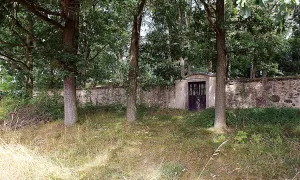
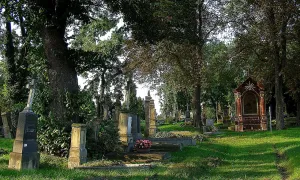
Svatohorská rezidence is near the pilgrimage site Svatá Hora, featuring a historic garden and a functioning beehive. The area includes natural features like terraced gardens enclosed by high stone walls.
Accommodation nearby
Themed route
Thematic Walking Tour: Svatohorská Rezidence and Surroundings
1. Svatohorská Rezidence (Jezuitská Residence) *Type:* Historical Site *Why Visit:* Begin your journey at the heart of this cultural gem, the Svatohorská Rezidence, where you can immerse yourself in the rich history and architectural beauty of a former Jesuit residence. Explore its well-preserved interiors that reflect the grandeur of Baroque design.
2. Svatá Hora Pilgrimage Site *Type:* Religious and Cultural Landmark *Why Visit:* A short walk from the Rezidence, Svatá Hora is a significant pilgrimage destination known for its spiritual heritage and stunning views. The site offers a serene atmosphere perfect for reflection and appreciation of its historical importance.
3. Historic Garden *Type:* Cultural Landscape *Why Visit:* Adjacent to the pilgrimage site, this historic garden showcases beautifully terraced landscapes enclosed by high stone walls. Wander through the meticulously maintained paths to experience tranquility amidst nature's artistry, which complements the spiritual ambiance of Svatá Hora.
4. Functioning Beehive *Type:* Cultural and Educational Feature *Why Visit:* Discover the fascinating world of beekeeping at this unique beehive located near the garden. Learn about traditional beekeeping practices while enjoying the sight and sounds of bees at work, offering a delightful educational experience for visitors of all ages.
5. Terraced Gardens *Type:* Natural Feature *Why Visit:* Conclude your tour by exploring the terraced gardens that surround Svatá Hora. These picturesque landscapes are not only visually stunning but also highlight the harmonious blend of human ingenuity and natural beauty, providing a peaceful setting for contemplation.
This thematic walking tour offers a comprehensive exploration of the cultural and historical treasures surrounding the Svatohorská Rezidence, ensuring an enriching experience in Příbram.
Seasonal recommendations
Spring: Visiting Svatohorská rezidence during spring offers a unique experience as the surrounding landscape bursts into life with vibrant colors and fresh blooms. The natural beauty of the area is accentuated by gentle rains that nourish the lush greenery, creating a picturesque setting for exploring the historical site. This season often sees fewer visitors than summer, allowing for a more tranquil visit. It's advisable to wear comfortable layers as temperatures can vary, with cooler mornings and warmer afternoons. Early spring might still have some lingering cold spells, so carrying an umbrella is wise due to occasional showers.
Summer: Summer at Svatohorská rezidence is characterized by long days filled with warm sunshine, making it perfect for outdoor exploration of the estate's gardens and grounds. This is the peak tourist season, so expect larger crowds and plan accordingly by arriving early in the morning or later in the afternoon to avoid the busiest times. The lush greenery provides a refreshing backdrop, but be sure to wear light, breathable clothing and bring sunscreen and a hat for protection against the sun. Hydration is key, so carrying water with you is recommended.
Autumn: Autumn brings a stunning display of fall foliage around Svatohorská rezidence, painting the landscape in warm hues of red, orange, and yellow. The cooler temperatures make this an ideal time to explore without the summer heat, although it's wise to be prepared for occasional rain showers that can enhance the vibrant scenery. This season tends to have moderate visitor numbers, providing a comfortable balance between tranquility and accessibility. Dressing in layers is advisable as mornings can be chilly but afternoons remain mild.
Winter: The winter months transform Svatohorská rezidence into a serene and enchanting destination, with snow-covered grounds offering a magical atmosphere. While the estate may have reduced opening hours during this time, it provides a peaceful setting for those seeking solace away from bustling holiday crowds. Visitors should dress warmly in layers to combat the cold and consider bringing gloves and hats. The shorter daylight hours mean planning your visit to make the most of the available light, and checking ahead for any seasonal closures or special events is advisable.
Visualizations and artistic views


The visualisations are generated by artificial intelligence and serve as inspiration.
Photos from the area
Real photos taken near the monument

Zdroj a licence jsou uvedeny u každého snímku.
Tips from visitors
No tips yet. Be the first!
Log in and add your tip.
Sources and literature
Fotografie: Precarius de Lova / CC BY-SA 4.0 — Wikimedia Commons. The author and licence also appear when you hover over the image.
Faktickým podkladem tohoto textu byl článek na Wikipedii, jehož autory jsou přispěvatelé Wikipedie. Článek je dostupný pod licencí CC BY-SA 4.0.
Location on the map
Příběhy a pověsti
Legendy, pověsti a příběhy spjaté s touto památkou

Fotografie návštěvníků
Zatím žádné fotografie. Buďte první, kdo přidá fotografii z návštěvy!
Přihlaste se a přidejte svou fotografii nebo hodnoťte.
Za ověřenou návštěvu v aplikaci získáte víc bodů — poznáme podle GPS, že jste na místě.
Reviews and comments