






Tlestky Motte
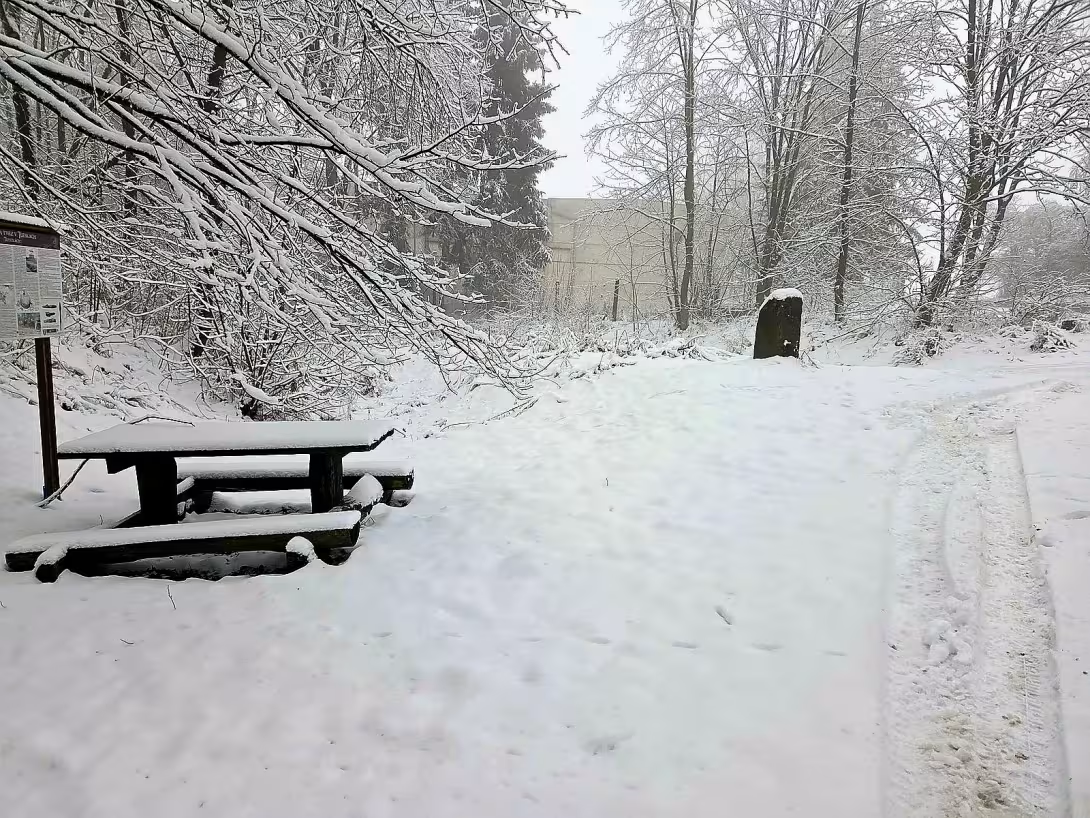
Tlestky is a medieval castle place in the village near Drahouše, in the area of Rakovnice. It comes from the second half of the 13th century, has an oval fortification protected as a cultural monument since 1965. This place has historic significance due to its connection with the Hussite wars and unique archaeological findings.
The origin of Tlestky dates back to the second half of the 13th century when it was founded as a noble place. Although the concrete details of its construction are small, the first documented mention of the village dates back to 1419. The existence of the castle during this period is related to the political consolidation in Bohemia under the Premyslid dynasty, which played a key role within the Holy Roman Empire.
In architecture, Tlestky consisted of a single structure, probably tower-like, built on a stone base with a square base. It remains uncertain whether this building was part of the original building or later completed. Surrounded by the castle were defensive features such as moat and waterfront, although only one third survived to this day. The moat had a depth of approximately 3.5 metres and a width of 13 metres, while the adjacent waterfront stood two metres high.
The details of ownership are limited; However, it is known that Tlestky was a noble seat during its time. The castle met around 1424 when it was probably destroyed by fire during the retreat of Hussite forces from Pilsen. This event was an important moment in the broader context of the Hussite wars, characterised by religious and social upheaval throughout Europe.
Among the interesting discoveries on Tlestky is a pitcher with a trough found in 1961, which is used to pour liquids or wash hands during meals. This jug has been filled with over 400 small glass beads whose exact function remains uncertain. While such beads are commonly discovered in the castle and the city dig, their collective presence here is unusual because they are usually found individually.
Today the Tlestky site is located on the property behind house number 20 and is freely accessible to visitors. Despite its historical significance, this area is not marked by any tourist or cycling paths that offer more remote research experience. The preservation of this medieval fortification provides valuable insights into the architectural and social history of the region.
Visit Tlestky offers a unique opportunity to connect with the past and explore the remnants of the site that played a role in major historical events. Its well preserved features and interesting archaeological findings make it a valuable destination for those interested in medieval history and architecture.
Then and now
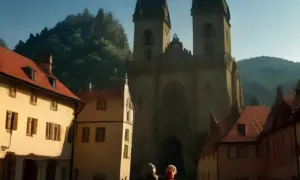
Drag the slider to compare how the landmark may have looked when it was built with the view today.
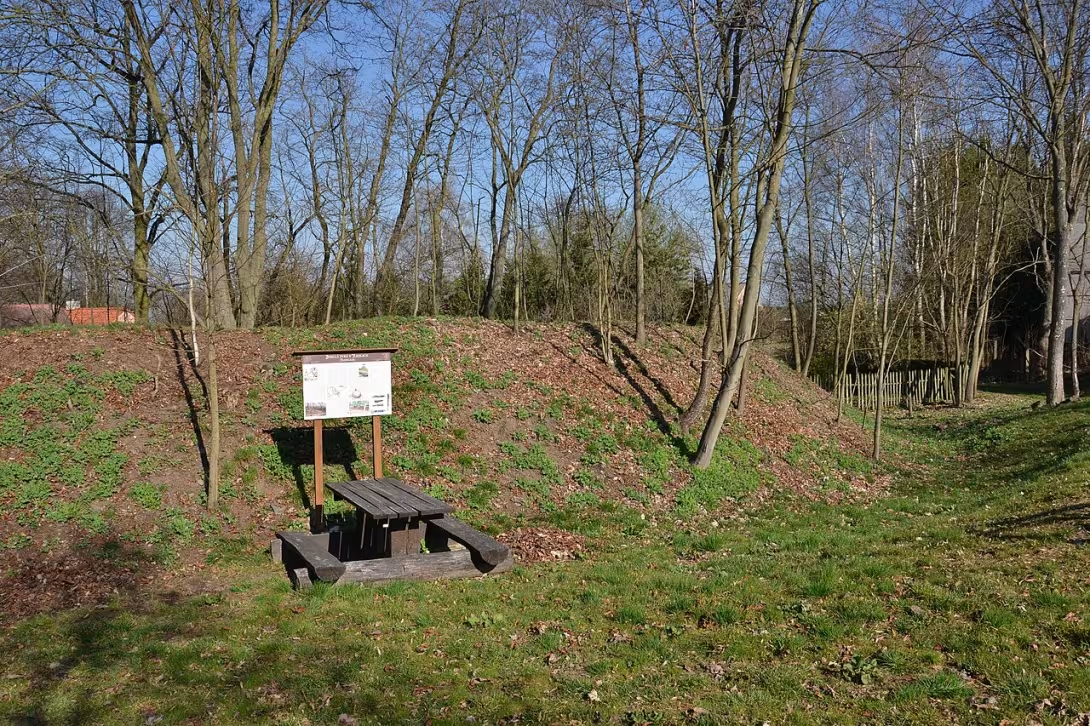
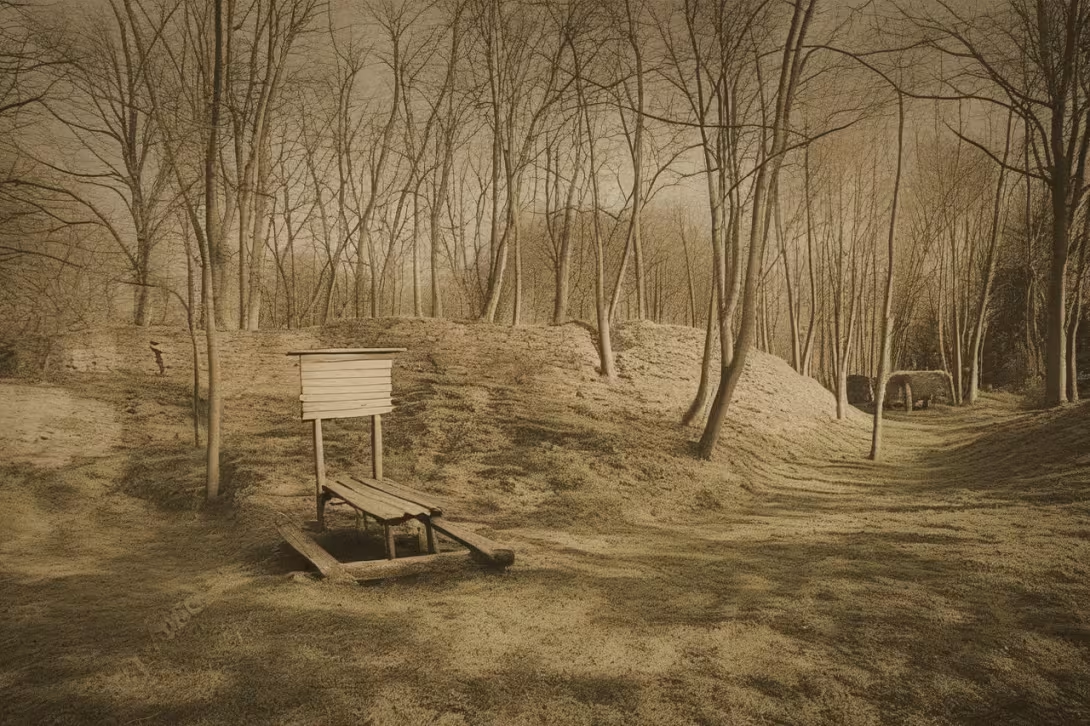
The historical appearance on the left is an AI-generated visualisation and serves as inspiration only.
Historical milestones
- end 13th century
- Establishing Tlestky as a noble place.
- 1419
- First written mention of the village Drahouš, where Tlestky is located.
- 1424
- The destruction of the castle during the retreat of the Hussite forces from Pilsen.
- 1961
- The discovery of a pot containing more than 400 small glass pearls.
- 1965
- Protection of fortifications of the castle as cultural monuments.
Architectural development
Tlestky consisted of a single, probably tower-like building on a stone foundation with a square base. It is not clear whether this construction was part of the original construction or later added. The castle was surrounded by moat and waterfront, although only one third of these functions survived.
Historical events
The first documented mention of the village dates back to 1419.
The castle was probably destroyed by fire around 1424 during Hussite wars.
Points of interest
- Despite its medieval origin, the most interesting find Tlestky was a pitcher containing over 400 small glass beads, the purpose of which remains a mystery because such large collections are rarely found in archaeological sites.
- The castle in Tlestky probably ended around 1424 when it was destroyed by fire during the retreat of Hussite forces from Pilsen, which means an important moment in the religious and social uprising of the Hussite wars.
- While the specific details about the construction of Tlestky are thin, it is considered to contain a single tower - as a construction built on a stone base with a square base, although it is uncertain whether it was part of the original design or added later.
- The defensive function surrounding Tlestky included a moat about 3.5 m deep and 13 m wide, alongside the waterfront two meters high, although only one third of these structures survived to the present day.
- Today, visitors can explore the Tlestky site freely as it is located on the private property behind the house number 20, offering isolated experience away from tourist routes, providing insights into medieval architecture and history.
Guide
This guide is narrated by a synthetic voice generated by artificial intelligence.
Show guide text
This text was created by artificial intelligence and has not been editorially reviewed. It may contain inaccuracies.
Welcome to the historic site Tlestky, nestled in a charming village near Drahouše in the Rakovice region. When you stand here, imagine returning to a time when knights wandered and castles stood high against the horizon. In front of you lies an oval fortification that whispers stories from centuries ago.
Tlestky appeared in the second half of the 13th century as a noble residence, its origin was filled with medieval history. Although particular architects remain unknown, this site witnessed significant historical events. In 1419 Tlestky was first mentioned in connection with Drahouš and marked its place on historical maps and records.
As you take in your surroundings, notice the remains of the oval fortifications that stood the test of time. These walls are evidence of the architectural ingenuity of the ancient era, their very stones telling stories of resilience and survival. Protected as a cultural monument since 1965, this site invites you to explore its historical layer.
The history of the castle is marked by drama and confusion. Around 1424, during the retreat of Hussite forces from Pilsen, Tlestky met its fiery demise. This crucial moment in history underlines the strategic importance of this place, which once played a role in larger regional conflicts.
While many historical figures associated with Tlestky remain covered in mystery, one interesting discovery stands out - a jug containing more than 400 small glass beads. These beads found in 1961 represent a mystery: their purpose remains unknown, because such large collections are rarely revealed in archaeological sites. This finding adds a layer of intrigue to your visit and invites you to think about the lives and stories that have appeared here.
As we close this soundtrack through Tlestky, I urge you to continue to explore its background so that you can immerse yourself in the rich tapestry of history that it offers. Whether you're captivated by architectural remains or fascinated by archaeological mysteries, there's something to discover and think about in this remarkable place. Thank you for joining me in the Tlestky survey, where every stone has a story to tell.
Tips for visitors
The best time to visit Tlestky is at the end of spring or early autumn months, from May to September. During this time the weather is usually mild and pleasant, making it ideal for exploring outdoor ruins. The natural environment is fresh and lively in spring, while autumn offers a picturesque landscape with colorful leaves. In addition, a visit outside the top summer months can help avoid larger crowds, allowing a more peaceful experience.
It is recommended to check the current routes and plans in advance through the transport search engine to ensure smooth travel.
When visiting Tlestky, it is advisable to bring comfortable walking shoes because there are uneven paths around the site. Since open-air nature ruins, wearing layers or bringing a light jacket can be beneficial due to variable weather conditions. In addition, consider packing water and refreshments for your visit, especially if you plan to spend several hours exploring the area.
For photo lovers, Tlestky offers several excellent places with natural lighting, which increases the medieval atmosphere of ruins. Early morning or late afternoon is ideal for catching soft light and long shadows that can add depth to your photos. Oval fortification provides a unique perspective, especially when photographing from an elevated angle, where possible.
Close to Tlestky, about 30 minutes by car, you can explore other historical monuments such as Drahouš itself, known for its charming village atmosphere and local history. In addition, near the natural landscape offer opportunities for hiking or simply enjoy a picturesque walk. These areas provide a great addition to your visit to the castle ruins that offer cultural and outdoor activities.
Frequently asked questions
Can the monument be visited?
This is an archaeological site. Often there is little to see on the ground and the land may be private. We have not verified access.
Where is the monument?
Location: Drahouš, Středočeský kraj. The map on this page shows the exact spot.
Why is the monument protected?
It is listed in the Central List of Cultural Monuments of the Czech Republic as a cultural monument (register no. 1000142367).
Businesses nearby
Do you run a restaurant, accommodation, shop, museum, rental, wellness or other visitor service near this monument? Show yourself directly to the people heading to it — this is how they will see you in the app and on the web:
Nearby
🏰 Historic sites (69)
- Tlesky 0.0 km
- Natural History Museum Jesenie 2.7 km web
- Hardz Deep 4.1 km
- God's Stone 4.6 km
- Srk 4.8 km
- Saint Florian 4.9 km
- sv Jan Nepomucký 5.2 km
- Petrohrad 5.4 km
- for future saints 5.4 km
- sv Jan Nepomuk Neuman 5.4 km
- sv K. M. Hofbauer 5.5 km
- sv Jan Sarkander 5.5 km
- sv Jan Nepomucký 5.5 km
- sv. 5.5 km
- sv Anezka 5.5 km
- sv. Hedvika 5.6 km
- sv Prokop 5.6 km
- sv. Radim 5.6 km
- Steben obelisk 5.6 km
- sv Vojtě 5.7 km
🍽️ Restaurants and dining (39)
- Guesthouse Drahouš 0.8 km
- Brewery Kokeš 0.9 km + 420603792086 web
- Pralinka 1.5 km
- Na Cháti 2.0 km web
- White House Blatno 6.1 km + 420 775 852 742
- Recreation Centre Zdeslav 7.1 km
- Guesthouse at Pasi 7.1 km
- Gabbi 7.5 km web
- Hradec publika 7.7 km
- U Kiliana 7.8 km Žhl 179 + 420 373 395 331 web
- MB Bar 8.0 km
- U Chapko 8.6 km
- Guesthouse near Stone Stolu 8.7 km web
- Guesthouse at Šimko 9.1 km
- Cultural House Pošovlky 9.9 km
- Area 10.1 km web
- Kemp 10.2 km
- Na Crossing 10.3 km
- White lambs 10.4 km
- Cihelna 10.5 km
🏨 Accommodation (17)
- Jesenie 1.1 km web
- Mesto Jesenice - Plant Autokemp 1.8 km Pilzenska 368 608029189
- Guesthouse Na Cháti 2.1 km web
- Rac Hrad 3.1 km + 420 608 920 929; web
- Tábor Eldorádo 4.9 km web
- Sosen 5.0 km + 420 608562781 web
- Camp Tishina 9.9 km web
- Sport-kemp 10.2 km Manet 911
- guesthouse and Restaurant U zamk 10.3 km
- Katherine 10.6 km
- Plot 10.8 km
- Penzion Na Založí 10.8 km Na Sunlight 940 + 420 723 846 225 web
- Guesthouse Clear-point 11.4 km + 420 731 149 010 web
- Guesthouse Na Statku 11.8 km
- Osada Sárka 13.1 km + 420 725 813 526 web
- Levande Ranč 13.5 km
- Mach Mlyn 15.0 km web
🚲 Rentals and sport (4)
- Swimming pool Kralovice 10.2 km
- Children's Pool 10.2 km
- Swimming pool 10.2 km
- SHOP AVZO Senomaty 14.5 km + 420602302944 web
🥾 Hiking and nature (106)
- Drahouš 0.6 km
- Returns 1.1 km
- Chlum 2.4 km
- Sailing top 2.7 km
- Lhotský vr 3.5 km
- Malinick 3.8 km
- Plaviste 4.2 km
- Municipal top 4.5 km
- Sosenian lom 4.7 km
- ♪ 4.8 km
- Prameny Javornice 5.0 km
- Stone 5.2 km
- Kozinec 5.2 km
- Small Uran 5.2 km
- Burned Top 5.2 km
- Dragon sluj 5.3 km
- Dragon sluj 5.3 km
- Sheep above 5.5 km
- Castle top 6.0 km
- _ 6.4 km
Accommodation nearby
Themed route
Thematic cruise route: Tlestky (horseradish) and surroundings
1. Tlestky (horseradish) * Type: * Historical accommodation * Why is worth a visit: * Tlestky is one of the best preserved castles in Bohemia paradise, offering a move on history and archaeological findings. Inject this place for him import location and post you will learn about that in times of prehistory.
2. Chapel at Tlestek * Type: * Chapel * Why is it worth visiting: * Located near the fortress and offers a peaceful refuge for meditation or short prayer. It's a place where you can relax your mind and appreciate the damaged products of the surrounding waters.
3. Postcard from Drahouše * Type: * Local background * Why is it worth a visit: * Visit this small but characteristic small circuit for purchased meridian and souvenirs. It should be noted that, pursuant to Article 3 (1) (a) of Regulation (EC) No 1224 / 2009, aid may be granted only if it is necessary.
4. Drahouš Path * Type: * Short walk * Why is it worth a visit: * This short walkway route leads to the bike Drahouše and offers conceived on the local landscape and natural beauty. It's ideal how to move around a little bit after the end of your difficulty.
5. Drahouš pond * Type: * Pond * Why is it worth a visit: * This small but idyllic pond offers a quiet surroundings for relaxation and greater observance of local visibility. It's the perfect place to put it after a tough trip to the top.
This route offers combined historical, cultural and natural experiences that are identical in the Drahouš municipalities.
Seasonal recommendations
Spring: Visiting the ruins of castle Drahouš during spring offers a unique experience because nature begins to awaken around the site. The lands are decorated with vibrant wild flowers and promising trees that create a picturesque background that increases the historical charm of ruins. As the hours of the day longer, natural lighting beautifully illuminates the stones, throwing soft shadows that add depth to ancient structures. This is the perfect time for photographers enthusiasts to capture the interplay between nature and history. Visitors should be prepared for occasional rain showers typical of spring weather by wearing comfortable layers and watertight shoes. The site has a tendency to have fewer visitors compared to summer, making it a calmer experience.
Summer: Summer at Castle Drahouš ruins is characterized by long, warm days that are ideal for exploring expansive soil. Fresh green in full bloom creates an attractive atmosphere ideal for peaceful walks and picnics in the middle of history. However, this season also attracts larger crowds, especially on weekends and holidays, so coming soon can help avoid the busiest times. Protection against the sun is necessary; bring a hat, sunglasses, and sunscreen to enjoy the site comfortably. The ruins are particularly lively during the main summer season when outdoor activities are in full swing, offering a immersed experience of history and nature.
Autumn: Autumn brings a magical transformation to the ruins of Drahouš Castle with a rich tapestry of warm colors, as the leaves turn from green to shades of red, orange and gold. Colder temperatures do for pleasant exploration without summer heat, while the soft light of early evenings increases the mystical atmosphere of ancient stones. This is an excellent time for photography or simply enjoy a peaceful walk through nature changing palette. Visitors should dress in layers to allow temperature fluctuations throughout the day. Since the site becomes less crowded compared to summer, it offers a calmer experience.
Winter: Winter at Castle Drahouš ruins represent a stubble, but a charming landscape like snow covers the soil, transforms ruins into an ethereal scene resembling fairy tales. Short days mean that visitors should plan their visit during daylight and be prepared for cooler temperatures by warmly dressing in layers. While some roads may be less accessible due to snow or ice, the winter atmosphere provides a unique perspective in an historic place. It is also a calmer time to visit, with fewer tourists around, allowing a more intimate connection with history amidst the peaceful beauty of the season.
Visualizations and artistic views


The visualisations are generated by artificial intelligence and serve as inspiration.
Photos from the area
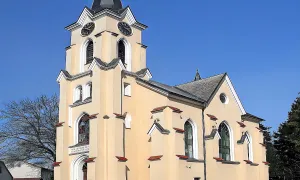
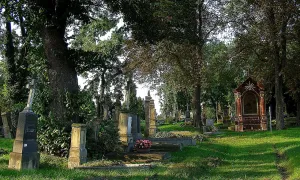
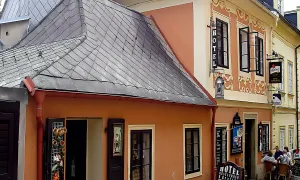
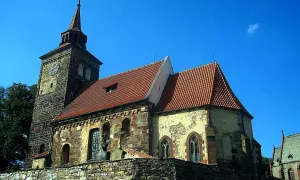
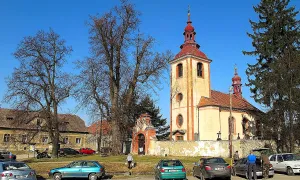
Real photos taken near the monument

Zdroj a licence jsou uvedeny u každého snímku.
Tips from visitors
No tips yet. Be the first!
Log in and add your tip.
Sources and literature
Photos: Petr Kinšt / CC BY-SA 4.0 — Wikimedia Commons. The author and licence also appear when you hover over the image.
Faktickým podkladem tohoto textu byl článek na Wikipedii, jehož autory jsou přispěvatelé Wikipedie. Článek je dostupný pod licencí CC BY-SA 4.0.
Location on the map
Příběhy a pověsti
Legendy, pověsti a příběhy spjaté s touto památkou
Fotografie návštěvníků
Zatím žádné fotografie. Buďte první, kdo přidá fotografii z návštěvy!
Log in a přidejte svou fotografii nebo hodnoťte.
Za ověřenou návštěvu v aplikaci získáte víc bodů — poznáme podle GPS, že jste na místě.
Reviews and comments