



Topol Hillfort
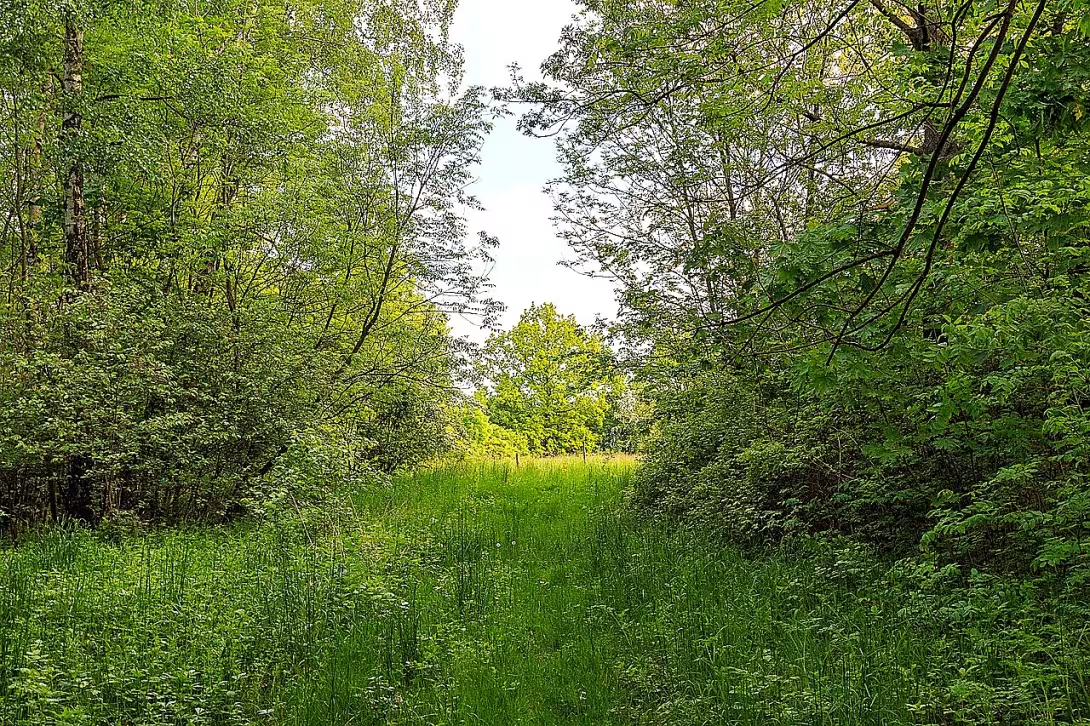
Topol is an ancient castle located northwest of the same-name village of Chrudimi in the Pardubice region. It is one of the oldest fortified settlements in the territory of Bohemia, which was inhabited during the period of eneolithic and later in the period of the Halštat. The monument lies in the positions of the Castle over the right bank Chrudim inside Habrov Nature Reserve.
The location was inhabited in two major prehistoric stages. The first phase was at the turning point of neolithic and non-olithic in Lengyel culture. The first demonstrable fortifications from the beginning of the eneolite belong to the oldest fortifications in the Czech Republic. The second settlement period dates back to the period of the Halštat, when the island was fortified by members of the spleen-paying culture. The end of the castle was brought by a war event in the last quarter of the sixth century BC.
The fort is built on a sharpness reaching an altitude of up to 287 metres. The protected area occupying an area of approximately one hectare shall be 130 × 110 metres. The fortification used to be the most pronounced on the easily accessible south side, while steep slopes on other sides protected a lighter form of fortification.
In the oldest construction phase, the defence system was a simple palisade, later replaced by a wall. At the time of the Halštata, a wooden clay wall was built, before which they dug up a ditch nine metres wide and about 1.3 metres deep. Between the moat and the wall there was a two-metre wide berma. The wall, originally about seven metres wide, is now visible as an orb damaged by a wall reaching up to 14 metres wide.
The construction of the wall was grated and formed by horizontally laid beams, between which there was an empty clay sand and gravel material. The front was reinforced by a layer of clay together with a wall of massive stakes, into which was inserted a wooden barrier and a koshatin structure equipped with braces. The inner side consisted of horizontally laid bans with vertical supports. During this younger phase, the rest of the island was protected in the form of a low wall with a palisade. There was a road along the inner edge of the wall and behind it was a building consisting of cottages with a stake structure.
The first archaeological survey of the site was carried out in 1932 by the Chrudim Museum. However, the existence of the fortifications was demonstrated by Vít Vokolek in 1956, which was then also part of the survey research conducted between 1977 and 1983. The remains of the castle are currently protected as a cultural monument.
This archaeological gem represents a key milestone for understanding the beginnings of fortifications in Czech countries. Visiting the natural environment of the Habrov Reservation allows you to perceive the strategic location of this primordial center.
Then and now
Drag the slider to compare how the landmark may have looked when it was built with the view today.
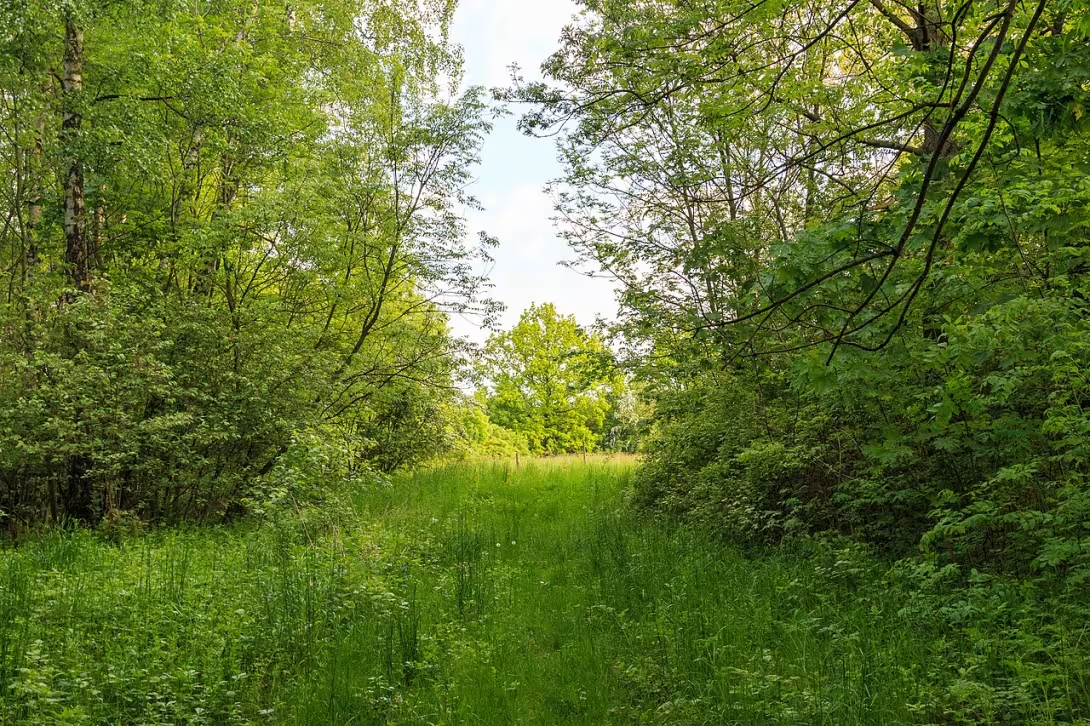
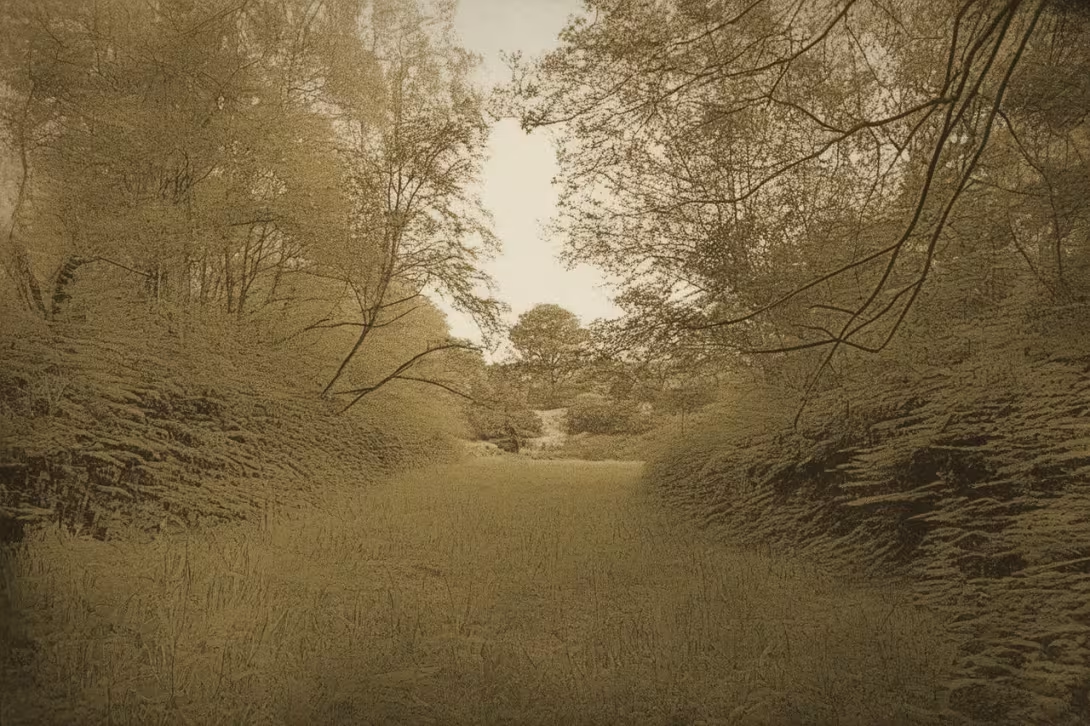
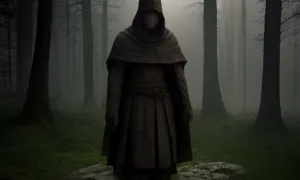
The historical appearance on the left is an AI-generated visualisation and serves as inspiration only.
Historical milestones
- 1932
- First archaeological research of the location by the Chrudim Museum
- 1956
- Proof of the existence of the fortification by Vít Vokolk
- 1977
- Beginning of survey archaeological research
Architectural development
Originally, the fortifications formed a simple palisade, later replaced by a wall. In the Halštat time, a wooden clay wall with a moat and a berma was built. The construction used grate technique with internal filling of clay and gravel.
Historical events
In 1932, the first archaeological research carried out by the Chrudim Museum took place. In 1956, the fortifications were proved by the research of Vít Vokolek. Further research was carried out between 1977- 1983.
Points of interest
- Topol is an ancient castle and one of the oldest fortified settlements in the territory of Bohemia, located northwest of the same-name village near Chrudimi inside the Habrov Nature Reserve. - The location was inhabited in two main primordial stages, with the end of the castle brought a war event in the last quarter of the sixth century BC. - The protected area of the castle built on the island occupies an area of approximately one hectare and measures 130 × 110 metres. - At the time of the Halštata, a wooden clay wall with a grate structure was built, before which a ditch was dug nine metres wide and about 1.3 metres deep. - The first archaeological survey of the site was carried out in 1932 by the Chrudim Museum and the existence of the fortifications was demonstrated by Vít Vokolek in 1956.
Guide
Show guide text
This text was created by artificial intelligence and has not been editorially reviewed. It may contain inaccuracies.
Welcome to this extraordinary and quiet place. You are standing just outside the prehistoric wall of Topol, located northwest of the same-name village at Chrudimi. Look around you. You are right inside the beautiful Habrov Nature Reserve, and in front of you is a landscape that carries a secret thousands of years ago. Even though you will not see here today the proud palaces or the standing walls, you perceive the space that belonged to the most important power and residential centers of your time.
When you look at the terrain shape you're on, it's a natural island. This position was not chosen by chance. The prehistoric people knew why they chose high places. This location represents one of the oldest fortified settlements in the whole Czech Republic. From here, our ancient ancestors had a perfect overview of everything that spread in the landscape beneath them.
Let's move on in time to a time when this place came to life by human presence. The fort was inhabited in two main prehistoric stages. The first people here found a home in the period of eneolite, that is, the copper age, when mankind first began to settle down and change the face of the landscape. The second large stage of the settlement falls into the age of the Halštats, the older iron age. At both times, Topol played a crucial strategic role. People lived here, worked here, defended their homes, and built communities that shaped the history of our region by location and meaning.
Now pay attention to the terrain itself and the nature of the place where you stand. Architecture in today's sense would be in vain here, yet note the natural shapes of the landscape. The fort is situated on a significant sharpness whose steep slopes formed a natural and very effective defense. In addition, it was sufficient to add a sophisticated fortification which was extremely advanced for the time being. It was this fortification that made Topol an impenetrable fortress and center of power.
When we think about the stories that have taken place here, we must mention not only the anonymous people, but also the people who dedicated their lives to uncovering the past here. Significant archaeological findings gradually confirmed the huge role this settlement played in prehistoric times. For decades, it has brought new knowledge through the work of enthusiastic researchers. The first archaeological research of this site was carried out by the Chrudim Museum in nineteen hundred thirty-two. That was an important first step to uncovering the secrets hidden underground. A few decades later, in nineteen hundred and fifty-six, he showed the existence of the Vít Vokolek fortification, whose name is firmly linked to this place. His research gave new hope to understand how people of prehistoric age protected and fortified this place. The research continued in the following years, for example in nineteen hundred seventy seven, when further research on archaeological research began, which brought more valuable pieces to the mosaic of our oldest history.
Now stop and feel the atmosphere associated with the attractions and dramas that took place here. Right at the beginning we mentioned that Topol is one of the oldest fortified settlements in Bohemia, hidden in the Habrov Nature Reserve. It's fascinating to imagine how this community worked. All those generations of people who lived here in the eneolithic era and in the Halloween era. But the end of this famous castle was not peaceful. According to archaeological findings, the end of the castle brought a dramatic war event. We can only guess who the assailants were and what caused the conflict, but the fact that this powerful settlement has gone up in flames or as a result of armed conflict gives the place a special, almost palpable and freezing atmosphere. When you look at the forest silence of the natural reserve, traces of ancient fighting and human effort remain silent below the clouds of time.
We hope you enjoyed this stop in prehistoric times. You can go through the surrounding forest roads for a while, perceive the calm of the Habrov Nature Reserve and imagine the beating of the hearts of the people who lived here thousands of years ago. Thank you for listening to our audio guide, and we wish you a beautiful rest of the day on your next discovery of the Chrudim region. Goodbye.
Tips for visitors
Best time to visit the archaeological site Topol at Chrudimi is a spring or autumn period where leaves fall and the terrain is better clear to discover the remains of ancient fortifications. In summer, the area may be covered with lush vegetation. Transportation to the place is possible by car or on foot from nearby village Topol, the exact connection by public transport can be verified in the current search engine. Take with you fixed waterproof shoes suitable for the field, because it is a natural location without paved roads, as well as a repellent against ticks and snacks, as you will not find snacks on the site. Early or late afternoon light is best suited for photography of the primordial castle, which will highlight off-road waves and remnants of waves in the forest. Families with children will appreciate the connection of walks with trips to nature, but care must be taken for uneven terrain and educate children about the historical importance of the protected site.
Frequently asked questions
Can the monument be visited?
This is an archaeological site. Often there is little to see on the ground and the land may be private. We have not verified access.
Where is the monument?
Location: Chrudim, Pardubický kraj. The map on this page shows the exact spot.
Why is the monument protected?
It is listed in the Central List of Cultural Monuments of the Czech Republic as a cultural monument (register no. 1000154028).
Businesses nearby
Do you run a restaurant, accommodation, shop, museum, rental, wellness or other visitor service near this monument? Show yourself directly to the people heading to it — this is how they will see you in the app and on the web:
Events nearby
Zdroj akcí: otevřená data měst a obcí ČR (Národní katalog otevřených dat) a kalendář akcí Národního památkového ústavu.
Nearby
Natural reserve Habrov and village Topol at Chrudimi.
Accommodation nearby
Themed route
Proposed cruise route around Chrudimi:
1. Topol (archaeological sites) Type: Archaeological site Why is it worth a visit: This main objective represents an important historical place with evidence of ancient settlements in the countryside. It offers an interesting insight into our deep past.
2. Obec Topol u Chrudimi Type: Villages Why is it worth a visit: The village itself immediately connects to archaeological sites and forms the natural center of this site. It allows for a peaceful walk in the countryside.
3. Natural Reservation Habrov Type: Protected area Why is worth a visit: This nature reserve is located nearby and represents a valuable forest ecosystem. It is an ideal place for exploring local nature.
Seasonal recommendations
Spring awakens the Chrudim archaeological sites of Topol into a new life when the surrounding nature is green and blooming. The lighting is very clean and soft in this period, creating an ideal atmosphere for peaceful contemplation over ancient history. Due to the spring thaw and occasional showers, the terrain is muddy, which is why solid waterproof shoes and laminated clothes are suitable to protect you from the cold wind. The number of visitors is minimal in these months, so you can walk the whole site in complete privacy. The best time to visit is in the morning, when the morning herpes slowly retreats to the spring sun.
Summer brings lush vegetation to Topol, which is partly growing terrain and therefore the landscape is filled with rich shades of green. The sharp noon sun and long trees cast interesting light contrasts on the dig, but the atmosphere is sometimes sleepy because of the heat. Since this is the main tourist season, you will meet the most curious people here, especially on weekends. For a comfortable tour, choose breathable clothes, headgear and don't forget enough fluid to prevent dehydration. The best time to arrive is early morning hours or late evening, when temperatures fall and sunlight gives the place an unrepeatable impact.
Autumn covers an archeological place in golden and rusty tones, while falling leaves provide space for melancholy and noble character. The low sun creates long shadows and a specific autumn mist that amplifies the mysterious atmosphere of ancient times. The weather is variable and windy, so bring a warm jacket, scarf and tight shoes into the fallen leaves. You don't have to worry about crowds, after the holidays there is a deep calm suitable for the perception of genius loci. The ideal time to visit is around noon, when warm rays will disperse cold herpes for a while.
Winter turns Topol into a quiet, snowy landscape, where every step resonates in the freezing air. The early dimming and snow cover provide the location with a raw, mystical atmosphere underlined by sharp winter light. The practical basis is high-quality thermal linens, winter coat, hat, gloves and solid shoes with anti-slip sole in case of frozen or icy terrain. Visiting is minimal during this period, you will often be alone here. The best time for a walk is early in the afternoon before it starts to boil and temperatures fall sharply below freezing.
Visualizations and artistic views


The visualisations are generated by artificial intelligence and serve as inspiration.
Photos from the area
Real photos taken near the monument


Zdroj a licence jsou uvedeny u každého snímku.
Tips from visitors
No tips yet. Be the first!
Log in and add your tip.
Sources and literature
Photos: Petr1888 / CC BY-SA 4.0 — Wikimedia Commons. The author and licence also appear when you hover over the image.
Faktickým podkladem tohoto textu byl článek na Wikipedii, jehož autory jsou přispěvatelé Wikipedie. Článek je dostupný pod licencí CC BY-SA 4.0.
Location on the map
Příběhy a pověsti
Legendy, pověsti a příběhy spjaté s touto památkou
Fotografie návštěvníků
Zatím žádné fotografie. Buďte první, kdo přidá fotografii z návštěvy!
Log in a přidejte svou fotografii nebo hodnoťte.
Za ověřenou návštěvu v aplikaci získáte víc bodů — poznáme podle GPS, že jste na místě.
Reviews and comments