



Včelní Hrádek Ruin
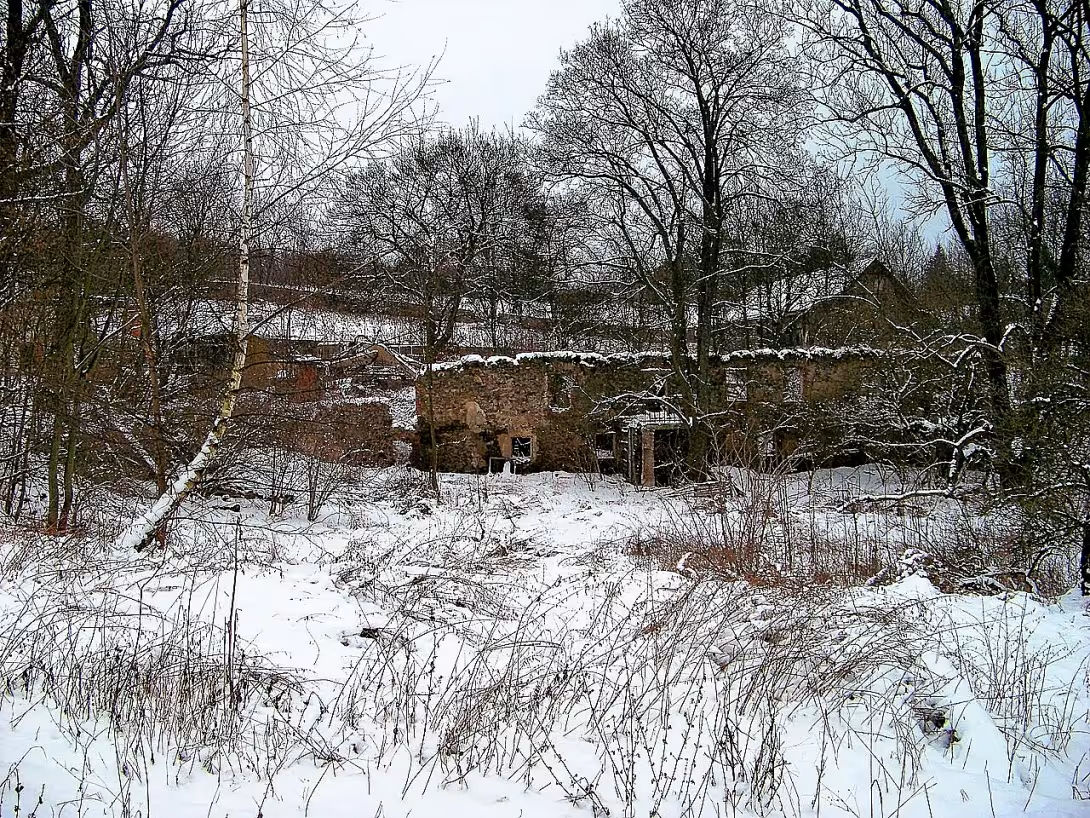
Včelní Hrádek is a historical ruin located in Kabáty near Jílové u Prahy, within Středočeský kraj. Originally a fortress, it later transformed into a castle, reflecting its rich history and architectural evolution. The monument stands as a testament to the region's past, having witnessed numerous ownership changes over centuries.
The origins of Včelní Hrádek trace back before the Hussite Wars when it was known as a fortress named Hrádek. Historical sources suggest it protected gold miners in the area, although this claim is based on a forged document from 1045. The first documented mention dates to 1402, referred to as Nussberk. Over time, ownership changed hands multiple times, reflecting Bohemia's turbulent medieval history. By the late 15th century, the original fortress likely fell into disrepair due to the Hussite Wars.
Architecturally, Včelní Hrádek evolved from a medieval fortress to a baroque-style castle in the late 18th century. This transformation was initiated by Karel Josef Biener z Bienenberka, who constructed a new building nearby and established an archaeological collection there. The site's architectural journey reflects broader trends in Bohemia during this period, marked by increased interest in baroque constructions.
Throughout its history, Včelní Hrádek has seen numerous owners. In 1402, it was owned by Jan Šimonův before being sold to Jakub Srbovi z Budyšína. The 15th century saw ownership by Markvartové z Hrádku and Václav Valečovský, followed by Samuel Velvara in 1458, who later became known as Samuel z Hrádku a Valečova. Ownership continued to change hands through the centuries, with notable figures such as Gustav Pelly acquiring it in 1909 and Judr. Rudolf Brož owning it until his death in 1939.
Key events at Včelní Hrádek include its likely destruction during the Hussite Wars and its transformation into a baroque-style castle by Karel Josef Biener z Bienenberka in the late 18th century. In the early 20th century, the site became a popular excursion spot for Prague residents, highlighting its cultural significance.
Today, Včelní Hrádek stands as a ruin with remnants of historical structures and a small pond preserved from its former park. The site is accessible via a short walk from Jílové u Prahy railway station, making it an intriguing destination for those interested in exploring Czech history. Visitors can appreciate the enduring legacy of this monument, which offers a glimpse into the architectural and cultural transformations that have shaped the region over centuries.
Historical milestones
- 1402
- First documented mention as Nussberk.
- 1458
- Acquired by Samuel Velvara, later known as Samuel z Hrádku a Valečova.
- 1789
- Karel Josef Biener z Bienenberka built the new castle nearby.
Architectural development
Včelní Hrádek evolved from a medieval fortress to a baroque-style castle in the late 18th century. The original structure was replaced by a new building designed by Karel Josef Biener z Bienenberka, who also established an archaeological collection there.
Historical events
The original fortress was likely destroyed during the Hussite Wars in the late 15th century.
In the 18th century, Karel Josef Biener z Bienenberka built a new castle nearby.
Owners
Jan Šimonův (1402)
Jakub Srbovi z Budyšína
Markvartové z Hrádku, Václav Valečovský (15th century)
Samuel Velvara (1458), later known as Samuel z Hrádku a Valečova
Václav Holec z Květnice (1484)
Wilem Kostka z Postupic, followed by various owners (16th century)
Eduard Kelley (1590–1591), confiscated and bought by Kryštof Želinský ze Sebuzína
Ignác Schönpflug (1695), sold to Václav Nigrín
Karel Josef Biener z Bienenberka (1789)
Prokop Bayer, son Ferdinand Bayer (19th century)
Juc. Karel Židlický (1899–1902)
Points of interest
- Despite its name suggesting a connection to bees ("včelní" means "bee"), there is no historical evidence that Včelní Hrádek was ever used for beekeeping or related activities; the name's origin remains speculative.
- The claim that Včelní Hrádek protected gold miners in the area is based on a forged document from 1045, highlighting how medieval legends can sometimes be rooted more in fiction than fact.
- In the late 18th century, Karel Josef Biener z Bienenberka not only transformed the site into a baroque-style castle but also established an archaeological collection there, reflecting the era's growing interest in preserving historical artifacts and knowledge.
- Throughout its history, Včelní Hrádek changed hands numerous times, with ownership passing through notable figures such as Samuel Velvara, who became known as Samuel z Hrádku a Valečova, illustrating the complex feudal dynamics of medieval Bohemia.
- By the early 20th century, Včelní Hrádek had become a popular excursion spot for Prague residents, indicating its transition from a strategic fortress to a cultural and recreational site appreciated by the public.
Guide
This guide is narrated by a synthetic voice generated by artificial intelligence.
Show guide text
This text was created by artificial intelligence and has not been editorially reviewed. It may contain inaccuracies.
Welcome to the historic site of Včelní Hrádek, a captivating ruin nestled in the municipality of Kabáty, near Jílové u Prahy. As you stand here amidst the remnants of history, imagine the stories these stones could tell if only they had voices. The air is filled with an aura of mystery and timelessness, inviting you to step back into centuries past.
The origins of Včelní Hrádek trace back to its first documented mention in 1402 as Nussberk. Initially constructed as a fortress, it was built to protect gold miners who worked in the region's rich veins. Over the centuries, this site witnessed numerous ownership changes, each leaving their mark on its legacy.
As you look around, take note of the rugged outlines and weathered stones that speak volumes about the structure’s past grandeur. While specific architectural details are lost to time, the very essence of what once stood here is palpable. The landscape around you tells a story of resilience, with nature reclaiming much of what was once a fortified stronghold.
Several key figures have been associated with Včelní Hrádek throughout its history. Samuel Velvara, known later as Samuel z Hrádku a Valečova, acquired the site in 1458 and became one of its notable owners. Fast forward to the late 18th century, when Karel Josef Biener z Bienenberka transformed the area by constructing a new castle nearby in 1789. Each owner contributed to the narrative tapestry woven into this place.
There's an intriguing mystery surrounding the name "Včelní Hrádek." Despite its translation to "Bee Castle," there is no historical evidence that it was ever used for beekeeping or related activities. The origin of this name remains speculative, adding a layer of intrigue to your visit.
As you continue exploring, let your imagination wander through time, considering the lives and stories intertwined with this site. Each step you take here connects you to the past in a profound way. We invite you to delve deeper into its history and perhaps uncover more about these fascinating tales.
Thank you for joining us on this journey through time at Včelní Hrádek. May your visit inspire curiosity and wonder as you explore further, discovering the many layers of history that surround you. Safe travels, and may your adventures continue to be filled with discovery!
Tips for visitors
The best time to visit Včelní Hrádek is during late spring or early autumn when the weather is mild, making it ideal for exploring the ruins comfortably. These seasons offer pleasant temperatures and beautiful natural surroundings, enhancing your experience as you wander through the historical site. Additionally, visiting outside of peak tourist season can provide a more serene atmosphere, allowing you to appreciate the tranquility of the area.
For those using public transit, it's advisable to check current routes and schedules in advance to ensure a smooth journey.
When visiting Včelní Hrádek, consider bringing comfortable walking shoes as you will be exploring uneven terrain among the ruins. A hat, sunscreen, and water are also recommended, especially if you plan to spend several hours at the site or explore the surrounding landscape. Additionally, carrying a camera is advisable for capturing the picturesque views of the historical structures and natural beauty.
For photography enthusiasts, Včelní Hrádek offers several captivating spots. The best light for photographs is usually during the golden hour—shortly after sunrise or before sunset—when the soft lighting enhances the textures of the ruins. The two notable trees in the former park provide a unique backdrop for shots, and the small pond nearby adds an element of charm to your compositions.
In addition to Včelní Hrádek itself, there are several interesting places within a 30-minute drive that you might consider visiting. These include remnants of historical structures scattered around the area, offering further insight into the region's past. The small pond and surrounding landscape also provide opportunities for leisurely walks or picnics, making it an ideal spot for families with children to explore.
Frequently asked questions
Can the monument be visited?
This is a ruin. Such sites are often freely accessible, but some can only be visited with a guide or are closed for safety reasons. We have not verified the current situation – take care and respect any restrictions.
Where is the monument?
Location: Kabáty, Středočeský kraj. The map on this page shows the exact spot.
Businesses nearby
Do you run a restaurant, accommodation, shop, museum, rental, wellness or other visitor service near this monument? Show yourself directly to the people heading to it — this is how they will see you in the app and on the web:
Events nearby
Zdroj akcí: otevřená data měst a obcí ČR (Národní katalog otevřených dat) a kalendář akcí Národního památkového ústavu.
Nearby
Včelní Hrádek is located near Jílové u Prahy railway station and features two notable trees in its former park. The surrounding landscape includes remnants of historical structures and a small pond.
Accommodation nearby
Trips and activities nearby
Guided tours, tickets and activities nearby from GetYourGuide
Affiliate link: if you buy from the partner, we may receive a commission. The price for you does not change.
Search tours and activities →Themed route
Thematic Walking Tour: Včelní Hrádek and Its Surroundings
1. Včelní Hrádek (Zřícenina) - Type: Historical Ruin - Why Visit: Begin your journey at the captivating ruins of Včelní Hrádek, a 16th-century Renaissance chateau that once served as an apiary for bees. Explore its remnants and imagine the grandeur it held in the past. The site offers a unique glimpse into historical architecture and the strategic importance of beekeeping during its time.
2. Former Park with Notable Trees - Type: Historical Landscape - Why Visit: Walk through the former park surrounding Včelní Hrádek, where two notable trees stand as silent witnesses to history. These ancient trees provide a serene environment for reflection and appreciation of nature's endurance alongside human history.
3. Remnants of Historical Structures - Type: Archaeological Site - Why Visit: Discover the remnants of historical structures scattered around Včelní Hrádek, offering insights into the architectural styles and daily life of past eras. These fragments invite curiosity about the stories they hold and the lives that once unfolded here.
4. Small Pond - Type: Natural Feature - Why Visit: Conclude your tour at a charming small pond near Včelní Hrádek, providing a peaceful spot to relax and reflect on your journey through history and nature. The tranquil waters offer a moment of calm amidst the historical exploration.
This thematic route offers a blend of history, architecture, and natural beauty, all within close proximity to each other, making it an enriching experience for visitors interested in exploring the past and its connection with the present landscape.
Seasonal recommendations
Spring: The ruins of Včelní Hrádek are particularly enchanting in the spring, when nature begins to awaken around the ancient stones. Wildflowers carpet the landscape with vibrant colors, and fresh greenery softens the rugged contours of the castle's remains. This season offers a unique opportunity to witness the rebirth of flora, creating a picturesque setting that contrasts beautifully against the historical backdrop. The weather can be unpredictable during this time, so visitors are advised to dress in layers to accommodate both cool mornings and warmer afternoons. Early visits are recommended as spring gradually draws more tourists eager to experience the rejuvenated landscape.
Summer: Summer at Včelní Hrádek is ideal for those who appreciate history amidst lush surroundings. The long daylight hours provide ample time to explore the ruins, with the sun casting dramatic shadows across the stones and illuminating the surrounding forest in a golden hue. This season sees increased visitor numbers due to its popularity as a hiking destination, so arriving early can help avoid crowds and ensure a more tranquil experience. Comfortable walking shoes and light clothing are advisable for navigating the terrain, along with sunscreen and plenty of water to stay hydrated under the summer sun.
Autumn: Autumn brings a magical atmosphere to Včelní Hrádek as the foliage transforms into a tapestry of reds, oranges, and yellows. The cooler temperatures make it an ideal time for leisurely exploration without the sweltering heat of summer. This season is particularly special for photography enthusiasts who wish to capture the ruins against the vibrant autumnal backdrop. As the days shorten, planning your visit in the morning will allow you to enjoy the best light and avoid the chillier evenings. A warm jacket or sweater is recommended as temperatures can drop significantly after sunset.
Winter: In winter, Včelní Hrádek offers a serene and somewhat mystical experience, with snow often blanketing the ruins and surrounding landscape. The stark beauty of the castle against the white backdrop creates an otherworldly atmosphere that invites contemplation and quiet exploration. However, accessibility may be limited due to weather conditions, so it's important to check ahead for any restrictions or closures. Visitors should dress warmly in layers, wear sturdy boots with good traction, and plan their visit during daylight hours as days are shorter. The tranquility of winter can provide a unique opportunity to appreciate the historical site without the bustle of peak tourist seasons.
Visualizations and artistic views


The visualisations are generated by artificial intelligence and serve as inspiration.
Photos from the area
Real photos taken near the monument


Zdroj a licence jsou uvedeny u každého snímku.
Tips from visitors
No tips yet. Be the first!
Log in and add your tip.
Sources and literature
Photos: ŠJů (cs:ŠJů) / CC BY-SA 3.0 — Wikimedia Commons. The author and licence also appear when you hover over the image.
Faktickým podkladem tohoto textu byl článek na Wikipedii, jehož autory jsou přispěvatelé Wikipedie. Článek je dostupný pod licencí CC BY-SA 4.0.
Location on the map






Příběhy a pověsti
Legendy, pověsti a příběhy spjaté s touto památkou
Fotografie návštěvníků
Zatím žádné fotografie. Buďte první, kdo přidá fotografii z návštěvy!
Log in a přidejte svou fotografii nebo hodnoťte.
Za ověřenou návštěvu v aplikaci získáte víc bodů — poznáme podle GPS, že jste na místě.
Reviews and comments