






Vernéřov Castle
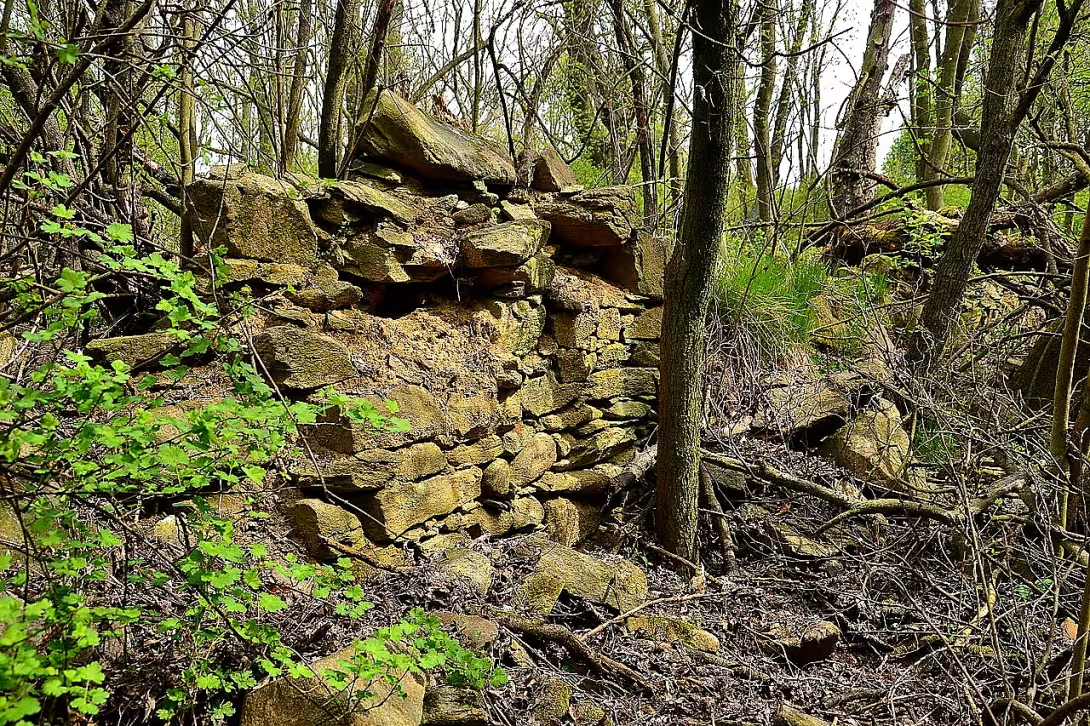
Vernéřov Castle, once a baroque structure in the now-defunct village of Vernéřov within the Chomutov district, holds historical significance despite its current state as ruins. Built initially by Vilém Jindřich Schmidtgrabner after 1651, it underwent several expansions and transformations over time. The castle is notable for having housed a museum with extensive collections curated by Anton Martius in the late 19th century, making it the oldest museum in the Chomutov district at that time.
The origins of Vernéřov Castle trace back to the mid-17th century when Vilém Jindřich Schmidtgrabner constructed the initial single-story baroque structure. During this period, Bohemia was part of the Habsburg Monarchy and experienced significant political and religious changes following the Thirty Years' War. This era saw a resurgence in baroque architecture across Europe as a reflection of renewed stability and prosperity.
Architecturally, Vernéřov Castle began as a single-story structure that evolved into a U-shaped layout with vaulted rooms and a chapel. The Chotek family later modified the castle by adding another wing and updating architectural elements like the main entrance's vaulting. The original design featured a central corridor leading to the courtyard, flanked by vaulted rooms, and included a small chapel in one of its wings.
Ownership of Vernéřov Castle changed hands several times throughout its history. Initially belonging to Eliáš Schmidtgrabner z Lustenegu in 1605, it was later owned by Vilém Jindřich Schmidtgrabner who commissioned the construction of the castle. In 1701, Václav Arnošt Markvart z Hrádku expanded the structure by adding an additional floor. The Chotek family acquired the property in 1739 and made further modifications. By 1857, František Karel Korb z Weidenhaimu owned the castle, during whose tenure it underwent its last significant renovation.
Key events at Vernéřov Castle include the establishment of a museum by Baron Hugo Korb z Weidenhaimu, who acquired extensive collections curated by Anton Martius. However, after World War II in 1945, the castle was confiscated and fell into disrepair. The historical-archaeological collections were transferred to national museums, but their fate remains uncertain as they may have been sold or lost.
Today, Vernéřov Castle exists only as ruins within an industrial zone near Klášterec nad Ohří. Its remnants include the foundations and some fragments of the above-ground structure. Despite its dilapidated state, the site holds historical value for those interested in baroque architecture and regional history. Visitors can reflect on the castle's past significance and the cultural heritage it once represented.
Vernéřov Castle serves as a poignant reminder of the region's rich history and architectural evolution. While it no longer stands as a grand structure, its legacy endures through historical records and the memories of those who once visited its museum. For history enthusiasts and curious travelers alike, Vernéřov offers an opportunity to explore a piece of Bohemia's past amidst modern development.
Then and now
Drag the slider to compare how the landmark may have looked when it was built with the view today.
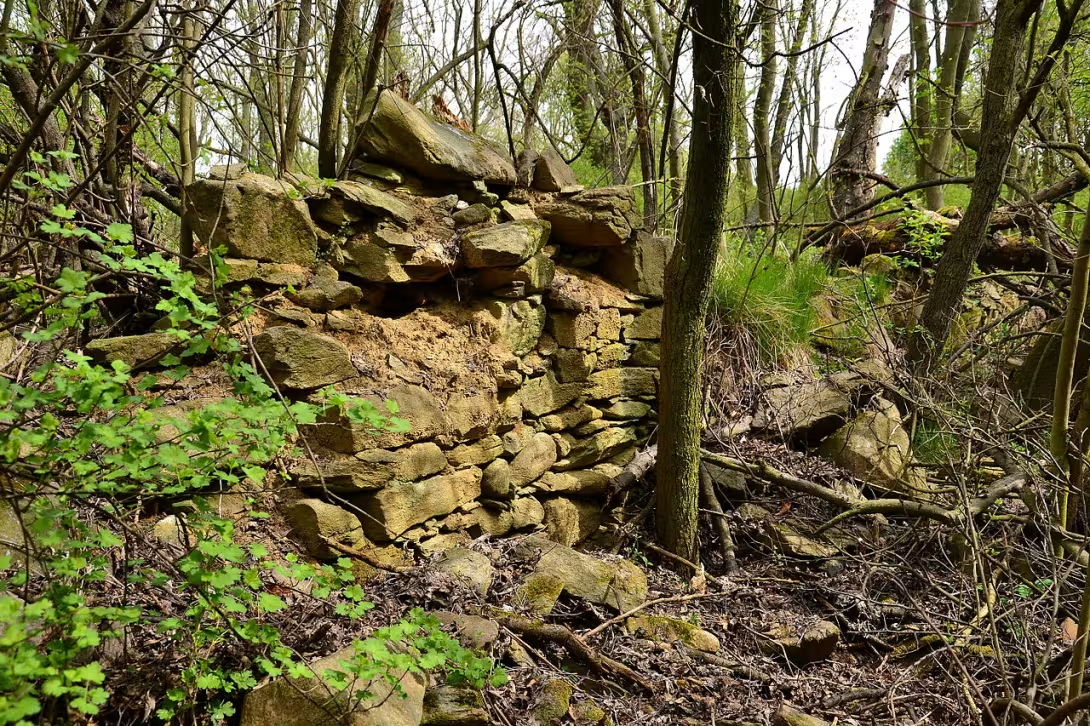
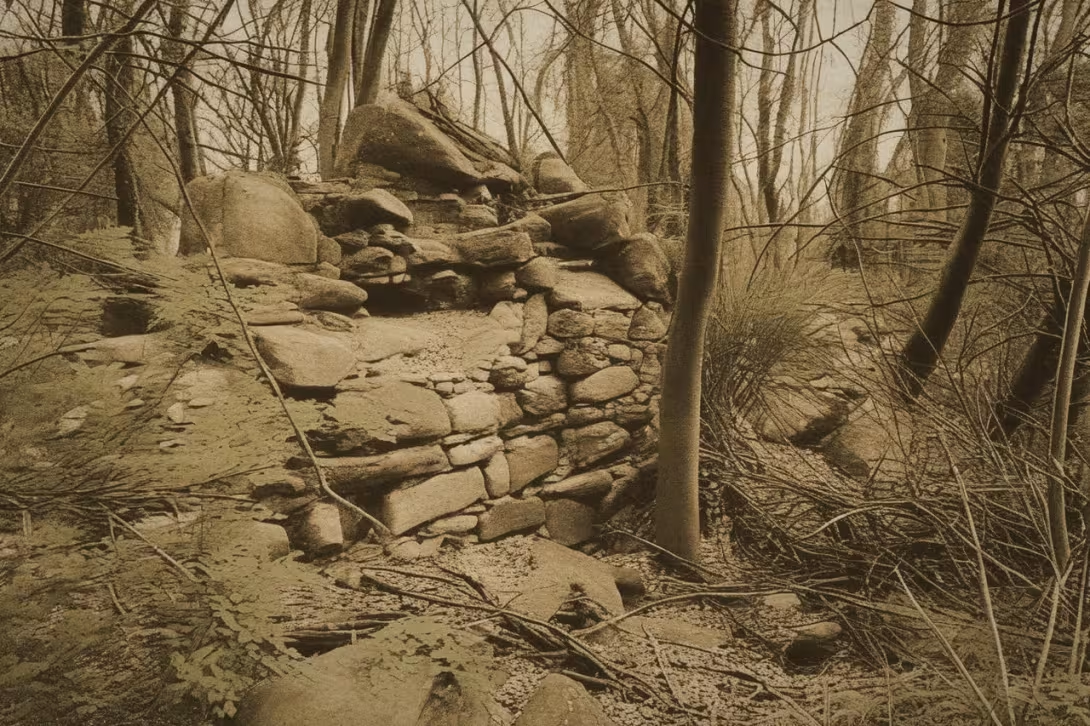
The historical appearance on the left is an AI-generated visualisation and serves as inspiration only.
Historical milestones
- 1605
- Eliáš Schmidtgrabner z Lustenegu se stane vlastníkem.
- po 1651
- Vilém Jindřich Schmidtgrabner postaví původní strukturu.
- 1701
- Václav Arnošt Markvart z Hrádku přidá další patro.
- 1739
- Chotekové zakoupí a upraví zámek.
- 1857
- František Karel Korb z Weidenhaimu provádí poslední významné rekonstrukce.
- konec 19. století
- Anton Martius založí muzeum s rozsáhlými sbírkami.
Architectural development
The original Vernéřov Castle was built as a single-story baroque structure, later expanded with an additional floor. Over time, it evolved into a U-shaped layout with vaulted rooms and a chapel. The Chotek family further modified the castle by adding another wing and updating architectural elements like the main entrance's vaulting.
Historical events
1651: Construction of the initial single-story baroque castle by Vilém Jindřich Schmidtgrabner.
1700-1701: Expansion to include an additional floor under Václav Arnošt Markvart z Hrádku.
1945: Confiscation and subsequent transfer of castle collections to national museums.
Owners
1605: Eliáš Schmidtgrabner z Lustenegu
1651: Vilém Jindřich Schmidtgrabner
1701: Václav Arnošt Markvart z Hrádku
1739-1740: hrabě Václav Antonín Chotek
1786-1804: Jan Karel Chotek z Vojnína
1857: František Karel Korb z Weidenhaimu
Points of interest
- Despite its current state as ruins, Vernéřov Castle once housed the oldest museum in the Chomutov district, curated by Anton Martius with extensive collections that were later lost or sold after World War II.
- The castle's architectural evolution from a single-story baroque structure to a U-shaped layout reflects broader trends in European architecture following the Thirty Years' War, as regions like Bohemia experienced renewed stability and prosperity under the Habsburg Monarchy.
- Ownership of Vernéřov Castle changed hands multiple times, with notable owners including Eliáš Schmidtgrabner z Lustenegu and later František Karel Korb z Weidenhaimu, who oversaw its last significant renovation before it fell into disrepair post-World War II.
- The Chotek family's modifications in the 18th century included adding another wing and updating architectural elements like the main entrance’s vaulting, showcasing their influence on the castle's final design.
- Although now a ruin within an industrial zone near Klášterec nad Ohří, Vernéřov Castle remains a site of historical significance for those interested in baroque architecture and regional history, serving as a poignant reminder of its past cultural heritage.
Guide
This guide is narrated by a synthetic voice generated by artificial intelligence.
Show guide text
This text was created by artificial intelligence and has not been editorially reviewed. It may contain inaccuracies.
Welcome to Vernéřov, where history whispers through the remnants of what once was a grand baroque castle nestled in this now-defunct village within the Chomutov district. As you stand here, imagine the landscape that unfolds before your eyes—a tapestry woven with tales of ambition and artistry from centuries past.
The story of Vernéřov begins in 1605 when Eliáš Schmidtgrabner z Lustenegu became its proud owner. Fast forward to after 1651, and you'll find Vilém Jindřich Schmidtgrabner laying the foundation for a single-story structure that marked the beginning of this architectural journey. The castle's narrative continued to evolve as Václav Arnošt Markvart z Hrádku added another layer in 1701, transforming it into a more complex edifice.
By 1739, the Chotek family took ownership and further refined Vernéřov, infusing their vision into its fabric. The castle's architectural tale reached another milestone in 1857 when František Karel Korb z Weidenhaimu orchestrated significant renovations that shaped much of what remained visible.
Now, as you stand here amidst these ruins, take a moment to appreciate the remnants of this baroque masterpiece. Notice how its once grandeur is echoed in the outlines and structures that persist against time's relentless march. The castle's evolution from a modest single-story building into a more intricate U-shaped design speaks volumes about the ambitions of those who shaped it.
Throughout its history, Vernéřov was home to many notable figures, including Anton Martius, whose passion for collecting led him to establish what was once the oldest museum in the Chomutov district. This museum housed extensive collections that added layers of cultural richness to the castle's legacy—though much of this heritage was lost or sold after World War II.
One fascinating mystery of Vernéřov is its transformation from a vibrant center of culture and history into the ruins you see today. Despite its current state, it continues to captivate with stories of what once filled these spaces.
As we conclude our journey through time at Vernéřov, I invite you to linger in this space where history's echoes are felt most profoundly. Let your imagination wander through the eras that have passed and consider the lives intertwined with this remarkable site. Thank you for joining me on this exploration of Vernéřov Castle—a place where every stone tells a story.
Until next time, may your curiosity always lead you to such captivating places.
Tips for visitors
The best time to visit the site of Vernéřov Castle is during late spring or early autumn. During these seasons, the weather is generally mild, making it comfortable for walking around and exploring the area. Additionally, the surrounding landscape is lush with greenery in spring and vibrant colors in fall, offering a picturesque setting that enhances the historical ambiance despite the castle's ruins.
Parking and transport options are convenient for those planning to visit Vernéřov Castle. The site is accessible by car, with parking available nearby within the industrial zone where it is located. Public transportation can also be used; visitors should check current bus or train routes online to find the best way to reach the area from nearby towns such as Klášterec nad Ohří.
When visiting Vernéřov Castle, it's advisable to bring comfortable walking shoes and weather-appropriate clothing, especially if you plan on exploring the surrounding industrial zone. A hat or sunscreen can be useful during sunny days, while a light jacket might be needed in cooler months. Additionally, carrying water is recommended for staying hydrated.
Photography enthusiasts will find that capturing images of Vernéřov Castle's ruins can be rewarding, especially during the golden hours—shortly after sunrise and before sunset—when the soft lighting accentuates the textures of the remaining structures. While there are no specific spots within the castle itself due to its state of ruin, panoramic views from nearby elevated points in the industrial zone may offer interesting perspectives.
For those interested in exploring further, Klášterec nad Ohří is a charming town located about 30 minutes away and offers several attractions. Visitors can explore historical sites such as the Church of St. John the Baptist or enjoy leisurely walks along the Ohře River. These nearby locations provide additional context to the region's rich history and culture.
Businesses nearby
Do you run a restaurant, accommodation, shop, museum, rental, wellness or other visitor service near this monument? Show yourself directly to the people heading to it — this is how they will see you in the app and on the web:
Nearby
Vernéřov was located near Klášterec nad Ohří within an industrial zone. The surrounding area is now characterized by modern development rather than historical landmarks.
Accommodation nearby
Themed route
Thematic Vltava River Valley Industrial Heritage Tour
1. Zámek Vernéřov - Type: Castle - Why Visit: Explore the historical Zámek Vernéřov, a testament to the region's past architectural grandeur. Although now surrounded by modern development, its ruins offer a glimpse into the area’s aristocratic history and provide an intriguing contrast with today's industrial landscape.
2. Klášterec nad Ohří Industrial Zone - Type: Industrial Area - Why Visit: Discover the transformation of the region through a walk around Klášterec nad Ohří's modern industrial zone. This area reflects the economic evolution from historical estates to contemporary industry, highlighting how local communities have adapted over time.
3. Vernéřov Historical Path - Type: Walking Trail - Why Visit: Follow a path that traces the historical boundaries of Vernéřov. Although primarily an industrial zone now, this trail offers insights into the land's past uses and significance, providing context to the castle ruins you've explored.
This tour is designed to provide a comprehensive understanding of the region’s transition from its aristocratic roots to modern industrial development, all within the vicinity of Zámek Vernéřov.
Seasonal recommendations
Spring: Visiting Vernéřov during the spring offers a unique blend of natural beauty and historical ambiance as life renews around the remains of the castle. The landscape is awash with vibrant wildflowers, creating picturesque scenes that make for excellent photography opportunities. As daylight extends into later hours, it provides ample time to explore the site at a leisurely pace. Spring weather can be unpredictable, so visitors are advised to wear layers and bring an umbrella or raincoat. It's also wise to arrive early in the day to avoid any unexpected showers and enjoy the site before larger crowds gather.
Summer: Summer is perhaps the most popular time to visit Vernéřov due to its warm weather and extended daylight hours, which enhance the experience of exploring the castle ruins amidst lush greenery. The area comes alive with local flora and fauna, offering a vibrant backdrop for outdoor enthusiasts. However, this season also attracts more visitors, so it's recommended to arrive early in the morning or later in the afternoon to avoid crowds. Comfortable walking shoes and light clothing are advisable due to the warmer temperatures, along with plenty of water to stay hydrated during your visit.
Autumn: Autumn at Vernéřov is characterized by a stunning display of fall foliage, turning the surrounding landscape into a tapestry of reds, oranges, and yellows. The cooler temperatures make for pleasant walking conditions as you explore the castle's remains. This season also tends to have fewer visitors compared to summer, providing a more serene experience. It's advisable to wear layers that can be adjusted with the changing temperatures throughout the day and consider bringing a light jacket or sweater as evenings can become quite chilly.
Winter: Winter transforms Vernéřov into a quiet, almost mystical place where snow blankets the castle ruins, offering a stark yet beautiful contrast against the historical backdrop. The shorter days mean less time to explore, so planning your visit for a sunny day is beneficial to make the most of the daylight hours. Visitors should dress warmly in layers and wear waterproof boots to navigate potentially icy paths. While the site may be less crowded during this season, it's important to check opening times as they can vary due to weather conditions.
Visualizations and artistic views


The visualisations are generated by artificial intelligence and serve as inspiration.
Photos from the area
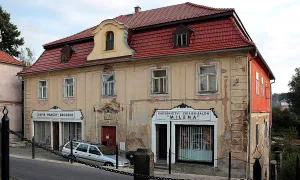
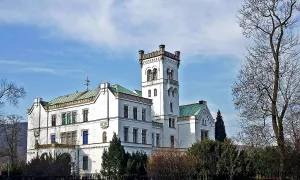
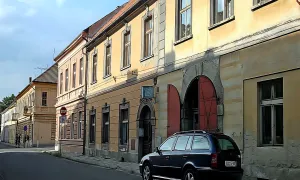
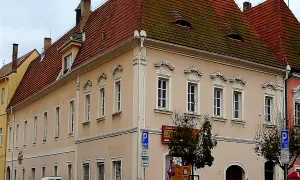
Real photos taken near the monument

Zdroj a licence jsou uvedeny u každého snímku.
Tips from visitors
No tips yet. Be the first!
Log in and add your tip.
Sources and literature
Fotografie: Petr Kinšt / CC BY-SA 3.0 — Wikimedia Commons. The author and licence also appear when you hover over the image.
Faktickým podkladem tohoto textu byl článek na Wikipedii, jehož autory jsou přispěvatelé Wikipedie. Článek je dostupný pod licencí CC BY-SA 4.0.
Location on the map

Příběhy a pověsti
Legendy, pověsti a příběhy spjaté s touto památkou
Fotografie návštěvníků
Zatím žádné fotografie. Buďte první, kdo přidá fotografii z návštěvy!
Přihlaste se a přidejte svou fotografii nebo hodnoťte.
Za ověřenou návštěvu v aplikaci získáte víc bodů — poznáme podle GPS, že jste na místě.
Reviews and comments