






Větrný mlýn (Budišov) Mill
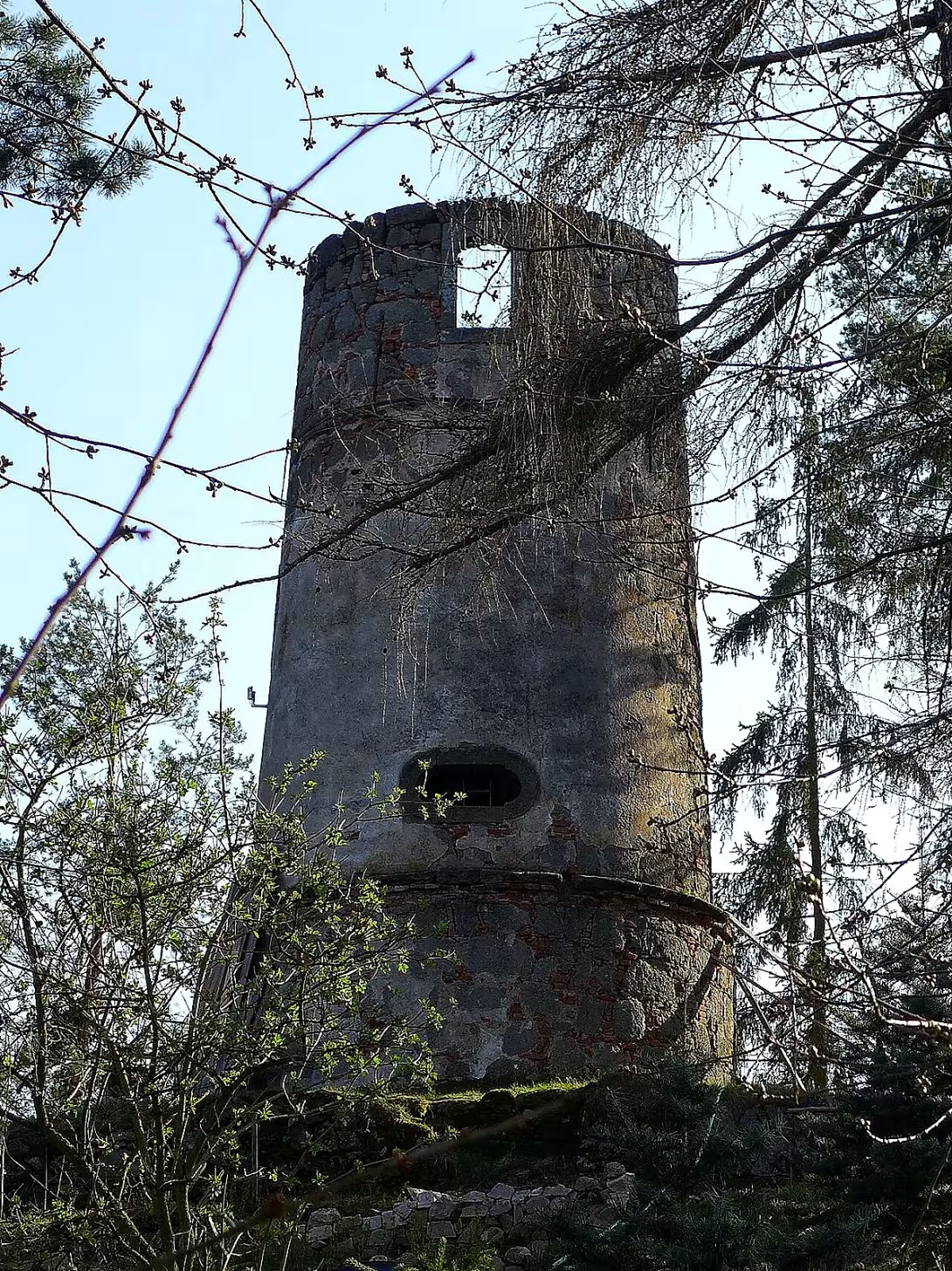
The Větrný mlýn in Budišov is a notable historical monument located in the Třebíč District, Vysočina Region, Czech Republic. Constructed between 1837 and 1838, this Dutch-style windmill powered sawmills and grain mills for the local estate. Its significance lies in its architectural style and role during a period of industrial growth within the Austrian Empire.
Commissioned by Karel sv. p. Baratta-Dragono, owner of the Budišov estate, the windmill supported estate operations with a two-story structure on a circular base. Reflecting Dutch influence prevalent in mid-19th century Europe, it marked increased mechanization in agriculture and industry.
Architecturally, the Větrný mlýn was designed as a three-story brick building with a circular plan. It utilized local stone and occasional bricks, featuring windows of elliptical and oval profiles. The surviving cylindrical wall stands nine meters tall, demonstrating robust construction typical of its era. This structure is now part of a recreational area on Věterák hill.
The windmill's history includes a dramatic event in 1866 when it was reportedly destroyed by Prussian forces during military actions. Despite this destruction, parts remain today as a testament to its historical significance and architectural style.
Currently, only fragments of the original structure survive, with the nine-meter-tall cylindrical wall being the most prominent remnant. The site is accessible within a recreational area, offering visitors a glimpse into 19th-century industrial architecture. Its preservation as a cultural monument underscores its importance in understanding regional history and technological advancements of that time.
Visiting the Větrný mlýn provides an opportunity to connect with the past, appreciating both its historical context and architectural features. It stands as a reminder of the region's rich heritage and invites exploration within the picturesque landscape of Vysočina.
Then and now
Drag the slider to compare how the landmark may have looked when it was built with the view today.
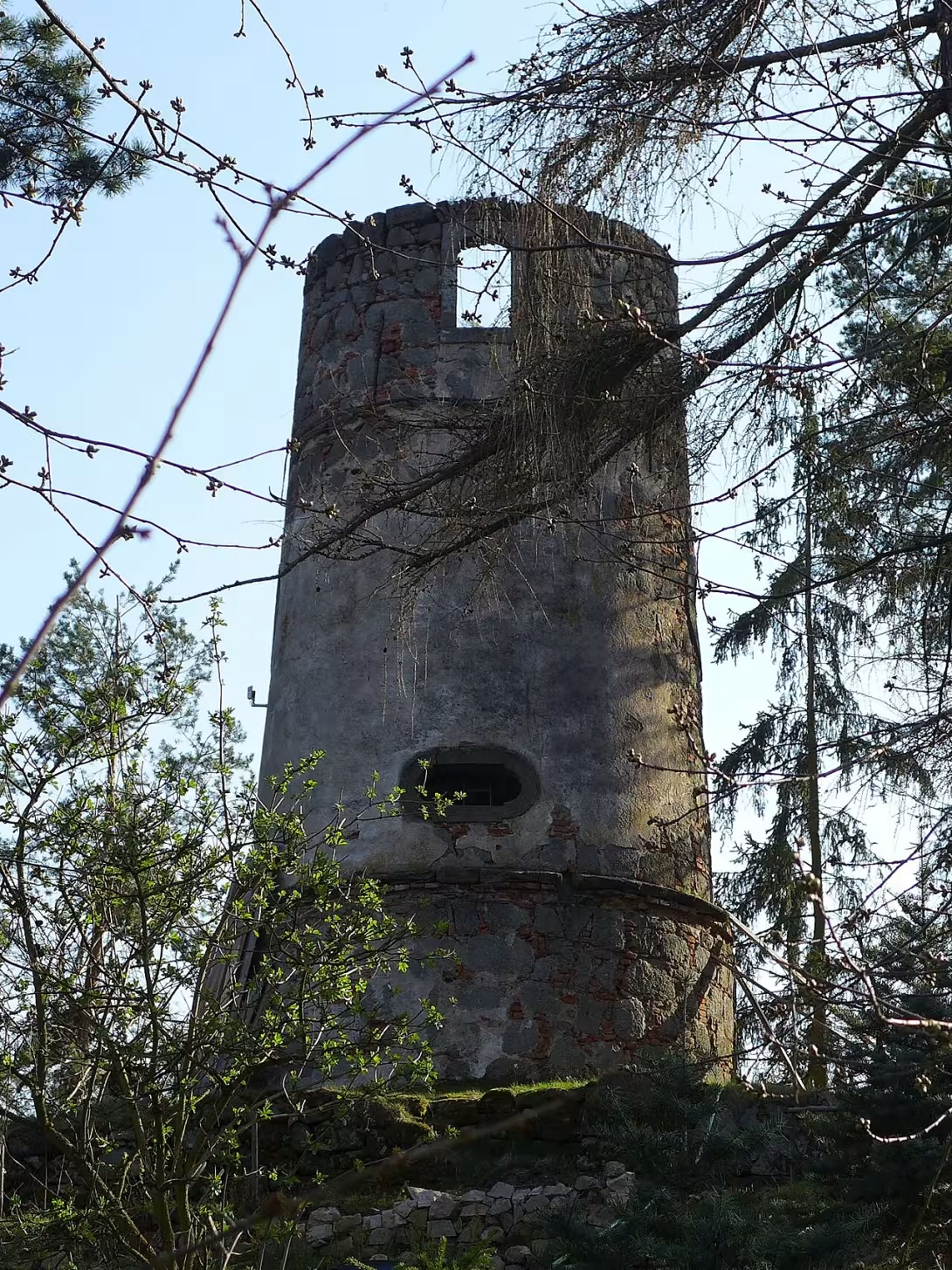

The historical appearance on the left is an AI-generated visualisation and serves as inspiration only.
Historical milestones
- 1837
- Začátek stavby Větrného mlýna v Budišově.
- 1838
- Dokončení stavby Větrného mlýna v Budišově.
- 1866
- Zničení Pruskými silami během vojenských akcí.
Architectural development
The windmill was built as a three-story brick structure with a circular base, featuring windows of elliptical and oval profiles. Constructed using local stone and occasional bricks, the mill's design reflects the Dutch influence prevalent during its time. The surviving cylindrical wall stands nine meters tall, showcasing the robust construction typical of the era.
Historical events
Constructed between 1837 and 1838 for the Budišov estate.
Reportedly destroyed by Prussian forces in 1866.
Owners
The windmill was commissioned by Karel sv. p. Baratta-Dragono, the owner of the Budišov estate during its construction in the late 1830s.
Guide
This guide is narrated by a synthetic voice generated by artificial intelligence.
Show guide text
This text was created by artificial intelligence and has not been editorially reviewed. It may contain inaccuracies.
Welcome to the historic site of Větrný mlýn in Budišov, a cultural monument that stands as a testament to 19th-century innovation and resilience. As you stand here, take a moment to soak in the surroundings—the quiet village air carries whispers of its storied past. Before you is the cylindrical base of what was once a grand Dutch-style windmill, its structure rising proudly from the landscape despite the passage of time.
Constructed between 1837 and 1838, this windmill was commissioned by Karel sv. p. Baratta-Dragono, an aristocratic figure who played a pivotal role in promoting technological advancements during that era. The mill served both practical and symbolic purposes for the local estate, featuring a two-story design with capabilities to power sawmills and grain mills—a marvel of its time.
As you gaze at the cylindrical wall that remains, notice how it stands resilient against the elements, speaking volumes about the craftsmanship and vision that went into its creation. The architecture is simple yet elegant, reflecting Dutch influences with its functional form. The circular base, still visible today, invites contemplation on the ingenuity required to harness wind power in an era before modern technology.
The history of this site is rich with tales of ambition and adversity. In 1866, during a tumultuous period marked by military conflict, Prussian forces destroyed the windmill. Despite such devastation, its remnants continue to inspire those who visit, serving as a symbol of endurance and the passage of time.
One fascinating aspect of Větrný mlýn is how it encapsulates the spirit of progress championed by figures like Karel sv. p. Baratta-Dragono. His vision brought about not just technological advancement but also cultural enrichment to Budišov, leaving a legacy that endures in this very structure.
As you continue your exploration, let yourself be drawn into the narrative woven through these stones and the landscape around them. Consider how each element of the site tells part of a larger story—one of innovation, conflict, and resilience.
Before we conclude our journey here, take one last look at the windmill's base and imagine its sails turning against the sky—a vision of what once was. We invite you to delve deeper into Budišov’s history, exploring other sites that tell more about this region's rich cultural tapestry.
Thank you for joining us on this auditory tour of Větrný mlýn in Budišov. May your curiosity lead you to many more discoveries as you wander through the stories etched into the heart of the Vysočina Region. Safe travels, and we hope to see you again soon!
Frequently asked questions
Can the monument be visited?
This is a technical monument. Some are open as exhibitions, others are out of use or on private land. We have not verified whether this one is accessible.
What are the opening hours and admission?
We have not verified the opening hours or admission. Current information is published by the operator.
Where is the monument?
Location: Budišov, Kraj Vysočina. The map on this page shows the exact spot.
Why is the monument protected?
It is listed in the Central List of Cultural Monuments of the Czech Republic as a cultural monument (register no. 37041/7-2568).
Businesses nearby
Do you run a restaurant, accommodation, shop, museum, rental, wellness or other visitor service near this monument? Show yourself directly to the people heading to it — this is how they will see you in the app and on the web:
Events nearby
Zdroj akcí: otevřená data měst a obcí ČR (Národní katalog otevřených dat) a kalendář akcí Národního památkového ústavu.
Nearby
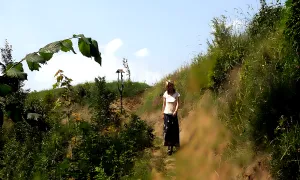
Located on a hill known as Věterák, the windmill is part of a recreational area. The surrounding landscape includes typical Vysočina region features such as rolling hills and agricultural fields.
Accommodation nearby
Themed route
Thematic Walking Tour: Budišov Windmill and Surrounding Area
1. Větrný mlýn (Budišov) - Historical Landmark Begin your journey at the iconic windmill located on Věterák hill, a quintessential feature of the Vysočina region's landscape. This historic structure offers insight into traditional milling techniques and serves as a charming reminder of rural life in the area.
2. Věterák Hill - Scenic Viewpoint After exploring the windmill, take a leisurely walk to the top of Věterák hill. The gentle ascent rewards you with panoramic views of the surrounding rolling hills and expansive agricultural fields that characterize this part of Vysočina. It's an ideal spot for photography and reflection.
3. Recreational Area - Nature Walk Continue your exploration by wandering through the recreational area around Věterák hill. This space offers a serene environment perfect for a relaxing walk or picnic, allowing you to immerse yourself in the natural beauty of Vysočina's typical landscape.
4. Agricultural Fields - Cultural Experience As you venture further into the surrounding fields, take time to appreciate the agricultural heritage of the region. The open landscapes provide a glimpse into the rural lifestyle that has shaped the area for generations, offering a peaceful and grounding experience.
5. Return to Větrný mlýn (Budišov) - Reflection Conclude your tour by returning to the windmill. Reflect on your journey through this picturesque region, appreciating how each element—from the historic architecture to the natural vistas—contributes to the unique charm of Budišov and its surroundings.
This thematic walking tour offers a blend of history, culture, and nature, providing a comprehensive experience of the Budišov area.
Seasonal recommendations
Spring: Visiting the Budišov Windmill ruins during spring offers a unique experience as nature begins to awaken. The surrounding landscape is adorned with blooming wildflowers and fresh greenery, creating an enchanting atmosphere perfect for photography enthusiasts. As daylight extends, the natural light beautifully illuminates the ruins, casting dramatic shadows that highlight their historical grandeur. This time of year sees fewer visitors compared to summer, allowing for a more tranquil exploration. It's advisable to wear comfortable walking shoes and layers, as temperatures can vary throughout the day.
Summer: Summer is an ideal time to explore the Budišov Windmill ruins due to extended daylight hours and pleasant weather conditions. The lush greenery surrounding the site provides a picturesque backdrop, while the warm atmosphere invites visitors to linger and enjoy the serene environment. However, this season also attracts more tourists, so arriving early in the morning can help avoid crowds and ensure a peaceful visit. Light clothing is recommended to stay comfortable during the warmer days.
Autumn: Autumn brings a stunning transformation to the Budišov Windmill ruins with its vibrant foliage of reds, oranges, and yellows. The cooler temperatures create a cozy atmosphere, perfect for leisurely strolls through the historic site. As the leaves change color, they offer a striking contrast against the ancient stones, enhancing the visual appeal. Layered clothing is advisable to accommodate fluctuating temperatures.
Winter: Winter offers a unique and atmospheric experience at the Budišov Windmill ruins with its serene snow-covered landscape. The stark beauty of the site under a blanket of white creates a magical, almost otherworldly ambiance that's particularly captivating during sunrise or sunset when the light softly glows on the snow. Warm clothing is crucial for comfort, along with appropriate footwear for snowy terrain.
Visualizations and artistic views


The visualisations are generated by artificial intelligence and serve as inspiration.
Photos from the area
Real photos taken near the monument

Zdroj a licence jsou uvedeny u každého snímku.
Tips from visitors
No tips yet. Be the first!
Log in and add your tip.
Sources and literature
Photos: Koutne1 / CC BY-SA 3.0 — Wikimedia Commons. The author and licence also appear when you hover over the image.
Faktickým podkladem tohoto textu byl článek na Wikipedii, jehož autory jsou přispěvatelé Wikipedie. Článek je dostupný pod licencí CC BY-SA 4.0.
Location on the map

Příběhy a pověsti
Legendy, pověsti a příběhy spjaté s touto památkou

Fotografie návštěvníků
Zatím žádné fotografie. Buďte první, kdo přidá fotografii z návštěvy!
Log in a přidejte svou fotografii nebo hodnoťte.
Za ověřenou návštěvu v aplikaci získáte víc bodů — poznáme podle GPS, že jste na místě.
Reviews and comments