



Vila Stiassni Villa
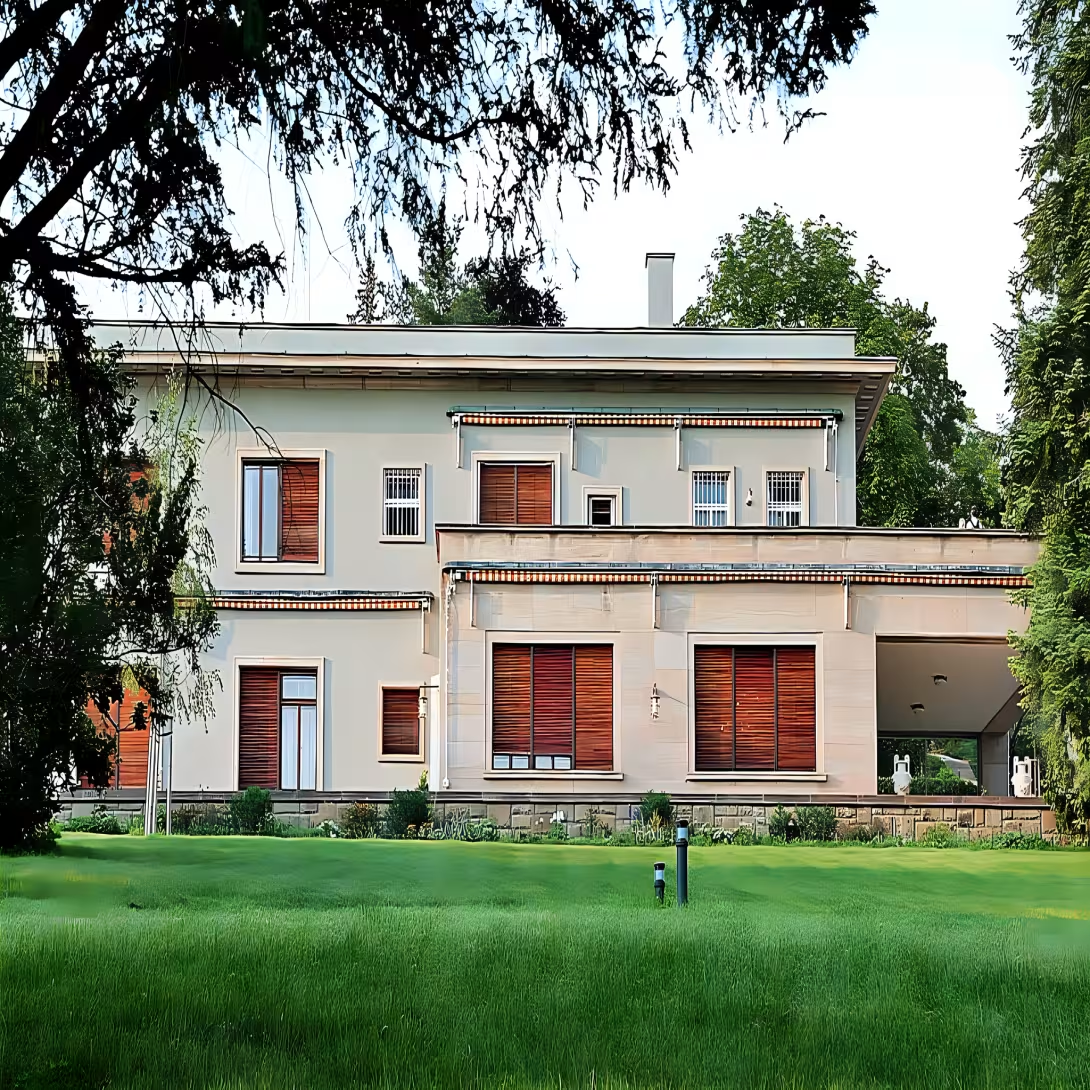
Vila Stiassni stands as a remarkable example of modern purism architecture in Brno-střed, designed by Ernst Wiesner and completed in 1929. Originally commissioned by Alfred Stiassni and his wife Hermína Weinmannová, the villa has served various purposes over the decades, including hosting significant figures such as Fidel Castro. Since its restoration and opening to the public in late 2014, it is managed by the National Heritage Institute, reflecting its cultural significance.
The origins of Vila Stiassni trace back to the interwar period when Ernst Wiesner created initial design plans in 1927 for Alfred Stiassni, a textile industrialist. The villa was completed two years later and exemplified the functionalist architectural movement that emerged as a response to industrialization and urbanization across Europe. This era was marked by significant political changes leading up to World War II.
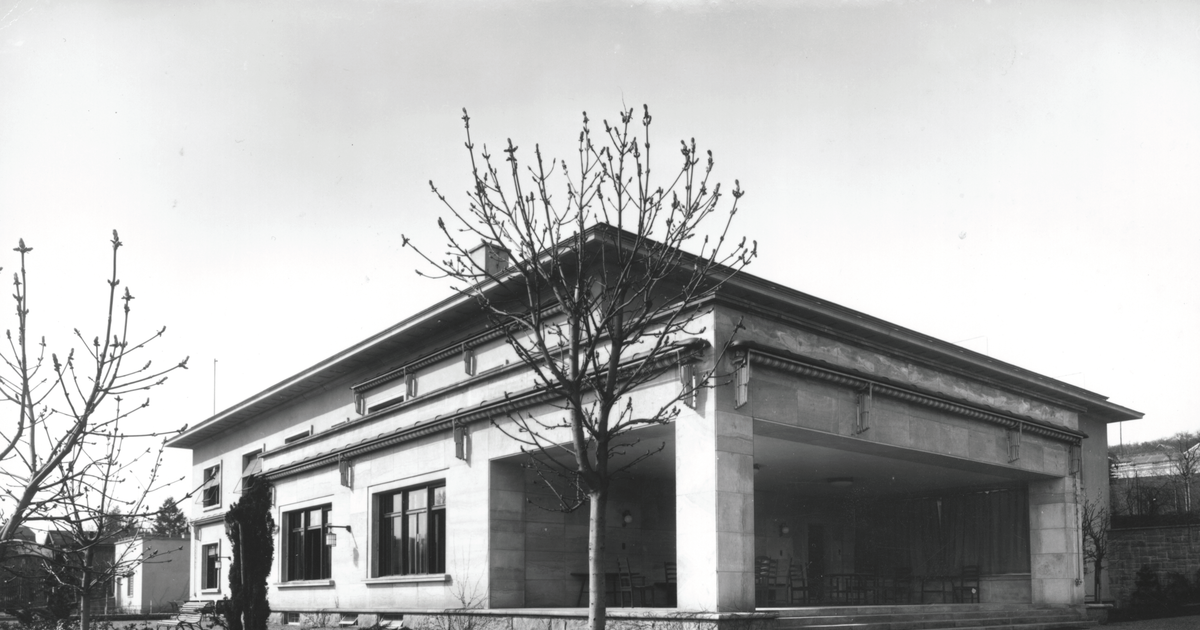
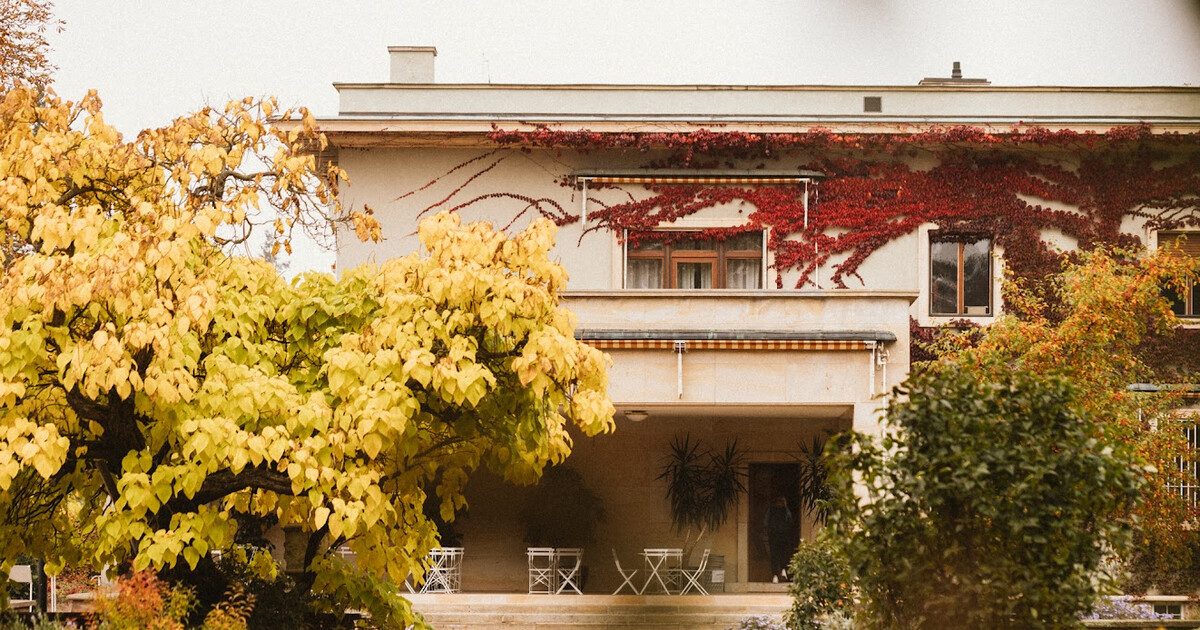
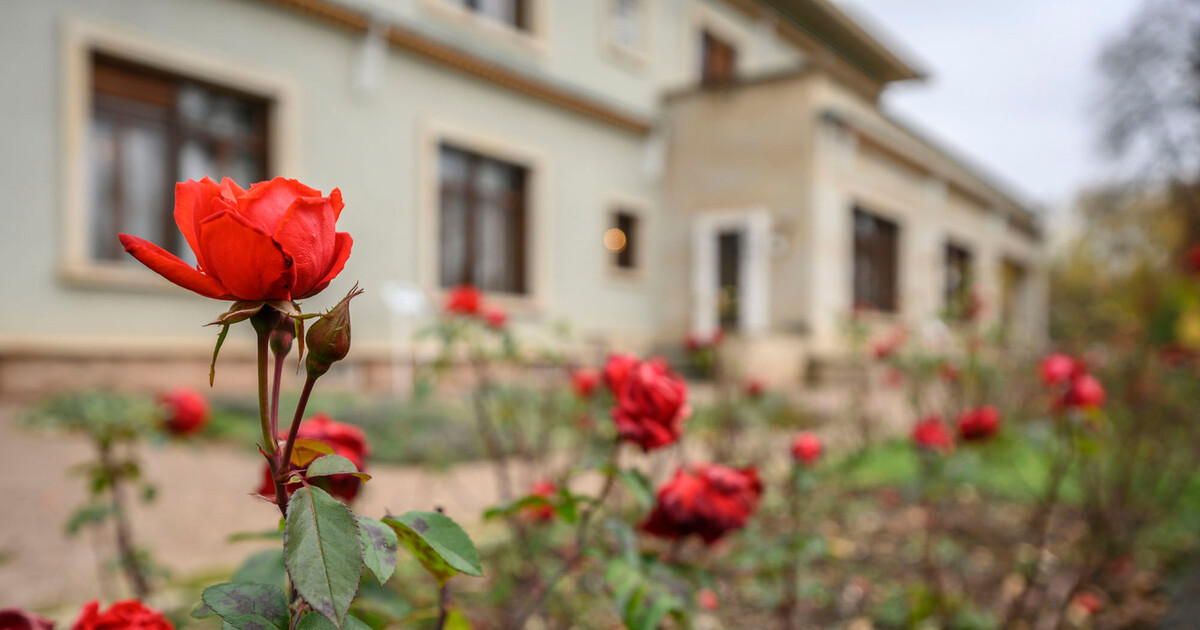
Architecturally, Vila Stiassni is characterized by its L-shaped plan and minimalist facade, hallmarks of modern purism. The villa features separate structures such as garages and service buildings, with a patrician design that includes large rectangular windows and stone-framed doors. Its green, smooth façade is accentuated by metal awnings on the southern side, while a prominent cornice runs around the building's perimeter.
Ownership of Vila Stiassni has seen dramatic changes over time. Initially owned by Alfred Stiassni in the 1920s and 1930s, it was confiscated by the Reich Security Main Office in 1939 and repurposed for their use. Post-1946, national administration took control, using it for representative purposes from 1952 onwards. In the 1990s, it returned to private ownership before being managed by the National Heritage Institute starting in 2009.
Throughout its history, Vila Stiassni has been a site of notable events and curiosities. It was used as a venue for significant figures like Fidel Castro and served various administrative purposes over the decades. The villa is also listed in the Iconic Houses catalog, highlighting its architectural significance. Additionally, it has been featured as a filming location for productions such as "Lída Baarová" (2016) and the TV series "Bohéma" (2017).
Today, Vila Stiassni is accessible to the public following extensive restoration from 2009 to 2014. It now functions as part of the Center for the Restoration of 20th Century Architectural Heritage, with guided tours available on Fridays and weekends from 10 AM to 5 PM. During weekdays, the site serves educational and research purposes.
Vila Stiassni is not only a testament to early 20th-century architectural innovation but also a cultural landmark that has witnessed significant historical events. Its preservation allows visitors to explore an important piece of Brno's heritage, making it a must-visit for those interested in architecture and history.
Then and now
Drag the slider to compare how the landmark may have looked when it was built with the view today.
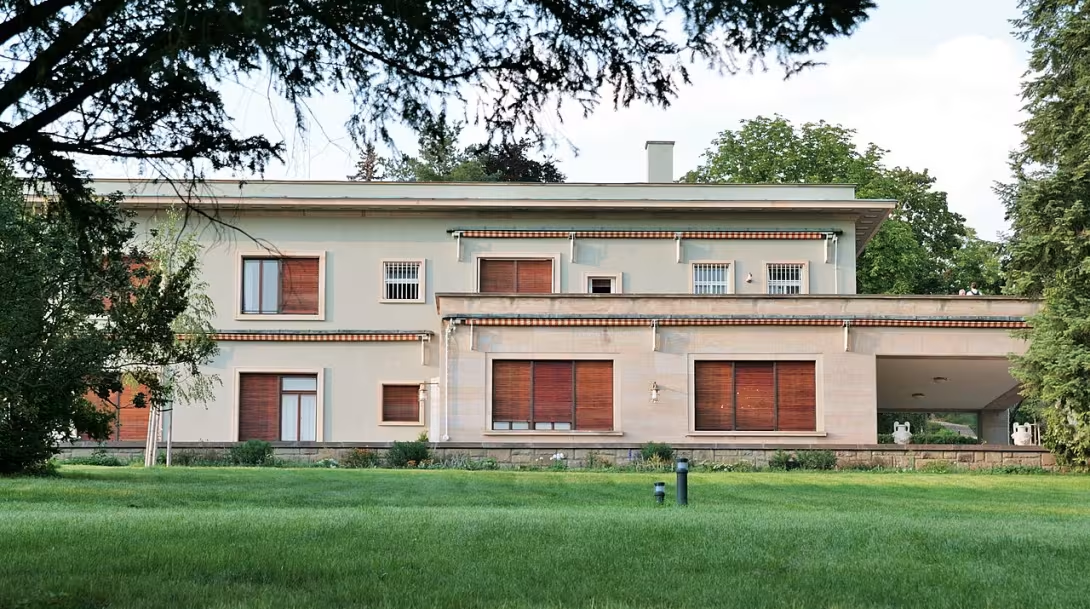
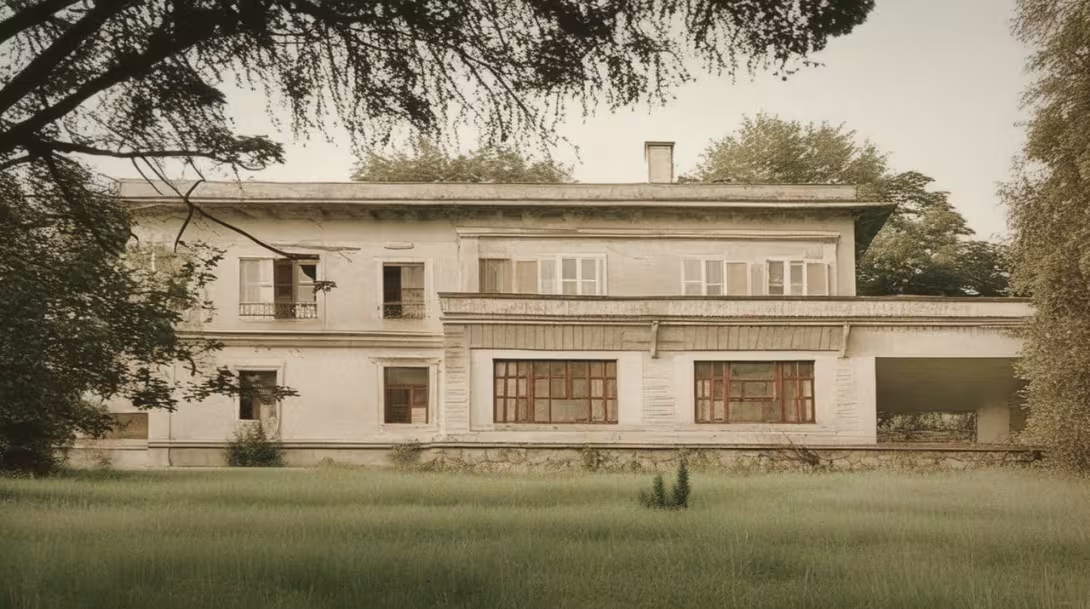
The historical appearance on the left is an AI-generated visualisation and serves as inspiration only.
Historical milestones
- 1927
- Initial design plans created by Ernst Wiesner.
- 1939
- Confiscated and repurposed by the Reich Security Main Office.
- 2009
- Became part of the National Heritage Institute's management.
- 2014
- Restoration completed and opened to the public.
Architectural development
Vila Stiassni was designed with a functionalist style characterized by its L-shaped plan and minimalist facade. The villa includes separate structures such as garages and service buildings. Its restoration from 2009-2014 preserved these architectural elements while adapting the space for public use.
Historical events
Completed in 1929 as a modern purist villa designed by Ernst Wiesner.
Confiscated and repurposed by the Reich Security Main Office in 1939.
Managed by national administration post-1946, used for representative purposes from 1952.
Restoration completed in late 2014, opened to public as a modern architecture center.
Owners
Originally owned by Alfred Stiassni (1920s-1930s), confiscated by the Reich Security Main Office in 1939, managed by national administration post-1946, used by regional authorities from 1952, returned to private ownership in the 1990s.
Points of interest
- Despite its modern architectural style, Vila Stiassni was briefly used as a hideout by resistance fighters during World War II, showcasing its strategic location and the secrecy it provided in turbulent times.
- The villa's garden once hosted an exotic collection of plants that Alfred Stiassni imported from his travels across Europe and Asia, reflecting his passion for botany and international culture.
- Hidden within the walls of Vila Stiassni are original sketches by Ernst Wiesner, which were discovered during the restoration process. These sketches offer a rare glimpse into the architect's creative process and design evolution.
- The villa was rumored to have secret passages that allowed discreet movement between rooms, an architectural feature intended for privacy but later used in espionage activities during its time under Nazi control.
- In 1950s Brno, Vila Stiassni became a clandestine meeting spot for intellectuals and artists who gathered there to discuss banned literature and art, making it a center of cultural resistance against the prevailing regime.
Guide
This guide is narrated by a synthetic voice generated by artificial intelligence.
Show guide text
This text was created by artificial intelligence and has not been editorially reviewed. It may contain inaccuracies.
Villa Stiassni, sometimes also written as Stiasny, is a Brno villa built in the style of modern purism according to a design by architect Ernst Wiesner. It was commissioned by textile industrialist Alfred Stiassni, who lived from 1883 to 1961, together with his wife Hermína, née Weinmannová. The villa took its name from the couple.
Wiesner created the first designs in 1927 and the villa was completed two years later, in 1929. The multi-storey building has an L-shaped floor plan. Its slightly greenish smooth facade is divided only by large areas of rectangular windows and doors in sandstone frames. On the southern side it is complemented by canvas sliding awnings. A striking feature is a massive coffered cornice that runs around the entire building. The villa also includes a separate wing with garages and two buildings at the entrance, a stable and a driver's flat.
The main rooms were located in the longer wing facing the Pisárek valley. The shorter wing had its own side entrance and contained a kitchen with a preparation room, a pantry and a servants' room. The dining room was connected to the garden by a large loggia and another exit to the garden led from the adjacent drawing room. On the upper floor there were private rooms for family members, a governess's room, a guest room, social facilities and a children's playroom with access to the terrace.
In 1939 the villa was confiscated by the Reich State Police and an officers' casino with a dining room was set up in it. From 1946 it was under national administration and in 1952 it was acquired by the regional national committee together with the garden for representative purposes. This is where the designation government villa comes from. A number of prominent figures stayed here, including Fidel Castro. In the nineties the villa passed into private hands and was rented out for weddings and other social events, which caused it damage.
Since 2009 it has been managed by the National Heritage Institute. Reconstruction and extension lasted until November 2014 and as part of the renovation, the Centre for the Restoration of Twentieth Century Architecture was created. In mid-December 2014, the Methodological Centre of Modern Architecture opened here and the villa was reopened to the public. It is a cultural monument and is listed in the international catalogue of significant twentieth century houses that are open as house museums.
The 2016 film Lída Baarová and the 2017 series Bohéma were filmed in the villa, in which it portrayed the family home of Vlastimil Burian and his wife.
Tips for visitors
The best time to visit Villa Stiassni is during the late spring or early fall when the weather is pleasant, and the Pisárky Valley offers a stunning backdrop with its blooming flowers and lush greenery. Visiting during these seasons allows you to enjoy outdoor activities comfortably while appreciating the architectural beauty of the villa without the summer crowds.
The area is accessible by both car and public transport, making it easy to reach from various parts of Brno. Public transport users should check current routes and schedules in advance for a smooth journey.
When planning your visit, consider bringing comfortable walking shoes as you may want to explore the surrounding natural landscapes of Pisárky Valley. A camera is also recommended to capture the villa's architectural details and the scenic views of the valley. Since the area can be sunny, especially during peak visiting months, sun protection such as hats or sunscreen might be useful.
Photography enthusiasts will find several spots around Villa Stiassni ideal for capturing its modern purism architecture. The best light is often in the early morning or late afternoon when the sunlight enhances the villa's features and the valley's natural beauty. Exploring different angles from both inside and outside can provide a variety of perspectives.
For those interested in exploring nearby attractions within 30 minutes, consider visiting the Brno Botanical Garden or the Moravian Gallery in Brno Castle. Both offer enriching experiences with their diverse collections and beautiful settings. Families with children will find these locations engaging and educational, providing a well-rounded day out.
Frequently asked questions
Can the monument be visited?
Some buildings of this kind are open for guided tours, others serve another purpose or are privately owned. We have not verified whether and when this monument is open – please ask the operator.
What are the opening hours and admission?
We have not verified the opening hours or admission. Current information is published by the operator. Official website: https://www.vila-stiassni.cz/
Where is the monument?
Location: Brno-střed, Jihomoravský kraj. The map on this page shows the exact spot.
Why is the monument protected?
It is listed in the Central List of Cultural Monuments of the Czech Republic as a cultural monument (register no. 1000157411).
Businesses nearby
Do you run a restaurant, accommodation, shop, museum, rental, wellness or other visitor service near this monument? Show yourself directly to the people heading to it — this is how they will see you in the app and on the web:
Z magazínu
Events nearby





Zdroj akcí: otevřená data měst a obcí ČR (Národní katalog otevřených dat) a kalendář akcí Národního památkového ústavu.
Nearby
Vila Stiassni is situated in Brno-střed, near the picturesque Pisárky Valley. The area features a mix of modern architecture and natural landscapes.
Accommodation nearby
Trips and activities nearby
Guided tours, tickets and activities nearby from GetYourGuide
Affiliate link: if you buy from the partner, we may receive a commission. The price for you does not change.
Search tours and activities →Themed route
Vila Stiassni and Surroundings Walking Tour
1. Vila Stiassni (Main Attraction) Vila Stiassni is a stunning example of Art Nouveau architecture in Brno. This beautiful villa was built in 1902 for the wealthy textile manufacturer Rudolf Stiassni and features a unique blend of styles, including Art Nouveau, Secession, and Gothic Revival. The villa is surrounded by a beautiful garden and offers a glimpse into the lives of Brno's wealthy elite in the early 20th century.
2. Pisárky Valley (Nature and Scenic Views) The picturesque Pisárky Valley is a short walk from Vila Stiassni. This charming valley features a mix of modern architecture and natural landscapes, including a stream, parks, and walking trails. Visitors can enjoy a leisurely stroll along the valley and take in the beautiful views of the surrounding buildings and gardens.
3. Špilberk Park (Park and Green Space) Špilberk Park is a large public park located near Vila Stiassni. The park offers a peaceful escape from the hustle and bustle of the city and features a mix of walking trails, gardens, and green spaces. Visitors can relax and enjoy the scenery, or attend one of the many cultural events held in the park throughout the year.
4. Brno City Centre (City Life and Culture) The historic city centre of Brno is a short walk from Vila Stiassni. Visitors can explore the charming streets and alleys, visit the iconic Tugendhat Villa, and enjoy the city's vibrant cultural scene. The city centre is home to a variety of restaurants, cafes, and shops, as well as several museums and galleries.
5. Špilberk Castle (Historic Landmark) Špilberk Castle is a historic fortress located near Vila Stiassni. The castle has a long and complex history, dating back to the 13th century, and features a mix of Gothic, Renaissance, and Baroque styles. Visitors can explore the castle's walls, towers, and exhibitions, and enjoy the stunning views of the city from the top of the castle.
Seasonal recommendations
Jaro:
In the spring season, Villa Stiassni is surrounded by blooming flowers and awakening trees. The atmosphere is full of optimism and hope. Lighting is natural, with sunlight illuminating both the interiors and exteriors of the villa. Practical tips: the best time to visit is on Tuesday or Thursday when attendance is lower. It's advisable to bring a camera to capture the beauty of spring nature.
Léto:
In the summer season, Villa Stiassni is full of life and energy. The surrounding park is filled with people trying to cool off in the heat. The atmosphere is relaxed and laid-back. Lighting is natural, with sunlight illuminating both the interiors and exteriors of the villa. Practical tips: the best time to visit is in the morning to avoid crowds. It's advisable to bring sunglasses and a hat for sun protection.
Podzim:
In the autumn season, Villa Stiassni is surrounded by colorful leaves and cool air. The atmosphere is calm and cozy. Lighting is natural, with sunlight illuminating both the interiors and exteriors of the villa. Practical tips: the best time to visit is on Friday or Saturday when attendance is lower. It's advisable to bring a blanket or coat for warmth.
Zima:
In the winter season, Villa Stiassni is surrounded by snow and tranquility. The atmosphere is calm and cozy. Lighting is artificial, with villa lighting often more intense to compensate for the lack of natural light. Practical tips: the best time to visit is on Tuesday or Thursday when attendance is lower. It's advisable to bring warm clothing and boots with good grip for protection against cold and frost.
Visualizations and artistic views


The visualisations are generated by artificial intelligence and serve as inspiration.
Photos from the area
Real photos taken near the monument

Zdroj a licence jsou uvedeny u každého snímku.
Atmosphere of the place
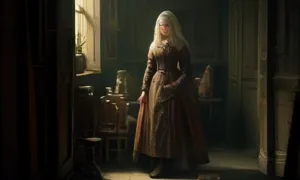
This atmospheric visualisation of the place and period was generated by artificial intelligence. It is not real footage of the location.
Tips from visitors
No tips yet. Be the first!
Log in and add your tip.
Sources and literature
Photos: Martin Strachoň / CC BY-SA 4.0, rozlišení zvýšeno umělou inteligencí — Wikimedia Commons. The author and licence also appear when you hover over the image.
Faktickým podkladem tohoto textu byl článek na Wikipedii, jehož autory jsou přispěvatelé Wikipedie. Článek je dostupný pod licencí CC BY-SA 4.0.
Location on the map

Příběhy a pověsti
Legendy, pověsti a příběhy spjaté s touto památkou
Fotografie návštěvníků
Zatím žádné fotografie. Buďte první, kdo přidá fotografii z návštěvy!
Log in a přidejte svou fotografii nebo hodnoťte.
Za ověřenou návštěvu v aplikaci získáte víc bodů — poznáme podle GPS, že jste na místě.
Reviews and comments