






Vodní mlýn (Rybníky) Mill
Drápalův Mlýn in Rybníky is a historically significant water mill near the Rokytná River. Built in 1804 by Karel Škoda, it stands as a cultural heritage site in the Czech Republic. Notable for its architectural features and continuous adaptation over centuries, it has been used for winemaking since 1991.
The origins of Drápalův Mlýn date back to at least the mid-17th century when it was first mentioned. The current structure, constructed by Karel Škoda in 1804, reflects an era marked by industrial advancements that transformed traditional industries across Europe. This period brought significant socio-economic changes and modernization efforts in rural Bohemia.
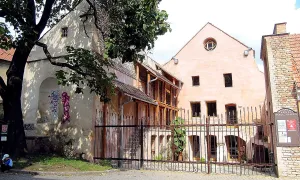
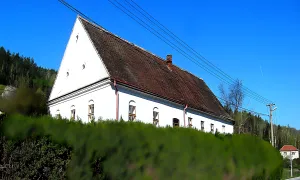
Architecturally, Drápalův Mlýn features a two-story building with a distinctive mansard roof. It retains original elements such as vaulted cellars and remnants of a Francis turbine, crucial to its operation. By 1930, the mill housed one Francis turbine powered by a channel, showcasing technological advancements in milling.
Ownership has changed over time. In 1930, Jan Drápal became the owner, lending his name to the mill. The 1950s saw nationalization and cessation of operations. Since 1991, Jaroslav Tichý owns it, transforming it into a winery.
Key historical events include the demolition of a unique wooden raft near the mill in 1961. Karel Škoda, the original builder, donated a statue of Saint John Nepomucene, which stands before the mill today.
Today, Drápalův Mlýn is both a preserved historical site and an active winery under Jaroslav Tichý's ownership. Its architectural integrity and historical significance make it a worthwhile visit for those interested in industrial heritage and rural history. The surrounding area along the Rokytná River adds to its charm, inviting exploration of its past and present.
Drápalův Mlýn stands as a testament to traditional craftsmanship and adaptation through changing times. Its preservation offers a unique glimpse into the historical landscape of the Czech Republic, making it an essential stop for history enthusiasts and casual tourists alike.
Historical milestones
- c. 1650
- First mention of the mill.
- 1804
- Construction of the current mill by Karel Škoda.
- 1930
- Jan Drápal becomes the owner of the mill.
- 1950
- Nationalization and cessation of operations.
- 1961
- Demolition of the unique wooden sail at the mill.
- 1991
- Transformation into a winery under the leadership of Jaroslav Tichý.
Architectural development
Originally constructed in 1804 by Karel Škoda, the mill has undergone various changes over time. It features a two-story building with a mansard roof and retains original architectural elements like vaulted cellars. The water wheel was powered by a channel, and by 1930, it housed one Francis turbine.
Historical events
The mill is mentioned as early as the mid-17th century.
In 1930, Jan Drápal became its owner.
It was nationalized in the 1950s, leading to the cessation of operations.
Owners
The mill was built in 1804 by Karel Škoda. In 1930, it became the property of Jan Drápal. It was nationalized and ceased operations in the 1950s. Since 1991, Jaroslav Tichý has owned and operated a winery on the premises.
Guide
This guide is narrated by a synthetic voice generated by artificial intelligence.
Show guide text
This text was created by artificial intelligence and has not been editorially reviewed. It may contain inaccuracies.
Welcome to this historic water mill in Rybníky. You stand before it and see how this beautiful structure emerges from the landscape. It is Drápal's Mill, which is part of the cultural heritage of the Czech Republic. Built in 1804 by builder Karel Škoda, this mill is notable for its mansard roof and retains original elements such as cellars and remnants of a Francis turbine. The historical significance of the mill is further enhanced by its continuous adaptation over centuries.
Let's step back into the past to discover that the first mention of the mill dates from 1650. In 1804, Karel Škoda built it to create this beautiful water mill. By 1930, it became the property of Jan Drápal. Nationalization and cessation of operations followed in 1950. In 1961, the unique wooden sail on the mill was demolished. And by 1991, the mill had been transformed into a winery under the leadership of Jaroslav Tichý.
Notice how the mill has been transformed into a winery. This is a unique adaptation of its original purpose that reflects the regional shift from industrial to agricultural activities.
Look up and see the mansard roof, which is a characteristic element of this mill. Also take note of the original cellars and remnants of the Francis turbine. These are details that give the mill its uniqueness.
Now pay attention to the statue of Saint John Nepomucene, donated by Karel Škoda. It stands before the mill and adds a spiritual dimension to it.
This place is full of history and interesting features. An intriguing aspect that will captivate you is how the mill was once transformed from an industrial object into a winery. This unique adaptation reflects the regional shift from industrial activities to agricultural ones.
Thank you for your attention, and I hope you have learned some interesting information about this historic water mill. If you want to learn more about this area, I recommend that you take a walk around the surroundings and explore other attractions and historical sites.
Tips for visitors
The best time to visit Drápalův mlýn is during the late spring or early autumn months, when the weather is mild and the surrounding landscapes are particularly lush and vibrant. These seasons offer pleasant temperatures for exploring the area on foot, allowing you to fully appreciate the natural beauty of the Rokytná River valley. Additionally, visiting outside of peak summer can mean fewer crowds, providing a more serene experience at this cultural heritage site.
It's advisable to check current transport options and schedules in advance through a local travel website or app to ensure smooth planning of your visit.
When visiting Drápalův mlýn, it’s recommended to bring comfortable walking shoes as you may want to explore the surrounding natural landscapes along the Rokytná River. A camera is also advisable for capturing the scenic beauty and historic architecture of the mill. Given that weather conditions can change, packing a light rain jacket or umbrella could be beneficial.
For photography enthusiasts, the best spots around Drápalův mlýn include areas where the river bends, offering picturesque views of the watermill against the backdrop of lush greenery. Early morning or late afternoon is ideal for capturing soft, natural lighting that enhances the textures and colors of the landscape. The statue of Saint John Nepomucene nearby also provides a unique subject with its historical significance.
Within a 30-minute drive from Drápalův mlýn, visitors can explore additional attractions such as the statue of Saint John Nepomucene, which is not only an interesting monument but also offers insight into local history and culture. This area's natural landscapes make it suitable for leisurely walks or picnics, ideal for families looking to spend quality time outdoors.
For families with children, Drápalův mlýn and its surroundings offer a variety of activities that are both educational and entertaining. The historic watermill itself can be fascinating for kids interested in how traditional milling worked. Exploring the nearby natural areas along the Rokytná River provides opportunities for outdoor play and learning about local flora and fauna, making it an engaging experience for all ages.
Frequently asked questions
Can the monument be visited?
This is a technical monument. Some are open as exhibitions, others are out of use or on private land. We have not verified whether this one is accessible.
What are the opening hours and admission?
We have not verified the opening hours or admission. Current information is published by the operator.
Where is the monument?
Location: Rybníky, Jihomoravský kraj. The map on this page shows the exact spot.
Why is the monument protected?
It is listed in the Central List of Cultural Monuments of the Czech Republic as a cultural monument (register no. 1000128601).
Businesses nearby
Do you run a restaurant, accommodation, shop, museum, rental, wellness or other visitor service near this monument? Show yourself directly to the people heading to it — this is how they will see you in the app and on the web:
Nearby
The area around Drápalův mlýn features natural landscapes along the Rokytná River. A notable nearby monument is the statue of Saint John Nepomucene, donated by Karel Škoda.
Accommodation nearby
Themed route
Water Mill (Rybníky)
1. Saint John Nepomucene Statue * Typ: socha * Proč stojí za návštěvu: This statue is a notable monument donated by Karel Škoda, adding a touch of history and culture to the area. 2. Rokytná River * Typ: přírodní rezervace * Proč stojí za návštěvu: The river offers a serene and peaceful atmosphere, perfect for a relaxing walk or a picnic. 3. Drápalův mlýn surroundings * Typ: přírodní rezervace * Proč stojí za návštěvu: The area around the mill features natural landscapes along the Rokytná River, providing a picturesque backdrop for a leisurely walk.
Seasonal recommendations
Jaro
In the spring season, the watermill in Rybníky is surrounded by beautiful nature. The forests are in full bloom and the air is filled with the scent of flowers. The atmosphere is calm and serene, as if nature were waking up from its winter slumber. If you wish to visit the watermill during the spring season, we recommend going out around noon to avoid crowds of tourists. Choose light and comfortable clothing, as the weather can change quickly.
Léto
In the main summer season, the watermill in Rybníky is full of life and energy. The forests are green and the air is filled with the scent of flowers. The atmosphere is full of mood and optimism. If you wish to visit the watermill during the summer season, we recommend going out early in the morning to avoid crowds of tourists. Choose light and comfortable clothing, as the weather can change quickly.
Podzim
In the autumn season, the watermill in Rybníky is surrounded by beautiful nature. The forests are in full color and the air is filled with the scent of falling leaves. The atmosphere is calm and serene, as if nature were preparing for winter. If you wish to visit the watermill during the autumn season, we recommend going out in the late afternoon to avoid crowds of tourists. Choose warm and dry clothing, as the weather can change quickly.
Zima
In the winter season, the watermill in Rybníky is closed and quiet. The forests are white and the air is cold. The atmosphere is calm and serene, as if nature were asleep. If you wish to visit the watermill during the winter season, we recommend going out around noon to avoid crowds of tourists. Choose warm and protective clothing, as the weather is cold and damp.
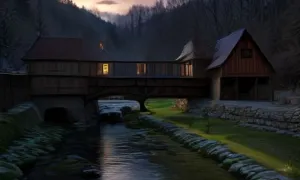
Visualizations and artistic views

The visualisations are generated by artificial intelligence and serve as inspiration.
Tips from visitors
No tips yet. Be the first!
Log in and add your tip.
Sources and literature
Faktickým podkladem tohoto textu byl článek na Wikipedii, jehož autory jsou přispěvatelé Wikipedie. Článek je dostupný pod licencí CC BY-SA 4.0.
Location on the map


Příběhy a pověsti
Legendy, pověsti a příběhy spjaté s touto památkou
Fotografie návštěvníků
Zatím žádné fotografie. Buďte první, kdo přidá fotografii z návštěvy!
Log in a přidejte svou fotografii nebo hodnoťte.
Za ověřenou návštěvu v aplikaci získáte víc bodů — poznáme podle GPS, že jste na místě.
Reviews and comments