



Vojenská nemocnice Hospital
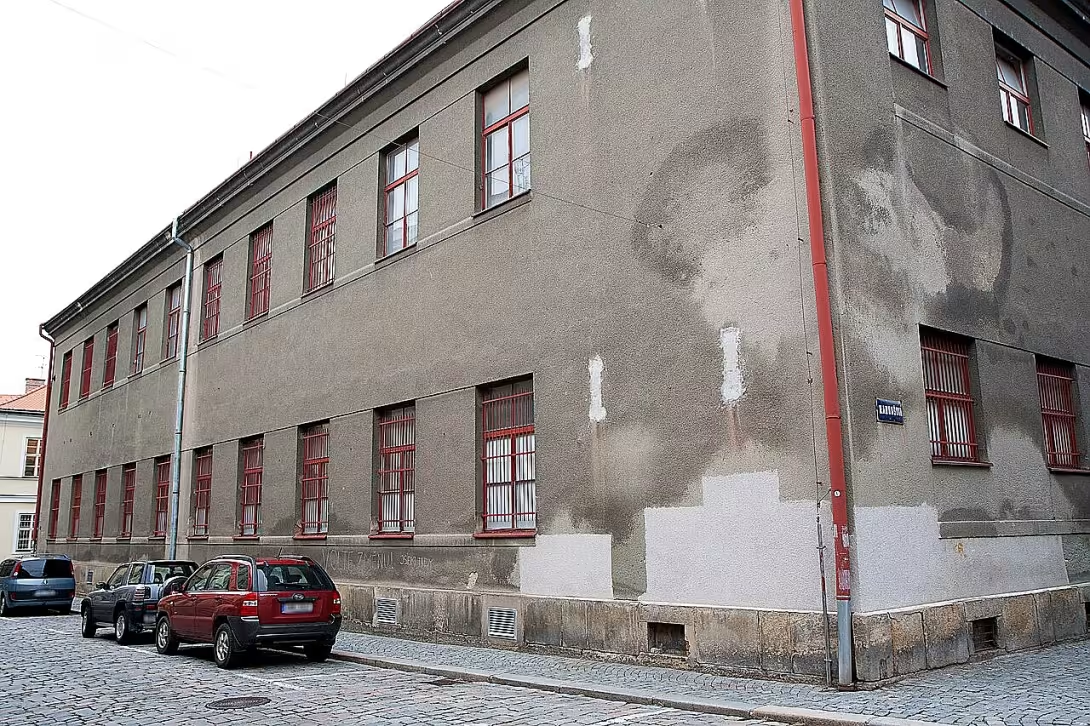
Vojenská nemocnice in Hradec Králové is an 18th-century building originally part of the bastion fortification system. Situated near Dlouhá and Radoušova streets close to Velké náměstí, this historical monument was constructed between 1787 and 1788 under General Kleindorf's military design group plans. Initially serving as a military hospital, it has undergone significant transformations over the centuries, reflecting its evolving societal role. The building is notable for its U-shaped plan with baroque facades that have been largely altered by modern renovations. It stands as a protected cultural monument since 1958.
The construction of Vojenská nemocnice began in the late 18th century when Bohemia was part of the Habsburg Monarchy, a period marked by military and architectural developments influenced by Enlightenment ideas. The building replaced thirteen small houses that belonged to craftsmen, situated on land where a pre-Hussite minoritský klášter once stood. This strategic location within the bastion fortification highlights its initial purpose as part of the city's defense system.
Architecturally, Vojenská nemocnice was originally designed with baroque facades typical of late 18th-century military architecture. The structure is a single-story building with a U-shaped plan, featuring elements such as a sandstone plinth (pískovcový sokl), the layout and size of windows, a cornice (korunní římsa), and some cambered stone lintels for cellar windows. However, significant changes occurred during a major renovation in 1951, which altered its original character. Modern additions like a gatehouse and dining hall, along with new plastering and windows, have obscured much of the building's baroque features.
Throughout its history, Vojenská nemocnice has seen various owners and served multiple purposes. Initially owned by military authorities, it functioned as a hospital until 1924. Subsequently, it housed barracks and administrative offices for the police force until at least 2021. The installation of a water filtration device in 1806 and the subsequent construction of a water pipeline from a nearby fountain illustrate early technological advancements within its walls.
Key events associated with Vojenská nemocnice include its initial construction under General Kleindorf's plans, the installation of a water filtration system in 1806, and the significant reconstruction in 1951. These developments underscore the building's adaptation to changing needs over time while maintaining its historical significance.
Today, Vojenská nemocnice stands as a testament to Hradec Králové's rich history, offering insights into military architecture and urban development from the Enlightenment era to modern times. While much of its original baroque character has been altered, it remains an important cultural monument protected since 1958. Visitors can appreciate its historical significance and architectural evolution, making it a worthwhile destination for those interested in exploring the layers of history embedded within Hradec Králové's urban landscape.
Vojenská nemocnice invites visitors to delve into its storied past, reflecting on how this monument has adapted through centuries while preserving its cultural heritage. Its presence near Velké náměstí offers a unique glimpse into the architectural and historical tapestry of Hradec Králové, making it an essential stop for anyone exploring the city's rich history.
Then and now
Drag the slider to compare how the landmark may have looked when it was built with the view today.
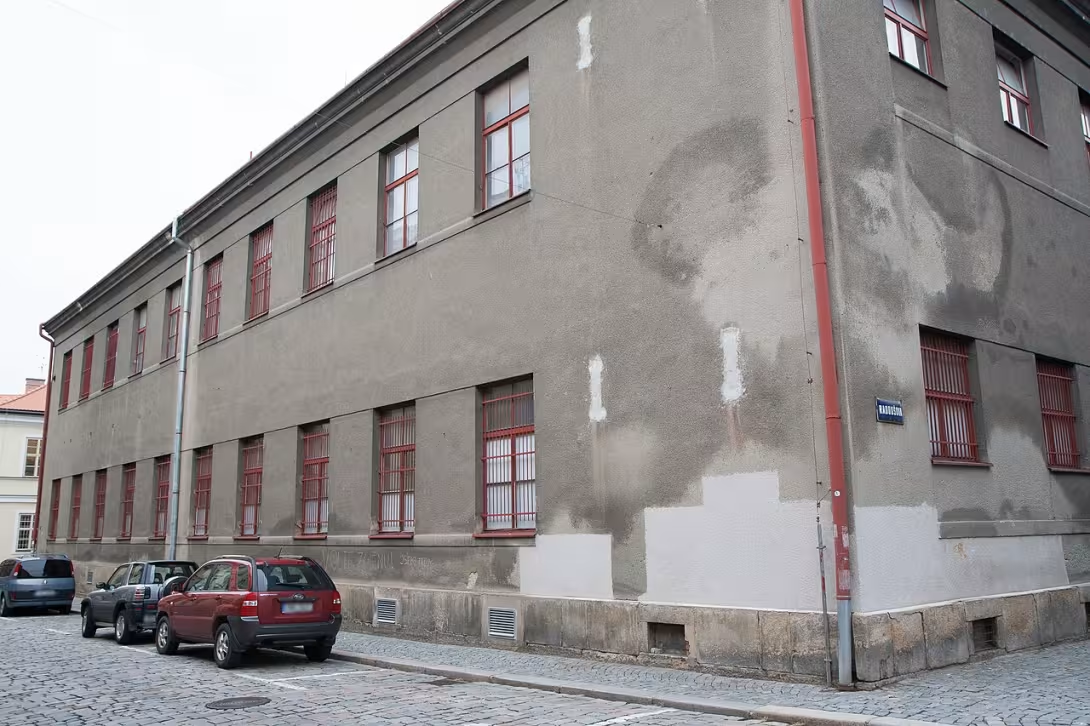

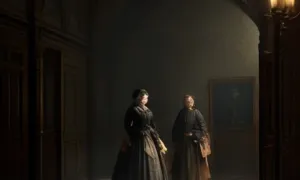
The historical appearance on the left is an AI-generated visualisation and serves as inspiration only.
Historical milestones
- 1787–88
- Construction of the building began under the plans of General Kleindorf's military design group.
- 1806
- Installation of a water filtration device and construction of a water pipeline from a nearby fountain.
- 1951
- Significant reconstruction that altered the original character of the building.
Architectural development
Originally built with baroque facades in the late 18th century, the building underwent significant changes during a major renovation in 1951. This transformation included additions such as a gatehouse and dining hall, along with modern plastering and windows that altered its original appearance.
Historical events
1787–88: Construction of the building began under the plans of General Kleindorf's military design group.
1806: Installation of a water filtration device, followed by the construction of a water pipeline from a nearby fountain.
1951: Significant reconstruction that altered the original character of the building.
Owners
Initially owned by military authorities, it served various functions including barracks and police training spaces until at least 2021.
Points of interest
- The Vojenská nemocnice was built on a site that once housed a pre-Hussite minoritský klášter, linking the building to an earlier religious history before its military use.
- Despite being originally designed with baroque facades typical of late 18th-century military architecture, many of these features were obscured during a major renovation in 1951, which introduced modern elements like new plastering and windows.
- The installation of a water filtration device in 1806 was one of the early technological advancements at Vojenská nemocnice, reflecting an innovative approach to health and sanitation within military facilities of that era.
- Initially constructed as part of Hradec Králové's bastion fortification system, the building highlights its strategic importance during a time when Bohemia was under the Habsburg Monarchy and influenced by Enlightenment ideas.
- After serving various roles from a hospital to police barracks, Vojenská nemocnice has been protected as a cultural monument since 1958, emphasizing its enduring significance in the city's history despite multiple transformations over the centuries.
Guide
This guide is narrated by a synthetic voice generated by artificial intelligence.
Show guide text
This text was created by artificial intelligence and has not been editorially reviewed. It may contain inaccuracies.
The Military Hospital in Hradci Králové was founded in the eighteenth century as part of the bastion fortress with which the town was then surrounded. The building is located in the historic center near Velké náměstí and is bounded by Dlouhá and Radoušova streets.
Construction took place between seventeen eighty-seven and seventeen eighty-eight, though according to other sources it lasted until seventeen ninety-seven. The plans were prepared by a military design group led by General Kleindorf. The hospital was built on the site of thirteen demolished houses where poor craftsmen and artisans had lived. Even earlier, a Minorite monastery from before the Hussite Wars had stood there. One of the proposals had envisioned a different location on the eastern front of Malé náměstí. However, this ultimately did not happen.
The hospital soon received a technical innovation. Sometime before eighteen oh-six, it had equipment for water filtering. However, water had to be carried to it by hand from the fountain in Velké náměstí. In eighteen oh-six, the fortress administration therefore made an agreement with the municipal authorities, and a water pipeline was laid from the fountain to the hospital. The two parties then continued to dispute until eighteen eleven over who was allowed to use it and who was responsible for its maintenance.
The building served its original purpose until nineteen twenty-four. After that it became a barracks and staff building, remaining so until nineteen ninety-eight. Subsequently, it was taken over by the Police of the Czech Republic, which used it for storage and training facilities. According to information from two thousand twenty-one, the building still belongs to them. It has been a protected cultural monument since nineteen fifty-eight.
It is a single-story three-wing building shaped like the letter U. It is adjacent to the former bishop's seminary. Originally it had Baroque facades. A major renovation in nineteen fifty-one significantly changed its appearance. Little remains of its original look: a sandstone plinth, the layout and possibly also the size of the windows, the crown molding, and in places also the stone surrounds of the basement windows. The artistic value of the building is reduced mainly by more recent additions, namely the gatehouse and dining hall. It is also diminished by the gray terrazzo plaster and modern windows.
Tips for visitors
The best time to visit the Vojenská nemocnice is during late spring or early autumn when the weather is pleasant, allowing for a comfortable exploration of its historical architecture. These seasons offer mild temperatures and vibrant natural surroundings that enhance the experience. Additionally, visiting outside peak tourist season can provide a more serene atmosphere, making it easier to appreciate the site's history without large crowds.
It's advisable to check current transportation schedules online for the most efficient route.
When visiting Vojenská nemocnice, consider bringing comfortable walking shoes as exploring historical sites often involves navigating uneven surfaces. A camera is recommended to capture the architectural details and ambiance of the area. Additionally, carrying a light jacket or umbrella can be useful due to variable weather conditions in Hradec Králové.
Photography enthusiasts will find several spots around Vojenská nemocnice ideal for capturing its historical essence, especially during golden hour when the soft lighting accentuates the building's features. The area near Dlouhá and Radoušova streets offers picturesque views of the site against the backdrop of Hradec Králové’s skyline.
For those interested in exploring nearby attractions within a 30-minute radius, consider visiting the remnants of the former bishop's seminary located close to Vojenská nemocnice. This area provides additional historical context and enriches your understanding of the local heritage. Exploring Velké náměstí can also offer insights into Hradec Králové’s cultural landscape.
Families with children will find Vojenská nemocnice an educational outing, as it offers a glimpse into 18th-century military history and architecture. Engaging children in the site's story can make the visit more interactive and memorable. Nearby parks or open spaces provide opportunities for relaxation after exploring the historical site.
Frequently asked questions
Can the monument be visited?
The building is in use (offices, a school, shops and the like). The interior is generally accessible only during operating hours and tours are not usually offered; we have not verified the details. You can see the exterior from the street.
Where is the monument?
Location: Hradec Králové, Královéhradecký kraj. The map on this page shows the exact spot.
Why is the monument protected?
It is listed in the Central List of Cultural Monuments of the Czech Republic as a cultural monument (register no. 1000146939).
Businesses nearby
Do you run a restaurant, accommodation, shop, museum, rental, wellness or other visitor service near this monument? Show yourself directly to the people heading to it — this is how they will see you in the app and on the web:
Nearby
Located near Dlouhá and Radoušova streets close to Velké náměstí, the area is historically significant with remnants of a former bishop's seminary nearby.
Accommodation nearby
Themed route
Historic Downtown Hradec Králové Walking Tour
1. Vojenská nemocnice (Military Hospital): This historic hospital is a must-visit for its unique architecture and historical significance. Explore the remnants of the former bishop's seminary nearby and learn about the hospital's role in the region's history. 2. Velké náměstí (Large Square): This vibrant square is the heart of Hradec Králové's downtown area, surrounded by beautiful buildings and lively atmosphere. Admire the square's architecture and soak up the local culture. 3. Dlouhá Street: This charming street is lined with historic buildings, quaint shops, and restaurants. Take a leisurely stroll and discover the unique character of this picturesque street. 4. Radoušova Street: This street is known for its beautiful architecture and historic significance, with many buildings dating back to the 18th century. Take a moment to appreciate the street's charm and history. 5. Bishop's Seminary Ruins: Visit the remnants of the former bishop's seminary, which is located near the Military Hospital. Explore the ruins and learn about the seminary's history and significance in the region.
Seasonal recommendations
Jaro
In the spring season, the Military Hospital in Hradec Králové is surrounded by beautiful nature as trees turn green and the first flowers bloom. The atmosphere is full of optimism and hope for a new beginning. It's best to visit during sunny and warm weather. We recommend going on an early morning or late afternoon tour to avoid large crowds of tourists. Don't forget to wear sturdy shoes so you don't slip on dry and wet surfaces.
Summer
Summer is the ideal time to visit the Military Hospital when the weather is sunny and warm. Many tourists choose this peak season for their tours, so we recommend coming earlier to avoid large crowds. Don't forget to bring sunglasses and sunscreen to protect yourself from the sun. The best time to visit is during the midday hours when it's hottest and most pleasant.
Autumn
In autumn, the Military Hospital in Hradec Králové is surrounded by beautiful nature as tree leaves turn into various shades. The atmosphere is calm and harmonious. It's best to visit during cool and dry weather. We recommend going on an early morning or late afternoon tour to avoid large crowds of tourists. Don't forget to wear sturdy shoes so you don't slip on dry and wet surfaces.
Winter
Winter is the ideal time to visit the Military Hospital when the weather is cold and dry. The atmosphere is calm and serene. We recommend going on an early morning or late afternoon tour to avoid large crowds of tourists. Don't forget to wear sturdy shoes and warm clothing to protect yourself from the cold.
Visualizations and artistic views


The visualisations are generated by artificial intelligence and serve as inspiration.
Photos from the area
Real photos taken near the monument


Zdroj a licence jsou uvedeny u každého snímku.
Atmosphere of the place
This atmospheric visualisation of the place and period was generated by artificial intelligence. It is not real footage of the location.
Tips from visitors
No tips yet. Be the first!
Log in and add your tip.
Sources and literature
Photos: Petr Doležal / CC BY-SA 3.0 — Wikimedia Commons. The author and licence also appear when you hover over the image.
Faktickým podkladem tohoto textu byl článek na Wikipedii, jehož autory jsou přispěvatelé Wikipedie. Článek je dostupný pod licencí CC BY-SA 4.0.
Location on the map
More monuments – Hradec Králové
Show all in the municipality
Příběhy a pověsti
Legendy, pověsti a příběhy spjaté s touto památkou
Fotografie návštěvníků
Zatím žádné fotografie. Buďte první, kdo přidá fotografii z návštěvy!
Log in a přidejte svou fotografii nebo hodnoťte.
Za ověřenou návštěvu v aplikaci získáte víc bodů — poznáme podle GPS, že jste na místě.
Reviews and comments