



Winternitzovy mlýny Mill
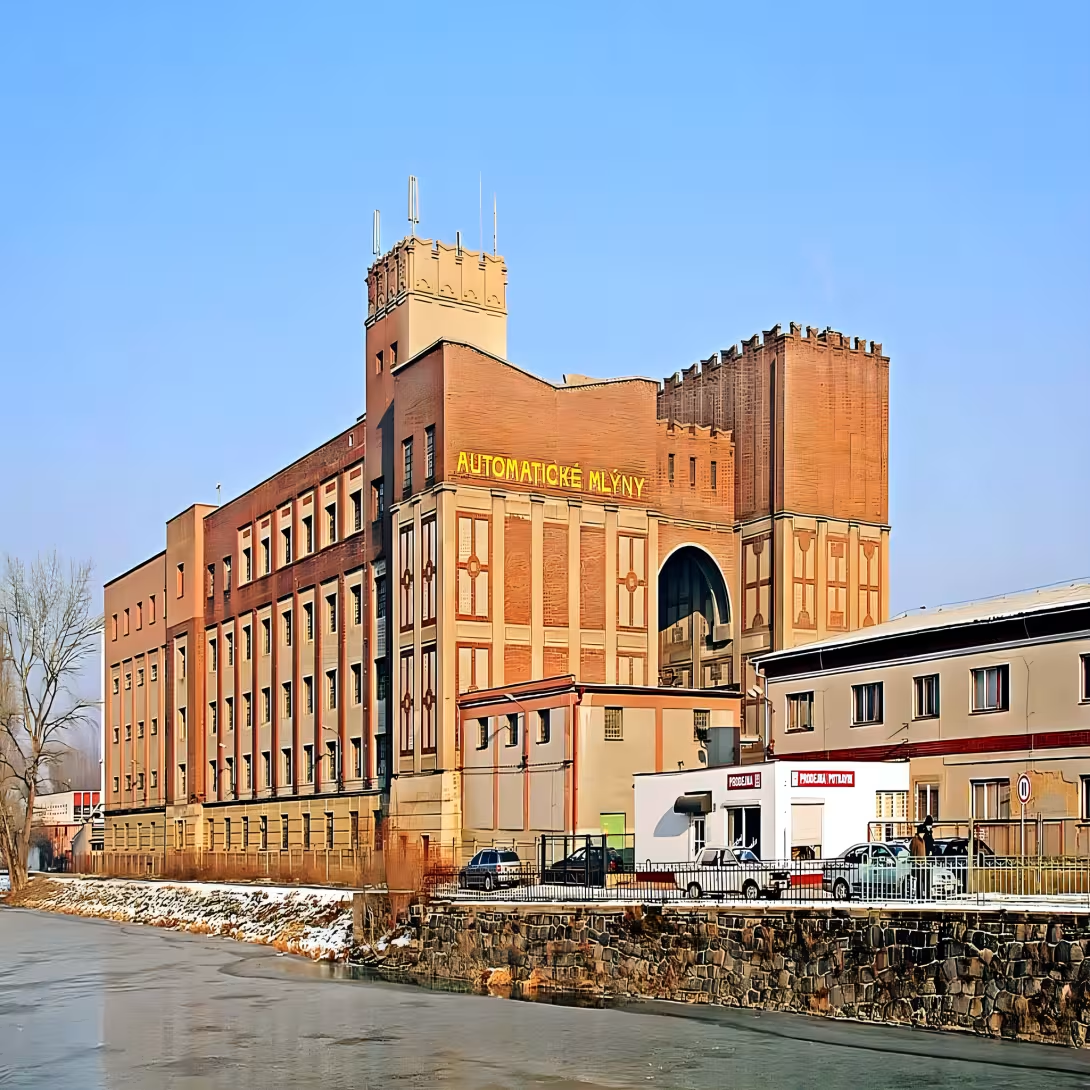
Winternitzovy mlýny, also known as Automatic mills, stands on the right bank of the Chrudimky River in front of its battle with the Elbe in the very heart of Pardubice. The building was designed in 1910 by the famous architect Josef Gočár for the Egon and Karl Winternitz brothers. Originally it served as a modern mill operation and over time it became one of the iconic buildings of the city.
The formation of mills was linked to the significant transformation of Pardubice at the turn of the 19th and 20th centuries. The city experienced a sharp population increase and artificial lakes and park zones were created as part of the regulation of rivers. The construction of the mills itself is architecturally interesting - they are not connected to the nearest Elbe or Chrudimek rivers, but to approximately ten kilometres long the Halda artificial channel draining water from the Loučná river. The construction began in 1909 and was completed in the following year. Gočár's project ranks among his earliest works and bears the signs of cubism. The interesting thing is that even though Gočár used elements that later characterized Rondocubism, this architectural style was not crystallized until ten years later. The complex grew gradually and other buildings were added to it.
The mills served their purpose without interruption for more than a hundred years. In 2013, their operation was terminated. For years, a suitable buyer was then sought to preserve the building. It was only in 2016 that Mariana and Luke Smetan's husbands bought it and decided to rebuild it completely. The city of Pardubice and Pardubický kraj were invited as partners in their conversion. The difficult reconstruction lasted three years, from 2020 to 2023. The integration of the region was particularly ambitious - the reconstruction of the main mill building at the Gočár Gallery became the largest investment in culture in the history of the region, with a total cost of CZK 408 million.
In September 2023 the premises were ceremonially opened to the public. Transformation was really radical. Objects today combine tourist information centre, multifunctional hall with terrace, Gočár gallery dedicated to the architectural legacy of Josef Gočár, educational centre Sphera (focused on science and modern technology), city gallery GAMPA and many other public spaces. For the first time in history, Gočár's grain silo owned by the Automatic Mill Foundation is also accessible. The visitor therefore finds a combination of industrial heritage, modern culture and education in a historical environment on the edge of the Renaissance city centre.
Then and now
Drag the slider to compare how the landmark may have looked when it was built with the view today.
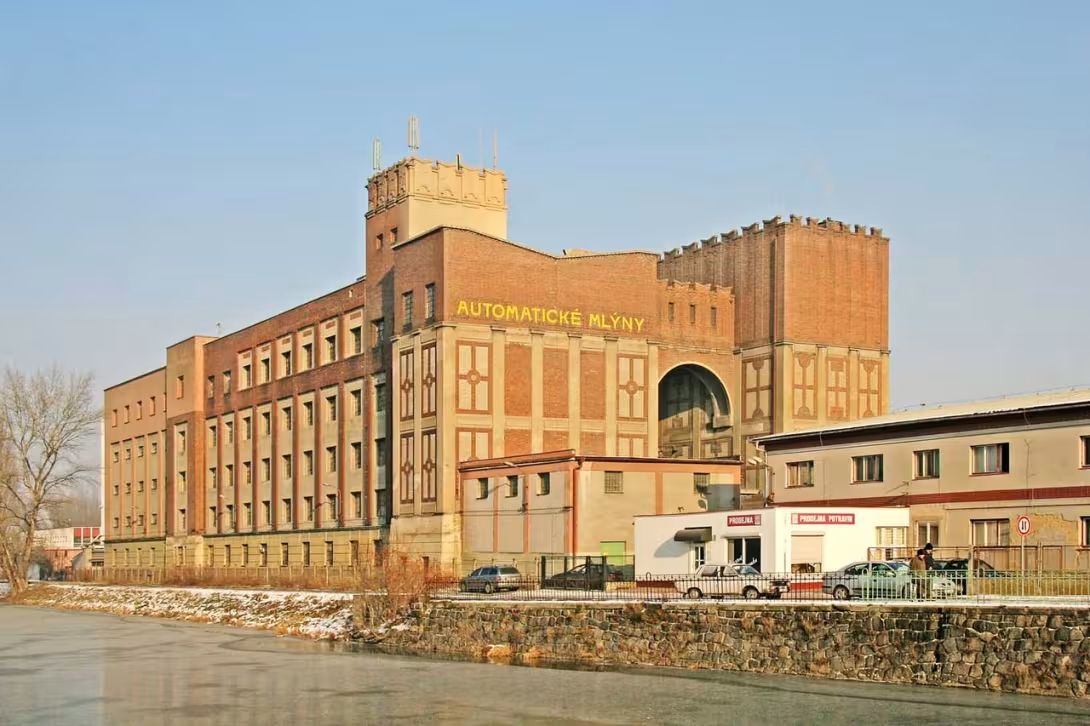

The historical appearance on the left is an AI-generated visualisation and serves as inspiration only.
Historical milestones
- 1910
- Completion of the main mill building, the first Gočár realization in Pardubice style decorative modern.
- 2013
- Ending the operation of mills for over a century.
- 2014
- Registration of the object on the list of National Cultural Monuments.
- 2023
- Opening of a reconstructed multifunctional cultural centre.
Architectural development
The building was built in 1909-1910 as the main mill building, and later the area was expanded. Originally cubist design with elements of rondocubism was supplemented by other objects in 1920-1926. The reconstruction in 2020- 2023 preserved the historical nature, but adapted the space to modern functions. Materials include concrete, stone and steel, typical of Gočár style.
Historical events
- 1909
- The start of the mill building according to the design of Josef Gočár.
- 1910
- Completion of the main mill building, the first Gočár realization in Pardubice.
- 2014
- Registration of mills on the list of National Cultural Monuments of the Czech Republic.
- 2023
- Completion of reconstruction and opening of a multifunctional cultural centre.
Points of interest
- Construction of mills started in 1909 and completed the following year.
- The mills are connected to the Halda artificial channel, which drains water from the river Loučná, not to the Elbe or Chrudim.
- Josef Gočár here created one of its earliest works, which precedes his later cubist style of rondocubism.
- The reconstruction of mills to the cultural and educational centre took three years, from 2020 to 2023.
- The conversion of the main mill building to the Gočár Gallery was the biggest investment in culture in the history of Pardubice Region.
Guide
This guide is narrated by a synthetic voice generated by artificial intelligence.
Show guide text
This text was created by artificial intelligence and has not been editorially reviewed. It may contain inaccuracies.
The Winternitz Mills, also called the Automatic Mills, are former mills in Pardubice. They were designed by architect Josef Gočár for brothers Egon and Karl Winternitz. They stand on the right bank of the Chrudimka River just before it flows into the Labe River, in close proximity to the Renaissance historic center of the city.
They came into being during a time when Pardubice was growing rapidly. At the beginning of the twentieth century, due to the flat terrain and inadequate water courses, the rivers were extensively regulated. Artificial lakes were created from dead branches, parks were laid out along the Chrudimka and Labe rivers, and construction expanded around them. The mills, however, did not draw water from the Labe or the Chrudimka. They were powered by an artificial canal called Halda, approximately ten kilometers long, which brings water from the Loučná River.
Construction began in nineteen hundred and nine, and a year later it was finished. The mills belong among Gočár's first works in the spirit of cubism and already bear the marks of rondocubism, a style that only emerged ten years later. The complex then continued to expand.
The mills were in operation for over one hundred years, until two thousand and thirteen. A year later, they were registered as national cultural monuments. The then owner, the company Goodmills, spent a long time looking for a buyer. Only in two thousand and sixteen did the couple Mariana and Lukáš Smetanovi purchase the complex. The architect Zdenek Balík and his studio Zette directed them to the purchase and also set up cooperation with the city and region. The transformation was initiated by the Automatic Mills Foundation, and the city of Pardubice and the Pardubice Region were brought in for the renovation.
The reconstruction lasted from two thousand and twenty to two thousand and twenty-three, and in September two thousand and twenty-three the complex was ceremonially opened as a cultural and social city quarter. For the first time in history, Gočár's grain silo was opened to the public. Its ground floor houses a branch of the tourist information center, and the upper floor contains a multifunctional hall with a terrace. The former main mill building was filled with the regional Gočár Gallery. It is the largest investment in culture in the region's history, with total expenditures reaching four hundred and eight million crowns. In the city building, which was created from a packaged flour warehouse, the Gallery of the City of Pardubice, abbreviated GAMPA, is located downstairs, and above it the polytechnic educational center Sféra. This connects science, modern technology, and the tradition of regional crafts. The complex also includes public spaces with an inner square.
Other studios contributed to the transformation. Šépka Architects designed Sféra, GAMPA, and the public spaces. Transat Architects designed the Gočár Gallery, and Prokš Přikryl Architects designed the silo.
Tips for visitors
The best time to visit the Winternitz mills is in spring or autumn when the weather is pleasant outside and you can enjoy a quiet atmosphere without a large crowd of tourists. In summer there are often more visitors, but on a sunny day it is an ideal time to photograph. Winter moons offer a charm of quiet, snow-covered buildings, but some parts of the monument can be closed at this time.
To the Winternitz mills can be reached by a car that can be parked nearby in reserved parking lots. The location is also well accessible by public transport - stops are within a few minutes walk. Check the current connection and traffic options in the traffic search engine before travelling. It is recommended to come on foot because the whole complex is located in the city centre and the surrounding area is nicely modified.
When visiting, wear comfortable shoes because part of the complex is on reinforced but uneven surfaces. It is also convenient to take a map or mobile application with navigation so that you can see the surroundings and other interesting places nearby. If you are planning to photograph, take a lens with you with a larger angle of view, which allows you to capture the overall view of buildings.
The best places for shooting are the facades of mills in the morning or afternoon light, when the light falls sideways and creates interesting shadows. Particularly impressive are images from around the river Chrudimka, where the architecture of mills is combined with the natural environment. Entry gates and historical details on facades are ideal for detailed shots.
In the vicinity of the Winternitz mills is worth visiting the Renaissance historical centre Pardubice, which is only a few minutes' walk away. Here you will find picturesque streets with historical houses and other monuments. Another interesting thing is the park near the river Chrudimka, located in a direct neighbourhood and offers a quiet environment for relaxation or picnic. Both of these places are ideal for a combined cruise visit.
For families with children, a visit to the Winternitz mills is a great opportunity to explore history. Children can look at monumental buildings and imagine how mills worked here. It is possible to play in a small area near the Chrudimka River or to see the historical centre where they can find many attractions. It is also recommended to visit a nearby park where children can have fun in the open area.
For kids
Imagine going back to when our ancestors lived near the River Bečva. This is where Winternitzovy mlýny stands today, a cultural monument of the Czech Republic.
It was like in a game when people would meet to exchange products and share experiences. The mills were the heart of the village Pardubice, where people fed on agriculture and trade. Who lived here? They were farmers, craftsmen, merchants and even nobles. They were all connected by life around the river.
Businesses nearby
Do you run a restaurant, accommodation, shop, museum, rental, wellness or other visitor service near this monument? Show yourself directly to the people heading to it — this is how they will see you in the app and on the web:
Events nearby
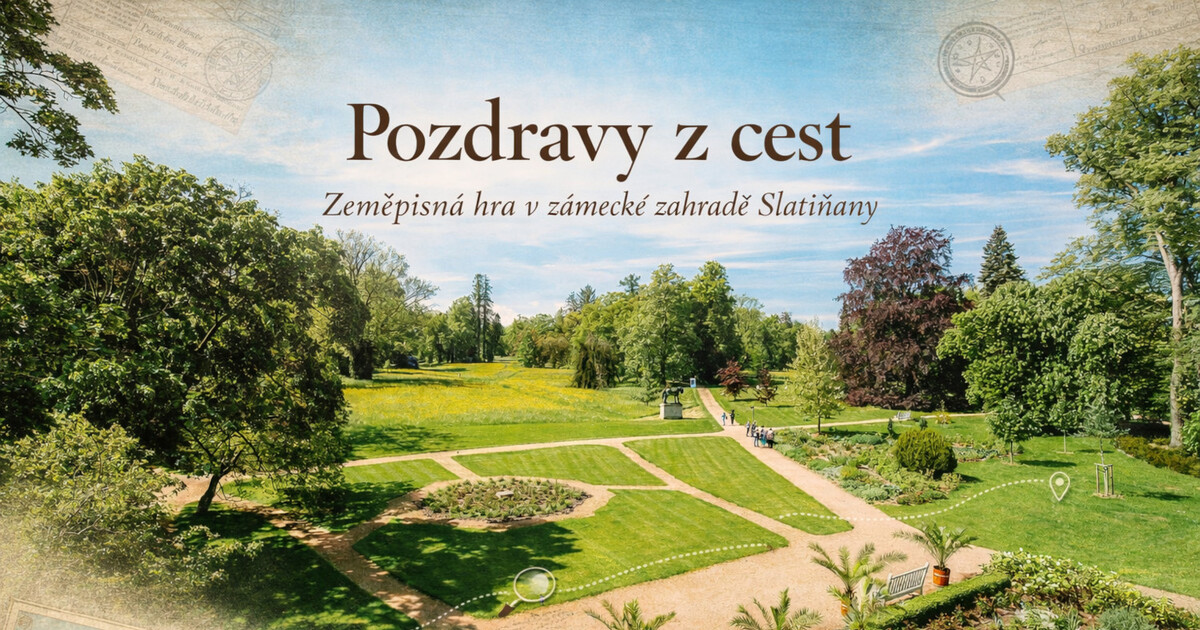
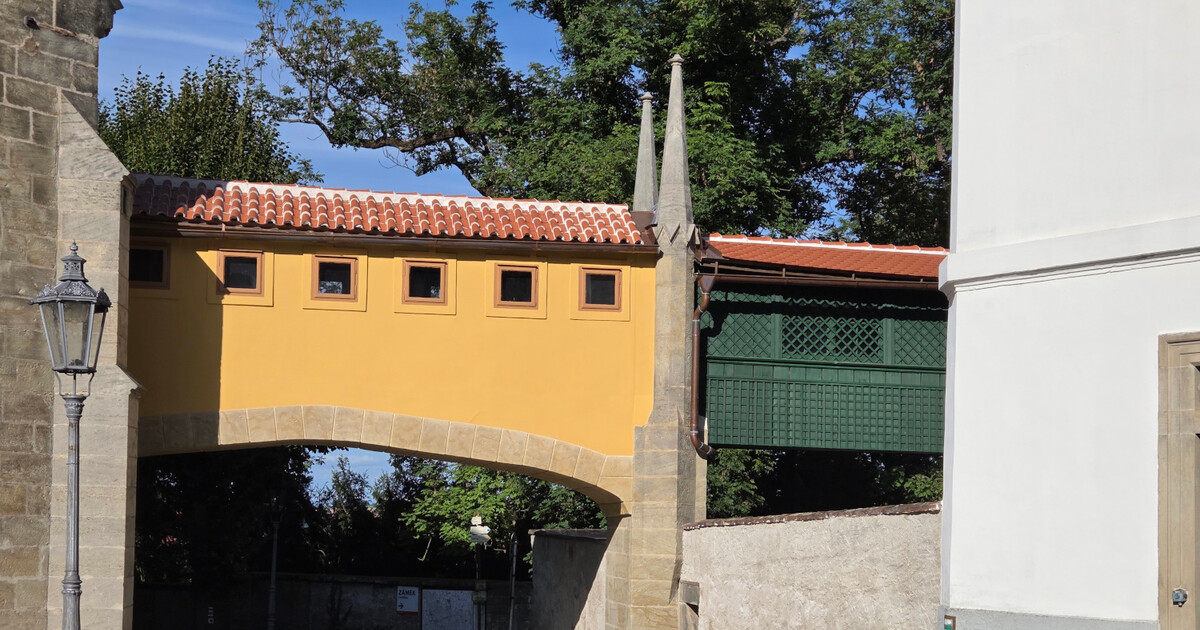
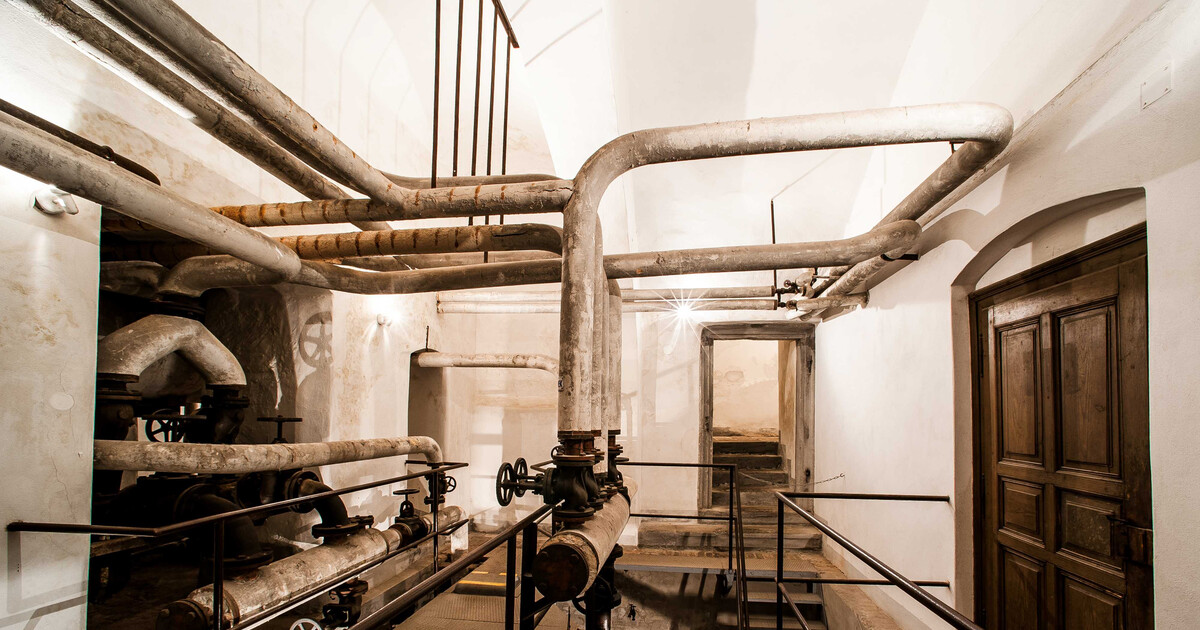
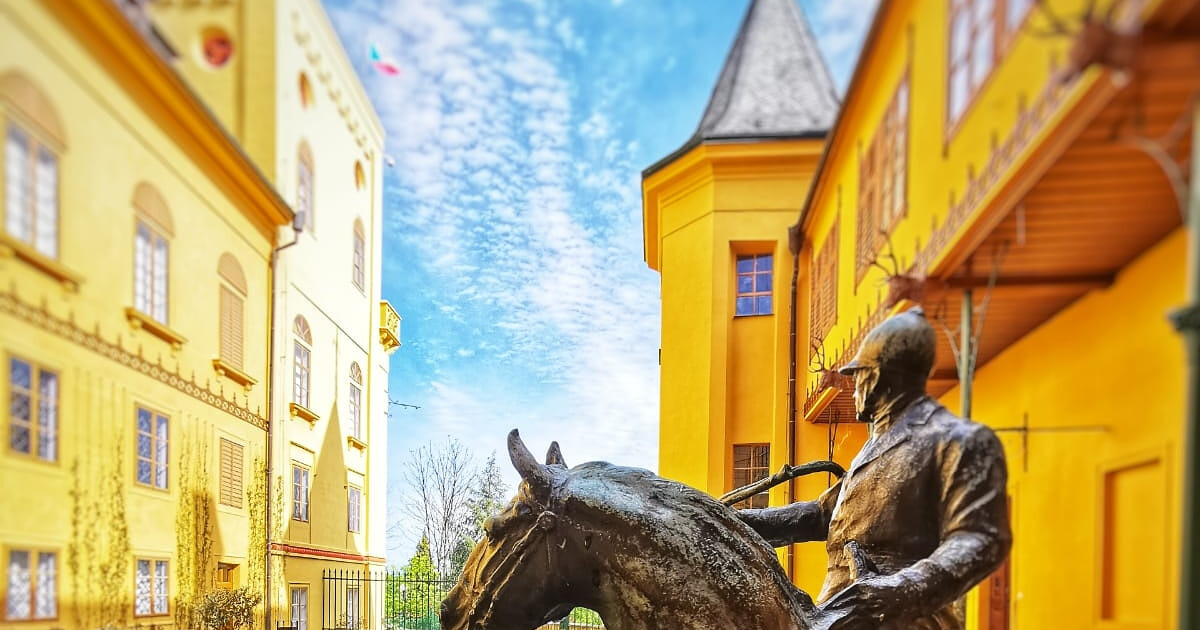

Zdroj akcí: otevřená data měst a obcí ČR (Národní katalog otevřených dat) a kalendář akcí Národního památkového ústavu.
Nearby
- The preserved Renaissance core of the city with historical houses and monuments.
- Green area created by river regulation, serving as a relaxation zone.
- Baroque church from the 18th century, an important monument to the city.
Accommodation nearby
Themed route
Thematic cruise route: From the mill heritage to the Renaissance heart
1.Winternitzovy mlýny * Technical monument * - Unique preserved mill area with original equipment that illustrates the history of water mills. Its architecture and technical details reveal the craft history of the region.
2. Park by the river Chrudimka * Natural relaxation zone * - Quiet green platform in direct neighbourhood of mills, ideal for a short rest break. Suitable for walking along the modified river flow.
3. Church of St. James * Sacral monument * - Gothic-Renaissance church with historic interior, which is worth visiting for its artistic and spiritual values. It is located in a preserved historical building.
4. Renaissance historical centre Pardubice * Architectural pearl * - The preserved core of the city with Renaissance houses and monuments, which offers a view until Pardubice was one of the major centres of eastern Bohemia. The distance from the mills is approximately 500 meters.
* The route is designed to combine industrial heritage with cultural and natural elements of the immediate surroundings. *
Seasonal recommendations
Spring During the spring, Winternitzovy mlýny takes a special spell in Pardubice suburb, when the mill wheel rotates in combination with flowering trees and green landscape. The light of the sun, which is reflected from stone walls and water surfaces, creates fine shadows and gives the place a peaceful, almost fairy-tale atmosphere. The air is fresh and smells light on the wet ground, while in the surroundings there is a sound of birds singing and whistling leaves. It is also specific that in the spring months the mill often becomes a place for photographers looking for a contrast between historical architecture and the emerging natural environment. It is practically advisable to visit mills early in the morning or in the afternoon when there are fewer visitors. It is recommended to wear clothes that protect from unpredictable spring weather - light jackets, umbrellas and comfortable shoes, because the terrain can still be wet. Opening hours are extended during this period, but it is good to check in advance whether the mill offers tours or exhibitions, which are often held in spring months.
Summer Summer brings to Winternitz mills life and sunlight, which illuminates every detail of stone walls and wooden structures. Warm days and long evenings create ideal conditions for walking around where the scent of flowery meadows and freshly chopped grass are mixed. In the summer months, the mill is often visited by families with children who can observe how water rolls over the wheels, or see exposition dedicated to the history of mills. It is also specific that in the main summer season the mill is open longer, but visitors should count on a higher frequency of tourists, especially on weekends. It is recommended to come early in the morning to avoid crowds, and to take with you enough water and sun protection. Light, breathable clothes and comfortable shoes are the ideal choice because the terrain around the mills can be uneven. Evening visits are pleasant, but some parts of the mill can be closed at this time.
Autumn Autumn brings golden and red colors to Winternitz's mills, which are reflected in calm water and create a picturesque atmosphere, reminiscent of old fairy tales. The colder air and the rustling of leaves that roll along the road give the place a mysterious and peaceful mood. During this period the mill is often visited by photo lovers looking for a contrast between historical architecture and colorful autumn forest. It is also specific that in September and October the mill is open in shorter hours, but visitors can experience a quieter environment than in summer. It is recommended that clothes protect against cold wind and rain - warm jackets, waterproof shoes and possibly umbrella. The best time to visit is in the afternoon when the sun shines still enough, but the crowds are less. In advent time, the mill can become a place for Christmas exhibitions or concerts, so it is good to inform yourself about current events in advance.
Winter Winter visit to the Winternitz mills offers a unique atmosphere where the mill wheel rotates in combination with the snow landscape and fog that rolls over the river. The cold air and the quiet of the winter day give the place a mysterious and calm mood that is typical of this season. In winter months, the mill is open only for a limited time, but visitors can experience a quiet and almost fabulous environment. It is also specific that in winter the mill often becomes a place for winter photos, when light is reflected from snow and creates unique images. It is recommended to warm, layered clothes that protect against frost and snow, and comfortable shoes with good grip. The best time to visit is in the afternoon when the light is still sufficient, but the crowds are minimal. In winter it is also advisable to monitor the current opening times, as some parts of the mill can be closed this season.
Visualizations and artistic views


The visualisations are generated by artificial intelligence and serve as inspiration.
Photos from the area
Real photos taken near the monument


Zdroj a licence jsou uvedeny u každého snímku.
Atmosphere of the place
This atmospheric visualisation of the place and period was generated by artificial intelligence. It is not real footage of the location.
Tips from visitors
No tips yet. Be the first!
Log in and add your tip.
Sources and literature
Photos: Wikipedista:Zp / CC BY-SA 3.0, rozlišení zvýšeno umělou inteligencí — Wikimedia Commons. The author and licence also appear when you hover over the image.
Faktickým podkladem tohoto textu byl článek na Wikipedii, jehož autory jsou přispěvatelé Wikipedie. Článek je dostupný pod licencí CC BY-SA 4.0.
Location on the map
More monuments – Bílé Předměstí
Show all in the municipality
Příběhy a pověsti
Legendy, pověsti a příběhy spjaté s touto památkou
Fotografie návštěvníků
Zatím žádné fotografie. Buďte první, kdo přidá fotografii z návštěvy!
Log in a přidejte svou fotografii nebo hodnoťte.
Za ověřenou návštěvu v aplikaci získáte víc bodů — poznáme podle GPS, že jste na místě.
Reviews and comments