






zámek Bílá Lhota Chateau
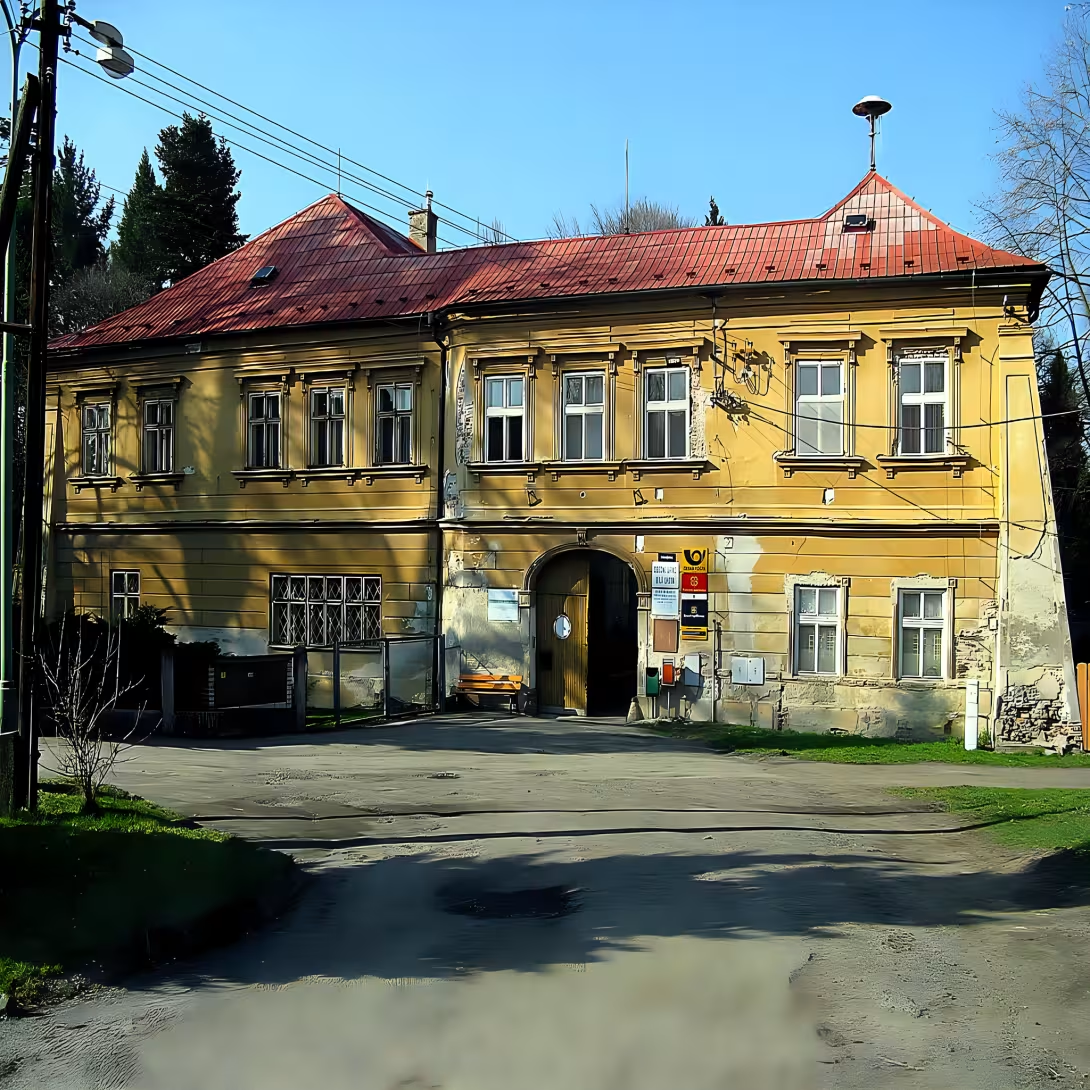
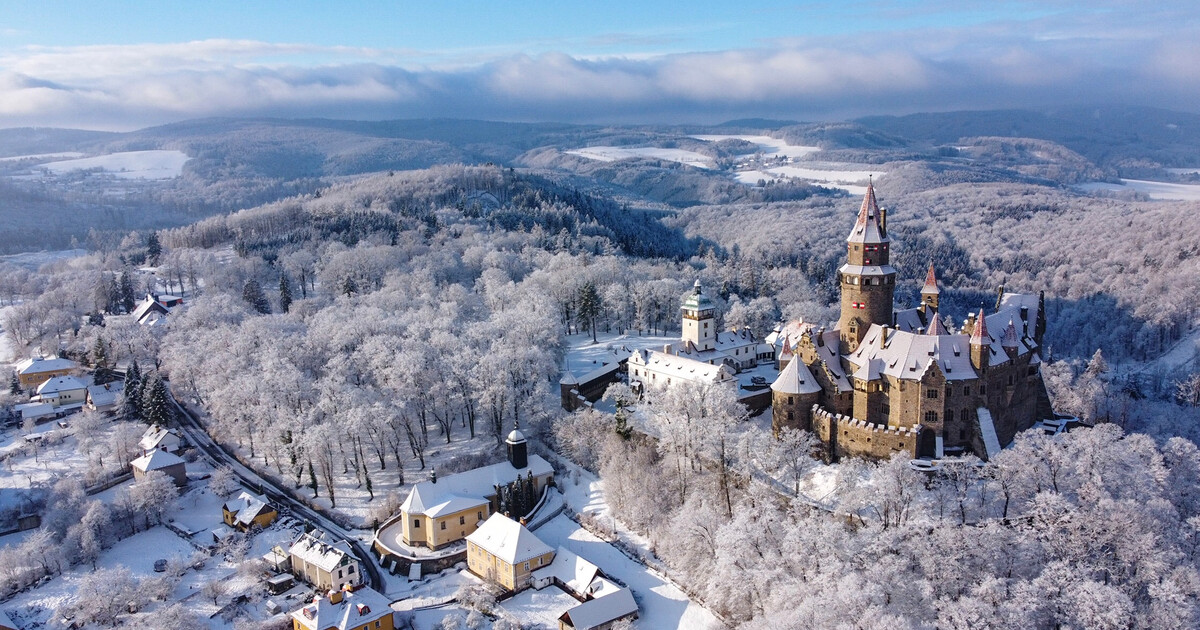
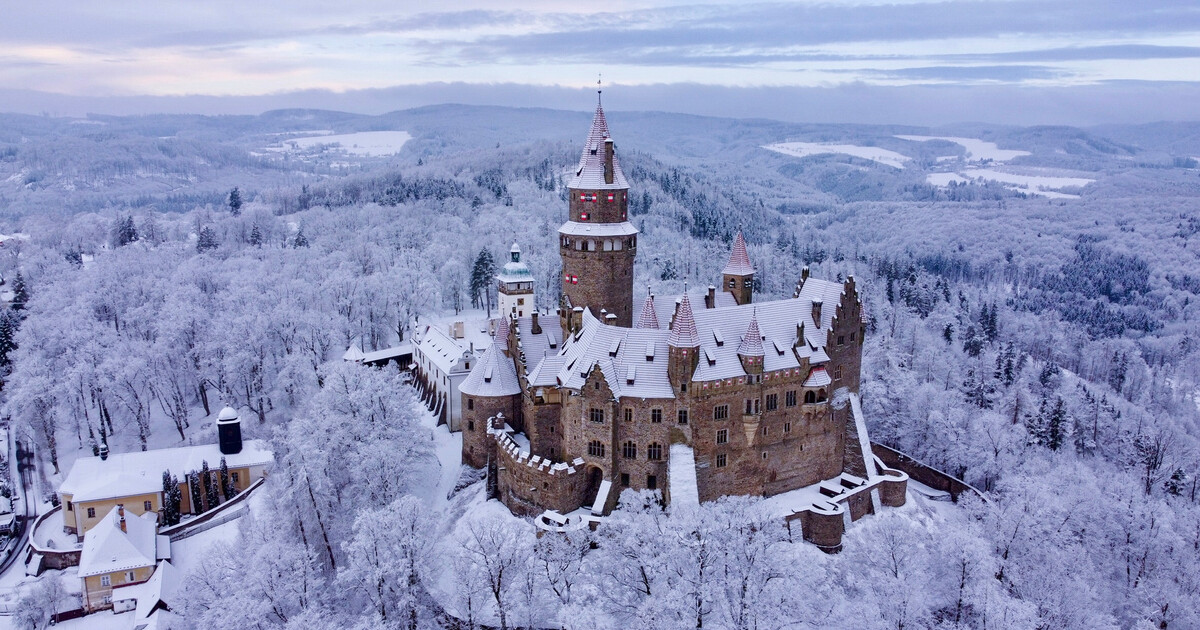
Bílá Lhota Chateau is a classical estate with Empire style elements, located in the village Bílá Lhota in the OlomoucKou region. This historical monument stands at the foot of the Zábřežské výština and has evolved significantly since its first mention in 1356. Originally, the fortress turned into a Renaissance chateau and later went through baroque modifications before reaching its present classical form in the early 19th century. The object is particularly remarkable for its arboretum introduced by Quid Riedl in the early 20th century, with over 300 tree species.
The origin of the chateau Bílá Lhota dates back to the late Middle Ages when it was first mentioned as part of the estate Zdislav z Řimic. At first the fortress, its exact date of construction is not documented, but historical records show that in 1437, the known structure existed under the ownership of Jeska of Lhota. Over time, the site walked through various hands and reflected wider political and social changes in the Czech Republic, which were part of the Holy Roman Empire during its original construction and later reached the Habsburg government.
Architectural, Bílá Lhota Chateau saw several changes. The original fortress probably gave way to a new structure in the late Middle Ages. At the end of the 16th century he turned into a Renaissance chateau. The subsequent Baroque renovation in the 18th century significantly changed its appearance before it took over its contemporary classical and empress architecture at the beginning of the 19th century.
The ownership of Chateau Bílá Lhota has changed owners several times throughout history. After Zdislav z Řimic, major owners included Jiří z Poděbrad, who transferred the property to Karel z Vlašimi v1464. Erazimus Bítovský ze Slavíkovic and its descendants probably built a new structure during their operation. The chateau later became associated with Mikuláš Kobylka z Kobylího and Jan Záviše Bítovský ze Slavíkovic, which oversaw its transformation into architecture style in the late 16th century. Markvart Hochberg z Hennersdorfu bought it in 1720 for 31,580 gold coins, followed by Jan Maxmilián Žižka. The Speil family owned it from 1792 to 1840, during which Conradin Kreutzer composed his opera "Nacht in Granada" while he was at the chateau. And finally, the Riedl family owned until 1945.
Key events in the history of chateau Bílá Lhota include transformation to Renaissance chateau and later Baroque modifications. The creation of the arboreta Quid Riedl in the early 20th century meant another significant development, the conversion of the park into a remarkable dendrological area with over 300 tree species.
Today, Bílá Lhota The chateau serves as a multi-functional place for the local community. The chateau is now a separate story, a four-winged building with a giant building (municipal office), post office, library and health centre. His park, once part of the chateau grounds, was transformed into the Arboretum Bílá Lhota, which was opened to the public in 1968 as the National Monument of Nature. The arboretum contains both domestic and rare European and exotic trees from areas like North America, Japan, China and Asia Minor.
Bílá Lhota The chateau offers visitors a view of their rich history through its architectural evolution and diverse species within its arboretum. Its importance lies not only in its historical transformations, but also in its current role as a community centre. Visitors are invited to explore this unique blend of cultural heritage and natural beauty, making it a valuable destination for those interested in history and nature.
Then and now
Drag the slider to compare how the landmark may have looked when it was built with the view today.
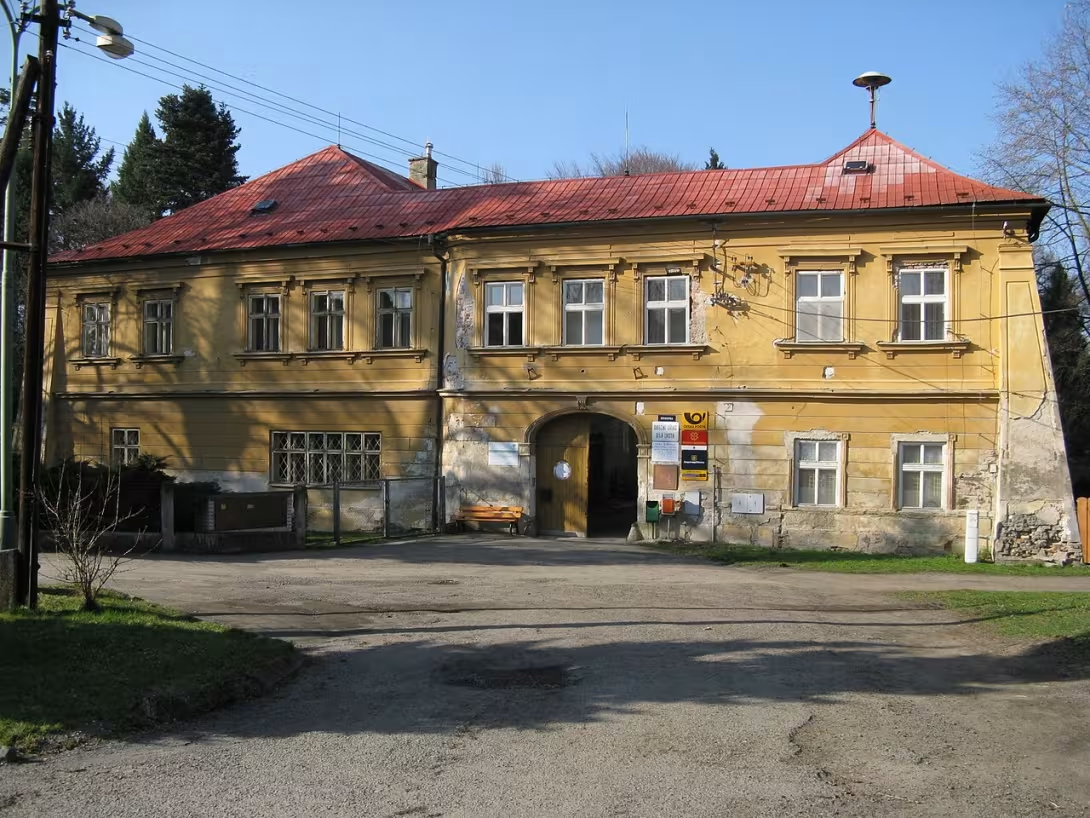

The historical appearance on the left is an AI-generated visualisation and serves as inspiration only.
Historical milestones
- 1356
- First mention of White Lhota as part of property Zdislav z Řimic.
- 1464
- Transfer of property to Jiří z Poděbrad, then to Karel z Vlašimi.
- 1720
- Markvart Hochberg z Hennersdorfu purchase for 31,580 gold coins.
- 1926-1945
- Creating an arboretum from Quid Riedl.
Architectural development
The original fortress was probably replaced by a new building in the late Middle Ages. At the end of the 16th century he turned into a Renaissance chateau. In the 18th century, it underwent Baroque renovations that significantly changed its appearance. The contemporary classical and empire architecture dates back to the early 19th century.
Historical events
First mentioned in 1356 as part of property held by Zdislav z Řimic.
Reconstruction of the Renaissance chateau at the end of the 16th century.
Introducing an arboretum from Quid Riedl in the early 20th century.
Owners
Zdislav z Řimic (1356)
Jiří z Poděbrad (1464) - > Karel z Vlašimi
Erazimus Bítovský ze Slavíkovic
Mikuláš Kobylka z Kobylího
Jan Záviše Bítovský ze Slavíkovic
Markvart Hochberg z Hennersdorfu (1720)
Jan Maxmilián Žižka
Family Speil (1792-1840)
Riedl family (1869-1945)
Points of interest
- The conversion of the chateau into a Renaissance structure was supervised by Jan Záviše Bítovský ze Slavíkovic at the end of the 16th century and reflected the influence of Italian Renaissance architecture on Czech nobility.
- The composer Conradin Kreutzer composed his opera "Nacht in Granada" while staying at the chateau Bílá Lhota at the time of ownership of the Speil family and highlighted his role as a cultural centre and inspiration for artists.
- The chateau was purchased by Markvart Hochberg z Hennersdorfu in 1720 for 31,580 gold coins which show its significant value and desirable among noble families of this time.
- At the beginning of the 20th century, Quid Riedl founded an arboretum with over 300 species of trees, transformed the estate park into a remarkable dendrological place that reflects a growing interest in botany and preservation during this period.
The chateau was once part of the Holy Roman Empire before it came under the Habsburg government, illustrating its strategic importance and changing political relations throughout history.
Guide
This guide is narrated by a synthetic voice generated by artificial intelligence.
Show guide text
This text was created by artificial intelligence and has not been editorially reviewed. It may contain inaccuracies.
Welcome to the historic site of chateau Bílá Lhota, a remarkable law of architectural evolution hidden at the foot of the Zábřežská výština near the village Bílá Lhota. As you stand here, take a moment to absorb the magnificence in front of you - the Classicist manor with the gentle touches of the Empire style, which whispers stories from centuries ago.
The story of this chateau begins in 1356 when it was first mentioned as part of the property Zdislav z Řimic. Over time, the Bílá Lhota became the sought-after property of the nobles. In 1464 it moved into the hands of Jiří z Poděbrad and later Karel z Vlašimi, which meant its importance in regional history.
The way you look at the structure, notice how it's transformed over time. Originally built as a fortress in the late Middle Ages, Bílá Lhota has undergone significant changes. At the end of the 16th century Jan Záviše Bítovský ze Slavíkovic led its transformation into a Renaissance building that brought Italian architectural influences that were fashionable among Czech nobility.
In 1720 Markvart Hochberg z Hennersdorfu acquired property for 31,580 gold coins. This period meant a further phase of development, which eventually led to baroque adjustments which further enriched his aesthetic attraction.
One of the most interesting aspects of the chateau is its arboretum, founded between 1926 and 1945 by Quid Riedl. As you wander through this fresh collection, imagine careful care for the cultivation of such diversity in plant life - living proof of the permanent heritage of the estate.
Among the remarkable figures associated with White Lhota is Conradin Kreutzer, whose creative spirit was inspired here when he composed his opera "Nacht in Granada." Such stories add a layer of cultural wealth to this historic site.
As you continue to explore, let your curiosity guide you through his lands. Every step reveals more about the lives and times that shaped zámek Bílá Lhota. We invite you to dive deeper into its history and enjoy every moment of discovery.
Thank you for joining us on this journey through time at Chateau Bílá Lhota. May your visit be enlightening and inspiring.
Tips for visitors
The best time to visit the chateau Bílá Lhota is at the end of spring or early autumn when the weather is mild, and the surrounding Zábřežská highlands are fresh with vegetables. This period also offers pleasant temperatures for exploring the chateau grounds and enjoying a walk through the arboretum. Moreover, a visit these months will allow you to appreciate historical garden remains without summer crowds or winter cold.
When planning your visit, consider bringing comfortable walking shoes as you probably explore both the chateau area and its surrounding natural beauty. A camera is recommended to capture a picturesque view of the estate and arboretum. Don't forget to bring a hat, sunscreen or umbrella depending on the weather forecast, along with water and refreshments if you plan a longer stay.
For lovers of photography, early morning or late afternoon provides the best lighting conditions at chateau Bílá Lhota, castings of soft shadows that increase classical architecture and fresh green arboreta. Historical garden remains offer unique places to capture a mixture of nature and history. Families with children will find a vast chateau area that invites them to a peaceful walk or picnic.
The nearby attractions within 30 minutes include the discovery of more Zábřežního highlands, which are ideal for hiking and panoramic views of the region. The arboretum itself is a bridge - a visit to nature lovers interested in learning about the different kinds of trees grown there.
Frequently asked questions
Can the monument be visited?
Some buildings of this kind are open for guided tours, others serve another purpose or are privately owned. We have not verified whether and when this monument is open – please ask the operator.
What are the opening hours and admission?
We have not verified the opening hours or admission. Current information is published by the operator.
Where is the monument?
Location: Bílá Lhota, Olomoucký kraj. The map on this page shows the exact spot.
Businesses nearby
Do you run a restaurant, accommodation, shop, museum, rental, wellness or other visitor service near this monument? Show yourself directly to the people heading to it — this is how they will see you in the app and on the web:
Events nearby
Zdroj akcí: otevřená data měst a obcí ČR (Národní katalog otevřených dat) a kalendář akcí Národního památkového ústavu.
Nearby
The chateau Bílá Lhota is surrounded by coastal highlands and has an arboretum with over 300 tree species. The area includes the remains of the historic garden from the 15th century.
Accommodation nearby
Trips and activities nearby
Guided tours, tickets and activities nearby from GetYourGuide
Affiliate link: if you buy from the partner, we may receive a commission. The price for you does not change.
Search tours and activities →Themed route
Thematic cruise route zámek Bílá Lhota
1. Lock Bílá Lhota (lock) Start your journey at the Bílá Lhota chateau itself, which is a beautiful location in the village of the same. The chateau is a well-known historical architecture and supporting courtyard. It is an ideal place to develop the history of the region, especially given its important past.
2. Arboretum Bílá Lhota (arboretum) An approximate 10 minutes drive from the beginning is located an arboretum, which is a contemporary car park. This means that it should only be found if it is aid in more than 300 different types of trees. The Arboretum is part of the system for botany milestones and those to be included in the Annex.
3. Residues of the historical dam (historical dam) In the announcement of the arboretum there are preserved other first older, historical gardens dated up to 15. Century. These apartments provided a one-way settlement to the outskirts of the town and the practice of minima of times. The prognosis of the batter of flats can be fascinated by experience for historians and amateur botanists.
4. Chateau tank (courtyard) After talking about the circumstances of the gardens, it is stored on a basis that could occur if it is architectural elements and other products or services can be used. The square is a central point that can become the history and nature of the region.
This route offers combined use on zámek Bílá Lhota and its surroundings, combined historical and natural work into one harmonic trip.
Seasonal recommendations
Spring: Visit the White Lhota Chateau in spring offers a picturesque environment as nature awakens with vibrant flowers and fresh greenery surrounding the historic place. The gentle warmth of the season increases the beauty of the chateau, making it an ideal time for photographing enthusiasts to capture stunning landscapes. As daylight reaches the evening, visitors can enjoy the soft glow of natural light highlighting architectural details. It is advisable to dress in layers because temperatures may fluctuate, and while the crowds are mild, coming soon ensures a more peaceful experience.
Summer: The summer at chateau Bílá Lhota is characterized by long days filled with sun, making it ideal for exploring the chateau area and enjoying outdoor activities. The lush gardens come to life with colors that provide a living background to historical architecture. This season attracts more visitors thanks to its popularity as travel time, so planning ahead is essential - coming soon can help avoid the top crowds. We recommend comfortable walking shoes and light clothes, along with sun protection for those who spend longer periods outside.
Autumn: Autumn turns zámek Bílá Lhota into a charming landscape of warm shades, with leaves offering a stunning contrast to the stone buildings of the chateau. Colder temperatures create a calm atmosphere ideal for peaceful exploration and seasonal activities such as apple collection in the surroundings. While the number of visitors begins to decrease as the season continues, it remains important to check opening times that can be reduced in preparation for the winter. It is recommended to adapt to changing weather conditions throughout the day.
Winter: Winter at chateau Bílá Lhota brings a magical atmosphere with snow, which can fill the soil, creates a fairy-tale-tale- like setting that increases its historical charm. Shorter days mean a visit earlier in the day it is wise to fully experience the functions of the chateau before closing time. Although fewer visitors are present, it is important to dress warmly and be prepared for possible closure due to extreme weather conditions. Winter offers a unique opportunity to appreciate the architecture of the chateau against the great beauty of its surroundings.
Visualizations and artistic views


The visualisations are generated by artificial intelligence and serve as inspiration.
Photos from the area
Real photos taken near the monument


Zdroj a licence jsou uvedeny u každého snímku.
Atmosphere of the place
This atmospheric visualisation of the place and period was generated by artificial intelligence. It is not real footage of the location.
Tips from visitors
No tips yet. Be the first!
Log in and add your tip.
Sources and literature
Photos: Jofre / Public domain, rozlišení zvýšeno umělou inteligencí — Wikimedia Commons. The author and licence also appear when you hover over the image.
Faktickým podkladem tohoto textu byl článek na Wikipedii, jehož autory jsou přispěvatelé Wikipedie. Článek je dostupný pod licencí CC BY-SA 4.0.
Location on the map

Příběhy a pověsti
Legendy, pověsti a příběhy spjaté s touto památkou
Fotografie návštěvníků
Zatím žádné fotografie. Buďte první, kdo přidá fotografii z návštěvy!
Log in a přidejte svou fotografii nebo hodnoťte.
Za ověřenou návštěvu v aplikaci získáte víc bodů — poznáme podle GPS, že jste na místě.
Reviews and comments