






zámek Doubravice Chateau
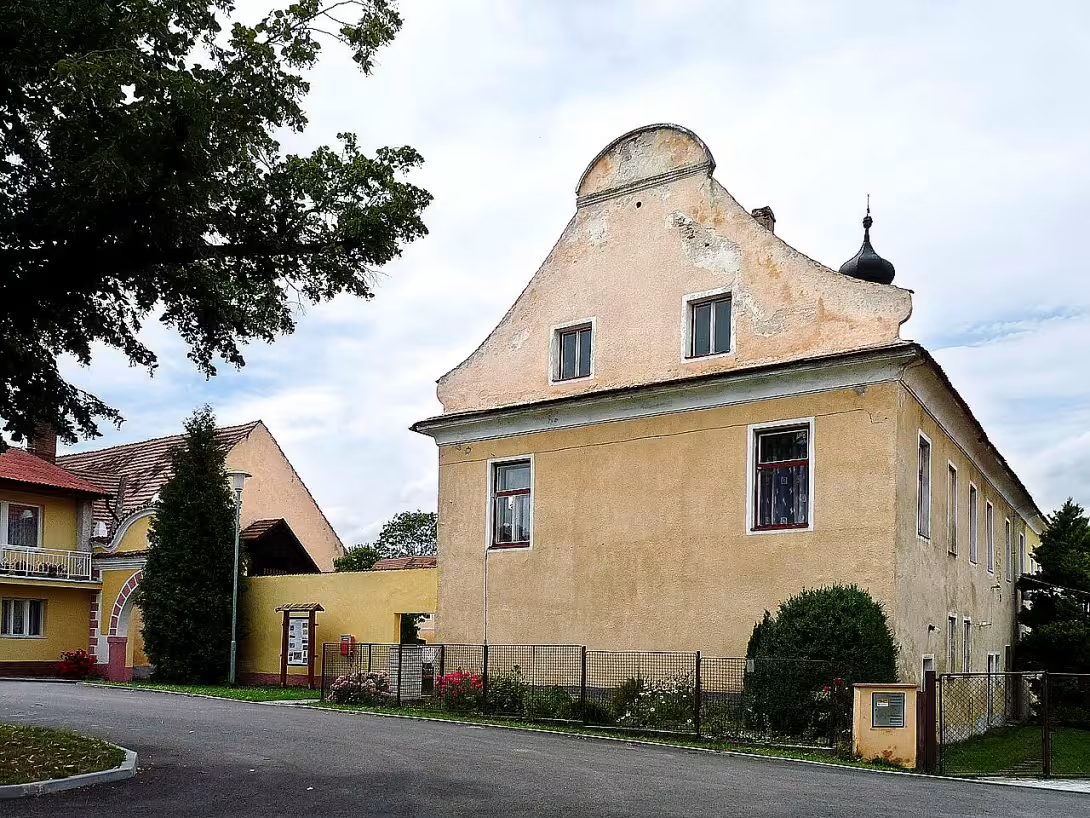
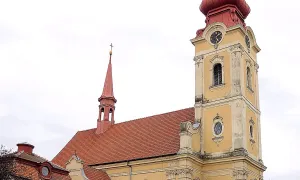
Doubravice Castle is a partially dilapidated baroque castle located in the village of Doubravice near Moravičany, Olomoucký kraj. First documented in 1382 as a fortress, it has undergone significant transformations over centuries, transitioning from a medieval stronghold to its current baroque form in the 18th century. The site is notable for its rich history and architectural evolution, reflecting the cultural and political changes of Bohemia across different eras.
The origins of Doubravice Castle trace back to the late medieval period when it was first mentioned as a fortress in 1382 under the ownership of Hynk ze Žeranovic. The site served as a local center for various noble families, experiencing frequent changes in ownership. In the early 15th century, the fortress faced destruction during conflicts between regional lords, specifically Jošt and Prokop, when it was razed by Přibík z Odlochovic in 1405. Following this period of turmoil, Jan Bítovský ze Slavíkovic acquired Doubravice around 1450 and initiated its reconstruction into a Renaissance structure during the early 16th century.
Architecturally, the castle evolved significantly over time. The original medieval fortress was rebuilt by the Bítovští ze Slavíkovic family in the Renaissance style. By the 18th century, it transitioned to its current baroque form when a new castle was constructed using stones from the old fortress. This architectural transformation reflects typical baroque elements of that period, although specific stylistic details are not extensively documented.
Ownership and administration of Doubravice Castle saw dramatic changes throughout history. After being rebuilt in the Renaissance style, it remained under the Bítovští ze Slavíkovic family until 1624 when Anna ze Zástřizl sold it to Kateřina Lvová z Rožmitálu and her husband, Zdeněk František Lev z Rožmitálu a Blatné. The castle later came under the control of the Kartuziánský klášter v Olomouci in 1669, which held it until 1784 when their property was transferred to the náboženský fond following the dissolution of the order. In 1807, the Fürstenberkové acquired Doubravice and commissioned a baroque castle on the site. The castle served various purposes over time, including as a distillery in the late 19th century and later as a lumber mill by its last owners, the hrabata Dubští z Třebomyslic.
Key events at Doubravice Castle include its destruction during early 15th-century conflicts and its subsequent reconstruction into a Renaissance structure. The transition to a baroque castle in the 18th century marked another significant transformation, utilizing materials from the original fortress. Local oral tradition places the original fortress in the eastern part of the village, known as Prchov.
Today, Doubravice Castle stands partially dilapidated but remains an intriguing site for visitors interested in its layered history and architectural evolution. While it may not be fully accessible due to its condition, the castle's historical significance and picturesque setting near Moravičany make it worth visiting. Exploring Doubravice Castle offers a glimpse into the past, showcasing the cultural shifts that have shaped this region over centuries.
Then and now
Drag the slider to compare how the landmark may have looked when it was built with the view today.
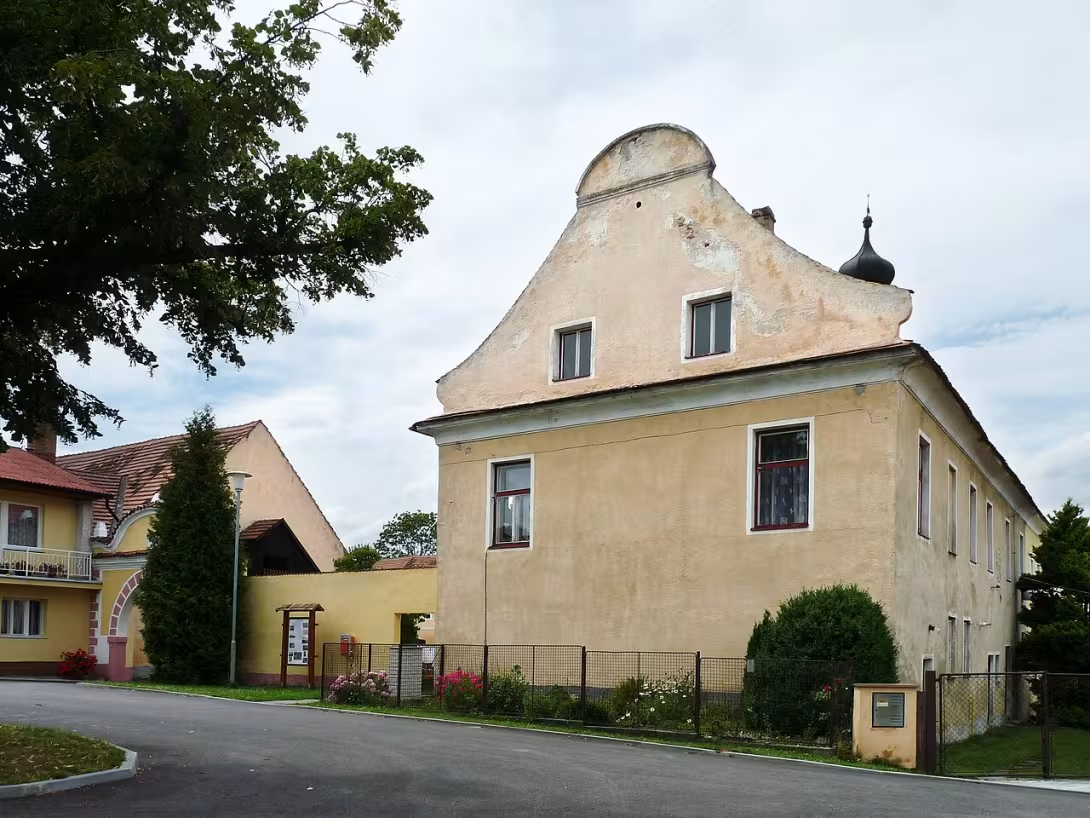
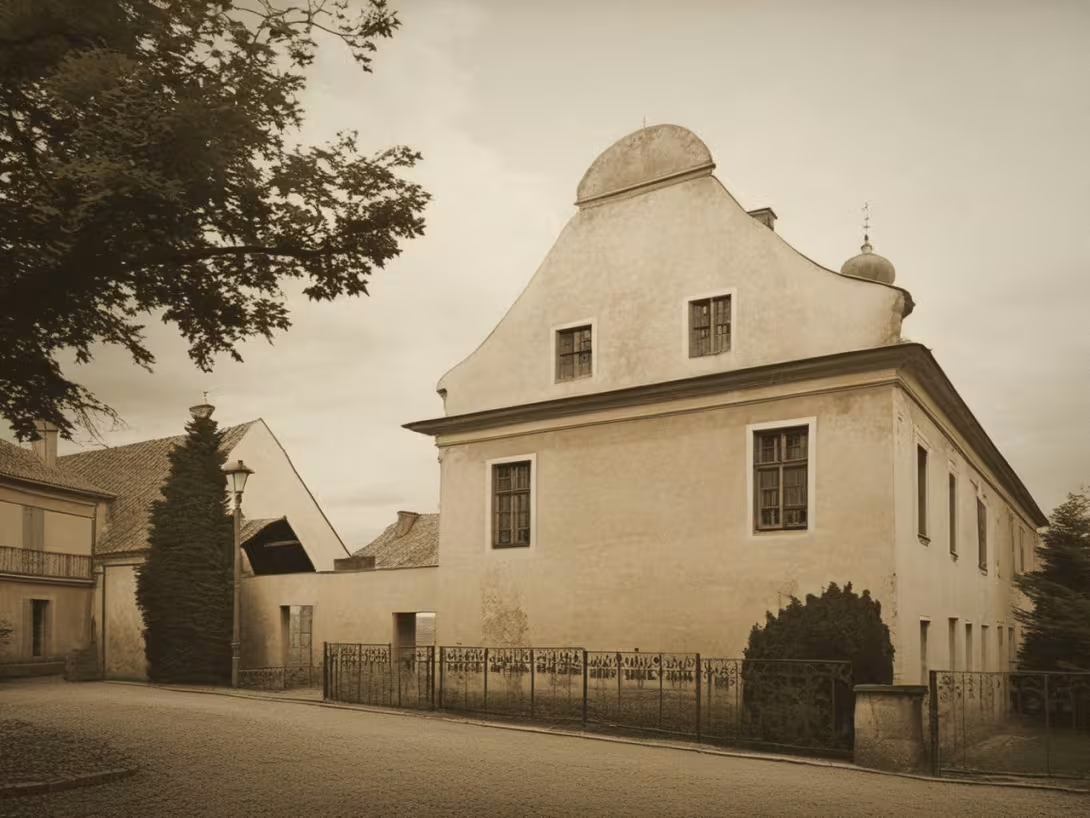
The historical appearance on the left is an AI-generated visualisation and serves as inspiration only.
Historical milestones
- 1382
- First documented mention of the local fortress.
- 1405
- The fortress was destroyed by Přibík z Odlochovic.
- 1624
- Anna ze Zástřizl sold Doubravice to Kateřina Lvová z Rožmitálu.
- 1669
- The Kartuziánský klášter v Olomouci acquired the estate.
Architectural development
The original medieval fortress was destroyed and later rebuilt as a Renaissance structure by the Bítovští ze Slavíkovic family. In the 18th century, it transitioned into its current baroque form when a new castle was constructed using stones from the old fortress. The architectural style reflects typical baroque elements of that period.
Historical events
The fortress was destroyed in the conflict between Jošt and Prokop in 1405.
Rebuilt into a Renaissance structure by Bítovští ze Slavíkovic in the early 16th century.
Baroque castle constructed in the 18th century on the site of the former fortress.
Owners
Hynk ze Žeranovic (1382)
Jan Bítovský ze Slavíkovic (circa 1450)
Bítovští ze Slavíkovic (until 1624)
Anna ze Zástřizl, rozená Bítovská ze Slavíkovic (1624-1626)
Kateřina Lvová z Rožmitálu and Zdeněk František Lev z Rožmitálu a Blatné (from 1626)
Kartuziánský klášter v Olomouci (1669–1784)
Náboženský fond (after 1782)
Fürstenberkové (1807-1901)
První moravský vyšší hospodářský ústav (1869-1876)
Hrabata Dubští z Třebomyslic (1901–1945)
Points of interest
- Despite its current dilapidated state, Doubravice Castle was once a vibrant center for noble families and underwent several ownership changes, reflecting the turbulent political landscape of medieval Bohemia.
- The castle's transition from a medieval fortress to a Renaissance structure in the early 16th century highlights the architectural adaptability and resilience of the Bítovští ze Slavíkovic family, who managed to rebuild it after its destruction in 1405.
- A fascinating aspect of Doubravice Castle is its use as a distillery in the late 19th century, showcasing how historical buildings can be repurposed for entirely different functions over time.
- Local oral tradition suggests that the original fortress was located in the eastern part of Doubravice village, known as Prchov, indicating a possible shift or expansion of the castle complex over centuries.
- The acquisition of Doubravice by the Fürstenberkové in 1807 and their commissioning of a baroque castle using stones from the old fortress exemplifies how historical materials were often recycled to create new architectural forms.
Guide
This guide is narrated by a synthetic voice generated by artificial intelligence.
Show guide text
This text was created by artificial intelligence and has not been editorially reviewed. It may contain inaccuracies.
Doubravice Castle is located in the Šumperk district, approximately five kilometers southeast of Mohelnice. Today it is already partially dilapidated, but its history reaches far back into the Middle Ages.
The first written record of the fortress here dates from 1382. At that time it belonged to the nobleman Hynek ze Žeranovic. Later the fortress became the center of a small estate and its owners changed hands frequently. During the battles between margraves Joštem and Prokopem it was destroyed. In 1405 Doubravice was devastated by Přibík z Odlochovic, the captain of Litovel. In 1448 the fortress is recorded as abandoned. The village with the fortress site was then purchased by Hynek z Rokytnice and he gave it to Jan ze Slavíkovic.
Around 1450 Jan Bítovský ze Slavíkovic owned Doubravice. His family renewed the fortress here in Renaissance style in the first half of the sixteenth century. Václav Záviš, called the elder Bítovský, resided there and died in 1553. The Bítovský family ze Slavíkovic held Doubravice until 1624. At that time Anna ze Zástřizl, born Bítovská ze Slavíkovic, sold it to Kateřina Lvová z Rožmitálu. From 1626 the estate was held by her husband Zdeněk František Lev z Rožmitálu a Blatné. However, the Thirty Years' War meant the end of the fortress. In 1642 Swedish troops plundered the village and fortress. An old oral tradition places the fortress in the eastern part of the village called Prchov. Its stones were apparently later used to build the Doubravice castle.
From 1669 Doubravice belonged to the Carthusian monastery in Olomouc. This monastery had previously owned the nearby villages of Moravičany and Palonín and later also acquired Pavlov, Radnice, and Lechovice. In the eighteenth century Doubravice thus became the seat of a larger estate. In the part of the village called Zámčí the Carthusian authorities built a simple Baroque castle. Architecturally unremarkable, the building apparently served as the seat of estate administration and for its economic needs.
The Carthusian order was abolished in 1782 and its property was taken over by the religious fund. In 1807 the fund sold the Doubravice estate to the Fürstenberks. In 1869 the Olomouc archbishop Bedřich z Fürstenberka made the castle building available to the First Moravian Higher Agricultural Institute, that is to say a specialized agricultural school. This school ceased to exist after some time. Between 1869 and 1876 a malt house operated in the castle.
The last owners were the Dubský family counts from Třebomyslic, from 1901 until 1945. The castle served them as a warehouse and for a certain time also as a timber factory.
Tips for visitors
The best time to visit Doubravice Castle is during late spring or early autumn when the weather is mild, making it ideal for exploring the castle grounds and surrounding landscape. During these months, the area's natural beauty is at its peak, with lush green fields and blooming flowers providing a picturesque backdrop. Additionally, visiting outside of summer can help avoid larger crowds, offering a more tranquil experience.
For those preferring public transportation, you can reach nearby Moravičany or Mohelnice and then take local transport or arrange a taxi to the castle. It's advisable to check current transport schedules online before your visit.
When visiting Doubravice Castle, it is recommended to bring comfortable walking shoes as there are paths around the castle grounds that may be uneven due to its partially dilapidated state. Also, consider bringing a hat and sunscreen for protection against the sun, especially if you plan on spending several hours exploring the area. A camera or smartphone with a good camera will help capture the stunning views of the baroque architecture and surrounding landscape.
For photography enthusiasts, Doubravice Castle offers excellent spots to capture its historic charm. The best light for photography is during the golden hour—shortly after sunrise or before sunset—when the soft lighting enhances the castle's features. Try capturing the castle from the fields around it for a grand perspective, and explore inside if accessible, as the interior details can provide unique photo opportunities.
Nearby attractions within 30 minutes include the village of Palonín and Pavlov, both offering quaint settings and local charm. The town of Mohelnice is also worth visiting for its historical sites and cultural experiences. These nearby locations complement a visit to Doubravice Castle by providing additional insights into the region's history and culture.
Frequently asked questions
Can the monument be visited?
Some buildings of this kind are open for guided tours, others serve another purpose or are privately owned. We have not verified whether and when this monument is open – please ask the operator. According to the heritage register the structure is in poor condition – do not enter it and take care nearby.
What are the opening hours and admission?
We have not verified the opening hours or admission. Current information is published by the operator.
Where is the monument?
Location: Moravičany, Olomoucký kraj. The map on this page shows the exact spot.
Businesses nearby
Do you run a restaurant, accommodation, shop, museum, rental, wellness or other visitor service near this monument? Show yourself directly to the people heading to it — this is how they will see you in the app and on the web:
Events nearby
Zdroj akcí: otevřená data měst a obcí ČR (Národní katalog otevřených dat) a kalendář akcí Národního památkového ústavu.
Nearby
Doubravice Castle is situated near Moravičany in Olomoucký kraj. The surrounding landscape includes agricultural fields and small villages like Palonín and Pavlov, with the nearby town of Mohelnice adding to the area's historical context.
Accommodation nearby
Trips and activities nearby
Guided tours, tickets and activities nearby from GetYourGuide
Affiliate link: if you buy from the partner, we may receive a commission. The price for you does not change.
Search tours and activities →Themed route
Tematická výletní trasa: Zámek Doubravice a okolí
1. Zámek Doubravice
Typ: Historický zámek
Proč stojí za návštěvu: Zámek Doubravice je fascinujícím příkladem historické architektury, který nabízí pohled na bohatou minulost regionu Olomouckého kraje. Jeho krásně udržovaná stavba a interiér poskytují vhled do života šlechty z raných let 20. století, což činí z něj nezbytným cílem pro milovníky historie.
2. Moravičany
Typ: Obec a okolí
Proč stojí za návštěvu: Moravičany, blízké Doubravicům, nabízejí klidnou atmosféru malého města s bohatými venkovskými krajinnými prvky. Navštívte obec pro pohled na typické české venkovské prostředí a užijte si krátkou procházku po ulicích, které odrážejí místní způsob života.
3. Palonín
Typ: Malé vesnici
Proč stojí za návštěvu: Palonín je malý a klidný kout, který nabízí autentický pohled na život v českých venkovských obcích. Je to ideální místo pro ty, kteří chtějí zastavit se a užít si poklidné okolí, možná i s návštěvou místního trhu nebo jednoduchého občerstvení v sousedním hospodě.
4. Pavlov
Typ: Malá vesnice
Proč stojí za návštěvu: Pavlov je další malebný kousek venkovských Čech, který nabízí klidné prostory a příležitost prozkoumat tradiční českou architekturu. Procházka po vesnici poskytuje pohled na život v malých komunitách a je ideální pro ty, kteří hledají odpojení od městského šumu.
5. Mohelnice
Typ: Historický město
Proč stojí za návštěvu: Mohelnice přidává historický kontext k vaší výletní trase, nabízející bohatou minulost a kulturní památky. Město je známé svým původním hradem a dalšími historickými strukturami, které přitahují návštěvníky z celého regionu. Mohelnice poskytuje dokonalou kombinaci kultury a historie pro uzavření vašeho výletu.
Tato trasa nabízí harmonickou směs historických, kulturních a venkovských zážitků, což ji činí ideální volbou pro ty, kteří chtějí objevit krásy Olomouckého kraje.
Seasonal recommendations
Spring: Visiting the partially ruined Chateau of Doubravice during spring offers a unique experience as nature begins to awaken around its historic walls. The castle grounds are adorned with vibrant wildflowers and budding trees, creating an enchanting atmosphere that highlights the natural beauty surrounding the ruins. This season is ideal for photography enthusiasts looking to capture the interplay between history and rebirth in nature. Visitors should dress in layers as temperatures can fluctuate, and it's advisable to arrive early to avoid larger crowds drawn by the picturesque landscape.
Summer: Summer at Chateau of Doubravice is marked by lush greenery and warm sunlight that accentuates the castle’s architectural features. The long daylight hours provide ample time for exploration, making this an excellent season for families and history buffs alike. However, it's important to note that summer can bring larger crowds due to its popularity as a tourist destination during peak travel times. To enhance your visit, arrive early in the morning or late afternoon to avoid the heat of midday and ensure you have time to fully appreciate the site without feeling rushed.
Autumn: Autumn transforms Chateau of Doubravice into a tapestry of warm colors with its surrounding foliage turning shades of red, orange, and gold. The cooler temperatures make for a comfortable visit as visitors can wander through the castle grounds at a leisurely pace, enjoying the crisp air and picturesque views. This season is perfect for those who appreciate serene landscapes and wish to experience the castle in a quieter setting compared to the summer months. Dressing warmly with a light jacket or sweater will ensure comfort during your exploration.
Winter: Winter offers a stark yet beautiful contrast at Chateau of Doubravice, as snow blankets the ruins, creating a mystical atmosphere that feels like stepping into another world. The shorter days and colder weather mean fewer visitors, allowing for a more intimate experience with the historic site. However, it's important to be prepared for winter conditions by wearing warm clothing and sturdy footwear.
Visualizations and artistic views


The visualisations are generated by artificial intelligence and serve as inspiration.
Photos from the area
Real photos taken near the monument


Zdroj a licence jsou uvedeny u každého snímku.
Tips from visitors
No tips yet. Be the first!
Log in and add your tip.
Sources and literature
Faktickým podkladem tohoto textu byl článek na Wikipedii, jehož autory jsou přispěvatelé Wikipedie. Článek je dostupný pod licencí CC BY-SA 4.0.
Location on the map
Příběhy a pověsti
Legendy, pověsti a příběhy spjaté s touto památkou

Fotografie návštěvníků
Zatím žádné fotografie. Buďte první, kdo přidá fotografii z návštěvy!
Log in a přidejte svou fotografii nebo hodnoťte.
Za ověřenou návštěvu v aplikaci získáte víc bodů — poznáme podle GPS, že jste na místě.
Reviews and comments