






zámek Jamné Chateau
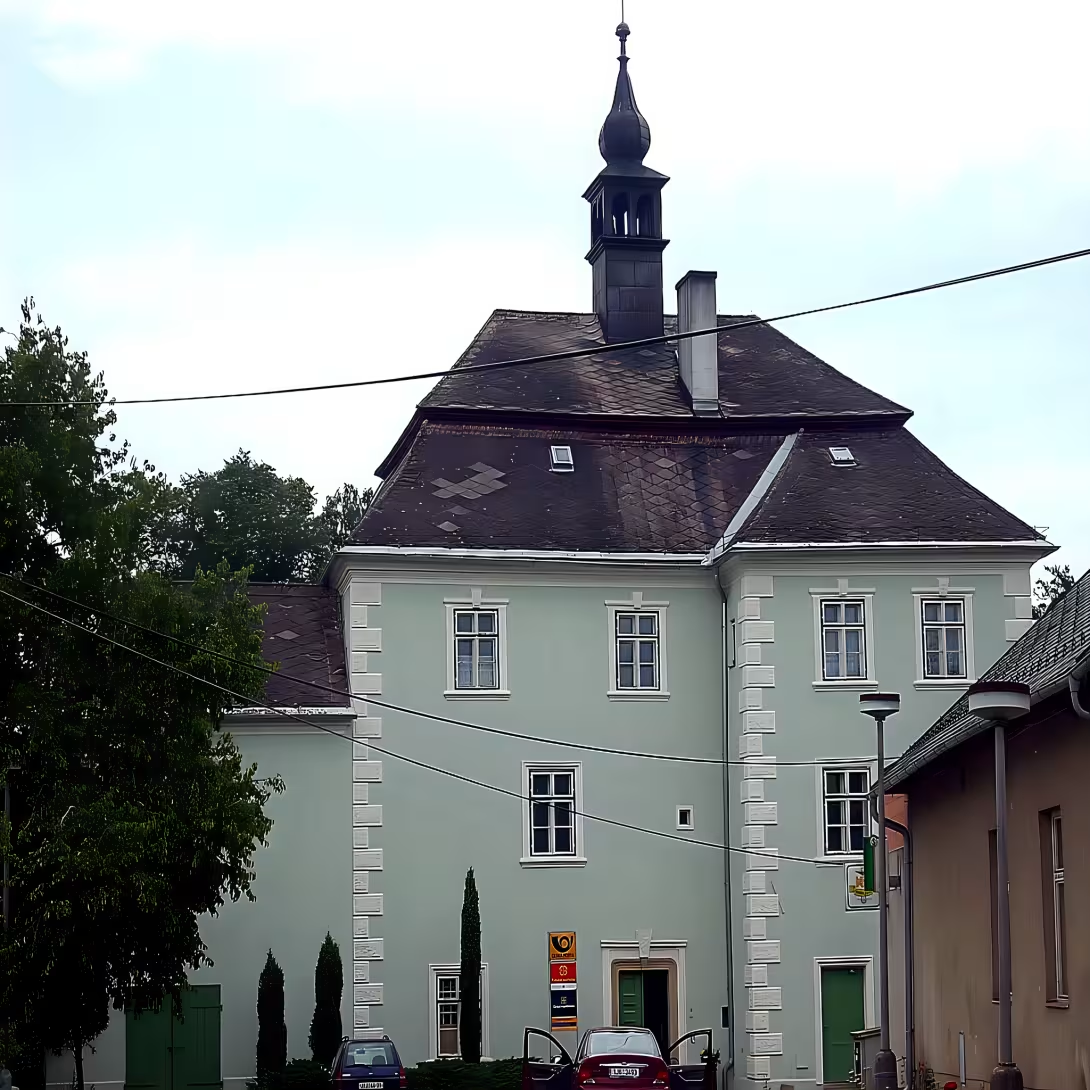
Zámek Jamné stands as a testament to the rich tapestry of Czech history, located in the village of Jamné within Jihlava District, Vysočina Region. This significant cultural monument began its journey as a Gothic fortress and was expanded into its Renaissance form around 1591 by Jan Šleklovský z Šicndorfu. Over centuries, it has witnessed numerous ownership changes and architectural transformations, including a Baroque modification in the late 17th century. Today, Zámek Jamné serves as a post office, yet its historical significance remains undiminished.
The origins of Zámek Jamné trace back to a Gothic fortress, which was expanded into a Renaissance structure around 1591 by Jan Šleklovský z Šicndorfu. This period marked significant political and religious changes in Bohemia, then part of the Habsburg Monarchy, as Europe grappled with the Reformation and Counter-Reformation movements. The chateau's expansion during this time reflects broader cultural shifts across the continent.
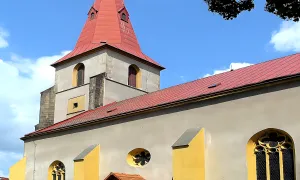
Architecturally, Zámek Jamné began as a Gothic tower-like fortress. Its core was expanded into Renaissance form around 1591, showcasing the architectural styles of its era. In the late 17th century, the Jesuits undertook Baroque modifications, further altering its appearance. By the mid-19th century, it had been transformed into its current pseudo-Gothic style, a testament to evolving tastes and influences over time.
Ownership of Zámek Jamné has seen dramatic changes throughout history. Initially expanded by Jan Šleklovský z Šicndorfu in 1591, it was sold that same year to Zuzana Lvová z Lisova for 9000 moravských zlatých. By 1593, her husband Fridrich Mičan z Klinštejna became a co-owner. In 1601, Matouš Grýn ze Sturzenbergu acquired the fortress, only to sell it in 1609 to Jan Kundrát Šleglovský ze Šicndorfu. Following the defeat at the Battle of White Mountain, Daniel Neumaier z Wintenberku's ownership was confiscated by the Jesuits, who later modified the chateau into a Baroque residence. The 18th and 19th centuries saw further changes in ownership, including Václav Ignác Kalcher from 1790 and the Schiller family between 1860 and 1890.
Key events at Zámek Jamné include its expansion into Renaissance form around 1591 and the Baroque modifications by the Jesuits in the late 17th century. These changes reflect broader historical currents, such as the Counter-Reformation's influence on architecture and art. The chateau's history is marked not only by architectural evolution but also by the shifting fortunes of its owners, from nobility to religious orders.
Today, Zámek Jamné stands as a cultural monument within the picturesque landscape typical of the Vysočina Region. Its current use as a post office belies its rich historical past. Visitors can appreciate its architectural transformations and reflect on the centuries of history encapsulated within its walls. The chateau's journey from a Gothic fortress to a Renaissance and then Baroque structure, culminating in its present pseudo-Gothic form, offers a unique glimpse into the region's cultural heritage.
Zámek Jamné is more than just a historical site; it is a narrative woven through time, reflecting the dynamic history of Bohemia. Its architectural evolution and storied past make it a compelling destination for those interested in exploring the layers of Czech history. Visitors are invited to step into this monument, where each stone tells a story of transformation and resilience.
Then and now
Drag the slider to compare how the landmark may have looked when it was built with the view today.
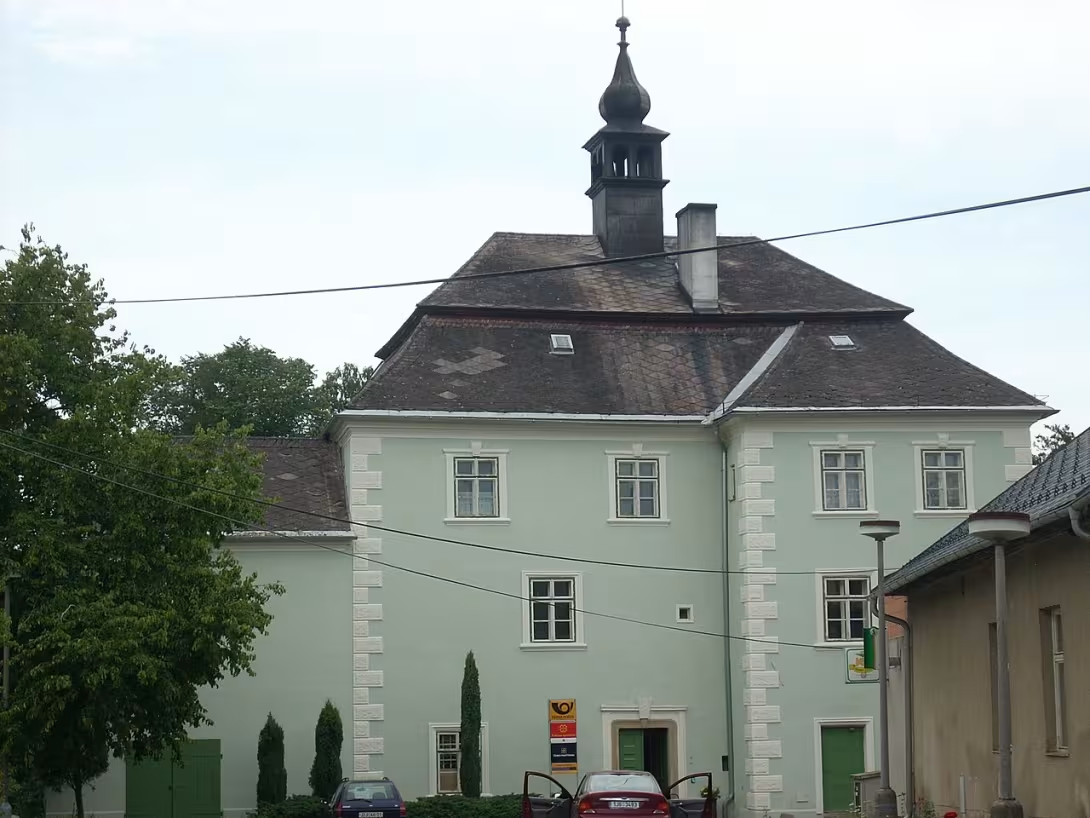

The historical appearance on the left is an AI-generated visualisation and serves as inspiration only.
Historical milestones
- 1591
- Expansion of the chateau into Renaissance form.
- 1650
- Baroque modifications by Jesuits.
Architectural development
The core of Zámek Jamné is a Gothic tower-like fortress, expanded into Renaissance form around 1591. In the late 17th century, it underwent Baroque renovations by the Jesuits. By the mid-19th century, it was transformed into its current pseudo-Gothic style.
Historical events
Expansion into Renaissance form around 1591 by Jan Šleklovský z Šicndorfu.
Baroque modifications in the late 17th century after Jesuit acquisition.
Owners
Jan Šleklovský z Šicndorfu (1591)
Zuzana Lvová z Lisova and Fridrich Mičan z Klinštejna (from 1593)
Matouš Grýn ze Sturzenbergu (1601)
Jan Kundrát Šleglovský ze Šicndorfu (1609)
Daniel Neumaier z Wintenberku (post-White Mountain Defeat, confiscated by Jesuits)
Jesuit Order (17th century)
Václav Ignác Kalcher (from 1790)
Rod Nussbaumů
Schillerové (1860–1890)
Points of interest
- Zámek Jamné's transformation into a Renaissance structure in 1591 by Jan Šleklovský z Šicndorfu coincided with significant religious upheavals in Bohemia during the Reformation and Counter-Reformation, reflecting broader European cultural shifts.
- The chateau was sold just one year after its expansion to Zuzana Lvová z Lisova for 9000 moravských zlatých, highlighting the rapid changes in ownership that were common among noble properties at the time.
- After the Battle of White Mountain, Daniel Neumaier z Wintenberku's ownership was confiscated by the Jesuits, who then initiated Baroque modifications to align with their Counter-Reformation objectives, significantly altering the chateau’s architectural style.
- By the mid-19th century, Zámek Jamné had been transformed into its current pseudo-Gothic style, showcasing a revival of medieval aesthetics that was popular during that era and reflecting changing tastes over centuries.
- The chateau's use as a post office today contrasts sharply with its historical roles, from a noble residence to a Jesuit-modified Baroque seat, illustrating the diverse functions historic buildings can serve across time.
Guide
This guide is narrated by a synthetic voice generated by artificial intelligence.
Show guide text
This text was created by artificial intelligence and has not been editorially reviewed. It may contain inaccuracies.
Jamné Castle stands in the municipality of the same name in the Jihlava district and is protected as a cultural monument. Over centuries it underwent several reconstructions, and so it combines Gothic, Renaissance, Baroque and pseudo-Gothic styles.
The oldest core of the structure is a Gothic tower-like fortified house. At the end of the 16th century, around 1591, Jan Šleklovský of Šicndorf expanded it in the Renaissance spirit. Still in 1591 he sold the fortified house to Zuzana Lvová of Lisov, together with the villages of Jamné and Rybné. She paid 9000 Moravian gold coins for them. From 1593 her husband Fridrich Mičan of Klinštejn was co-owner. From 1601 Zuzana is listed as Mičanová of Lisov and in the same year she had the fortified house registered to Matouš Grýn of Sturzenberg and on Lukách.
Another change came in 1609. Karel Grýn of Sturzenberg then sold the fortified house to Jan Kundrát Šleglovský of Šicndorf. He promptly handed it over to Daniel Neumaier of Wintenberg, a Jihlava citizen who was a Protestant. After the defeat at White Mountain his property was confiscated and Jamné fell to the Jesuits.
Around 1650 the Jesuits had the residence remodeled in the Baroque style. However, members of the order actually spent very little time there. The castle was mainly used by order officials and the Jesuits had a summer residence there.
After the order was dissolved, owners changed rapidly. From 1790 the castle belonged to Václav Ignác Kalcher, and after him to the Nussbaum family. It acquired its present pseudo-Gothic appearance in the years 1860 to 1890, when it was owned by the Schillers. Today a post office is housed in the building.
Tips for visitors
The best time to visit Zámek Jamné is during the late spring or early autumn months, from May to September. During these periods, the Vysočina Region's landscape is particularly picturesque, with lush greenery and vibrant wildflowers in spring, and warm hues of fall foliage in autumn. The weather is typically mild, making it ideal for exploring both the chateau grounds and the surrounding countryside.
It's advisable to check current schedules and routes in advance using a transportation search tool or contacting local travel services for the most accurate information.
When visiting Zámek Jamné, it’s recommended to bring comfortable walking shoes as there are extensive grounds to explore. Given the variable weather conditions typical of the Vysočina Region, carrying a light rain jacket or an umbrella is also wise. Additionally, bringing water and snacks can enhance your visit, especially if you plan on spending several hours at the site.
For photography enthusiasts, Zámek Jamné offers numerous spots with excellent lighting, particularly during the golden hours of early morning and late afternoon when the sunlight casts a warm glow over the chateau and its surroundings. The rolling hills and traditional Czech countryside provide a stunning backdrop for photos. Be mindful to respect any restrictions on photography within certain areas of the chateau.
Nearby attractions within a 30-minute drive include the charming village of Jamné itself, which offers quaint local shops and eateries. Additionally, visitors can explore other historical sites in the region, such as the medieval town of Telč or the scenic trails around the nearby hills for hiking enthusiasts. These destinations provide additional context to the rich cultural tapestry of the Vysočina Region.
Families with children will find Zámek Jamné a delightful destination. The expansive grounds are perfect for kids to explore, and there are plenty of opportunities for outdoor activities like picnicking or simply enjoying nature. Some areas may have interactive exhibits or educational tours that can engage younger visitors. Always ensure to check the chateau's current offerings and any family-friendly events during your visit.
Frequently asked questions
Can the monument be visited?
Some buildings of this kind are open for guided tours, others serve another purpose or are privately owned. We have not verified whether and when this monument is open – please ask the operator.
What are the opening hours and admission?
We have not verified the opening hours or admission. Current information is published by the operator.
Where is the monument?
Location: č.p. 1, Jamné, Kraj Vysočina. The map on this page shows the exact spot.
Why is the monument protected?
It is listed in the Central List of Cultural Monuments of the Czech Republic as a cultural monument (register no. 29816/7-4860).
Businesses nearby
Do you run a restaurant, accommodation, shop, museum, rental, wellness or other visitor service near this monument? Show yourself directly to the people heading to it — this is how they will see you in the app and on the web:
Nearby
Zámek Jamné is situated in a picturesque landscape typical of the Vysočina Region. The area features rolling hills and traditional Czech countryside scenery.
Accommodation nearby
Themed route
Trasa: Zámek Jamné a okolí
1. Zámek Jamné - Hlavní cíl této trasy. Zámek Jamné je krásný příklad barokní architektury a stojí za návštěvu pro své historické interiéry a výstavy. Nachází se v srdci Vysočiny, v tradiční české krajině s kopci a lesy.
2. Kostel svatého Mikuláše - Kostel stojí nedaleko zámku a je z něj krásný výhled na okolí. Má jedinečnou architekturu a stojí za návštěvu pro své historické hodnoty.
3. Park u zámku - Park u zámku Jamné je krásným místem pro procházku a relaxaci. Je zde mnoho stromů a květin a nabízí klidné prostředí pro odpočinek.
Seasonal recommendations
Jaro In the spring season, Jamné Chateau is surrounded by blooming trees and flowers, creating a pleasant atmosphere. Practical tips: The best time to visit the chateau is in the morning or early afternoon to avoid crowds of tourists. We recommend bringing a camera to capture the beauty of the spring nature.
Léto During the main summer season, Jamné Chateau is full of tourists, so it's good to arrive early to avoid long queues. The lighting is natural in the summer, and therefore the ideal time to visit the chateau is during morning or afternoon hours. We recommend bringing sun protection to guard against the sun.
Podzim In the autumn season, Jamné Chateau is surrounded by the colors of autumn nature, creating a pleasant atmosphere. Practical tips: The best time to visit the chateau is on quieter days to avoid crowds of tourists. We recommend bringing a camera to capture the beauty of the autumn nature.
We recommend wearing warm clothing and boots with reinforced soles to protect against cold and frost.
Visualizations and artistic views


The visualisations are generated by artificial intelligence and serve as inspiration.
Tips from visitors
No tips yet. Be the first!
Log in and add your tip.
Sources and literature
Photos: Jana Lánová / CC BY-SA 3.0, rozlišení zvýšeno umělou inteligencí — Wikimedia Commons. The author and licence also appear when you hover over the image.
Faktickým podkladem tohoto textu byl článek na Wikipedii, jehož autory jsou přispěvatelé Wikipedie. Článek je dostupný pod licencí CC BY-SA 4.0.
Location on the map

Příběhy a pověsti
Legendy, pověsti a příběhy spjaté s touto památkou
Fotografie návštěvníků
Zatím žádné fotografie. Buďte první, kdo přidá fotografii z návštěvy!
Log in a přidejte svou fotografii nebo hodnoťte.
Za ověřenou návštěvu v aplikaci získáte víc bodů — poznáme podle GPS, že jste na místě.
Reviews and comments