






Zámek Kostelní Vydří Chateau
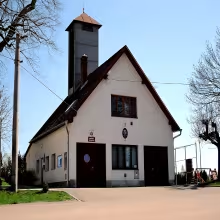
Zámek Kostelní Vydří stands as a testament to architectural evolution from Renaissance to Baroque styles in the Czech Republic. Located in the village of Kostelní Vydří within the Jindřichův Hradec district, this baroque chateau was constructed at the beginning of the 17th century. Its origins trace back to a Renaissance chateau from the 16th century, making it a significant cultural monument since its designation in 1963. Despite its historical importance, the chateau is currently in poor condition due to long-term disuse and is under an execution order for sale as of November 2020.
The history of Zámek Kostelní Vydří begins with its mention in 1305 when it was part of the holdings of the Knights of the Cross from Zderaz. Ownership changed frequently until Koňasů z Vydří acquired it in 1531. The original Gothic chateau underwent a Renaissance transformation during the 16th century, which included raising an additional floor and adorning it with sgraffiti. By the early 17th century, further modifications led to its conversion into a baroque chateau, with additional architectural changes occurring at the start of the 19th century. After World War II, the chateau was confiscated from its German owner and repurposed by various socialist agricultural organizations.
Architecturally, Zámek Kostelní Vydří is characterized as a single-story, two-winged structure with gabled roofs. The ground floor features arcades covered by cross vaults, while the upper level boasts windows with stone lintels. This design reflects the transition from Renaissance to Baroque styles, evident in its structural elements and decorative details.
Throughout its history, Zámek Kostelní Vydří has seen a variety of owners and uses. Initially owned by the Knights of the Cross from Zderaz, it later came into the possession of Koňasů z Vydří in 1531. The chateau's transformation during the Renaissance period marked a significant change in its architectural style. Following World War II, its confiscation and subsequent use by socialist agricultural organizations highlight the dramatic shifts in ownership and purpose over the centuries.
Today, Zámek Kostelní Vydří remains a cultural monument of the Czech Republic, despite its current state of disrepair. Its historical significance is underscored by its architectural evolution and varied past uses. While accessibility may be limited due to its condition and private ownership, visiting this site offers a unique glimpse into the region's rich history and architectural heritage.
Zámek Kostelní Vydří stands as a valuable piece of Czech cultural history, offering insights into the architectural transitions from Renaissance to Baroque styles. Its historical significance and current state make it a compelling destination for those interested in exploring the layers of history embedded within its walls. Visitors are invited to witness this remarkable monument and reflect on its storied past.
Then and now
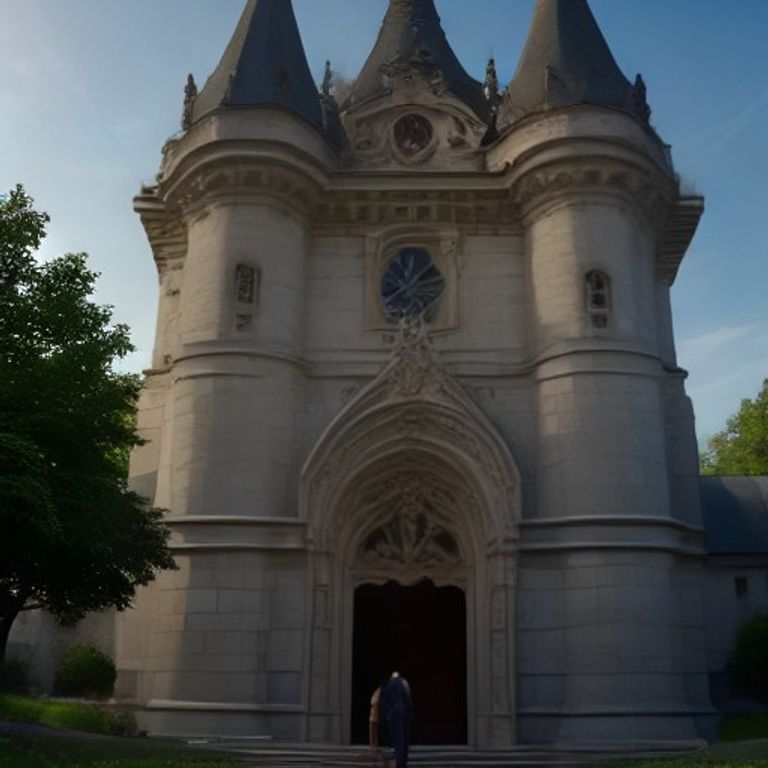
Drag the slider to compare how the landmark may have looked when it was built with the view today.
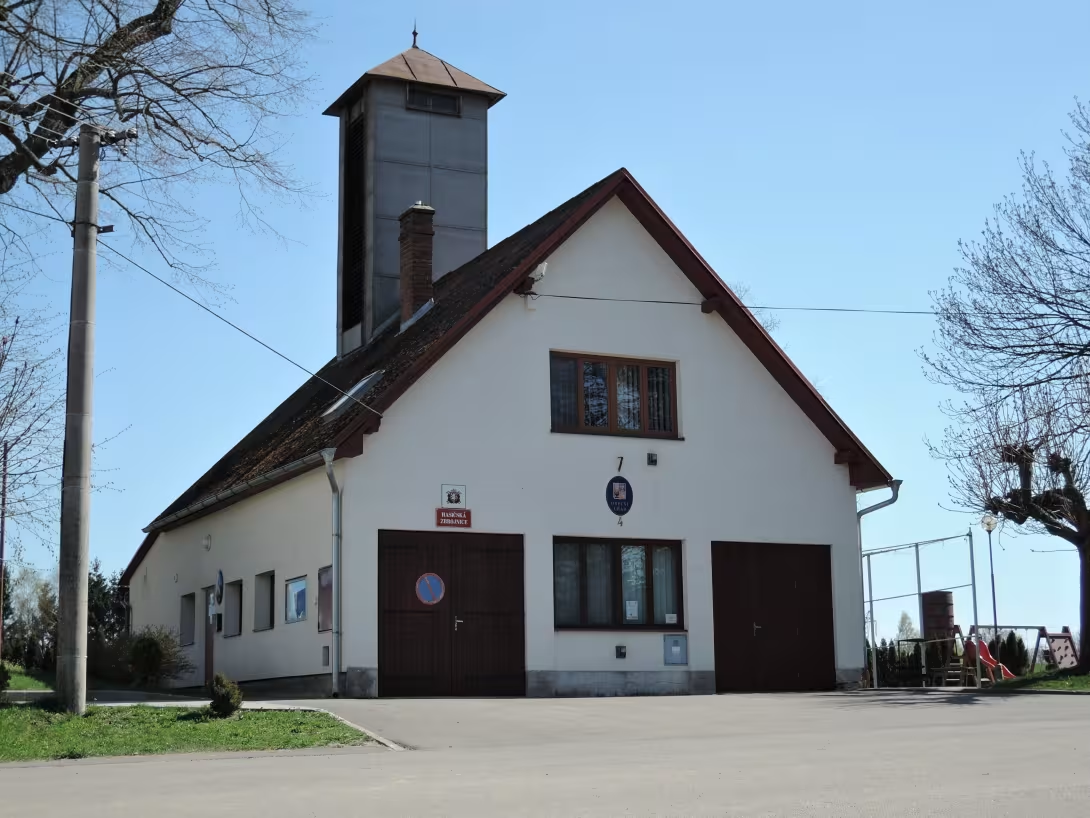
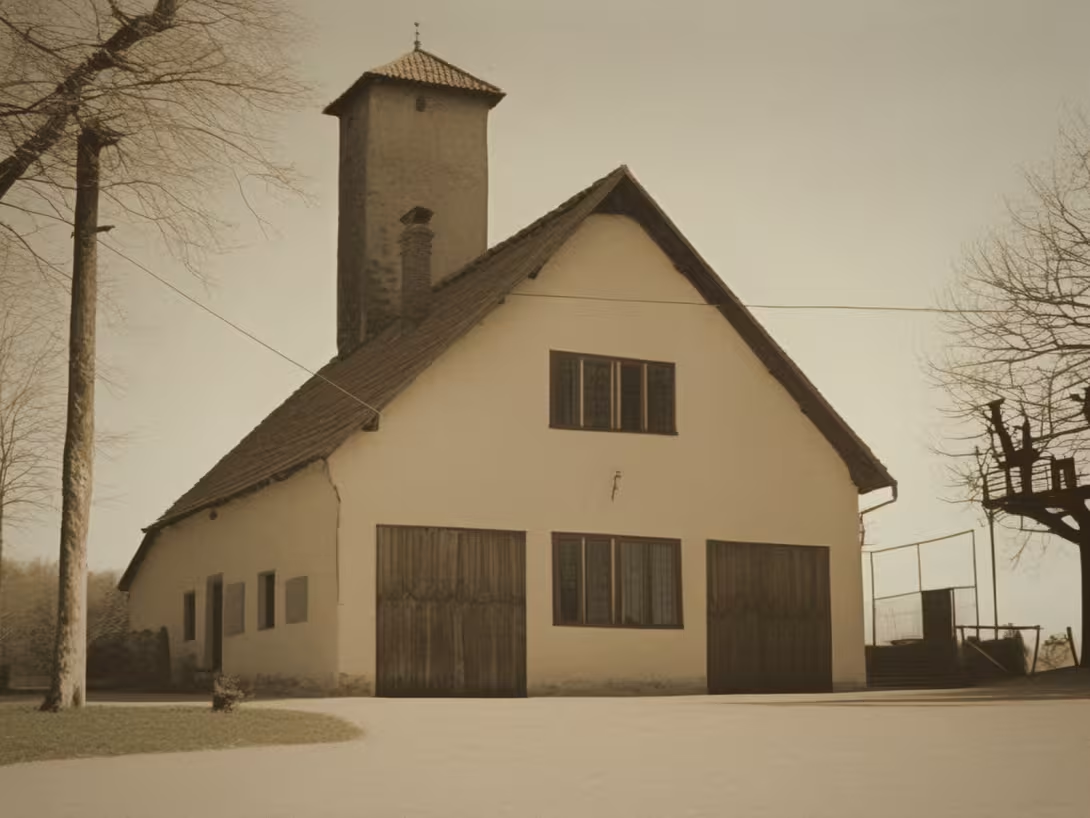
The historical appearance on the left is an AI-generated visualisation and serves as inspiration only.
Historical milestones
- 1305
- The Chateau Kostelní Vydří is first mentioned.
- 1531
- The Koňasů of Vydří become the owners.
- circa 1600
- The transformation into a Baroque chateau begins.
- 1963
- The chateau is declared a cultural monument.
- 2020
- The chateau is under execution for sale.
Architectural development
Zámek Kostelní Vydří began as a Gothic chateau that underwent significant changes during the Renaissance period in the 16th century. It was later transformed into a baroque chateau, with additional modifications occurring at the start of the 19th century.
Historical events
The original Gothic chateau was transformed into a Renaissance structure in the 16th century.
In the early 19th century, further architectural modifications were made to the chateau.
Owners
The property was initially owned by the Knights of the Cross from Zderaz, with ownership changing frequently until it came into possession of Koňasů z Vydří in 1531. In the 16th century, it underwent a Renaissance transformation before being converted to a baroque chateau in the subsequent century. After World War II, it was confiscated from its German owner and used by various socialist agricultural organizations.
Guide
This guide is narrated by a synthetic voice generated by artificial intelligence.
Show guide text
This text was created by artificial intelligence and has not been editorially reviewed. It may contain inaccuracies.
Welcome to Château Kostelní Vydří, one of the most interesting historical landmarks in the South Bohemian Region. You stand before a unique Baroque building that evolved from a Renaissance château of the 16th century. Notice the two-winged, single-story structure with gables and arcades on the ground floor covered by cross vaults. The château has been protected as a cultural monument since 1963, but unfortunately, it is in a deplorable state due to long-term neglect.
Let's move forward in time and explore the historical context of this site. Château Kostelní Vydří was first mentioned in 1305, but its current form developed in the 17th century. During that period, the Koněši family from Vydří settled here and transformed the château into a Baroque residence. The 16th century saw significant cultural and artistic changes across Europe that influenced local architecture.
Now, focus on the château's architecture. Notice how the simple yet purposeful lines of the building blend with elegant gables and arcades. The vaults in the ground floor create a spacious and well-lit area typical of Baroque architecture. Take a look at the front facade of the château and observe the details that reflect its rich history.
Château Kostelní Vydří has many intriguing stories and personalities associated with it. Although the château's history is full of mysteries and enigmas, I will share one with you today. The transformation from a Gothic château to a Baroque residence demonstrates how local architecture influenced broader cultural and artistic trends in Europe.
Let's return to the present and consider the current state of the château. In 2020, the château was put up for sale through foreclosure, indicating its deplorable condition. It is a significant loss for our cultural heritage, and it is our social responsibility to protect and restore it.
Thank you for stopping by Château Kostelní Vydří with us. I hope our tour of this historic site has inspired you and that you will want to return to learn more about its rich history and architecture.
Businesses nearby
Do you run a restaurant, accommodation, shop, museum, rental, wellness or other visitor service near this monument? Show yourself directly to the people heading to it — this is how they will see you in the app and on the web:
Nearby
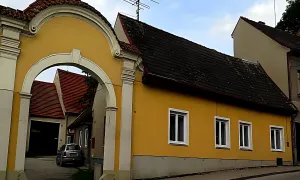
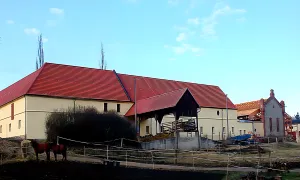
Located in Kostelní Vydří within the Jindřichův Hradec district of Jihočeský kraj, the area is characterized by its rural landscape. The chateau itself stands as a notable historical structure amidst this setting.
Accommodation nearby
Trips and activities nearby
Guided tours, tickets and activities nearby from GetYourGuide
Affiliate link: if you buy from the partner, we may receive a commission. The price for you does not change.
Search tours and activities →Themed route
Trasa: Kostelní Vydří a jeho okolí
1. Zámek Kostelní Vydří (hlavní cíl) Zámek Kostelní Vydří stojí jako pozoruhodná historická stavba v srdci vesnice. Jeho bohatá historie a architektura z něj činí významnou památku v regionu.
2. Kostel svatého Petra a Pavla (Kostelní Vydří) Kostel svatého Petra a Pavla se nachází v centru obce Kostelní Vydří. Jeho historie sahá do středověku a stojí za návštěvu pro svou jedinečnou architekturu a cenné umělecké předměty.
3. Vodní mlýn (Kostelní Vydří) Vodní mlýn v Kostelní Vydří je další zajímavostí v okolí zámku. Jeho historie je spojená s využíváním vodního proudu pro mlýnskou činnost.
Seasonal recommendations
Jaro
Spring is an excellent time to visit Kostelní Vydří Chateau, as nature around it begins to bloom. The forests are full of flowers and trees are covered in green leaves. The atmosphere is filled with optimism and hope. This period is the ideal time to visit the chateau because it's not too hot and there aren't many people.
Léto
Summer is the main season for visitors to Kostelní Vydří Chateau. During this time, temperatures are mild and nature is in full bloom. However, it's a good idea to come early because there are large crowds of people and waiting times can be long. It's also wise to bring plenty of water and snacks.
Podzim
Fall is the second season when Kostelní Vydří Chateau is open. The atmosphere is calm and serene, with nature full of colors. This is a good time to visit the chateau because there are fewer people than in summer and temperatures are mild. However, it's advisable to bring warm clothing as it can be cold.
Zima
Winter is the most enjoyable season to visit Kostelní Vydří Chateau if you love peace and quiet. The atmosphere is calm and serene, with nature covered in snow. It's best to come later in the afternoon because there are shorter opening hours and temperatures are low. It's also wise to bring warm clothing and boots with good grip.
Visualizations and artistic views


Vizualizace jsou generovány umělou inteligencí a slouží jako inspirace.
Photos from the area
Real photos taken near the monument


Zdroj a licence jsou uvedeny u každého snímku.
Tips from visitors
No tips yet. Be the first!
Log in and add your tip.
Sources and literature
Faktickým podkladem tohoto textu byl článek na Wikipedii, jehož autory jsou přispěvatelé Wikipedie. Článek je dostupný pod licencí CC BY-SA 4.0.
Location on the map
More monuments – Kostelní Vydří
Show all in the municipality


Příběhy a pověsti
Legendy, pověsti a příběhy spjaté s touto památkou
Fotografie návštěvníků
Zatím žádné fotografie. Buďte první, kdo přidá fotografii z návštěvy!
Přihlaste se a přidejte svou fotografii nebo hodnoťte.
Za ověřenou návštěvu v aplikaci získáte víc bodů — poznáme podle GPS, že jste na místě.
Reviews and comments