






Svinenské předměstí Suburb
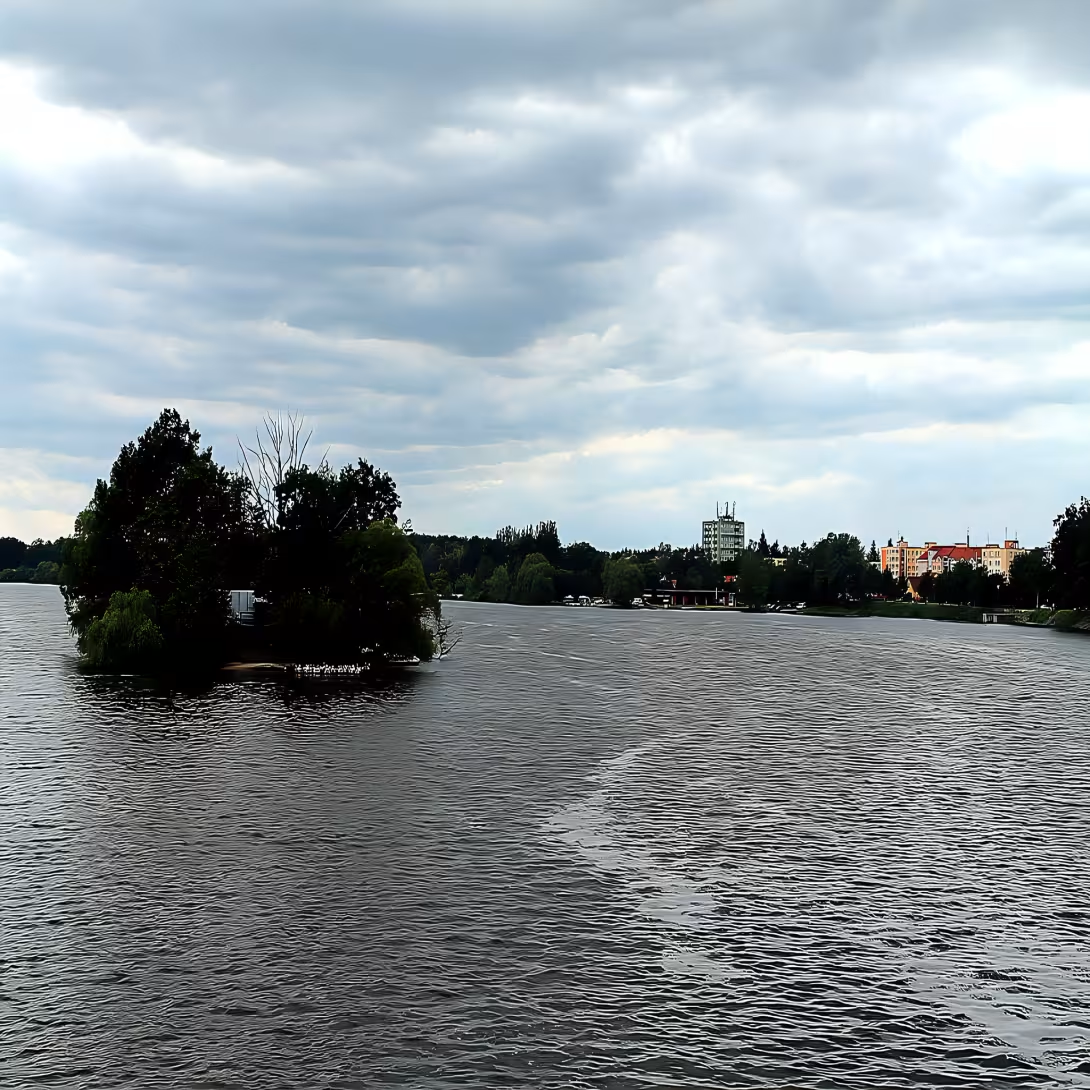
Objekt se nedochoval — na místě dnes nestojí. Následující text popisuje jeho historii, ne současnou návštěvu.
Svinenské předměstí is a historical suburb of Třeboň, located near what is now Svinenská brána. Established in the latter half of the 14th century, it was situated on firmer ground compared to the marshy northern and eastern edges of Třeboň. The suburb's layout was irregular, blending residential buildings with gardens, fields, and open landscapes along a main road south from today’s Novohradská brána. Notably, Svinenské předměstí included a hospital and church dedicated to St. Elizabeth. By 1571, it had developed into a community of 33 houses and 26 outbuildings before being dissolved to make way for the Třeboň fishpond system.
The origin of Svinenské předměstí dates back to the latter half of the 14th century. During this period, Bohemia was under the rule of the Luxembourg dynasty, a time marked by growth in trade and urban development. The suburb emerged on more stable land compared to other parts of Třeboň, which were marshy. Its establishment reflects broader trends in medieval settlement patterns, where communities often developed around natural resources and strategic locations.
Architecturally, Svinenské předměstí featured a non-continuous layout that integrated seamlessly into its natural surroundings. The suburb included residential buildings, a hospital, and a church dedicated to St. Elizabeth. These structures were characteristic of medieval urban planning, where functionality often dictated design. Unfortunately, the transformation of the area into a fishpond in 1571 submerged these architectural elements, leaving little physical evidence today.
Throughout its existence, Svinenské předměstí was part of Třeboň's broader community dynamics. By the time it was dissolved in 1571, the region had become part of the Habsburg Monarchy, which brought significant advancements in agriculture and land management. The decision to dissolve the suburb and create the fishpond system was driven by these agricultural priorities, despite protests from local residents who were subsequently resettled.
The dissolution of Svinenské předměstí in 1571 marked a pivotal moment in its history. Jakub Krčín played a key role in this transformation as he planned the Třeboň fishpond system. The original inhabitants were relocated to what is now known as Budějovické předměstí, reflecting broader trends of land reorganization during this period.
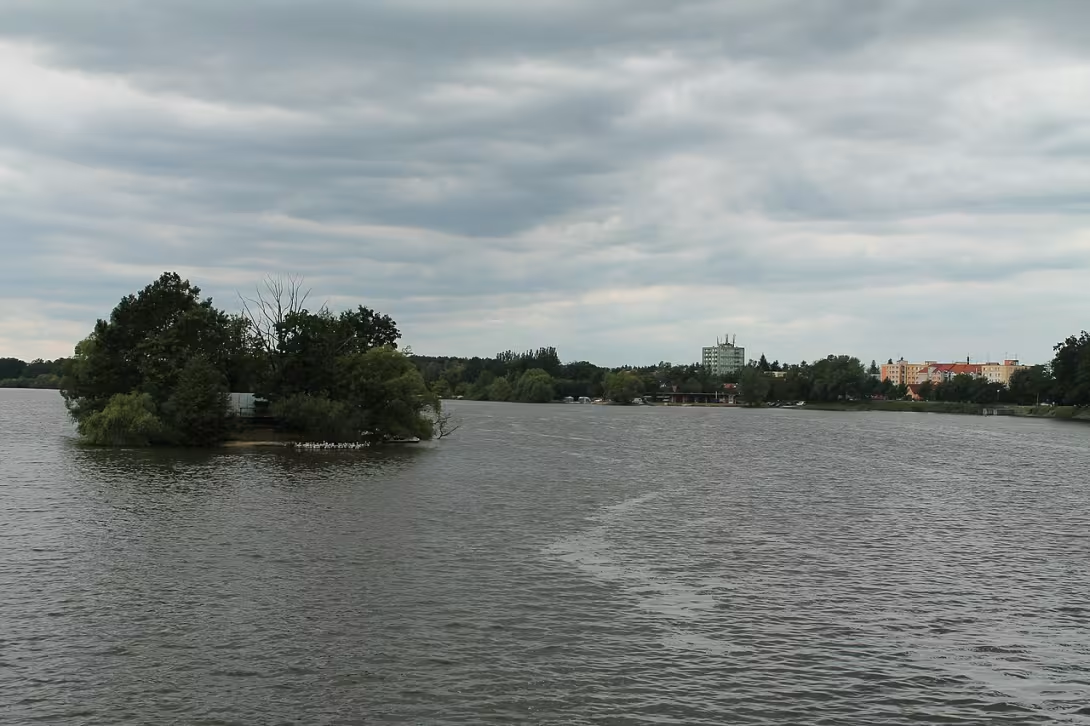
Today, Svinenské předměstí exists primarily in historical memory and through remnants like a well on the island of Rybník Svět. This well stands as a testament to the suburb's past, located at what was once its highest point. The area is now part of Třeboň’s larger fishpond system, offering visitors a glimpse into both natural beauty and historical transformation.
Visiting Svinenské předměstí today provides an opportunity to explore the intersection of history and nature. While physical structures have long since disappeared beneath the waters of Rybník Svět, the well remains as a poignant reminder of Třeboň's medieval past. This site invites reflection on how landscapes evolve over time and encourages visitors to appreciate the layers of history that continue to shape our world.
Then and now
Drag the slider to compare how the landmark may have looked when it was built with the view today.
The historical appearance on the left is an AI-generated visualisation and serves as inspiration only.
Historical milestones
- kolem 1350
- Založení Svinenského předměstí v pozdním 14. století.
- 1571
- Svinné předměstí bylo zrušeno pro rozvoj rybníkového systému Třeboň.
Architectural development
The suburb developed with a non-continuous layout, integrating seamlessly into its natural surroundings. It featured residential buildings, a hospital, and a church, all of which were submerged when the area was transformed into a fishpond.
Historical events
Established likely in the second half of the 14th century.
Dissolved in 1571 to make way for the Třeboň fishpond system.
Guide
This guide is narrated by a synthetic voice generated by artificial intelligence.
Show guide text
This text was created by artificial intelligence and has not been editorially reviewed. It may contain inaccuracies.
Welcome to the historic site of Svinenské předměstí in Třeboň, Jihočeský kraj. As you stand here, imagine the gentle landscape that once cradled this unique suburb, nestled near what is now known as Svinenská brána. The area was established in the latter half of the 14th century on firmer ground compared to the marshy northern and eastern edges of Třeboň. This strategic location allowed it to thrive with an irregular settlement pattern that seamlessly blended gardens, fields, and open landscapes.
Svinenské předměstí was oriented along a main road stretching south from today's Novohradská brána, serving as a vital link in the region’s development during its time. Its founding around 1350 marked an era of growth and community building, reflecting the broader historical context of medieval Třeboň.
As you look around, envision the modest yet significant structures that once defined this suburb. While specific architectural details are not documented, the layout would have been characterized by a harmonious integration with nature, typical of settlements from that period. The church dedicated to St. Elizabeth stood as a central feature, symbolizing the community's devotion and care for its members.
St. Elizabeth herself was a patron saint known for her charitable work and dedication to caring for the sick, embodying values that were likely mirrored in the lives of those who lived here. This connection between healthcare and religious devotion offers a glimpse into the daily life and priorities of Svinenské předměstí's inhabitants.
In 1571, a significant change occurred when Svinenské předměstí was dissolved to make way for the development of Třeboň’s renowned fishpond system. This decision reflects broader trends during that era, where economic and environmental considerations often led to transformative changes in settlement patterns.
As you continue your exploration, let this site inspire curiosity about how communities adapt over time. Consider the stories untold and the lives once lived here, each contributing to the rich tapestry of Třeboň’s history.
Thank you for joining us on this journey through Svinenské předměstí. We invite you to delve deeper into the wonders of Třeboň and discover more about its fascinating past. Safe travels as you continue your exploration!
Businesses nearby
Do you run a restaurant, accommodation, shop, museum, rental, wellness or other visitor service near this monument? Show yourself directly to the people heading to it — this is how they will see you in the app and on the web:
Events nearby




Zdroj akcí: otevřená data měst a obcí ČR (Národní katalog otevřených dat) a kalendář akcí Národního památkového ústavu.
Nearby
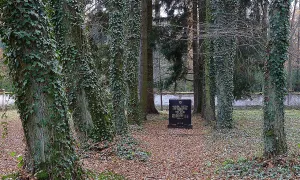
Today, Svinenské předměstí is part of a larger fishpond system near Třeboň. The area includes natural landscapes and water bodies, with historical remnants like the well on Rybník Svět.
Visualizations and artistic views


The visualisations are generated by artificial intelligence and serve as inspiration.
Photos from the area
Real photos taken near the monument

Zdroj a licence jsou uvedeny u každého snímku.
Atmosphere of the place
This atmospheric visualisation of the place and period was generated by artificial intelligence. It is not real footage of the location.
Tips from visitors
No tips yet. Be the first!
Log in and add your tip.
Sources and literature
Photos: Harold / CC BY-SA 4.0, rozlišení zvýšeno umělou inteligencí — Wikimedia Commons. The author and licence also appear when you hover over the image.
Location on the map

Příběhy a pověsti
Legendy, pověsti a příběhy spjaté s touto památkou

Fotografie návštěvníků
Zatím žádné fotografie. Buďte první, kdo přidá fotografii z návštěvy!
Log in a přidejte svou fotografii nebo hodnoťte.
Za ověřenou návštěvu v aplikaci získáte víc bodů — poznáme podle GPS, že jste na místě.
Reviews and comments