






Vyšehrad (Nádražní Předměstí) Other
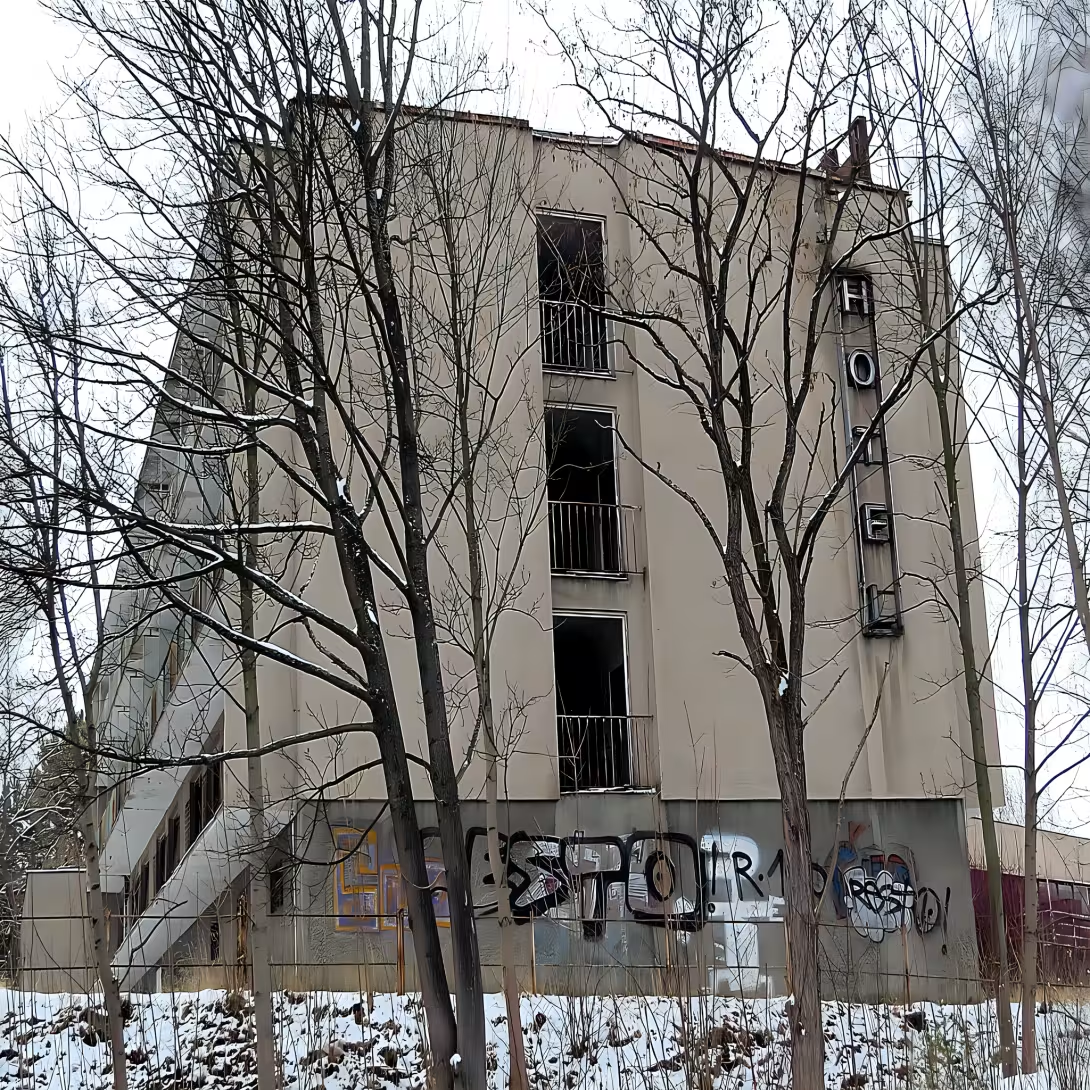
Vyšehrad is a residential area located in Nádražní Předměstí, Český Krumlov, known for its 20th-century villa-style architecture. It offers panoramic views of Státní hrad and Český Krumlov Castle, making it a notable destination within the city. The development of Vyšehrad began in the 20th century as Český Krumlov expanded beyond its medieval walls. A significant feature is the now dilapidated former Hotel Vyšehrad, designed by Josef Opatřil.
Originally serving agricultural and defensive purposes due to its strategic hilltop location overlooking the Vltava River, Vyšehrad transitioned into a residential area with villa-style buildings as urban expansion occurred in the 20th century. This shift was facilitated by the opening of a nearby railway station in 1891, which spurred further development and accessibility.
Architecturally, Vyšehrad is distinguished by its villa-style structures that emerged during this period of growth. The construction of Hotel Vyšehrad between 1966 and 1969 marked a significant move towards modern architecture within the area. Designed by Josef Opatřil, influenced by Bohuslav Fuchs's functionalism, the hotel aimed to support Český Krumlov's burgeoning tourism industry with terraces offering stunning views.
Ownership and administration of Vyšehrad have changed over time. After its completion in 1969, Hotel Vyšehrad became prominent until it underwent privatization post-1989, leading to its gradual decline and vacancy since 2000. Despite these challenges, the hotel remains an architectural landmark within the area.
Key events shaping Vyšehrad include the railway station's opening in 1891 and Hotel Vyšehrad's construction from 1966 to 1969. These developments were pivotal in transforming Vyšehrad into a residential district with modern amenities, reflecting broader trends in Czechoslovakia's urban expansion during the 20th century.
Today, Vyšehrad is accessible via steep paths from Latrán and offers breathtaking views of Český Krumlov Castle and Státní hrad. Its strategic hilltop location provides unique vantage points popular among tourists and locals alike. Despite its dilapidated state, Hotel Vyšehrad's historical significance and architectural features make it worth visiting.
Vyšehrad stands as a testament to the dynamic changes in urban development and architecture over the past century. It offers visitors a unique glimpse into Český Krumlov's evolution with its blend of historical and modern elements. Those interested in exploring this area will find it rich with history, architectural beauty, and stunning views that capture the essence of the region.
Then and now
Drag the slider to compare how the landmark may have looked when it was built with the view today.
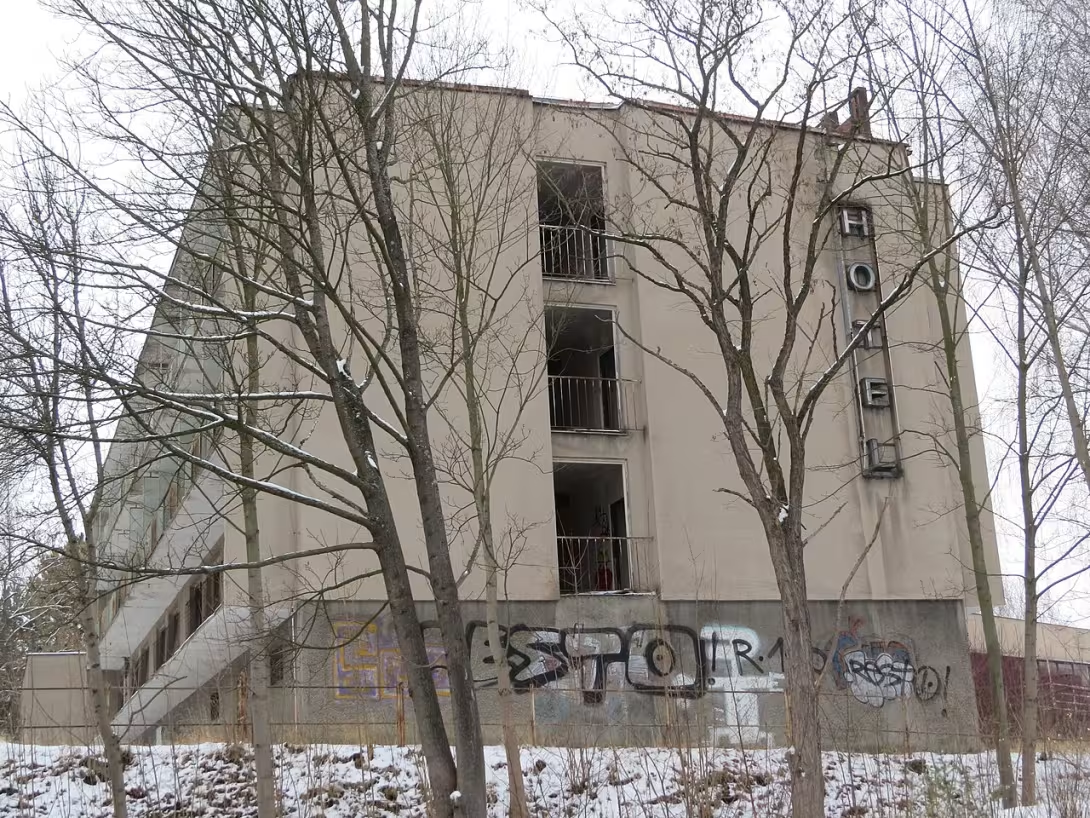

The historical appearance on the left is an AI-generated visualisation and serves as inspiration only.
Historical milestones
- 1891
- Otevření nádraží vedle Vyšehradu.
- 1966
- Začátek výstavby Hotelu Vyšehrad.
- 1969
- Dokončení Hotelu Vyšehrad.
- 1989
- Privatizace Hotelu Vyšehrad po pádu komunismu.
- 2000
- Hotel Vyšehrad zůstává neobsazený a začíná se rozpadat.
Architectural development
Initially used for agricultural and defensive purposes, Vyšehrad saw residential development in the 20th century. The area is characterized by villa-style buildings from this period. The construction of Hotel Vyšehrad marked a shift towards modern architecture and tourism infrastructure.
Historical events
- 1891
- The nearby railway station was opened, facilitating urban development.
- 1966
- Construction of the Hotel Vyšehrad began, completed in 1969.
Points of interest
- The former Hotel Vyšehrad was designed by Josef Opatřil, who drew inspiration from Bohuslav Fuchs's functionalist architectural style, which was quite innovative for its time in the Czech Republic.
- Although it opened with much promise in 1969, Hotel Vyšehrad fell into a state of neglect after privatization post-1989. Its decline reflects broader economic and social changes following the Velvet Revolution.
- The opening of the railway station in Nádražní Předměstí in 1891 was pivotal for Vyšehrad's development, as it significantly improved accessibility to Český Krumlov and encouraged residential expansion beyond the medieval city walls.
- Despite its dilapidated state today, Hotel Vyšehrad remains a significant architectural landmark due to its modernist design during an era when such styles were emerging in Czechoslovakia, representing a shift towards contemporary architecture.
- The steep paths leading from Latrán to Vyšehrad offer not just access but also a physical connection to the area’s historical significance, as these routes have been used for centuries, reflecting its strategic importance.
Guide
This guide is narrated by a synthetic voice generated by artificial intelligence.
Show guide text
This text was created by artificial intelligence and has not been editorially reviewed. It may contain inaccuracies.
Vyšehrad, in German Hochburg, is a hill and residential district in Český Krumlov. It is not a separate part of the municipality. It is located in the city district of Nádražní Předměstí, north of the historic Latrán, on an elevation above the left bank of the Vltava. It is mainly composed of villa development from the twentieth century, and one of the landmarks of the city's modern history stands here, the former Hotel Vyšehrad.
The hill separates the historic center from the industrial and transport part of the city to the north. To the south and east it drops steeply towards the Vltava and to Latrán, and to the northwest it borders the industrial and railway part of Nádražní Předměstí. The summit lies roughly five hundred forty meters above sea level, which is why it offers a number of views of Krumlov Castle and the panorama of Vnitřní Město. From Latrán, steep paths lead here, including a serpentine from the Luna cinema to a viewpoint called Paraplíčko.
While the historic center of Krumlov grew from the Middle Ages, Vyšehrad remained undeveloped for a long time. It mainly served economic purposes and the defense of the city. Houses began to increase in greater numbers only in the twentieth century, when the city expanded beyond the medieval walls. The slopes were popular for their south-facing orientation and views of the castle. Construction was also helped by the development of the nearby railway station, which opened in eighteen ninety-one.
During the socialist period, emphasis shifted to modern architecture and accommodation capacity. In the nineteen sixties, Vyšehrad was selected for the construction of a representative hotel, which was meant to support growing tourism. Hotel Vyšehrad was built from nineteen sixty-six and was completed in nineteen sixty-nine. It was designed by the Brno architect Josef Opatřil, a student of the renowned functionalist Bohuslav Fuchs. The building was praised for its sensitive placement in the terrain and for its viewing terraces.
After nineteen eighty-nine, the hotel went through privatization, which led to its gradual decline. Since the year two thousand, the building has been empty and deteriorating.
Tips for visitors
The best time to visit Vyšehrad is during the late spring or early autumn months, when the weather is mild and pleasant for exploring the area's scenic views. During these times, you can enjoy clear skies and vibrant foliage, which enhance the picturesque setting overlooking the Vltava River and nearby landmarks like Státní hrad and Český Krumlov Castle. Additionally, visiting during weekdays or early mornings can help avoid crowds, allowing for a more tranquil experience.
Access to Vyšehrad is convenient via both public transportation and car. The area is accessible by steep paths from Latrán, making it suitable for those who enjoy walking.
When visiting Vyšehrad, consider bringing comfortable walking shoes as the terrain includes steep paths. A camera is recommended for capturing the stunning views of Státní hrad and Český Krumlov Castle, especially during golden hour when the light is soft and warm. Additionally, carrying a map or using a GPS app can help navigate the area more easily. Don't forget to bring water and snacks if you plan on spending several hours exploring.
For photography enthusiasts, some of the best spots in Vyšehrad include areas that offer panoramic views over the Vltava River and the surrounding castles. Early morning or late afternoon light provides ideal conditions for capturing dramatic landscapes with long shadows and warm tones. The villa-style architecture also offers unique opportunities for architectural shots.
Nearby, within a 30-minute drive or walk, you can explore Státní hrad (Prague Castle) which is renowned for its rich history and stunning architecture. Both sites offer additional cultural experiences and are perfect extensions to a day spent at Vyšehrad.
For families with children, Vyšehrad offers plenty of space to explore and enjoy the natural surroundings. The steep paths can be exciting for kids who like adventure, but it's important to supervise them closely due to the terrain. Bringing along some toys or games can help keep younger children entertained during breaks in your exploration.
Frequently asked questions
Can the monument be visited?
We have not verified whether this monument is accessible. Please ask the owner or operator, or the local municipal office. According to the heritage register the structure is in poor condition – do not enter it and take care nearby.
Where is the monument?
Location: Nádražní Předměstí, Jihočeský kraj. The map on this page shows the exact spot.
Businesses nearby
Do you run a restaurant, accommodation, shop, museum, rental, wellness or other visitor service near this monument? Show yourself directly to the people heading to it — this is how they will see you in the app and on the web:
Events nearby



Zdroj akcí: otevřená data měst a obcí ČR (Národní katalog otevřených dat) a kalendář akcí Národního památkového ústavu.
Nearby
Located on a hill, Vyšehrad overlooks the Vltava River and offers views of Státní hrad and Český Krumlov Castle. The area is accessible via steep paths from Latrán.
Accommodation nearby
Trips and activities nearby
Guided tours, tickets and activities nearby from GetYourGuide
Affiliate link: if you buy from the partner, we may receive a commission. The price for you does not change.
Search tours and activities →Themed route
Thematic Walking Tour: Vyšehrad (Nádražní Předměstí) and Surroundings
1. Vyšehrad
Type: Historic Hilltop Fortress
Why Visit: Perched on a hill, Vyšehrad offers breathtaking views of the Vltava River and the iconic Státní hrad and Český Krumlov Castle. Its rich history is encapsulated in its architecture, making it a must-see for anyone interested in medieval fortifications.
2. Latrán
Type: Steep Pathway
Why Visit: The path from Latrán to Vyšehrad provides not only a physical challenge but also an opportunity to experience the natural beauty of the area. As you ascend, enjoy panoramic views that gradually reveal the historic and picturesque landscapes below.
3. Vltava River
Type: Natural Waterway
Why Visit: While not directly accessible from Vyšehrad, the Vltava River is a significant feature visible from the hilltop. Its serene flow past historical sites offers a tranquil backdrop to your exploration of Vyšehrad and its surroundings.
4. Státní hrad
Type: Castle Ruins
Why Visit: Located within view from Vyšehrad, Státní hrad is an impressive ruin that adds depth to the historical narrative of the region. Its strategic position on a hill provides context to the area's medieval past and complements your visit to Vyšehrad.
5. Český Krumlov Castle
Type: Historic Castle
Why Visit: Although not directly accessible from Vyšehrad, Český Krumlov Castle is visible in the distance and serves as a stunning conclusion to your tour. Its well-preserved architecture and scenic location make it an iconic symbol of Czech heritage.
This thematic walking tour offers a journey through time, combining natural beauty with historical exploration, all within the vicinity of Vyšehrad (Nádražní Předměstí).
Seasonal recommendations
As nature awakens, visitors are greeted by blossoming flowers and lush greenery that frame the castle's ancient walls, creating a picturesque setting. The soft spring light enhances the beauty of Vyšehrad, casting gentle shadows over its structures. During this season, it is advisable to wear layers due to fluctuating temperatures, allowing for comfort as you explore. Early mornings or late afternoons are ideal times to visit when the site is less crowded, providing a tranquil experience amidst the awakening nature.
Summer: Summer at Vyšehrad offers long days filled with warm sunlight that illuminates the historic architecture in a golden hue, creating an inviting atmosphere for exploration. The lush greenery around the castle reaches its peak vibrancy, and the nearby Vltava River provides a refreshing backdrop. This is the busiest season, so it's wise to arrive early in the morning or later in the afternoon to avoid large crowds. Comfortable walking shoes and light clothing are recommended due to the warm weather, along with carrying water to stay hydrated as you enjoy the site’s extensive grounds.
Autumn: Autumn transforms Vyšehrad into a tapestry of rich colors, with fiery reds, oranges, and yellows adorning the surrounding foliage. The cooler temperatures make for a pleasant visit, allowing visitors to comfortably wander through the historic parkland without the summer heat. This season offers a quieter atmosphere compared to summer, though it's still wise to plan your visit during weekdays or outside peak hours to fully enjoy the serene environment. Layered clothing is recommended to adapt to the changing weather conditions throughout the day.
Winter: Winter at Vyšehrad presents a stark yet beautiful landscape, with snow often blanketing the historic site and casting an ethereal glow over its ancient structures. The shorter days mean that visits should be planned during daylight hours, as many attractions may have reduced opening times or be closed. The cold weather necessitates warm clothing, including coats, hats, gloves, and sturdy boots to ensure a comfortable experience. Despite the chill, winter offers a unique and peaceful atmosphere, with fewer visitors allowing for a more intimate exploration of Vyšehrad's historic charm.
Visualizations and artistic views


The visualisations are generated by artificial intelligence and serve as inspiration.
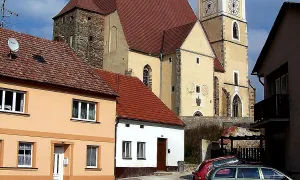
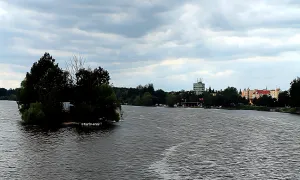
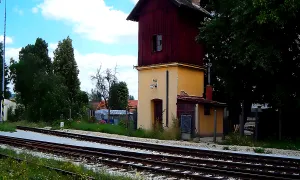
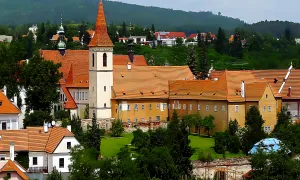
Photos from the area
Real photos taken near the monument

Zdroj a licence jsou uvedeny u každého snímku.
Atmosphere of the place
This atmospheric visualisation of the place and period was generated by artificial intelligence. It is not real footage of the location.
Tips from visitors
No tips yet. Be the first!
Log in and add your tip.
Location on the map

Příběhy a pověsti
Legendy, pověsti a příběhy spjaté s touto památkou

Fotografie návštěvníků
Zatím žádné fotografie. Buďte první, kdo přidá fotografii z návštěvy!
Log in a přidejte svou fotografii nebo hodnoťte.
Za ověřenou návštěvu v aplikaci získáte víc bodů — poznáme podle GPS, že jste na místě.
Reviews and comments