



Trhové Sviny Castle
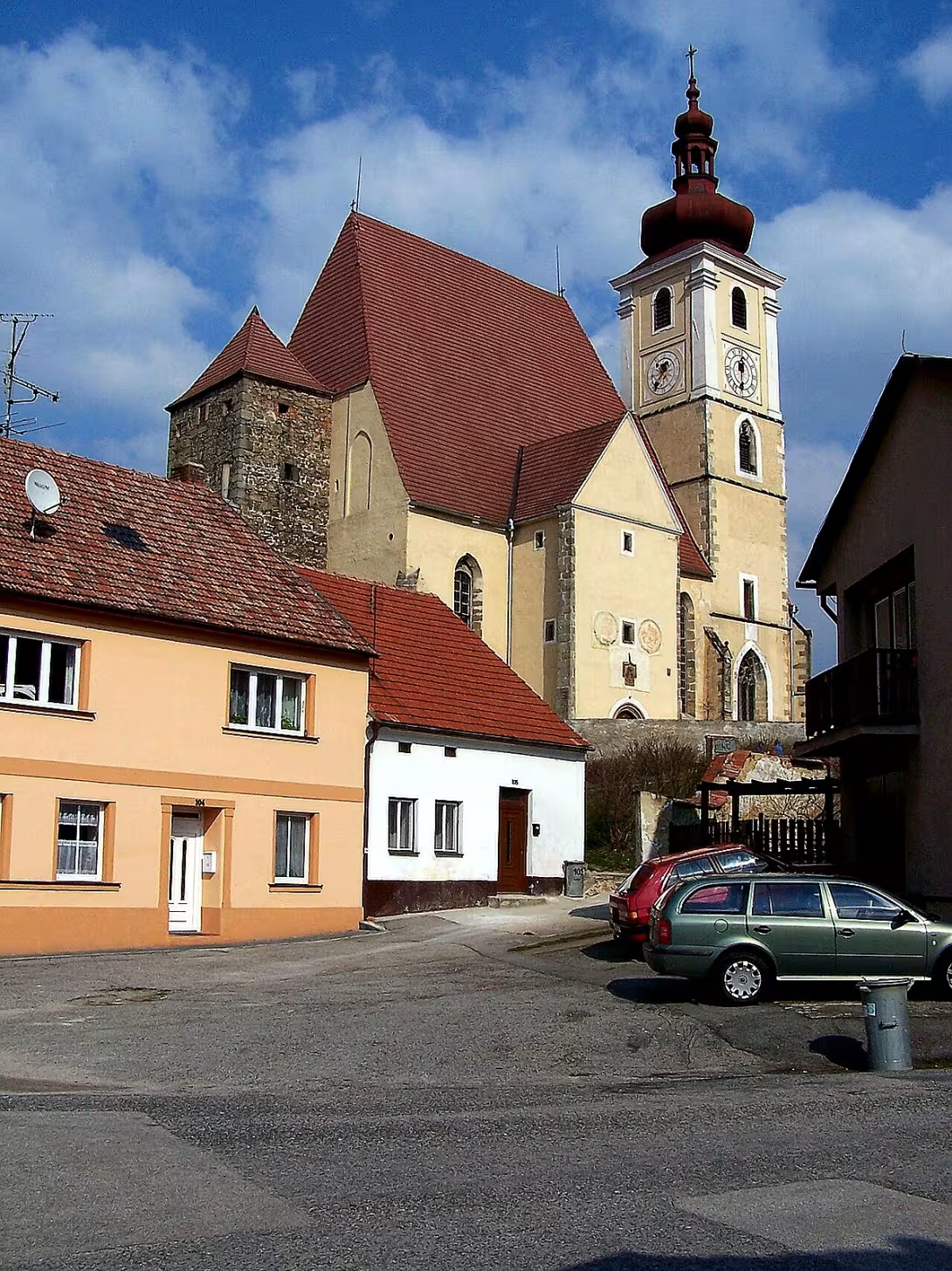
Objekt se nedochoval — na místě dnes nestojí. Následující text popisuje jeho historii, ne současnou návštěvu.
In the place where Kozinovo Square - a folk called Goat Sláček - was located from the 13th to 15th century. Its physical traces disappeared under a later building, but the very shape and extent of the square still reveal where the medieval site lay. This is one of the few cases where a defunct castle can be read directly from the urban town.
The castle was built around the middle of the 13th century as a guard fortification on the Vitoraz trail, then an important business and communication route. The oldest indirect proof of its existence dates back to 1260, when Ojíř ze Svin, a member of the Klokoti branch of the mighty Vítkovce family, is documented in the sources. The castle belonged to the English line of this family - his nephew Vok z Třeboně inherited it after Ojířík and then the descendants of Vok Jaroslav, Sesim and Ojíř. Since 1327 he held Trhové Sviny Vilém z Landštejna.
In 1359 Vítek z Landštejna sold the castle to the Rožmberks, who attached it to the Neo-hrady estate, which they acquired from the same family a year earlier. In 1355, the chapel of St. John the Baptist was mentioned in the forefront, probably added to the original premises. Trhové Sviny thus became part of the extensive Rozberg Dominion in southern Bohemia.
The key division in the fate of the castle was 1420, when it was conquered and occupied by Hussite troops under the leadership of Jan Žižka of Trocnova. Rožmberk Oldřich won the castle back, but by 1454 it is listed as desolated. The recovery has not happened. The castle was apparently demolished until 1480. The only construction that survived the destruction of the entire complex was the mentioned chapel of St. John the Baptist - but it died in 1828, which completely erased the physical legacy of the castle.
The design of the castle can only be judged on the basis of the trace it left in the floor plan structure of the Market Svins. It is believed to be a larger, at least two-part area, including today's Kozino Square and its immediate surroundings. The present chapel, which used to stand there, illustrates the existence of the prelim.
The visitor who comes to Kozin Square today is not facing any ruins or information board with reconstruction. But it is literally on the ground plan of the medieval castle, whose outlines survived in the street raster of the city. For a curious tourist who can read landscape and urban tourism, it is an experience of his kind - to read history not from stone but from the shape of space.
Then and now
Drag the slider to compare how the landmark may have looked when it was built with the view today.
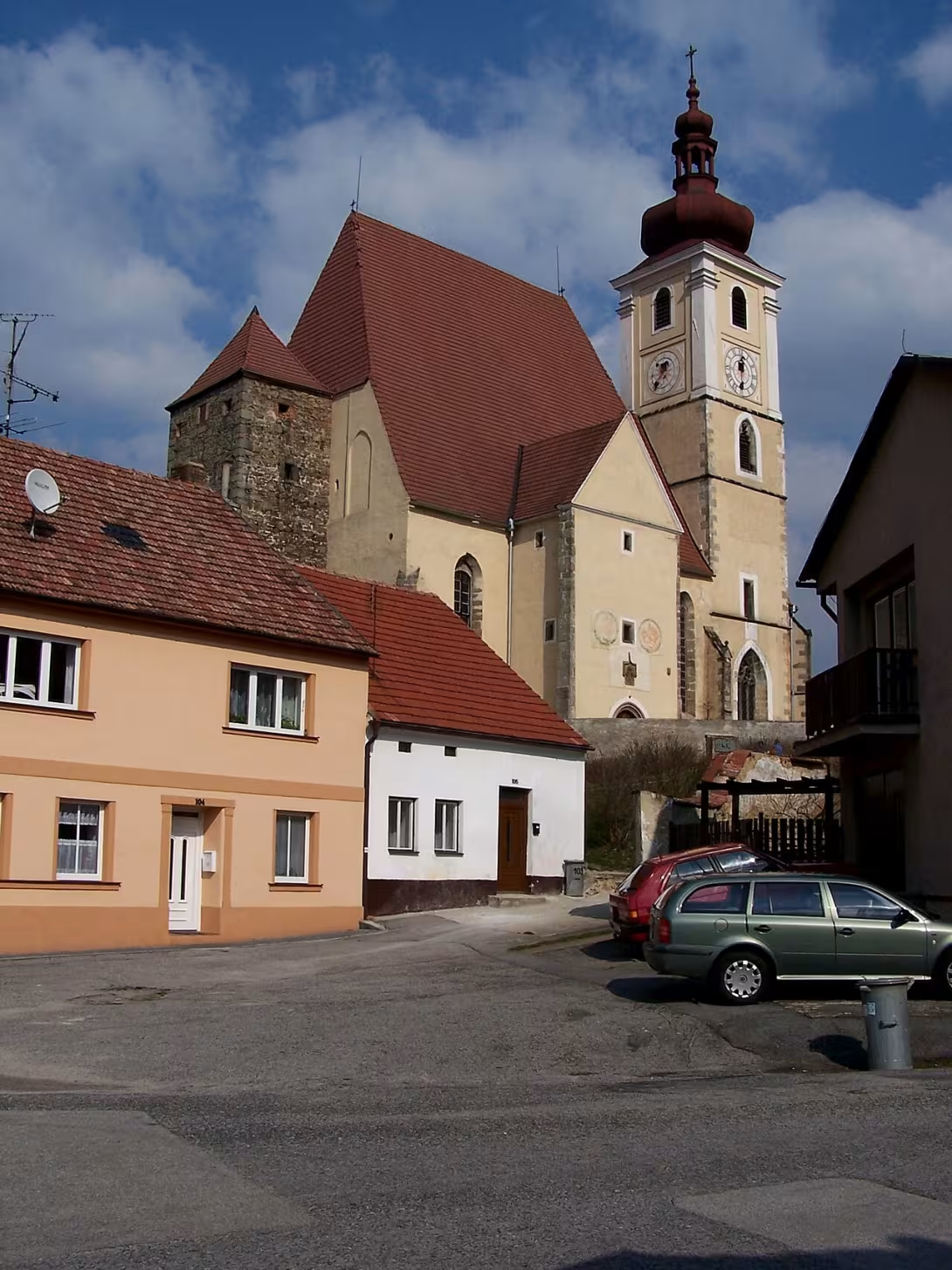

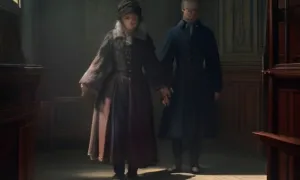
The historical appearance on the left is an AI-generated visualisation and serves as inspiration only.
Historical milestones
- 1260
- First mention of the Svin Ojiri.
- 1355
- A reference to the chapel of St. John the Baptist.
- 1420
- Conquest by Hussite troops led by Jan Žižka.
Architectural development
The castle was more widely available with a dam, as evidenced by the former chapel of St. John the Baptist. After the conquest of the Hussite and the subsequent devastation, there was no recovery, which led to its demise.
Historical events
- 1260
- First mention of Ojera from Svin, a member of the Klokot branch of Vítkovce.
- 1355
- Mention of the chapel of St. John the Baptist in the foothold of the castle.
- 1359
- Castle sold to Vitek from Landstejn Rožmberk.
- 1420
- Conquest by Hussite troops led by Jan Žižka.
Points of interest
- Castle Trhové Sviny stood from 13th to 15th century in place of today's Kozin Square.
- He was a guard on the Vitoraz trail, an important business and communications route.
- The oldest indirect proof of the existence of the castle dates back to 1260 with Ojír from Svin.
- Since 1359 it belonged to the Rožmberks, who attached it to the Neo-hradian estate.
- The castle was conquered by Hussite troops in 1420 and ravaged until 1454.
Guide
This guide is narrated by a synthetic voice generated by artificial intelligence.
Show guide text
This text was created by artificial intelligence and has not been editorially reviewed. It may contain inaccuracies.
The castle in Trhové Sviny stood from the thirteenth to the fifteenth century in the place of today's Kozinovo náměstí, also called Kozí plácek. Its remains were eventually swallowed up by later urban development.
The castle probably originated around the middle of the thirteenth century as a guard castle on the Vitorazská stezka. We first learn of its existence indirectly through the byname Ojíř ze Svin. He belonged to the Klokot or Landštejn branch of the Vítkovec family and is documented in the year 1260. In 1355, the chapel of Saint John the Baptist in the outer ward is mentioned, probably added only later.
The castle was held by the Landštejn family. After Ojíř, his nephew Vok z Třeboně acquired it, and after him Vok's descendants Jaroslav, Sezima, and Ojíř. From 1327 it belonged to Vilém z Landštejna. In 1359, Vítek z Landštejna sold the castle to the Rožmberks. They attached Trhové Sviny to the Novohrad estate, which they had acquired from the Landštejna family a year earlier.
In 1420, the castle was conquered and occupied by Hussite forces under the command of Jan Žižka z Trocnova. Oldřich z Rožmberka later recovered it, but it was devastated, as is recorded for the year 1454. No reconstruction took place. The castle was probably demolished by 1480. As the last remaining feature, the chapel of Saint John the Baptist survived until 1828, when it too disappeared.
Today, the appearance of the castle is mainly revealed by the city's layout. According to the trace in the arrangement of streets, it can be inferred that the castle occupied the entire present-day Kozinovo náměstí and its immediate surroundings. It was at least a two-part complex with an outer ward, whose existence is confirmed by the former chapel.
For kids
Imagine going back to the past when the castle Trhové Sviny was here. It was a rock above the river Malontka, where the rulers founded their mansion.
This is where the masters of Market Svins lived, who were powerful and rich. Who knows, maybe they were walking around the walls, looking down on the river, or having fun at St. Catherine's Chapel. The chapel was part of the castle, and maybe it was a secret.
Businesses nearby
Do you run a restaurant, accommodation, shop, museum, rental, wellness or other visitor service near this monument? Show yourself directly to the people heading to it — this is how they will see you in the app and on the web:
Nearby
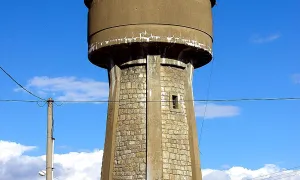
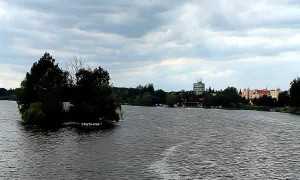
In the vicinity of the castle there is a nature reservation and other historical monuments.
Visualizations and artistic views


The visualisations are generated by artificial intelligence and serve as inspiration.
Photos from the area
Real photos taken near the monument


Zdroj a licence jsou uvedeny u každého snímku.
Tips from visitors
No tips yet. Be the first!
Log in and add your tip.
Sources and literature
Faktickým podkladem tohoto textu byl článek na Wikipedii, jehož autory jsou přispěvatelé Wikipedie. Článek je dostupný pod licencí CC BY-SA 4.0.
Location on the map


Příběhy a pověsti
Legendy, pověsti a příběhy spjaté s touto památkou
Fotografie návštěvníků
Zatím žádné fotografie. Buďte první, kdo přidá fotografii z návštěvy!
Log in a přidejte svou fotografii nebo hodnoťte.
Za ověřenou návštěvu v aplikaci získáte víc bodů — poznáme podle GPS, že jste na místě.
Reviews and comments