



Zámek Kunkovice Chateau
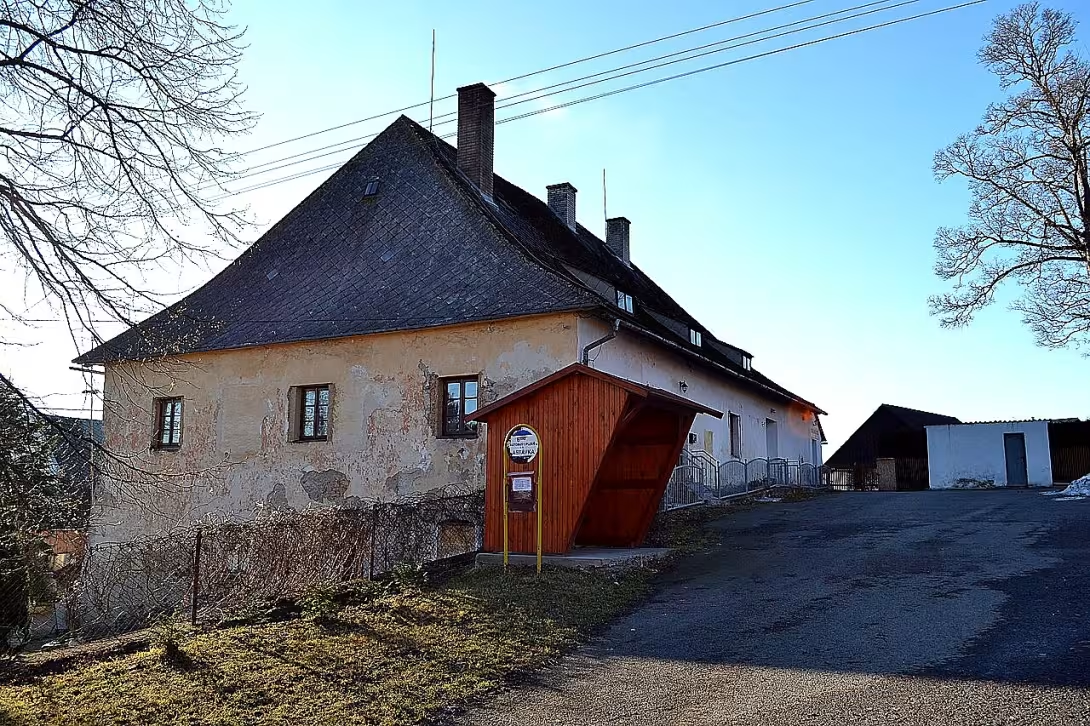
Zámek Kunkovice is a cultural monument located in the village of Kunkovice, within the municipality of Čachrov, Plzeňský kraj. Originally built as a Renaissance manor house at the end of the 16th century, it has experienced several transformations over time. Initially owned by the Bohuchval family, it underwent Baroque renovations under the Malovců z Chýnova in the 18th century. In recent history, it served various community functions before being sold post-1989. This monument is notable for its architectural evolution from Renaissance to Baroque styles and its role as a cultural landmark.
The origins of Zámek Kunkovice trace back to the late 16th century when it was established by the Bohuchval family, who were influential in the region at that time. The estate's construction coincided with broader architectural developments in Bohemia during the Renaissance period, which saw significant Italian influences. This era marked a transition from medieval fortifications to more elaborate and aesthetically pleasing structures.
Architecturally, Zámek Kunkovice began as a Renaissance structure characterized by symmetry and proportionality, typical of the style's emphasis on classical elements. Over time, it underwent substantial changes, most notably during the 18th century when the Malovců z Chýnova family undertook Baroque renovations. These modifications reflected broader European trends during the Counter-Reformation era, introducing more ornate and grandiose features to the estate. Additionally, in the early 20th century, a cylindrical tower was added, further diversifying its architectural elements.
The ownership of Zámek Kunkovice has seen several transitions over the centuries. After the Bohuchval family, it came into the possession of the Malovců z Chýnova in the 18th century. Subsequently, the estate was owned by the Polland and Schreiner families. In the early 20th century, it became the property of the Catholic scouting organization Legio angelica. This period marked a shift from private ownership to serving community functions.
Throughout its history, Zámek Kunkovice has been associated with various key events and roles. Initially serving as a manor house, it later functioned as a youth hostel during the 1930s and 1940s under Legio angelica's ownership. After February 1948, the estate housed offices for JZD (Agricultural Cooperative) and MNV (National Agricultural Enterprise), reflecting its integration into local administrative functions. Despite these changes, much of its original interior furnishings and wall paintings have been lost over time.
Today, Zámek Kunkovice stands as a testament to the architectural and historical transformations it has undergone. Although the interior lacks many of its original features, such as furniture and decorative wall paintings that once depicted love scenes and floral motifs, the estate remains an intriguing site for visitors interested in Czech history and architecture. The surrounding agricultural buildings add context to its rural setting, offering a glimpse into traditional Czech landscape.
Zámek Kunkovice is significant not only for its architectural evolution but also as a cultural monument recognized since May 3, 1958. Its journey from a Renaissance manor house to a site of community use and eventual sale reflects broader historical trends in the region. Visitors are invited to explore this unique estate, appreciating its rich history and enduring legacy within the Czech countryside.
Then and now
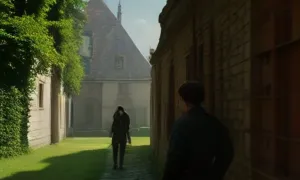
Drag the slider to compare how the landmark may have looked when it was built with the view today.
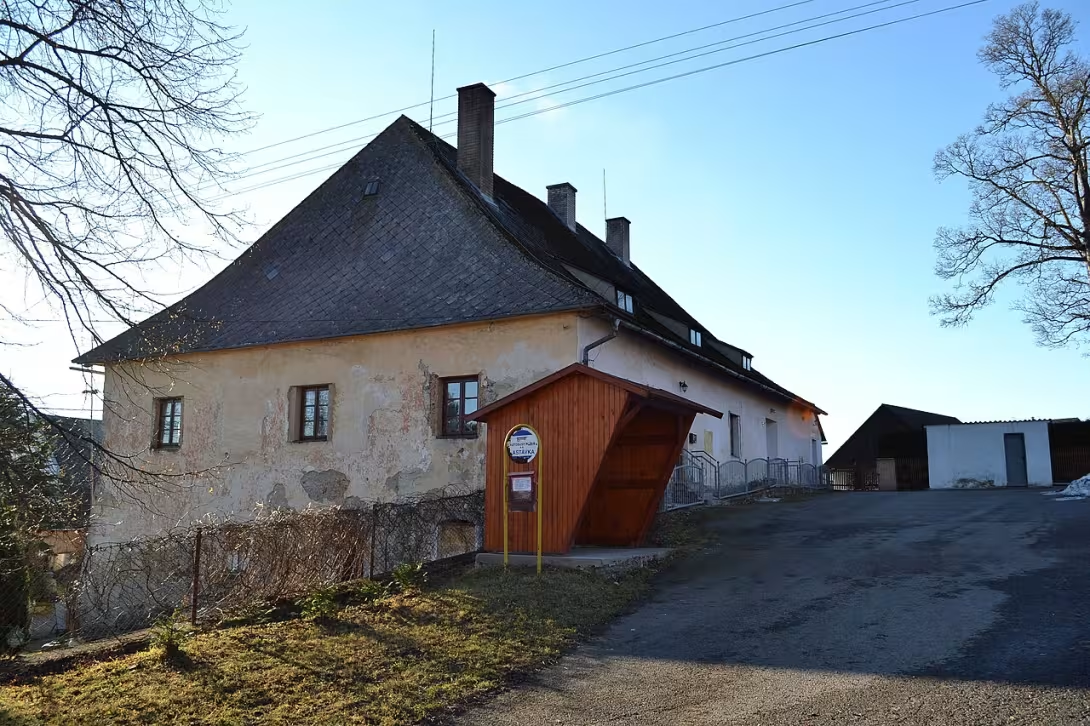

The historical appearance on the left is an AI-generated visualisation and serves as inspiration only.
Historical milestones
- The castle was designated as a cultural monument on May 3, 1958.
Architectural development
The original Renaissance structure was built in the late 16th century. It underwent significant baroque renovations in the 18th century under new ownership. The estate also saw additions such as a cylindrical tower during the 1930s to 1940s.
Historical events
In the late 16th century, Zámek Kunkovice was established as a Renaissance manor house.
The estate underwent baroque renovations in the 18th century under the Malovců z Chýnova.
From the 1930s to the 1940s, it served as a youth hostel and later housed offices for JZD and MNV.
Owners
The original owners were the Bohuchval family from Hrádek at the end of the 16th century. The estate later passed to the Malovců z Chýnova in the 18th century, followed by ownership under the Polland and Schreiner families. In the early 20th century, it was owned by the Catholic scouting organization Legio angelica.
Points of interest
- Despite its architectural evolution from Renaissance to Baroque styles, Zámek Kunkovice's cylindrical tower, added in the early 20th century, stands out as an unusual feature not typical of either style and adds a unique element to its design.
- The estate was once owned by the Catholic scouting organization Legio angelica in the early 20th century, marking a rare instance where a historical manor served as a hub for youth activities rather than traditional aristocratic or administrative functions.
- During the 1930s and 1940s, Zámek Kunkovice functioned as a youth hostel under the ownership of Legio angelica, reflecting its temporary transformation from an aristocratic residence to a communal space focused on fostering young people's development.
- After February 1948, the estate was repurposed to house offices for JZD (Agricultural Cooperative) and MNV (National Agricultural Enterprise), illustrating how it adapted to serve local administrative needs during a period of significant political change in Czechoslovakia.
- Although many original interior features have been lost over time, Zámek Kunkovice's wall paintings once depicted love scenes and floral motifs, hinting at a past where art was used to convey romantic or aesthetic themes within its halls.
Guide
This guide is narrated by a synthetic voice generated by artificial intelligence.
Show guide text
This text was created by artificial intelligence and has not been editorially reviewed. It may contain inaccuracies.
Welcome to the historic Zámek Kunkovice, a remarkable cultural monument nestled in the picturesque village of Kunkovice within the municipality of Čachrov, Plzeňský kraj. As you stand here, imagine yourself stepping back into time, surrounded by an aura that whispers tales from centuries past.
The origins of Zámek Kunkovice trace back to the end of the 16th century when it was constructed as a Renaissance manor house. This architectural masterpiece began its journey under the ownership of the Bohuchval family, who envisioned a residence befitting their status and taste during the era's flourishing artistic spirit.
As you gaze upon the structure before you, take note of how time has sculpted its form. Initially rooted in Renaissance ideals, the castle underwent significant transformations, notably baroque renovations by the Malovců z Chýnova in the 18th century. These changes imbued it with a blend of stylistic elements that reflect the evolving tastes and cultural influences over the centuries.
Now, let your eyes wander to one of its most distinctive features: the cylindrical tower. Added in the early 20th century, this unusual element stands out against the backdrop of Renaissance and Baroque styles. It adds an intriguing layer to the castle's architectural narrative, inviting you to ponder the reasons behind such a unique addition.
While specific architects remain unknown, Zámek Kunkovice has been home to notable historical figures and stories that have woven themselves into its fabric. Among them is the Catholic scouting movement, which once found refuge within these walls, adding yet another layer of depth to its rich history.
As you explore further, imagine the lives that unfolded here: the footsteps echoing through halls, the whispered conversations in shadowed corners, and the legacy left behind by those who called it home. Each stone holds a story waiting to be discovered.
Before you move on, take a moment to absorb the atmosphere surrounding Zámek Kunkovice. Feel the weight of history in the air as you stand in this place where time seems to pause, inviting reflection and admiration.
As your visit draws to a close, we invite you to continue exploring the enchanting surroundings of Kunkovice, letting curiosity guide your journey through more hidden gems and stories yet untold. Thank you for joining us on this exploration of Zámek Kunkovice—may it leave an indelible mark on your heart as it has on history. Safe travels as you continue to uncover the wonders that await.
Tips for visitors
The best time to visit Zámek Kunkovice is during late spring or early autumn when the weather is pleasant, allowing you to comfortably explore both the castle grounds and its surrounding rural landscape. These seasons offer vibrant natural scenery without the peak summer crowds, making it an ideal period for a leisurely visit.
It's advisable to check current transportation options and schedules in advance for a smooth journey.
When planning your visit, consider bringing comfortable walking shoes, especially if you intend to explore the surrounding agricultural buildings and landscapes. A camera or smartphone with a good camera will be useful for capturing the picturesque views of rural Czech architecture. Don’t forget to bring water, snacks, and perhaps a hat or sunscreen depending on the season.
Photography enthusiasts will find several spots around Zámek Kunkovice ideal for capturing its Renaissance charm, especially during golden hours in the morning or late afternoon when the light is soft and warm. The south and west sides of the castle offer particularly scenic views with their agricultural backdrop, perfect for both wide landscape shots and detailed architectural photography.
For families visiting Zámek Kunkovice, consider exploring the nearby village of Čachrov within a 30-minute drive or walk. This area provides a glimpse into local life and culture, offering opportunities to engage children with its rural setting. Although specific family-friendly attractions are not detailed in this vicinity, the natural landscape itself can be an enjoyable exploration for families.
Frequently asked questions
Can the monument be visited?
Some buildings of this kind are open for guided tours, others serve another purpose or are privately owned. We have not verified whether and when this monument is open – please ask the operator.
What are the opening hours and admission?
We have not verified the opening hours or admission. Current information is published by the operator.
Where is the monument?
Location: Kunkovice č.p. 1, Čachrov, Plzeňský kraj. The map on this page shows the exact spot.
Why is the monument protected?
It is listed in the Central List of Cultural Monuments of the Czech Republic as a cultural monument (register no. 24575/4-3089).
Businesses nearby
Do you run a restaurant, accommodation, shop, museum, rental, wellness or other visitor service near this monument? Show yourself directly to the people heading to it — this is how they will see you in the app and on the web:
Events nearby
Zdroj akcí: otevřená data měst a obcí ČR (Národní katalog otevřených dat) a kalendář akcí Národního památkového ústavu.
Nearby
Zámek Kunkovice is surrounded by agricultural buildings to the south and west. The area offers a glimpse into rural Czech architecture and landscape, though specific nearby natural or cultural landmarks are not detailed.
Accommodation nearby
Themed route
Thematic Walking Tour: Zámek Kunkovice and Surroundings
1. Zámek Kunkovice (Castle) - Begin your journey at the heart of this tour, Zámek Kunkovice, a quintessential example of rural Czech architecture nestled in the picturesque Plzeňský kraj region. This castle offers visitors a glimpse into historical living with its well-preserved structures and charming ambiance. Explore the interiors to appreciate the architectural details and learn about the history that shaped this estate.
2. Agricultural Buildings (South) - From the main entrance of Zámek Kunkovice, head south towards the surrounding agricultural buildings. These structures provide insight into traditional Czech farming practices and rural life, showcasing how agriculture has been integral to the area's development over centuries. The rustic charm of these buildings complements the castle’s grandeur, offering a holistic view of historical land use.
3. Zámek Kunkovice Nádvoří (Courtyard) - Return to the vicinity of Zámek Kunkovice and explore its expansive courtyard. This area serves as a central gathering space within the estate, reflecting the social and functional aspects of historical estates in rural settings. The nádvoří is perfect for appreciating the architectural harmony between the castle and its auxiliary buildings.
4. Zámek Kunkovice Park (Park) - Conclude your tour by wandering through the serene park surrounding Zámek Kunkovice to the west. This green space offers a tranquil retreat, allowing visitors to reflect on their journey while enjoying the natural beauty that complements the historical structures. The park is an ideal spot for relaxation and contemplation amidst nature.
This thematic walking tour provides a comprehensive exploration of Zámek Kunkovice and its immediate surroundings, offering insights into both architectural heritage and rural lifestyle in this charming part of the Czech Republic.
Seasonal recommendations
Spring: Visiting Zámek Kunkovice during spring offers a picturesque experience as the surrounding landscape bursts into life with vibrant colors from blooming flowers and fresh greenery. The gentle warmth of the season enhances the charm of the castle grounds, making it an ideal time for leisurely strolls and capturing scenic photographs. Visitors can enjoy longer daylight hours, allowing ample time to explore both the interior and exterior features without feeling rushed. It's advisable to dress in layers as temperatures can vary throughout the day. While spring is a popular season for tourists, arriving early can help avoid larger crowds, ensuring a more peaceful visit.
Summer: Summer at Zámek Kunkovice is characterized by long days filled with sunshine, providing perfect conditions for outdoor activities and exploring the expansive grounds of the castle. The lush greenery and blooming gardens create an idyllic setting that enhances the historical ambiance of the site. This season often sees a higher influx of visitors due to school holidays and favorable weather, so planning ahead is crucial. Arriving early in the morning or later in the afternoon can help avoid peak times when crowds are at their largest. Comfortable walking shoes and light clothing are recommended, along with sun protection such as hats and sunscreen.
Autumn: Autumn brings a unique charm to Zámek Kunkovice, as the foliage transforms into a stunning palette of reds, oranges, and yellows. The cooler temperatures make for comfortable exploration of both the castle's interiors and its scenic grounds. This season is less crowded than summer, offering a more tranquil experience while still providing ample daylight hours for sightseeing. Visitors should dress warmly in layers to accommodate fluctuating temperatures throughout the day. Autumn is an excellent time for photography enthusiasts looking to capture the picturesque landscape with fewer crowds.
Winter: Winter at Zámek Kunkovice offers a serene and magical atmosphere, as snow blankets the castle grounds and surrounding areas, creating a fairy-tale-like setting. The shorter days mean that visitors should plan their visit during daylight hours, as some parts of the castle may have reduced opening times due to the season. It's essential to dress warmly in layers, including waterproof outerwear if necessary, to stay comfortable while exploring. Although winter is less busy than other seasons, it provides a unique opportunity for those seeking a peaceful and enchanting visit away from the typical tourist crowds.
Visualizations and artistic views


The visualisations are generated by artificial intelligence and serve as inspiration.
Photos from the area
Real photos taken near the monument


Zdroj a licence jsou uvedeny u každého snímku.
Tips from visitors
No tips yet. Be the first!
Log in and add your tip.
Sources and literature
Photos: Sefjo / CC BY-SA 3.0 — Wikimedia Commons. The author and licence also appear when you hover over the image.
Faktickým podkladem tohoto textu byl článek na Wikipedii, jehož autory jsou přispěvatelé Wikipedie. Článek je dostupný pod licencí CC BY-SA 4.0.
Location on the map
More monuments – Kunkovice
Show all in the municipality

Příběhy a pověsti
Legendy, pověsti a příběhy spjaté s touto památkou
Fotografie návštěvníků
Zatím žádné fotografie. Buďte první, kdo přidá fotografii z návštěvy!
Log in a přidejte svou fotografii nebo hodnoťte.
Za ověřenou návštěvu v aplikaci získáte víc bodů — poznáme podle GPS, že jste na místě.
Reviews and comments