



Zámek Lesná (Lesná) Chateau
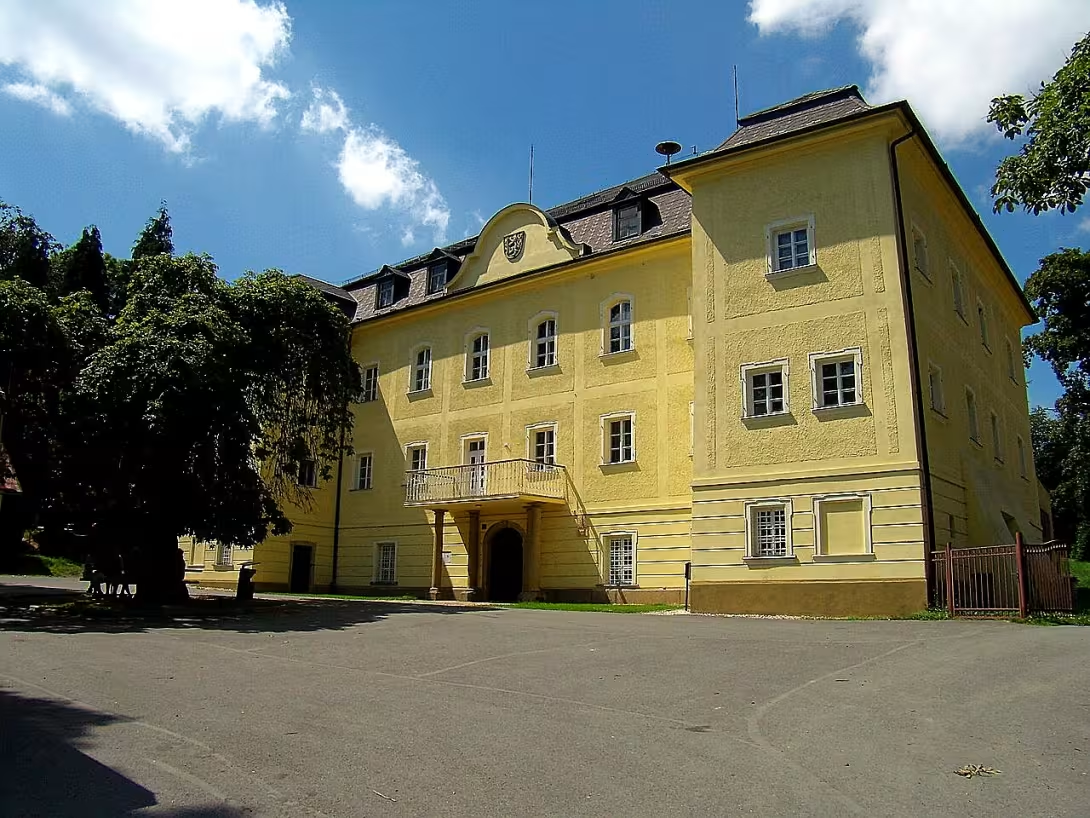
Zámek Lesná stands as a significant cultural monument in the Czech Republic, located in the village of Lesná within Tachov District. Established at the turn of the 17th and 18th centuries, it replaced an older fortress and evolved into a notable late Baroque structure. The castle's historical significance is highlighted by its transformation under František Jáchym Schirndinger in 1787, its resilience through destruction by fire in 1931, and subsequent restoration five years later. Today, it serves various community functions, reflecting its enduring importance.
The origins of Zámek Lesná trace back to a medieval fortress that served as the first noble seat in the area. Historical records indicate this initial structure was mentioned as early as the 14th century when Arkleb z Tisové owned it in 1349. Over the centuries, ownership passed through several notable figures, including Petr z Lesné and his sons Zikmund and Levhart, Martin z Hojnestu, Albrecht Mengesreiter, Mikuláš Grys, Jiljí Grys, and Valter z Habšperka. By 1555, the Schirndinger family acquired the estate, maintaining ownership until 1945. This lineage of proprietors reflects the castle's longstanding role as a noble seat within the region.
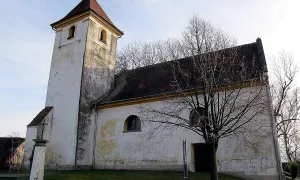
Architecturally, Zámek Lesná underwent significant changes to become its present form. Initially an older fortress, it was transformed into a late Baroque structure by František Jáchym Schirndinger in 1787. This transformation is marked by a keystone above the main entrance bearing the year 1787. The castle features two floors with shorter wings extending from the main block on either side. Although parts of the original fortress are believed to have existed southwest of the current structure, they are now integrated into the castle's fabric.
Throughout its history, Zámek Lesná has experienced several key events that shaped its legacy. In 1787, František Jáchym Schirndinger initiated a significant architectural transformation, converting the fortress into a Baroque castle. However, in 1931, the castle suffered extensive damage due to fire. Despite this setback, it was meticulously restored by 1936, ensuring its preservation for future generations. These events highlight the resilience and adaptive nature of the structure over time.
Today, Zámek Lesná is more than just a historical monument; it serves as a vibrant community hub. Following its restoration in the mid-20th century, the castle housed offices for the local national committee and provided spaces for hospitality and cultural activities. Eventually, it became the seat of the municipal office, integrating itself into the daily life of Lesná's residents. This multifaceted role underscores its ongoing relevance and utility.
Visiting Zámek Lesná offers a unique opportunity to explore a site rich in history and architectural evolution. Its journey from a medieval fortress to a Baroque castle encapsulates centuries of cultural and historical shifts within the region. For those interested in Czech heritage, architecture, or simply seeking an engaging day out, Zámek Lesná promises a rewarding experience that connects visitors with the past while showcasing its contemporary significance.
Then and now
Drag the slider to compare how the landmark may have looked when it was built with the view today.
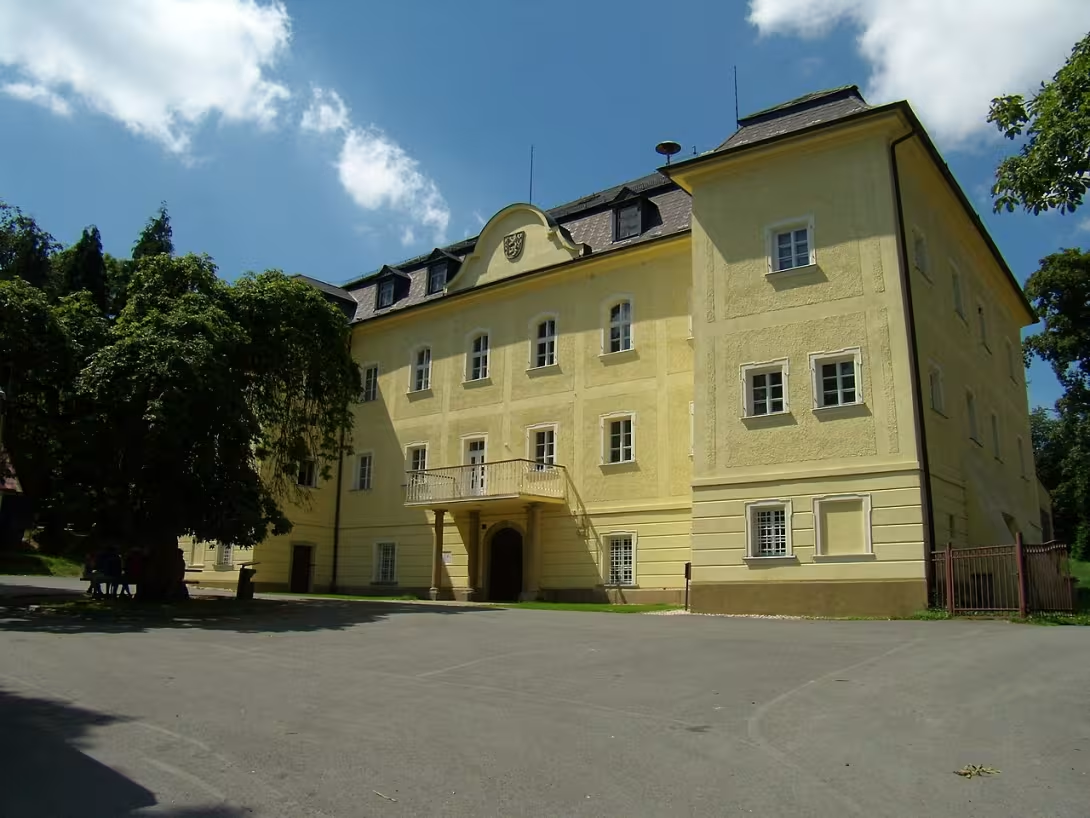

The historical appearance on the left is an AI-generated visualisation and serves as inspiration only.
Historical milestones
- 1787
- František Jáchym Schirndinger transformed the fortress into a Baroque castle.
- 1931
- The castle was destroyed by fire.
- 1936
- The castle was restored after being destroyed by fire.
Architectural development
Zámek Lesná evolved from an earlier medieval fortress to its current form through significant architectural changes. The transformation into a Baroque structure occurred under František Jáchym Schirndinger in 1787, marked by the addition of a keystone with this date above the main entrance. Despite suffering destruction by fire in 1931, it was restored five years later.
Historical events
František Jáchym Schirndinger transformed the fortress into a Baroque castle in 1787.
The castle was destroyed by fire in 1931 and subsequently restored in 1936.
Owners
Arkleb z Tisové (1349)
Petr z Lesné (1409–1412)
Zikmund a Levhart (synové Petra z Lesné)
Martin z Hojnestu (1434–1437)
Albrecht Mengesreiter (1440)
Mikuláš Grys (1498–1508)
Jiljí Grys (1528)
Valter z Habšperka (1555)
Schirndingerové ze Schirndingu (post-1555 to 1945)
Points of interest
- One of the lesser-known facts about Zámek Lesná is that it replaced an older fortress dating back to at least the 14th century. This original structure was already a significant noble seat when Arkleb z Tisové owned it in 1349, indicating its longstanding importance.
- A surprising detail about the castle's architectural transformation is the keystone above the main entrance that bears the year 1787. This marks the pivotal change initiated by František Jáchym Schirndinger when he converted the fortress into a notable late Baroque structure.
- An intriguing aspect of Zámek Lesná’s history involves its resilience and restoration following a devastating fire in 1931. Remarkably, just five years later, it was fully restored, showcasing both its historical significance and the dedication to preserving this cultural monument for future generations.
- The castle's ownership by the Schirndinger family from 1555 until 1945 is an interesting facet of its history. This long-term stewardship reflects not only their influence in the region but also how Zámek Lesná served as a continuous noble seat through centuries, witnessing various historical and cultural shifts.
- Today, Zámek Lesná functions beyond being just a historical site; it serves as a community hub with roles that include housing municipal offices. This multifaceted use underscores its ongoing relevance and integration into the daily life of Lesná’s residents, highlighting how historic sites can adapt to modern needs while preserving their heritage.
Guide
This guide is narrated by a synthetic voice generated by artificial intelligence.
Show guide text
This text was created by artificial intelligence and has not been editorially reviewed. It may contain inaccuracies.
Welcome to the historical site of Zámek Lesná, nestled in the quaint village of Lesná within Tachov District. As you stand here, imagine yourself transported back through time to when this area was bustling with noble activity and architectural evolution.
The origins of Zámek Lesná trace back to a period of transition between the 17th and 18th centuries. Originally built as a fortress, it served as an important seat for nobility. The castle you see today is a testament to its transformation into a late Baroque masterpiece in 1787, thanks to František Jáchym Schirndinger's vision.
As you take in the surroundings, notice the grandeur of the structure that has withstood time and adversity. Although it suffered destruction by fire in 1931, the castle was meticulously restored two years later, preserving its historical essence for future generations to appreciate.
Throughout its history, Zámek Lesná has been home to several notable figures. Arkleb z Tisové owned the original fortress in 1349, marking it as a significant noble seat from early on. Over the centuries, individuals like Petr z Lesné and his sons Zikmund and Levhart left their mark here, followed by others such as Martin z Hojnestu and Albrecht Mengesreiter.
One intriguing aspect of this castle is its layered history. It replaced an older fortress that dates back to at least the 14th century, highlighting its longstanding importance in the region. This continuity of noble presence adds depth to your experience here today.
As you continue exploring Zámek Lesná, take a moment to reflect on the stories and lives intertwined with this place. Each stone holds echoes of the past, inviting you to delve deeper into its mysteries and charm.
We invite you to wander around, absorb the atmosphere, and let your imagination roam through history. Thank you for visiting Zámek Lesná, and may your journey here inspire a lasting appreciation for the rich tapestry of our cultural heritage.
Tips for visitors
The best time to visit Zámek Lesná is during the late spring or early autumn months, from May to September. During this period, the weather is typically mild and pleasant, making it ideal for exploring both the castle grounds and enjoying outdoor activities in the surrounding area. The natural beauty of the region is at its peak, with lush greenery and vibrant flowers that enhance the picturesque setting of the castle.
The castle is located within a reasonable distance from Plzeň, making it accessible for day trips.
When planning your visit, consider bringing comfortable walking shoes as you'll likely spend time exploring both indoors and outdoors. A camera is recommended to capture the stunning architecture and scenic views of the surrounding landscape. Additionally, carrying a light jacket or sweater can be useful due to variable weather conditions, even during warmer months.
Photography enthusiasts will find several spots around Zámek Lesná ideal for capturing its beauty. The best lighting is typically found in the early morning or late afternoon when the sun casts soft shadows across the castle's façade and gardens. Exploring different angles from both inside and outside can yield diverse perspectives of this historic site.
For families with children, Zámek Lesná offers a delightful experience. The expansive grounds provide ample space for kids to run around and explore nature. Nearby attractions within 30 minutes include the charming village of Lesná itself, which has quaint shops and local eateries perfect for a family outing. Additionally, the natural landscape offers opportunities for short hikes or picnics.
Frequently asked questions
Can the monument be visited?
Some buildings of this kind are open for guided tours, others serve another purpose or are privately owned. We have not verified whether and when this monument is open – please ask the operator.
What are the opening hours and admission?
We have not verified the opening hours or admission. Current information is published by the operator.
Where is the monument?
Location: č.p. 1, Lesná, Plzeňský kraj. The map on this page shows the exact spot.
Why is the monument protected?
It is listed in the Central List of Cultural Monuments of the Czech Republic as a cultural monument (register no. 44340/4-4734).
Businesses nearby
Do you run a restaurant, accommodation, shop, museum, rental, wellness or other visitor service near this monument? Show yourself directly to the people heading to it — this is how they will see you in the app and on the web:
Accommodation nearby
Themed route
Thematic Vltour: Zámek Lesná and Surroundings
1. Zámek Lesná
Type: Castle
Why Visit: As the centerpiece of this tour, Zámek Lesná offers a glimpse into the architectural evolution from Renaissance to Baroque styles. Visitors can explore its historic interiors, including beautifully preserved rooms that tell stories of the past centuries.
2. Lesná Village Square
Type: Historic Town Center
Why Visit: Located just outside the castle grounds, the village square is a charming spot reflecting traditional Czech architecture and community life. It's perfect for enjoying local cafes or simply soaking in the serene atmosphere after exploring the castle.
3. Church of Saint Lawrence
Type: Church
Why Visit: Situated near Zámek Lesná, this church showcases stunning Baroque artistry with its intricate interior and historical significance to the region. It's a must-see for those interested in religious architecture and local history.
4. Lesná Castle Park
Type: Historic Garden
Why Visit: The castle park offers beautifully landscaped gardens that provide a peaceful retreat. Walking through this green space allows visitors to appreciate nature while reflecting on the historical significance of Zámek Lesná.
5. Local Artisan Workshop
Type: Cultural Experience
Why Visit: A short walk from the village center, these workshops offer insights into traditional Czech crafts and provide opportunities for interactive experiences, such as pottery or weaving demonstrations, enriching your understanding of local culture.
This tour offers a comprehensive exploration of Zámek Lesná and its immediate surroundings, providing cultural, historical, and natural highlights in one seamless experience.
Seasonal recommendations
Spring: Visiting Zámek Lesná in spring offers a unique experience as the castle grounds come alive with vibrant colors from blooming flowers and lush greenery, creating an enchanting atmosphere perfect for photography enthusiasts. The soft natural light of this season enhances the beauty of the historic architecture and surrounding landscapes. Visitors are advised to wear comfortable walking shoes due to potential muddy paths after rain showers. Arriving early in the morning is recommended to avoid larger crowds that often gather during weekends.
Summer: During summer, Zámek Lesná becomes a popular destination with its long daylight hours providing ample time for exploration and enjoying outdoor activities. The warm weather allows visitors to fully appreciate the castle's gardens and open spaces, which are particularly inviting for picnics or leisurely strolls. However, this is also peak tourist season, so it’s wise to arrive early to beat the crowds. Light, breathable clothing and sunscreen are essential due to the strong sun exposure.
Autumn: The autumn visit to Zámek Lesná offers a serene atmosphere as the foliage turns into warm hues of orange, red, and yellow, creating a picturesque setting that complements the castle's historic charm. The cooler temperatures make it comfortable for walking around without the summer heat, though carrying a light jacket is advisable in case of chilly winds. This season tends to have fewer visitors compared to summer, allowing for a more relaxed experience.
Winter: Zámek Lesná in winter presents a magical scene with snow-covered landscapes that add a fairy-tale quality to the castle's grandeur. The shorter days mean visiting hours are reduced, so planning your visit accordingly is essential. Winter attire should include warm layers and waterproof boots for exploring the grounds comfortably. Although visitor numbers may decrease during this time, it’s still advisable to check in advance if any parts of the castle or gardens might be closed due to weather conditions.
Visualizations and artistic views


The visualisations are generated by artificial intelligence and serve as inspiration.
Photos from the area
Real photos taken near the monument

Zdroj a licence jsou uvedeny u každého snímku.
Tips from visitors
No tips yet. Be the first!
Log in and add your tip.
Sources and literature
Photos: Krabat77 / CC BY-SA 3.0 — Wikimedia Commons. The author and licence also appear when you hover over the image.
Faktickým podkladem tohoto textu byl článek na Wikipedii, jehož autory jsou přispěvatelé Wikipedie. Článek je dostupný pod licencí CC BY-SA 4.0.
Location on the map



Příběhy a pověsti
Legendy, pověsti a příběhy spjaté s touto památkou
Fotografie návštěvníků
Zatím žádné fotografie. Buďte první, kdo přidá fotografii z návštěvy!
Log in a přidejte svou fotografii nebo hodnoťte.
Za ověřenou návštěvu v aplikaci získáte víc bodů — poznáme podle GPS, že jste na místě.
Reviews and comments