






zámek Louňovice pod Blaníkem Chateau
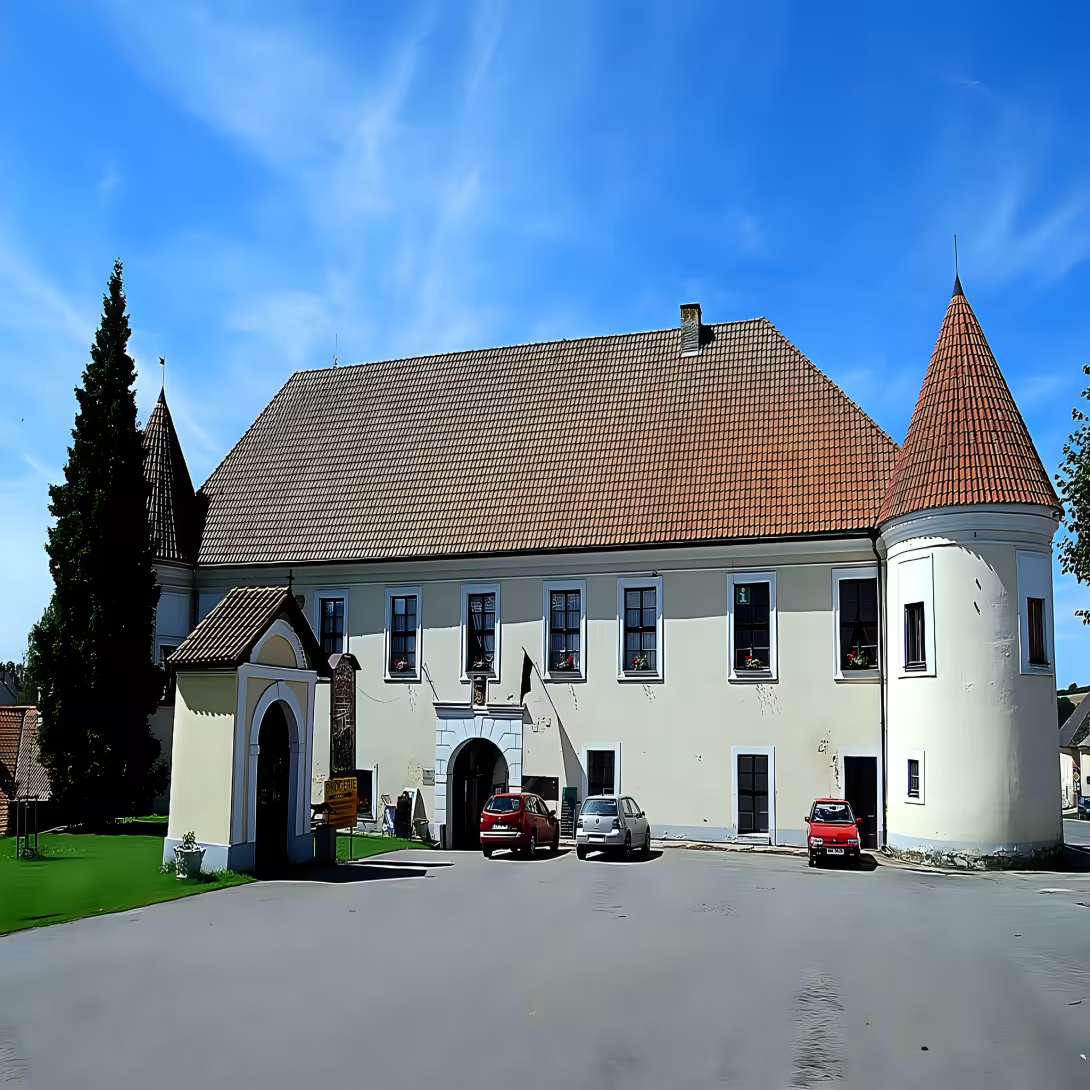
The Louňovice pod Blaníkem Chateau is a historical monument situated in Louňovice pod Blaníkem, Central Bohemian Region, Czech Republic. Founded by Oldřich Skuhrovský ze Skuhrova in the late 16th century, it served as a noble residence for nearly a century before being transferred to the Prague Archbishopric. The chateau's unique Baroque appearance and well-preserved architecture make it a notable landmark in the region.
The chateau's origins date back to 1547, when Kryštof Skuhrovský ze Skuhrova purchased Louňovice. The town was later inherited by Oldřich Skuhrovský, who built a fortified chateau on the site of a ruined monastery and a courtyard. Unfortunately, the early history of the chateau is not well-documented, but it is known that Oldřich Skuhrovský was killed by a group of nobles in Vitanovice in 1594.
The chateau's Baroque appearance is the result of renovations in 1615, which gave it its distinctive four-winged design with cylindrical towers at the corners. The courtyard is entered through a gate with a vaulted arch and lunettes, surrounded by arcades. The building's facade features sgrafitová rustika, a type of decorative plasterwork.
The chateau has undergone several changes in ownership over the centuries. In 1672, Karel Adam Lev z Říčan died and left Louňovice to the Prague Archbishopric, which continued to own the chateau until the 20th century. The chateau was later used as a museum and cultural center, and is now home to the Louňovice pod Blaníkem Museum and the Beekeeping Museum.
The chateau's history is marked by significant events, including the Thirty Years' War, which had a profound impact on the region. The chateau's Baroque renovations were completed in 1675 by Jan Bedřich z Valdštejna, who added a coat of arms above the entrance.
Today, the chateau is a popular tourist destination and a valuable cultural heritage site. Visitors can explore the chateau's well-preserved architecture, learn about its history, and enjoy the surrounding countryside. The chateau's unique Baroque appearance and rich history make it a must-see destination for anyone interested in history and architecture.
Then and now
Drag the slider to compare how the landmark may have looked when it was built with the view today.
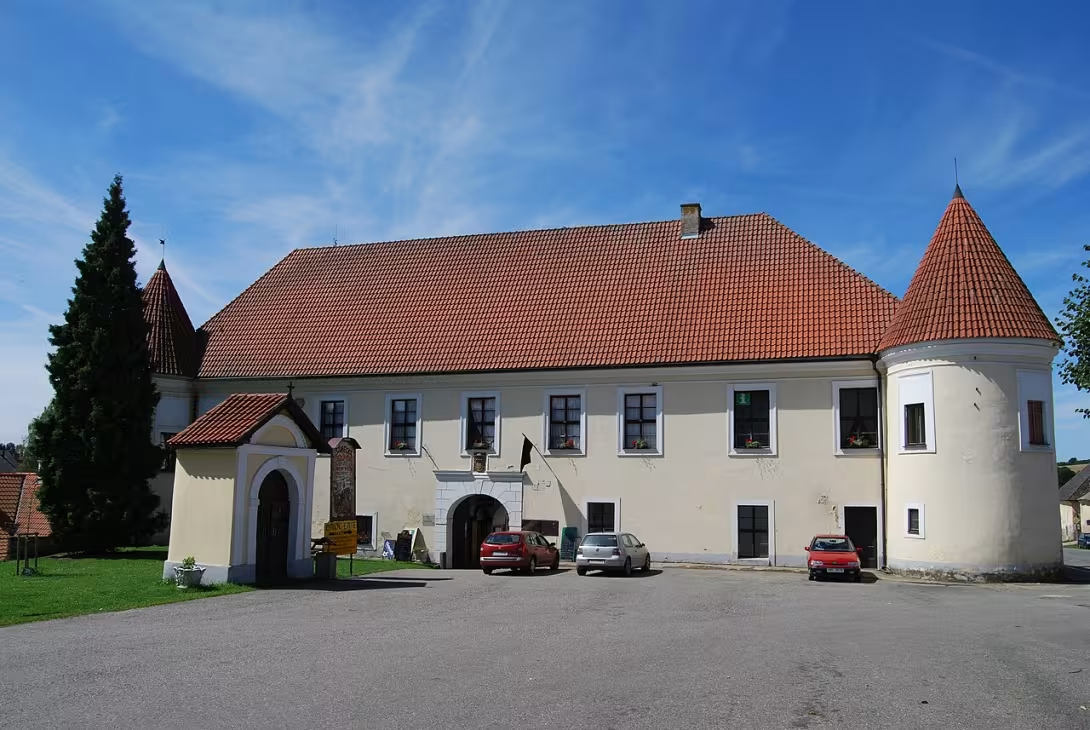

The historical appearance on the left is an AI-generated visualisation and serves as inspiration only.
Historical milestones
- 1547
- Kryštof Skuhrovský ze Skuhrova bought Louňovice.
- 1566
- Oldřich Skuhrovský inherited the town of Louňovice with a ruined monastery and a courtyard.
- 1594
- Oldřich Skuhrovský was killed by a group of nobles in Vitanovice.
- 1615
- The chateau underwent significant renovations in the Baroque style.
- 1672
- Karel Adam Lev z Říčan died and left Louňovice to the Prague Archbishopric.
- 1675
- Jan Bedřich z Valdštejna completed the Baroque renovations and added a coat of arms above the entrance.
Architectural development
The chateau's Baroque appearance is the result of renovations in 1615. The one-story building has four wings with cylindrical towers at the corners. The courtyard is entered through a gate with a vaulted arch and lunettes.
Historical events
1547: Kryštof Skuhrovský ze Skuhrova bought Louňovice.
1566: Oldřich Skuhrovský inherited the town of Louňovice with a ruined monastery and a courtyard.
1594: Oldřich Skuhrovský was killed by a group of nobles in Vitanovice.
1672: Karel Adam Lev z Říčan died and left Louňovice to the Prague Archbishopric.
Owners
Oldřich Skuhrovský ze Skuhrova, Kryštof Skuhrovský ze Skuhrova, Oldřich Sezima Skuhrovský, Ludmila Magdaléna Skuhrovská, Karel Adam Lev z Říčan, Jan Bedřich z Valdštejna, Prague Archbishopric
Points of interest
– The chateau has a unique Baroque appearance and well-preserved architecture, making it a notable landmark in the region.
– The chateau's courtyard is entered through a gate with a vaulted arch and lunettes, surrounded by arcades, which is a distinctive feature of its design.
– The building's facade features sgrafitová rustika, a type of decorative plasterwork, which is a rare and unique architectural element.
– The chateau's history is marked by significant events, including the Thirty Years' War, which had a profound impact on the region and left a lasting legacy.
– The chateau's coat of arms above the entrance was added by Jan Bedřich z Valdštejna in 1675, which is now a notable feature of the chateau's Baroque appearance.
Guide
This guide is narrated by a synthetic voice generated by artificial intelligence.
Show guide text
This text was created by artificial intelligence and has not been editorially reviewed. It may contain inaccuracies.
Welcome to the historic Louňovice pod Blaníkem Chateau, a remarkable monument nestled in the charming town of Louňovice pod Blaníkem in the Central Bohemian Region. As you stand before this majestic structure, take a moment to appreciate its grandeur and the stories it holds within its walls.
The origins of this chateau trace back to the late 16th century when Oldřich Skuhrovský ze Skuhrova laid its foundations. Imagine stepping into a time where nobility shaped the landscape with their vision and ambition. Originally acquired by Kryštof Skuhrovský ze Skuhrova in 1547, it was Oldřich who inherited Louňovice in 1566, along with a ruined monastery and courtyard. His legacy, however, was cut short when he met his untimely demise in 1594.
As you walk around the chateau today, take notice of its unique Baroque architecture—a testament to the significant renovations it underwent in 1615. The chateau's facades exude elegance with their distinctive style that flourished under Jan Bedřich z Valdštejna’s touch in 1675. Look up and admire the coat of arms above the entrance, a symbol of its storied past.
The chateau's courtyard is particularly striking, accessed through a gate adorned with a vaulted arch and lunettes, surrounded by arcades—a design feature that stands out as you explore. This architectural detail not only enhances its aesthetic appeal but also invites you to imagine the lives once lived here.
Throughout its history, the chateau has been home to notable figures and witnessed pivotal moments. In 1672, Karel Adam Lev z Říčan passed away, leaving Louňovice to the Prague Archbishopric—a transition that marked a new chapter in its storied existence.
As you continue your exploration, let yourself be captivated by the chateau's well-preserved architecture and its place as a notable landmark in the region. Each stone seems to whisper tales of nobility, intrigue, and transformation over centuries.
Before we part ways with this enchanting site, I invite you to delve deeper into its history, perhaps wandering through the surrounding town or imagining the lives that once filled these halls. Louňovice pod Blaníkem Chateau is not just a monument; it's a gateway to understanding the rich tapestry of our past.
Thank you for joining me on this journey today. May your curiosity lead you to many more discoveries, and may the stories of Louňovice pod Blaníkem stay with you long after you leave.
Tips for visitors
The best time to visit Louňovice pod Blaníkem Chateau is during the late spring or early autumn months, when the weather is mild and pleasant for exploring the surrounding rolling hills and forests. The chateau grounds are particularly beautiful in these seasons, with blooming flowers in spring and vibrant foliage in fall providing a picturesque backdrop to your visit.
When visiting Louňovice pod Blaníkem Chateau, consider bringing comfortable walking shoes as there are several paths around the chateau grounds that may require a bit of hiking. Additionally, weather-appropriate clothing is recommended since conditions can vary, especially if you plan to explore the surrounding natural areas. Don't forget your camera or smartphone for capturing memories!
For photography enthusiasts, some of the best spots at Louňovice pod Blaníkem Chateau include the chateau's main tower and the scenic views from the nearby hillsides during golden hour, when the light is soft and warm. Early morning or late afternoon visits can provide optimal lighting conditions for capturing stunning images of the chateau and its surroundings.
In addition to exploring Louňovice pod Blaníkem Chateau itself, visitors can enjoy a short trip to nearby attractions within 30 minutes' drive or travel. The area around Louňovice is known for its natural beauty, offering opportunities for hiking and enjoying the outdoors in the surrounding forests and hills. Families with children will find these outdoor activities both engaging and educational.
Frequently asked questions
Can the monument be visited?
Some buildings of this kind are open for guided tours, others serve another purpose or are privately owned. We have not verified whether and when this monument is open – please ask the operator.
What are the opening hours and admission?
We have not verified the opening hours or admission. Current information is published by the operator.
Where is the monument?
Location: nám. J. Žižky 1, Louňovice pod Blaníkem, Středočeský kraj. The map on this page shows the exact spot.
Why is the monument protected?
It is listed in the Central List of Cultural Monuments of the Czech Republic as a cultural monument (register no. 26858/2-99).
Businesses nearby
Do you run a restaurant, accommodation, shop, museum, rental, wellness or other visitor service near this monument? Show yourself directly to the people heading to it — this is how they will see you in the app and on the web:
Nearby
The chateau is located in the town of Louňovice pod Blaníkem, Central Bohemian Region, surrounded by rolling hills and forests.
Accommodation nearby
Themed route
Thematic Vltour: Louňovice pod Blaníkem Chateau and Surroundings
1. Zámek Louňovice pod Blaníkem (Chateau)
Type: Historical Monument
Why Visit: Begin your journey at the heart of this picturesque town with a visit to Zámek Louňovice pod Blaníkem, an exquisite example of Renaissance architecture. The chateau's rich history and stunning gardens offer a glimpse into Bohemian heritage, making it a must-see for anyone interested in cultural exploration.
2. Castle Gardens
Type: Botanical Area
Why Visit: Adjacent to the chateau lies its beautifully maintained gardens, perfect for a leisurely stroll. The lush greenery and well-designed landscape provide a serene environment ideal for relaxation and photography, offering breathtaking views of the surrounding rolling hills.
3. Local Forest Trails
Type: Nature Walk
Why Visit: Venture into the nearby forests that envelop Louňovice pod Blaníkem. These trails are perfect for nature enthusiasts looking to immerse themselves in the tranquility of Central Bohemia's woodlands. The paths offer opportunities for bird watching and enjoying the peaceful sounds of nature.
4. Hilltop Views
Type: Scenic Overlook
Why Visit: Ascend one of the gentle hills surrounding the town to enjoy panoramic views of Louňovice pod Blaníkem and its environs. The elevated vantage points provide a unique perspective on the region's natural beauty, making it an ideal spot for reflection or capturing memorable photographs.
5. Town Center
Type: Cultural Exploration
Why Visit: Conclude your tour in the charming town center of Louňovice pod Blaníkem. Wander through its quaint streets and explore local shops and cafes, offering a taste of regional life and cuisine. The town's historic atmosphere adds to the overall experience of visiting this enchanting area.
This thematic vltour promises a balanced mix of cultural history, natural beauty, and local charm, ensuring an enriching experience for visitors to Louňovice pod Blaníkem.
Seasonal recommendations
Spring: The arrival of spring at Louňovice Chateau ushers in a time of renewal and natural splendor, with the surrounding landscapes bursting into vibrant colors as wildflowers bloom. This season offers a unique opportunity to enjoy the chateau grounds under the soft glow of longer daylight hours, enhancing the beauty of historic architecture against a backdrop of awakening nature. Visitors are encouraged to explore early in the morning or late afternoon to avoid larger crowds and fully appreciate the tranquil atmosphere. Light layers are recommended as temperatures can vary, with occasional spring showers necessitating an umbrella.
Summer: Summer at Louňovice Chateau is characterized by lush greenery and extended daylight hours, making it ideal for exploring the chateau's extensive grounds and gardens. The warm weather attracts more visitors, so arriving early in the day or later in the afternoon can help avoid peak times. This season also offers a chance to participate in various outdoor activities and events that celebrate local culture and history. Comfortable walking shoes and light clothing are advisable, along with sun protection such as hats and sunscreen.
Autumn: Autumn transforms Louňovice Chateau into a picturesque scene of warm hues, with the foliage providing a stunning contrast against the historic architecture. The cooler temperatures make for a more comfortable visit compared to the summer months, though visitors should be prepared for shorter days by planning their itinerary accordingly. This season is particularly enchanting as it offers fewer crowds and an opportunity to experience the chateau in a serene setting. Layered clothing is recommended to accommodate fluctuating weather conditions.
Winter: Winter at Louňovice Chateau presents a magical atmosphere, with snow often blanketing the landscape and adding a touch of enchantment to the historic site. The shorter days mean that visiting hours are reduced, so it's best to plan your visit during daylight to make the most of your time. While the chateau itself remains open, some outdoor areas may be less accessible due to weather conditions. Warm clothing is essential, including coats, hats, gloves, and boots, to comfortably explore the chateau in the crisp winter air.
Visualizations and artistic views


The visualisations are generated by artificial intelligence and serve as inspiration.
Photos from the area
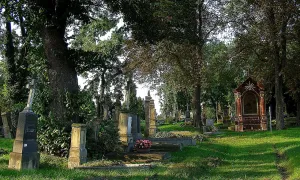
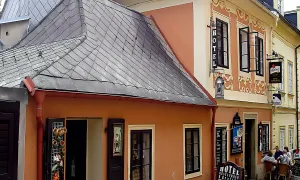
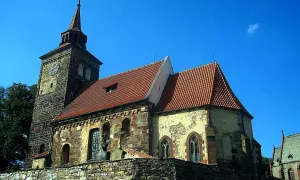
Real photos taken near the monument


Zdroj a licence jsou uvedeny u každého snímku.
Atmosphere of the place
This atmospheric visualisation of the place and period was generated by artificial intelligence. It is not real footage of the location.
Tips from visitors
No tips yet. Be the first!
Log in and add your tip.
Sources and literature
Photos: Richenza / CC BY-SA 3.0, rozlišení zvýšeno umělou inteligencí — Wikimedia Commons. The author and licence also appear when you hover over the image.
Faktickým podkladem tohoto textu byl článek na Wikipedii, jehož autory jsou přispěvatelé Wikipedie. Článek je dostupný pod licencí CC BY-SA 4.0.
Location on the map
More monuments – Louňovice pod Blaníkem
Show all in the municipality
Příběhy a pověsti
Legendy, pověsti a příběhy spjaté s touto památkou
Fotografie návštěvníků
Zatím žádné fotografie. Buďte první, kdo přidá fotografii z návštěvy!
Log in a přidejte svou fotografii nebo hodnoťte.
Za ověřenou návštěvu v aplikaci získáte víc bodů — poznáme podle GPS, že jste na místě.
Reviews and comments