






zámek Napajedla Chateau
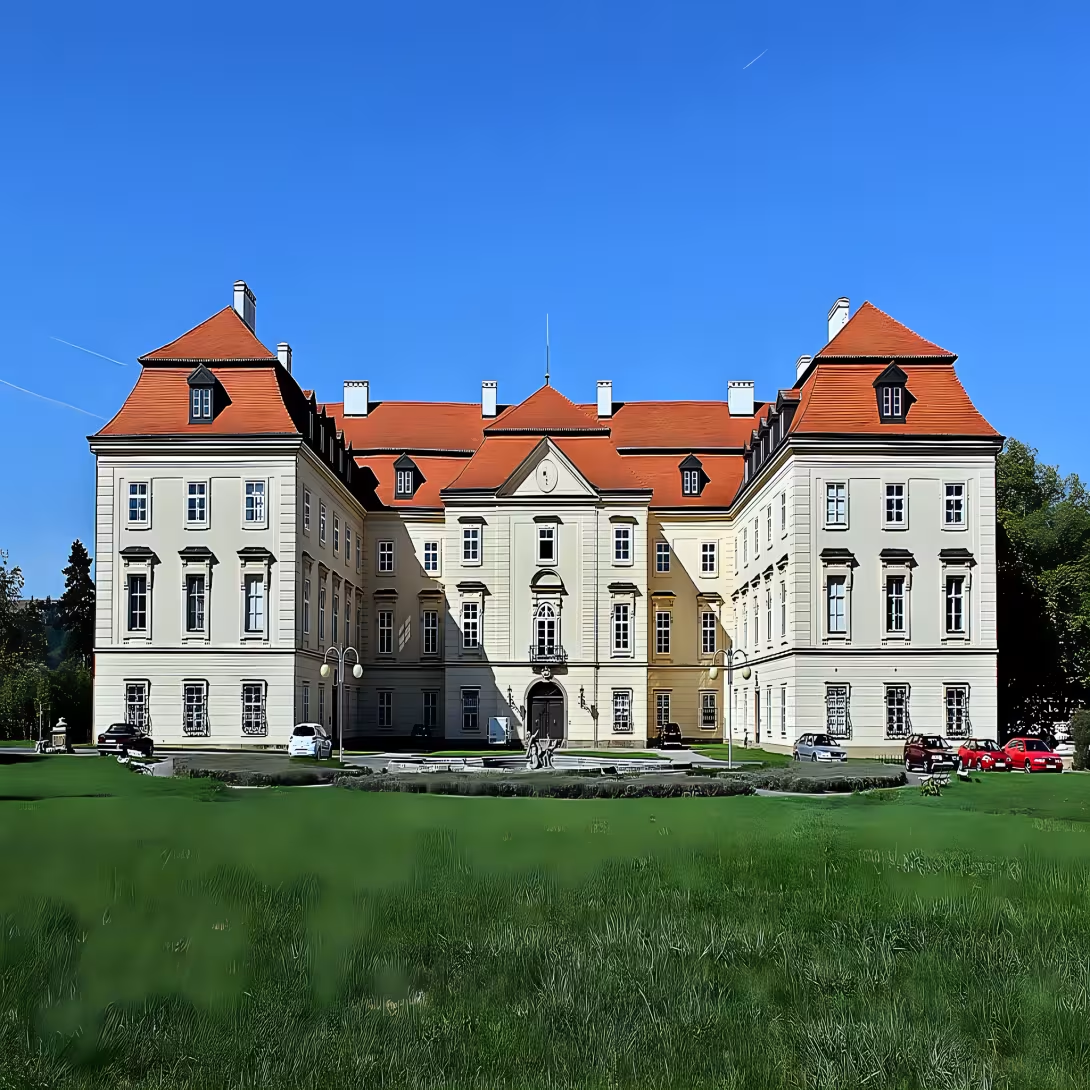
Napajedla Chateau is a prominent architectural feature in Moravian Napajedla, Czech Republic. Built between 1764 and 1769 by architect František Antonín Grimm for Anna Maria z Rottalu, this late Baroque chateau holds historical significance and serves as a hotel and venue for events. The grounds include an expansive park that is a cherished local gathering spot.
The origins of Napajedla Chateau date back to the late 18th century when it was constructed under František Antonín Grimm's guidance, commissioned by Anna Maria z Rottalu. During this period, Bohemia was part of the Habsburg Monarchy, influenced by Enlightenment ideals that emphasized architectural grandeur and cultural refinement. The chateau reflects these influences through its Baroque style, characterized by elaborate designs and a harmonious blend of form and function.
Architecturally, Napajedla Chateau exemplifies late Baroque style with intricate design elements from its initial construction phase (1764-1769). Over time, various owners contributed to its development, each leaving their mark on this historic site. Despite significant damage during World War II when it served as a base for Hitlerjugend, the chateau has been restored and now serves commercial purposes.
Ownership of Napajedla Chateau has changed dramatically over centuries. Initially built for Anna Maria z Rottalu, it later passed through notable families such as the Kobenzls, Stockaus, and Baltazzis. Aristides Baltazzi founded a stud farm in 1886, which remains significant today. In 1935, financial difficulties led to its acquisition by the Baťa company, marking another pivotal chapter in its history. Post-World War II, it became part of Státní podnik Fatra before being purchased by Město Napajedla and later Zámek Napajedla, a.s.
Key events at Napajedla Chateau include the establishment of the stud farm by Aristides Baltazzi in 1886 and its acquisition by the Baťa company in 1935. During World War II, it was used as a base for Hitlerjugend, reflecting its strategic importance during tumultuous times. Post-war, the chateau transitioned to serve cultural and recreational purposes under Státní podnik Fatra.
Today, Napajedla Chateau is not only a protected cultural monument but also an accessible site offering visitors a glimpse into its rich history while providing modern amenities as a hotel. The surrounding park remains open to the public, serving as a popular local gathering spot and venue for cultural events. Visitors are invited to explore this historic site, where they can appreciate both its architectural beauty and its vibrant role in contemporary society.
Napajedla Chateau's enduring legacy is a testament to its historical significance and adaptive reuse over centuries. Its blend of history and modernity makes it an intriguing destination for those interested in exploring the cultural heritage of Moravia. Whether drawn by its architectural elegance or lively events, Napajedla Chateau offers a unique experience that connects past and present.
Then and now
Drag the slider to compare how the landmark may have looked when it was built with the view today.
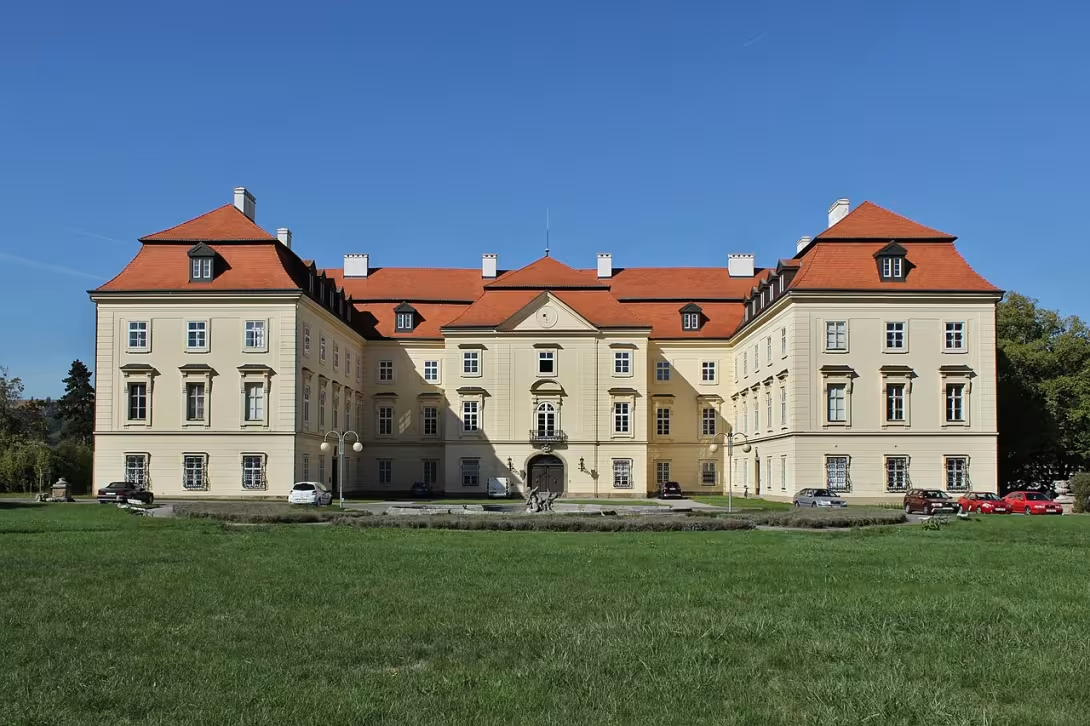

The historical appearance on the left is an AI-generated visualisation and serves as inspiration only.
Historical milestones
- 1769
- Construction of the chateau completed.
- 1886
- Aristides Baltazzi founded a stud farm.
- 1935
- Baťa company acquired the estate.
Architectural development
The chateau was built between 1764 and 1769 by architect František Antonín Grimm. It underwent various ownership changes, each contributing to its development. The site faced significant damage during WWII but has since been restored for commercial use.
Historical events
Construction completed in 1769.
Aristides Baltazzi founded a stud farm in 1886.
Baťa company acquired the estate in 1935.
Owners
Anna Maria z Rottalu (1769)
Rods of Kobenzl, Stockau, Baltazzi
Aristides Baltazzi (1886-1914)
Hraběnka Marie Baltazzi-Stockau (post-1914)
Baťa company (1935 onwards)
Státní podnik Fatra (post-WWII)
Město Napajedla (2000 for Klub kultury)
Zámek Napajedla, a.s. (since 2008)
Points of interest
- Napajedla Chateau's initial construction was completed in just five years, from 1764 to 1769, a remarkably quick project for such an elaborate Baroque structure. - During World War II, the chateau served as a base for Hitlerjugend, which led to significant damage; however, it has since been meticulously restored to its former grandeur. - In 1886, Aristides Baltazzi established a stud farm on the chateau grounds, contributing to Napajedla's reputation in equestrian circles and adding a unique chapter to its history. - The Baťa company acquired Napajedla Chateau in 1935 due to financial difficulties faced by previous owners, marking an unusual transition from aristocratic ownership to corporate hands. - Despite its tumultuous history, the chateau grounds have remained a cherished local gathering spot, with the expansive park hosting cultural events and serving as a vibrant community hub.
Guide
This guide is narrated by a synthetic voice generated by artificial intelligence.
Show guide text
This text was created by artificial intelligence and has not been editorially reviewed. It may contain inaccuracies.
The Napajedla Castle with its extensive castle park belongs to the architectural landmarks of the Moravian town of Napajedla. The entire complex is protected as a cultural monument and is in private ownership.
The late Baroque aristocratic residence was built between 1764 and 1769 for Anna Maria z Rottalu, the owner of the Napajedla estate. The design and supervision of the construction were handled by the Brno architect František Antonín Grimm, while the actual construction was carried out by the Židlochovice master mason Antonín Slováček, called Mates. Construction of the castle continued under the subsequent owners of the estate from the families of Kobenzl, Stockau, and Baltazzi.
Aristides Baltazzi left a significant mark on the history of Napajedla. In 1886, he founded a stud farm here with a breeding of English thoroughbreds, today the most important of its kind in the Czech Republic. After his death in 1914, the castle and estate were taken over by Countess Marie Baltazzi-Stockau, who however lacked the financial means. She owed the Baťa factories over three million crowns of that time, and so in 1935 the Baťa company bought the castle, park, and stud farm, led at that time by Jan Antonín Baťa. The stud farm was then exchanged by the company with the Czechoslovak state for land in Tlumačov. It is often claimed that Baťa wanted to live in the castle. However, company materials show a different intention: a secondary school called Tomášov for the education of leading employees.
During the Second World War, the complex was seized by the Nazis and they billeted a unit of the Hitler Youth there. The retreating Germans devastated the castle considerably. After the war, it became the property of the state enterprise Fatra, which established a cultural and recreational facility for employees there, including among other things a Club of Culture with a theater. The park was opened to the public. Because it lies in the middle of an elongated town, it became not only a shortcut but mainly a place where inhabitants of all generations met, whether for recreation, theater, or sitting in the theater cafe.
After 1989, Fatra found itself in financial difficulties and looked for a buyer. In 2000, the town acquired the Culture Club building, and in 2002 a usufruct was established, which was to require the new owner to respect public access to the park. In 2008, the Zámek Napajedla company bought the complex and began reconstruction and commercial use. In 2009, regular theater cafe operations ended, and in 2010, following a fallen tree by the castle pond, free passage through the park was closed for the first time. Today, the castle serves as a hotel and a venue for social and commercial events.
Tips for visitors
The best time to visit Napajedla Chateau is during the late spring or early autumn months, when the weather is pleasant for exploring both the chateau grounds and the surrounding park. These seasons offer mild temperatures and beautiful natural scenery, making it ideal for a leisurely stroll through the park where cultural events often take place. Additionally, visiting outside of peak tourist season can provide a more tranquil experience, allowing you to appreciate the architectural details without large crowds.
Public transportation options are also accessible, making it convenient for visitors who prefer not to drive.
When planning your visit, remember to bring comfortable walking shoes as there is plenty of ground to cover within the chateau grounds and park. Sunscreen and a hat are advisable if you're visiting during warmer months, while layers might be necessary in cooler weather. A camera or smartphone for capturing photos is recommended, especially since the chateau offers picturesque views that are best photographed during the golden hours of early morning or late afternoon when the light is soft and warm.
For families with children, Napajedla Chateau provides a delightful outing. The expansive park surrounding the chateau is perfect for kids to run around and explore. There are also cultural events that can be both entertaining and educational for young visitors. Make sure to check ahead for any family-friendly activities or guided tours that might be available during your visit.
Photography enthusiasts will find several spots within Napajedla Chateau and its park ideal for capturing stunning images. The chateau's architecture, with its detailed facades and historical charm, is best photographed from the garden side where natural light enhances its features. Early morning or late afternoon visits are recommended to take advantage of the soft lighting conditions that highlight the textures and colors of the building.
Frequently asked questions
Can the monument be visited?
Some buildings of this kind are open for guided tours, others serve another purpose or are privately owned. We have not verified whether and when this monument is open – please ask the operator.
What are the opening hours and admission?
We have not verified the opening hours or admission. Current information is published by the operator. Official website: https://www.zameknapajedla.cz/
Where is the monument?
Location: Zámecká 265, Napajedla, Zlínský kraj. The map on this page shows the exact spot.
Why is the monument protected?
It is listed in the Central List of Cultural Monuments of the Czech Republic as a cultural monument (register no. 39781/7-2001).
Businesses nearby
Do you run a restaurant, accommodation, shop, museum, rental, wellness or other visitor service near this monument? Show yourself directly to the people heading to it — this is how they will see you in the app and on the web:
Nearby
Napajedla Chateau is centrally located within the elongated town of Napajedla. The surrounding park has become a popular local gathering spot and offers cultural events.
Accommodation nearby
Trips and activities nearby
Guided tours, tickets and activities nearby from GetYourGuide
Affiliate link: if you buy from the partner, we may receive a commission. The price for you does not change.
Search tours and activities →Themed route
Tematická výletní trasa zámek Napajedla
1. Zámek Napajedla
Typ: Historický zámek
Proč stojí za návštěvu: Zámek Napajedla je jednou z nejznámějších historických památek v oblasti, nabízející pohled na bohatou historii regionu. Jeho architektura a interiéry přitahují návštěvníky, kteří mají zájem o dějiny českého zemského šlechtictva.
2. Park u Zámku Napajedla
Typ: Městský park
Proč stojí za návštěvu: Park kolem zámku je oblíbeným místem pro setkávání obyvatel i turistů. Slouží jako místo k odpočinku a nabízí kulturní akce, které přinášejí živost do centra města Napajedla.
3. Kaple u Zámku
Typ: Kaple v parkovém prostředí
Proč stojí za návštěvu: Kaple, umístěná v parku u zámku, přidává duchovní a historickou hloubku do procházky. Je to místo klidu a reflexe, které se harmonicky prolíná s přírodním prostředím parku.
4. Věž Zámku Napajedla
Typ: Historická věž
Proč stojí za návštěvu: Věž nabízí jedinečný pohled na obec Napajedla a okolní krajinu. Je to ideální místo pro ty, kteří chtějí ocenit panoramatické výhledy z historických míst.
5. Nádvoří Zámku
Typ: Historické nádvoří
Proč stojí za návštěvu: Nádvoří je centrem zámku, kde se odehrávala mnohá dějepisná událost. Je to místo, které nabízí pohled na architektonickou krásu a historii zámku v kontextu jeho bývalého života.
Tato trasa nabídne návštěvníkům komplexní dojem o kulturním dědictví obce Napajedla, zaměřeném na hlavní památku a její okolí.
Seasonal recommendations
Jaro: In the spring, Chateau Napajedla offers a stunning view of blooming gardens and fresh tree foliage, adding mild temperatures and vibrancy to the atmosphere. During this time, the lighting is soft and sunny, creating ideal conditions for photography. When visiting the chateau, it's recommended to wear clothing suitable for mild temperatures, with the option to add layers on cooler days or evenings. The best time for a visit is early afternoon when crowds are still scarce, allowing you to enjoy peaceful moments.
Léto: In summer, Chateau Napajedla offers a bright sunny atmosphere with long days, making it ideal for family outings. The natural lighting is full and bright, enhancing the lively experience of exploring historic rooms and gardens. Due to large crowds during peak summer season, it's advisable to arrive at the chateau earlier in the morning. This allows you to explore the monument more leisurely and avoid the hottest hours in the shade. Visitors should bring light clothing, sunglasses, and plenty of drinking water.
Podzim: In autumn, Chateau Napajedla offers a tranquil atmosphere with colorful foliage that provides a unique and picturesque view. Sunny afternoons are ideal for tours, while evening lighting shifts to softer and darker hues, adding a romantic touch. During this season, it's advisable to wear layered clothing as temperatures can be variable. The best time for a visit is early afternoon or evening when crowds are avoided, allowing you to enjoy peaceful moments amidst the golden leafy autumn landscape.
Zima: A winter visit to Chateau Napajedla offers a unique atmosphere in mild frost, transforming historical buildings and gardens into a snowy wonderland. The lighting is cool and quiet, adding calmness and harmony to the tour. The chateau may be open for shorter periods during the day due to winter conditions, so it's recommended to visit early afternoon. Visitors should bring warm clothing, including hats and gloves, to avoid the cold.
Visualizations and artistic views


The visualisations are generated by artificial intelligence and serve as inspiration.
Photos from the area
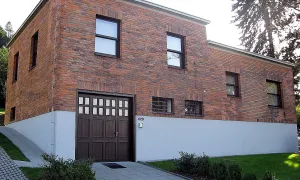
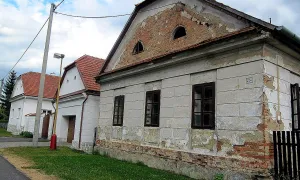
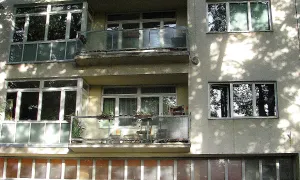
Real photos taken near the monument


Zdroj a licence jsou uvedeny u každého snímku.
Atmosphere of the place
This atmospheric visualisation of the place and period was generated by artificial intelligence. It is not real footage of the location.
Tips from visitors
No tips yet. Be the first!
Log in and add your tip.
Sources and literature
Photos: Jan Polák / CC BY-SA 3.0, rozlišení zvýšeno umělou inteligencí — Wikimedia Commons. The author and licence also appear when you hover over the image.
Faktickým podkladem tohoto textu byl článek na Wikipedii, jehož autory jsou přispěvatelé Wikipedie. Článek je dostupný pod licencí CC BY-SA 4.0.
Location on the map

Příběhy a pověsti
Legendy, pověsti a příběhy spjaté s touto památkou
Fotografie návštěvníků
Zatím žádné fotografie. Buďte první, kdo přidá fotografii z návštěvy!
Log in a přidejte svou fotografii nebo hodnoťte.
Za ověřenou návštěvu v aplikaci získáte víc bodů — poznáme podle GPS, že jste na místě.
Reviews and comments