



zámek Rosice Chateau
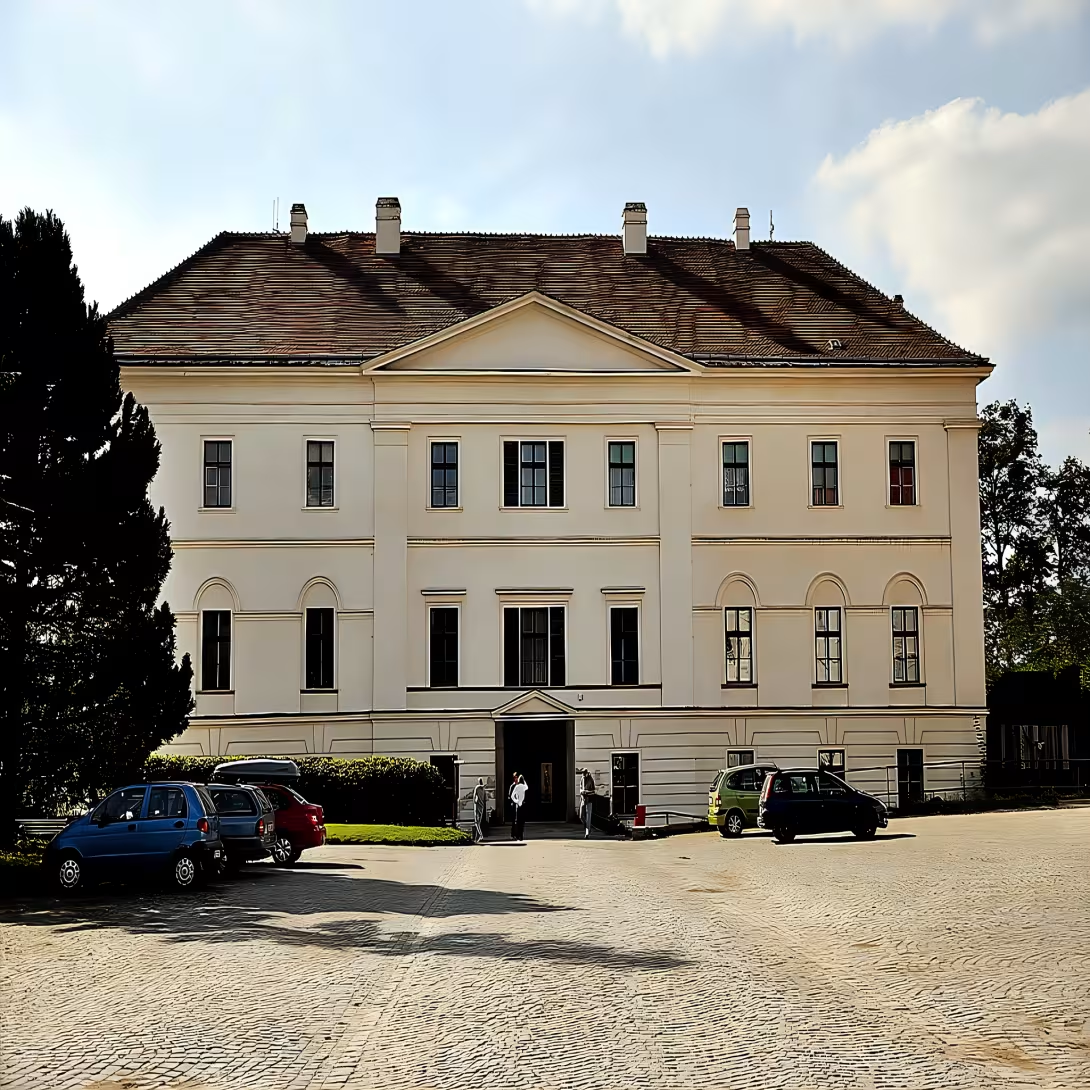
Zámek Rosice is a Renaissance castle in the town of Rosice within the Brno-venkov district. It holds historical significance due to its architectural evolution from a medieval fortress into a grand Renaissance structure. Open to the public since the late 1980s, it has been recognized as a cultural monument since 1964 and was designated a national cultural monument in 2023. The site is notable not only for its rich history but also for its role as a center of culture and administration.
The origins of Zámek Rosice date back to the early 14th century, when it began as a fortress. Historical sources indicate that much of this original structure was destroyed during the Hussite Revolution in the 15th century and subsequently reconstructed. The transformation into its current Renaissance form occurred primarily in the 16th century under Pertold z Lipé's guidance, with further extensive renovations completed by the Žerotínové family.
Architecturally, Zámek Rosice is distinguished by its main building that encircles an arcaded courtyard and features two additional wings forming a second courtyard. The original fortress retained only some cellars and parts of the northern wall, while Renaissance modifications introduced significant changes such as symmetrical layouts and new architectural elements typical of the period.
Ownership of Zámek Rosice has seen dramatic shifts over the centuries. Before World War I, it was owned by Baron Mořic Arnold de Forest. Following the war, state administration took control with Jeroným Marek serving as its administrator until later in the 20th century when the city of Rosice acquired it. This transition marked a new chapter for the castle, leading to its current role within the community.
Throughout its history, Zámek Rosice has been a site of significant events and transformations. The Renaissance period brought architectural changes that aligned with broader European cultural trends, shifting from medieval Gothic styles to more classical forms. In recent decades, it has served various administrative roles, housing entities such as Public Security, Civil Defense, State Forests, and educational institutions.
Today, Zámek Rosice is accessible to visitors who can explore its historical exhibitions and enjoy its role as a community hub. It houses an extended municipal office, a city library, an art school, an amateur theater, and a leisure center. The castle's rich history and architectural beauty make it a worthwhile destination for those interested in cultural heritage.
Zámek Rosice stands as a testament to the region's historical evolution and its enduring significance in contemporary society. Its transformation from a medieval fortress into a Renaissance masterpiece reflects broader European trends while maintaining local uniqueness. Visitors are invited to explore this remarkable site, where history and modernity converge, offering insights into both past and present cultural landscapes.
Then and now
Drag the slider to compare how the landmark may have looked when it was built with the view today.
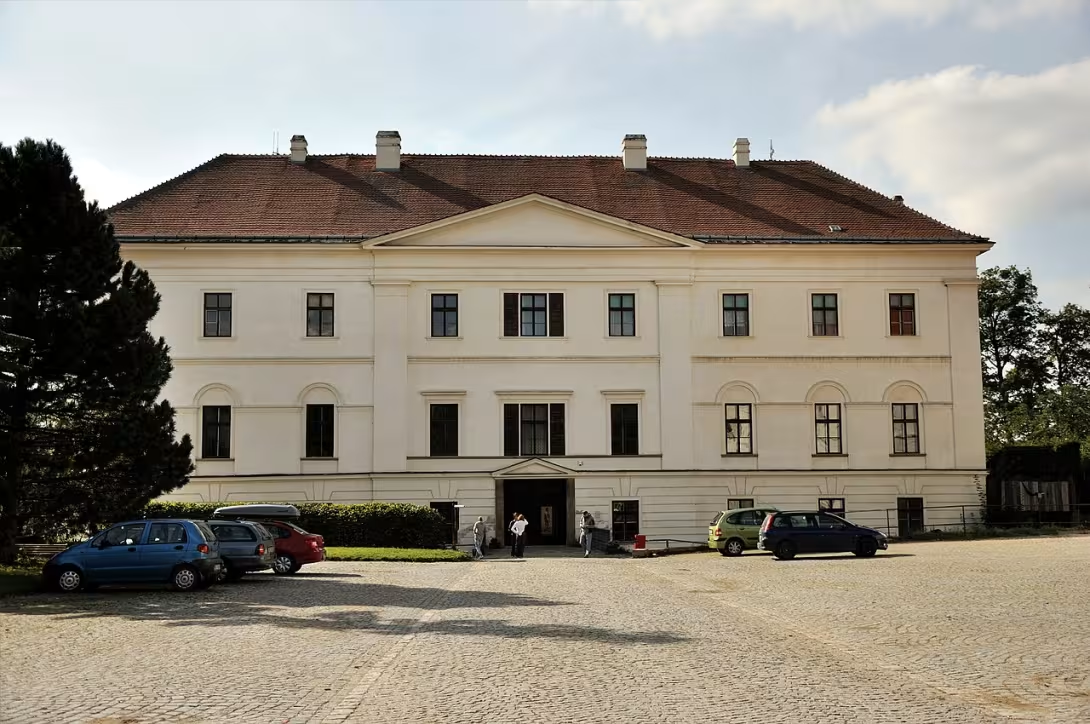
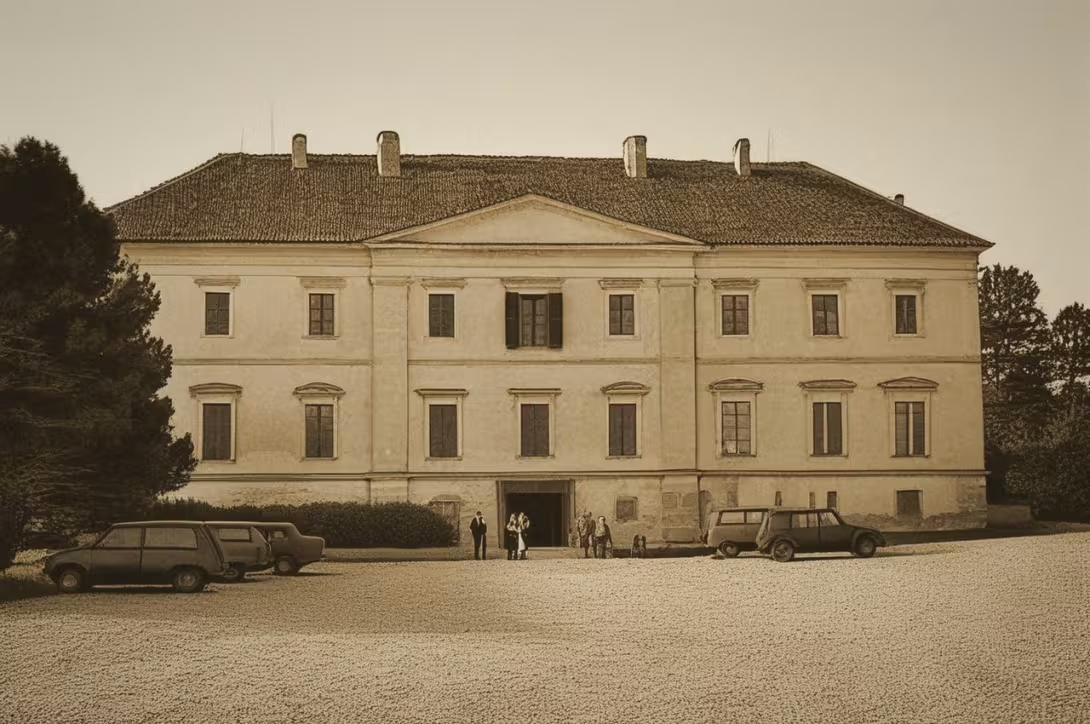
The historical appearance on the left is an AI-generated visualisation and serves as inspiration only.
Historical milestones
- c. 1300
- Founding of Rosice Castle as a fortress.
- 15th century
- Destruction during the Hussite Revolution and subsequent reconstruction.
- 16th century
- Transformation into a Renaissance castle under Pertold of Lipé's leadership.
- 1964
- Designation as a cultural monument.
- late 1980s
- Opening to the public.
- 2023
- Designation as a national cultural monument.
Architectural development
Zámek Rosice's architectural evolution began as a fortress in the early 14th century. It was transformed into a Renaissance castle during the 16th century, featuring significant modifications such as an arcaded courtyard and additional wings. The original structure retained only some cellars and parts of the northern wall.
Historical events
The original fortress from the early 14th century was largely destroyed during the Hussite Revolution in the 15th century and subsequently reconstructed.
In the 16th century, initial Renaissance modifications were initiated by Pertold z Lipé, with extensive renovations completed by the Žerotínové family.
Owners
The estate of Rosice, including the castle, was owned by Baron Mořic Arnold de Forest before World War I. Afterward, it came under state administration with Jeroným Marek as its administrator until the city of Rosice acquired it later in the 20th century.
Points of interest
- The castle's transformation from a medieval fortress to a Renaissance structure was heavily influenced by Pertold z Lipé in the 16th century, reflecting broader European cultural shifts towards more classical architectural styles.
- During its history, Zámek Rosice has served various roles beyond being a residence; it housed administrative entities like Public Security and Civil Defense, which is unusual for a castle that primarily symbolizes aristocratic power.
- The Žerotínové family played a crucial role in the extensive renovations of Zámek Rosice during its evolution into a Renaissance masterpiece, adding symmetrical layouts and new architectural elements typical of the period.
- Before World War I, Baron Mořic Arnold de Forest owned Zámek Rosice, marking it as one of the few castles that transitioned from noble ownership to state administration post-war, eventually becoming part of the community's infrastructure.
- The castle's arcaded courtyard and dual-wing design are unique architectural features that highlight its evolution from a simple medieval structure into a complex Renaissance edifice, showcasing local adaptations of broader European trends.
Guide
This guide is narrated by a synthetic voice generated by artificial intelligence.
Show guide text
This text was created by artificial intelligence and has not been editorially reviewed. It may contain inaccuracies.
Castle Rosice stands above the confluence of the Bobrava and Říčanský Stream, in the town of Rosice near Brno. It is a Renaissance building, but one with much older roots. Since 1964 it has been a cultural monument, and in 2023 it became a national cultural monument.
It is assumed that a smaller feudal residence already existed here in the 13th century. In the 14th century, the Hecht family built a Gothic castle in its place. In the 15th century, the castle suffered during the Hussite revolution and was subsequently repaired. However, only little of this medieval castle has survived to the present day, mainly the cellars and part of the perimeter wall on the northern edge of the building.
The appearance of the castle was mainly determined by the Renaissance. Pertold z Lipé initiated the first modifications in the 16th century, and the Žerotín family completed extensive renovations. The result was a two-storey main building and three new wings around the second courtyard. The eastern one was demolished in the 19th century.
The main building still surrounds the first, arcaded courtyard on all sides. A moat separates it from the surrounding area, with two bridges crossing it. The northern bridge leads to the honour garden of the castle park, the eastern one to the second courtyard. Two separately standing newer wings border it. The southern wing is L-shaped and the northern one is its mirror image.
The castle was formerly the centre of the Rosice estate. Before the First World War, Baron Mořic Arnold de Forest acquired it together with the Veveří estate. In 1919, the Ministry of Agriculture imposed forced administration on the Rosice estate, which was exercised by administrator Jeroným Marek.
In the second half of the 20th century, the castle served administrative offices and other institutions. Public security, civil defence, state forests, special and kindergarten schools, geodesy, and the municipal library were all housed here. At the end of the 20th century, the town of Rosice acquired the castle, initiated its reconstruction, and gradually opened it to the public. Today there is an exhibition and historical display. The castle is also home to the municipal office, library, art school, amateur theatre, and leisure centre.
From 1992 to 2016, the castle served as a setting for the medieval festival Knights' Tournament for the Hearts of Maidens and Ladies.
Tips for visitors
The best time to visit Zámek Rosice is during the late spring or early autumn months, from May to September. During these periods, the weather is typically mild and pleasant, making it ideal for exploring both the castle grounds and the surrounding natural landscapes. Additionally, visiting in this timeframe allows you to enjoy outdoor events that often take place at the castle, such as cultural festivals or historical reenactments, enhancing your experience.
Parking and transportation options are convenient for visitors to Zámek Rosice. There is parking available near the site, making it accessible by car. For those preferring public transport, you can reach the castle using regional buses that connect nearby towns to Rosice. It's advisable to check current bus schedules online or at local travel centers before your visit to ensure a smooth journey.
When planning your visit to Zámek Rosice, consider bringing comfortable walking shoes and weather-appropriate clothing, as you'll likely spend time exploring both the castle interiors and its expansive grounds. A camera is recommended for capturing the stunning architecture and scenic views, especially during golden hour when the light beautifully illuminates the structures.
For photography enthusiasts, some of the best spots at Zámek Rosice include the main courtyard and the gardens surrounding the castle. These areas offer picturesque backdrops with the confluence of the Bobrava and Říčanský potok rivers adding to the charm. Early morning or late afternoon light provides a soft glow that enhances the historical ambiance, making these times ideal for photography.
Nearby attractions within 30 minutes include the charming town of Rosice itself, which offers quaint shops and local eateries. For those interested in further exploring the region's history and nature, consider visiting the nearby natural reserves or taking a short drive to explore other historical sites in the Brno-venkov district.
Frequently asked questions
Can the monument be visited?
Yes. We verified the opening hours or admission on the official website (7. 10. 2026); you will find them in the visitor information on this page. Please double-check with the operator before you travel.
What are the opening hours and admission?
Details verified on the official website (7. 10. 2026) are listed in the visitor information on this page. Official website: https://zamek-rosice.cz
Where is the monument?
Location: Žerotínovo náměstí 1, Rosice, Jihomoravský kraj. The map on this page shows the exact spot.
Why is the monument protected?
It is listed in the Central List of Cultural Monuments of the Czech Republic as a national cultural monument (register no. 28272/7-941).
Businesses nearby
Do you run a restaurant, accommodation, shop, museum, rental, wellness or other visitor service near this monument? Show yourself directly to the people heading to it — this is how they will see you in the app and on the web:
Nearby
Zámek Rosice is situated at the confluence of the Bobrava and Říčanský potok rivers, surrounded by natural landscapes that enhance its historical ambiance.
Accommodation nearby
Trips and activities nearby
Guided tours, tickets and activities nearby from GetYourGuide
Affiliate link: if you buy from the partner, we may receive a commission. The price for you does not change.
Search tours and activities →Themed route
Thematic Vltour: Exploring the Historical and Natural Charm of Zámek Rosice
1. Zámek Rosice (Castle) - Type: Historic Castle - Why Visit: Begin your journey at Zámek Rosice, a stunning castle with deep historical roots dating back to the 13th century. Its architecture reflects various periods, offering visitors a glimpse into its rich past and evolution over centuries.
2. Confluence of Bobrava and Říčanský Potok Rivers - Type: Natural Landmark - Why Visit: Just outside the castle walls, explore the serene confluence where the Bobrava and Říčanský potok rivers meet. This natural setting enhances the historical ambiance of Zámek Rosice, providing a picturesque backdrop perfect for photography or a peaceful walk.
3. Castle Park - Type: Landscape Garden - Why Visit: Stroll through the expansive castle park, which offers beautifully maintained gardens and walking paths. The park is an ideal place to relax and enjoy the tranquility of nature while appreciating the castle's majestic presence in the distance.
4. Zámek Rosice Nádvoří (Castle Courtyard) - Type: Architectural Feature - Why Visit: Explore the castle courtyard, a central feature that showcases the architectural grandeur and historical significance of Zámek Rosice. The courtyard provides insight into the daily life within the castle walls during its peak.
5. Zámek Rosice Tower - Type: Historical Structure - Why Visit: Conclude your visit with an ascent to the tower, offering panoramic views of the surrounding landscape and the confluence of rivers below. The tower provides a unique perspective on the castle's strategic location and its historical importance.
This thematic tour combines history, architecture, and nature, providing a comprehensive experience of Zámek Rosice and its immediate surroundings.
Seasonal recommendations
Spring: The arrival of spring at Zámek Rosice is marked by a vibrant transformation as nature awakens, with blooming flowers and lush greenery enhancing the castle's picturesque surroundings. The soft, warm light of longer days casts a gentle glow over the landscape, creating an inviting atmosphere for exploration. Visitors are advised to dress in layers to accommodate fluctuating temperatures typical of this season. While crowds can still be present during weekends, weekdays often offer a more tranquil experience. Early morning visits are recommended to enjoy the site with fewer people and capture the serene beauty of spring.
Summer: Summer at Zámek Rosice is characterized by long daylight hours and warm weather, ideal for leisurely strolls through the castle grounds and enjoying outdoor activities. The lush gardens come alive with a variety of flowers in full bloom, providing a stunning backdrop to historical tours. This season sees the highest visitor numbers, especially during weekends and holidays, so arriving early or visiting on weekdays can help avoid larger crowds. Comfortable walking shoes and light clothing are recommended due to the warm temperatures, along with sun protection such as hats and sunscreen.
Autumn: Autumn brings a magical transformation to Zámek Rosice, with vibrant foliage turning the landscape into a kaleidoscope of reds, oranges, and yellows. The cooler weather makes for pleasant exploration of the castle's interiors and grounds without the summer heat. This season offers a quieter experience compared to summer, though weekends can still be busy. Visitors should dress in warm layers as temperatures drop, especially later in the day. Late afternoon visits are particularly enchanting when the setting sun casts golden hues over the autumn leaves.
Winter: Winter at Zámek Rosice presents a serene and picturesque scene, with snow potentially blanketing the grounds and adding a fairy-tale quality to the historic site. The shorter days mean that visiting hours are limited, so planning ahead is essential. Inside the castle, exhibitions and tours provide warmth and insight into its rich history. Visitors should dress warmly in layers, including hats, gloves, and sturdy boots, as temperatures can be quite cold. Winter mornings often offer a peaceful experience with fewer visitors, allowing for a more intimate encounter with the castle's winter charm.
Visualizations and artistic views


The visualisations are generated by artificial intelligence and serve as inspiration.
Photos from the area
Real photos taken near the monument


Zdroj a licence jsou uvedeny u každého snímku.
Tips from visitors
No tips yet. Be the first!
Log in and add your tip.
Sources and literature
Photos: Lucie Pauzová / CC BY-SA 3.0, rozlišení zvýšeno umělou inteligencí — Wikimedia Commons. The author and licence also appear when you hover over the image.
Faktickým podkladem tohoto textu byl článek na Wikipedii, jehož autory jsou přispěvatelé Wikipedie. Článek je dostupný pod licencí CC BY-SA 4.0.
Location on the map


Příběhy a pověsti
Legendy, pověsti a příběhy spjaté s touto památkou
Fotografie návštěvníků
Zatím žádné fotografie. Buďte první, kdo přidá fotografii z návštěvy!
Log in a přidejte svou fotografii nebo hodnoťte.
Za ověřenou návštěvu v aplikaci získáte víc bodů — poznáme podle GPS, že jste na místě.
Reviews and comments