






zámek Škrle Chateau
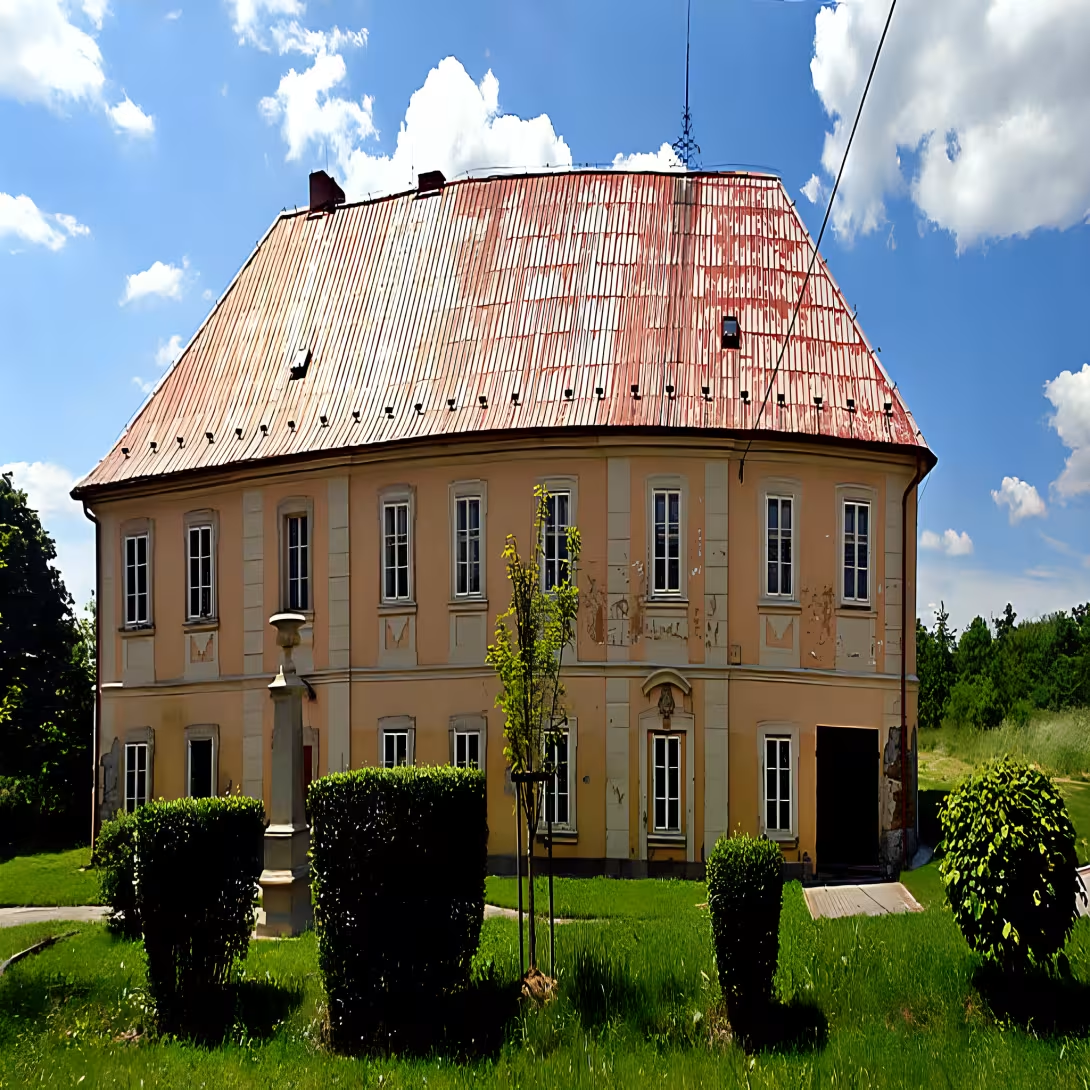
Zámek Škrle is a baroque castle located in the village of Škrle, about ten kilometers southeast of Chomutov. Built in 1730 on the site of an older fortress by Cistercian monks from Osek Monastery, it served as a summer residence for their abbot. This historical monument stands out not only for its architectural style but also for its rich history and cultural significance. The castle is protected as a cultural monument due to its unique baroque architecture and the role it played in regional development.
The origins of Zámek Škrle trace back to the 13th century when the village was part of the Cistercian monastery's holdings in Osek. The original fortress disappeared during the Thirty Years' War, leading to the construction of the baroque chateau by the monks in 1730. This period marked significant cultural and architectural developments across Bohemia, then under Habsburg rule, reflecting broader European trends in art and architecture.
Architecturally, Zámek Škrle is a single-story building with vaulted ceilings on the ground floor and flat ceilings above. The main facade originally had five window axes but was later expanded symmetrically to include four additional windows on each side of the structure. Designed by Jakub Schwarz, the castle's baroque style is evident in its elegant proportions and decorative elements. In 1841, under Abbot Salesius Krügner, the castle underwent expansion while maintaining its original architectural integrity.
Ownership transitioned from the Cistercian monks to the local municipality in 1875. The municipality repurposed it for educational and administrative functions, establishing a school that operated until the 1920s. Later, up until 1960, the local national committee used the castle for offices and housing. Over time, however, the structure fell into disrepair, prompting interior renovations in the 1980s and facade repairs in 1999.
Throughout its history, Zámek Škrle has witnessed various changes in ownership and function, reflecting broader socio-political shifts in the region. Its transformation from a monastic summer residence to a municipal building underscores its adaptability and enduring presence in local heritage. Today, visitors can explore this cultural monument, appreciating its architectural beauty and historical significance.
Zámek Škrle remains an important site for those interested in baroque architecture and regional history. While it may not be as grand as some other castles, its unique story and preserved features make it a worthwhile visit. The castle offers insights into the cultural and architectural evolution of the area, inviting visitors to step back in time and experience a piece of Bohemia's rich heritage.
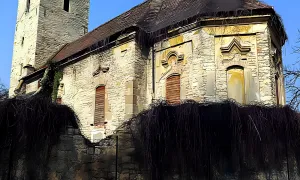
Then and now
Drag the slider to compare how the landmark may have looked when it was built with the view today.
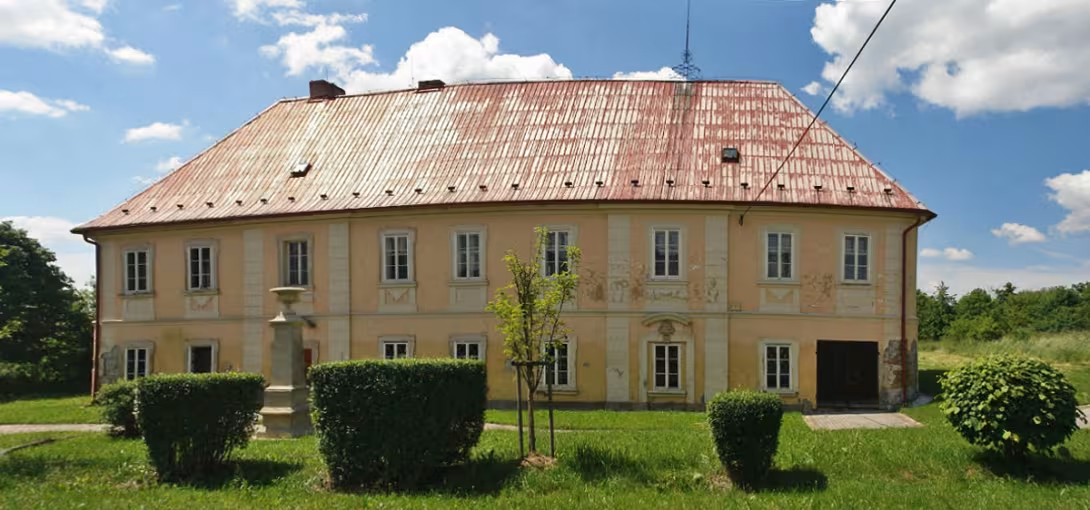

The historical appearance on the left is an AI-generated visualisation and serves as inspiration only.
Historical milestones
- 13.0
- The founding of the original fortress under the Cistercians from Osek.
- 1730
- Construction of the Baroque Škrle Castle.
- 1841
- Expansion of the castle under the leadership of Abbot Salesius Krügner.
- 1875
- The property is transferred to the local municipality.
- 1920
- Cessation of school operations in the castle.
- 1980
- Renovation of the interior of the castle.
Architectural development
Zámek Škrle began as a baroque structure designed by Jakub Schwarz, featuring a single-story layout with a ground floor vaulted ceiling and a flat-ceiling upper floor. The main facade originally had five window axes, later expanded symmetrically. The castle underwent significant expansion in 1841 while preserving its original style.
Historical events
In 1730, the Cistercian monks built a baroque chateau on the site of an older fortress.
The castle was expanded in 1841 under Abbot Salesius Krügner.
Owners
The Cistercian monks from Osek Monastery owned the castle until 1875, after which it was purchased by the local municipality. The municipality used it for educational purposes and administrative offices before it fell into disrepair in the late 20th century.
Points of interest
- One lesser-known fact about Zámek Škrle is that it was originally constructed on the site of an older fortress that disappeared during the Thirty Years' War. This historical context adds a layer of intrigue to its origins and construction.
- A surprising element of the castle's history is its architectural evolution, particularly under Abbot Salesius Krügner in 1841. The expansion maintained the original baroque style while adapting it for new uses, showcasing an interesting blend of preservation and innovation.
- An intriguing aspect of Zámek Škrle's legacy is its transition from a monastic summer residence to serving educational and administrative purposes by the local municipality starting in 1875. This shift highlights the castle’s adaptability over centuries.
- The castle has undergone several renovations, with significant interior updates in the 1980s and facade repairs completed in 1999. These efforts reflect ongoing community interest in preserving its historical and architectural value despite periods of disrepair.
- Zámek Škrle's journey through various ownerships—from Cistercian monks to local governance—mirrors broader socio-political changes in the region, making it a microcosm of Bohemian history.
Guide
This guide is narrated by a synthetic voice generated by artificial intelligence.
Show guide text
This text was created by artificial intelligence and has not been editorially reviewed. It may contain inaccuracies.
Škrle is a village less than ten kilometers southeast of Chomutov. A Baroque castle stands there, which was built by Cistercian monks from the Osek monastery in place of an older fortified structure. Today it is protected as a cultural monument.
The village belonged to the Osek monastery already from the thirteenth century. When exactly the local fortified structure was built is not known. In 1580 the Osek monastery was temporarily closed and its property came under the administration of the Prague archbishopric. During the Estates' Revolt, Škrle fell into the hands of the nobility. In the years 1620 to 1621 it was owned by Bohuslav of Michalovic. The first written mention of the fortified structure dates from 1621. At that time it was confiscated from Bohuslav for his participation in the revolt and returned to the monastery. According to the tax roll from 1654, the villages of Zálezly, Vysočany, Lažany, Hošnice, Bylany and Vtelno belonged to the monastery estate in Škrle.
The fortified structure disappeared during the Thirty Years' War. In its place, the Osek abbot Březina had a Baroque small castle built, which was to serve as a summer abbot's residence. The construction was carried out by the builder Jakub Schwarz from Ústí nad Labem. The year 1730 is usually given, but according to Zdena Binterová the castle was built only in the middle of the eighteenth century. In 1841 it was expanded under Abbot Salesius Krügner in such a way that its original Baroque style was preserved.
In 1850 Škrle became an independent municipality. In 1875 the municipality bought the castle from the monastery and established a school in it, which was closed in the nineteen twenties. Later the local national committee used the building until 1960, in which it had established offices and apartments. In the second half of the twentieth century the castle fell into disrepair. In the eighties the interiors, facades and windows were repaired until 1999.
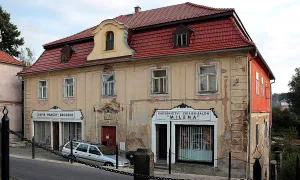
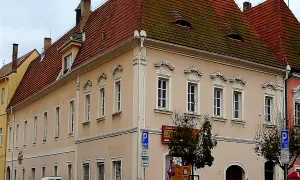
The castle is a single-story building on an L-shaped ground plan. The facade originally had five window axes. Later four more were added symmetrically, two on each side. Above the entrance is the abbot's coat of arms and the date 1730. The ground floor has barrel-vaulted ceilings, the upper floor has flat ceilings. The castle once had farm buildings attached to it, but these have not been preserved.
Tips for visitors
The best time to visit Zámek Škrle is during the late spring or early autumn months, when the weather is pleasant and the surrounding landscape of rolling hills and lush greenery is at its most beautiful. During these times, you can enjoy outdoor activities without the discomfort of summer heat or winter cold. Additionally, visiting outside peak tourist seasons may offer a more serene experience with fewer crowds.
It is recommended to verify current schedules and routes using a local transport app or website to ensure smooth travel.
When planning your visit, it's wise to bring comfortable walking shoes as exploring the castle grounds and surrounding villages can involve some walking on uneven paths. Additionally, consider bringing a camera for capturing the picturesque views of the baroque architecture against the rural backdrop. Sunscreen and hats are advisable if visiting during warmer months, while layers or a light jacket might be necessary in cooler weather.
Photography enthusiasts will find several spots around Zámek Škrle ideal for capturing its beauty. The castle's façade is best photographed during the golden hours of early morning or late afternoon when the sunlight enhances the baroque details. For landscape shots, consider exploring the nearby villages like Lažany and Hošnice, where natural light can beautifully illuminate the historical architecture against rural settings.
For families with children visiting Zámek Škrle, there are several activities to keep young ones entertained. The open spaces around the castle provide a great opportunity for kids to run and explore. Nearby villages such as Vtelno offer quaint streets and local shops that can be interesting to explore. Additionally, the natural surroundings make it ideal for a family picnic or a leisurely walk through the countryside.
Frequently asked questions
Can the monument be visited?
Some buildings of this kind are open for guided tours, others serve another purpose or are privately owned. We have not verified whether and when this monument is open – please ask the operator.
What are the opening hours and admission?
We have not verified the opening hours or admission. Current information is published by the operator.
Where is the monument?
Location: Škrle č.p. 1, Bílence, Ústecký kraj. The map on this page shows the exact spot.
Why is the monument protected?
It is listed in the Central List of Cultural Monuments of the Czech Republic as a cultural monument (register no. 15019/5-446).
Businesses nearby
Do you run a restaurant, accommodation, shop, museum, rental, wellness or other visitor service near this monument? Show yourself directly to the people heading to it — this is how they will see you in the app and on the web:
Events nearby

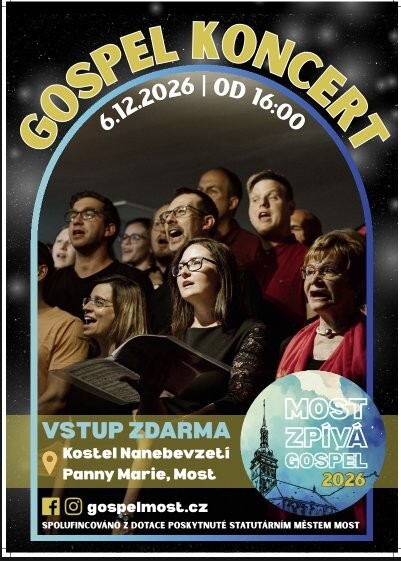
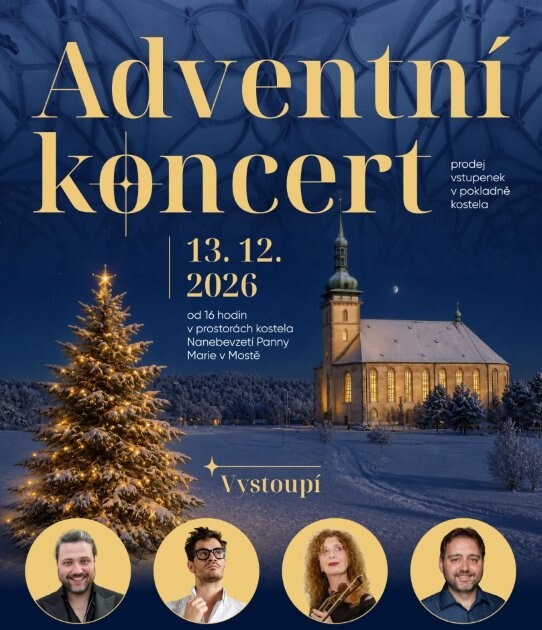
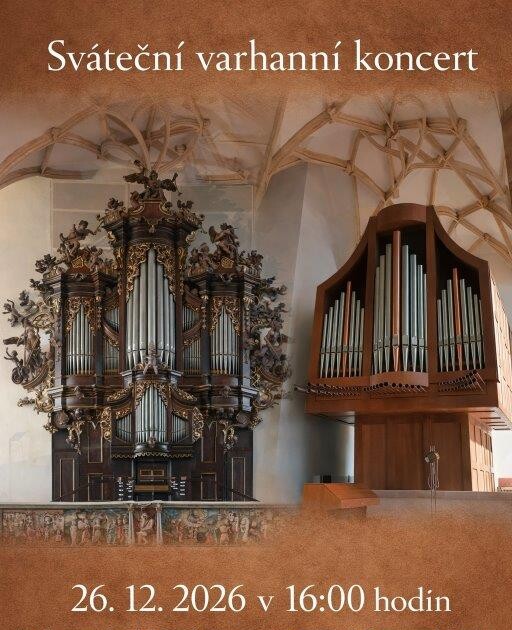
Zdroj akcí: otevřená data měst a obcí ČR (Národní katalog otevřených dat) a kalendář akcí Národního památkového ústavu.
Nearby
The surrounding landscape of Zámek Škrle includes several villages such as Zálezly, Vysočany, Lažany, Hošnice, Bylany, and Vtelno. The area is characterized by its rural setting with historical ties to the Cistercian monastery.
Accommodation nearby
Themed route
Thematic Tour Itinerary: Zámek Škrle and Surroundings
1. Zámek Škrle (Castle) - Type: Historical Castle - Why Visit: Begin your journey at the heart of this tour, Zámek Škrle, a stunning example of architectural evolution with roots in the Cistercian monastery era. Explore its rich history and enjoy panoramic views from its towers that offer insights into the rural landscape's past.
2. Vtelno (Village) - Type: Historical Village - Why Visit: A short drive or walk from Zámek Škrle, Vtelno is known for its traditional architecture and serene atmosphere. It offers a glimpse into the local culture and lifestyle that has remained unchanged over centuries.
3. Hošnice (Village) - Type: Village with Historical Significance - Why Visit: Hošnice presents an opportunity to delve deeper into the area's history, showcasing well-preserved structures and landscapes tied to its Cistercian heritage. It’s a perfect spot for those interested in rural architecture.
4. Bylany (Village) - Type: Rural Village - Why Visit: Known for its picturesque setting amidst rolling hills, Bylany offers a peaceful retreat with charming cottages and lush greenery, ideal for nature lovers looking to relax after exploring historical sites.
5. Lažany (Village) - Type: Historical Village - Why Visit: Conclude your tour in Lažany, where the blend of natural beauty and historical architecture provides a tranquil end to your journey. The village’s connection to the Cistercian monastery adds depth to its cultural significance.
This itinerary offers a balanced exploration of Zámek Škrle's rich history and the charming villages that surround it, providing insights into the region's heritage and natural beauty.
Seasonal recommendations
Spring: Visiting Škrle Castle during spring offers a delightful experience as the surrounding landscape bursts into life with vibrant colors from blooming flowers and fresh greenery, creating an enchanting atmosphere perfect for photography enthusiasts. The gentle warmth of the sun enhances the natural beauty, making it an ideal time to explore the castle grounds at a leisurely pace. Visitors should dress in layers, as temperatures can vary throughout the day, and consider bringing a light jacket or sweater for cooler mornings and evenings. The spring period tends to attract fewer tourists than summer, allowing for a more relaxed visit.
Summer: Summer is the peak season for visiting Škrle Castle, characterized by long daylight hours that provide ample time to explore both the castle's rich history and its picturesque surroundings. The lush greenery and warm weather create an inviting atmosphere, making it perfect for outdoor activities such as picnicking in the gardens or taking a leisurely walk along nearby trails. However, visitors should be prepared for larger crowds, especially on weekends and holidays, so arriving early is advisable to avoid peak times. Comfortable walking shoes and light clothing are recommended, along with sun protection like hats and sunscreen.
Autumn: Autumn at Škrle Castle offers a magical experience as the foliage transforms into a stunning palette of reds, oranges, and yellows, creating a picturesque backdrop for visitors. The cooler temperatures make it an ideal time to explore without the summer heat, providing a more comfortable environment for walking around the castle grounds. This season often sees fewer tourists than summer, allowing for a quieter visit where one can fully appreciate the serene beauty of the landscape. Visitors should dress warmly and consider bringing a light jacket or sweater, as evenings can be quite chilly.
Winter: Winter transforms Škrle Castle into a tranquil retreat with its snow-covered grounds offering a unique and peaceful atmosphere, ideal for those seeking a quiet escape from the hustle and bustle of city life. The castle's architecture takes on an ethereal quality under a blanket of snow, making it a picturesque destination for winter photography enthusiasts. Warm clothing is essential, including thermal layers, gloves, and hats, to ensure comfort during the visit. It's also advisable to check ahead for any seasonal closures or special events that might affect your plans.
Visualizations and artistic views


The visualisations are generated by artificial intelligence and serve as inspiration.
Photos from the area
Real photos taken near the monument


Zdroj a licence jsou uvedeny u každého snímku.
Tips from visitors
No tips yet. Be the first!
Log in and add your tip.
Sources and literature
Photos: KarelTvrdik / CC BY-SA 3.0, rozlišení zvýšeno umělou inteligencí — Wikimedia Commons. The author and licence also appear when you hover over the image.
Faktickým podkladem tohoto textu byl článek na Wikipedii, jehož autory jsou přispěvatelé Wikipedie. Článek je dostupný pod licencí CC BY-SA 4.0.
Location on the map

Příběhy a pověsti
Legendy, pověsti a příběhy spjaté s touto památkou
Fotografie návštěvníků
Zatím žádné fotografie. Buďte první, kdo přidá fotografii z návštěvy!
Log in a přidejte svou fotografii nebo hodnoťte.
Za ověřenou návštěvu v aplikaci získáte víc bodů — poznáme podle GPS, že jste na místě.
Reviews and comments