



Zámek Stěžery Chateau
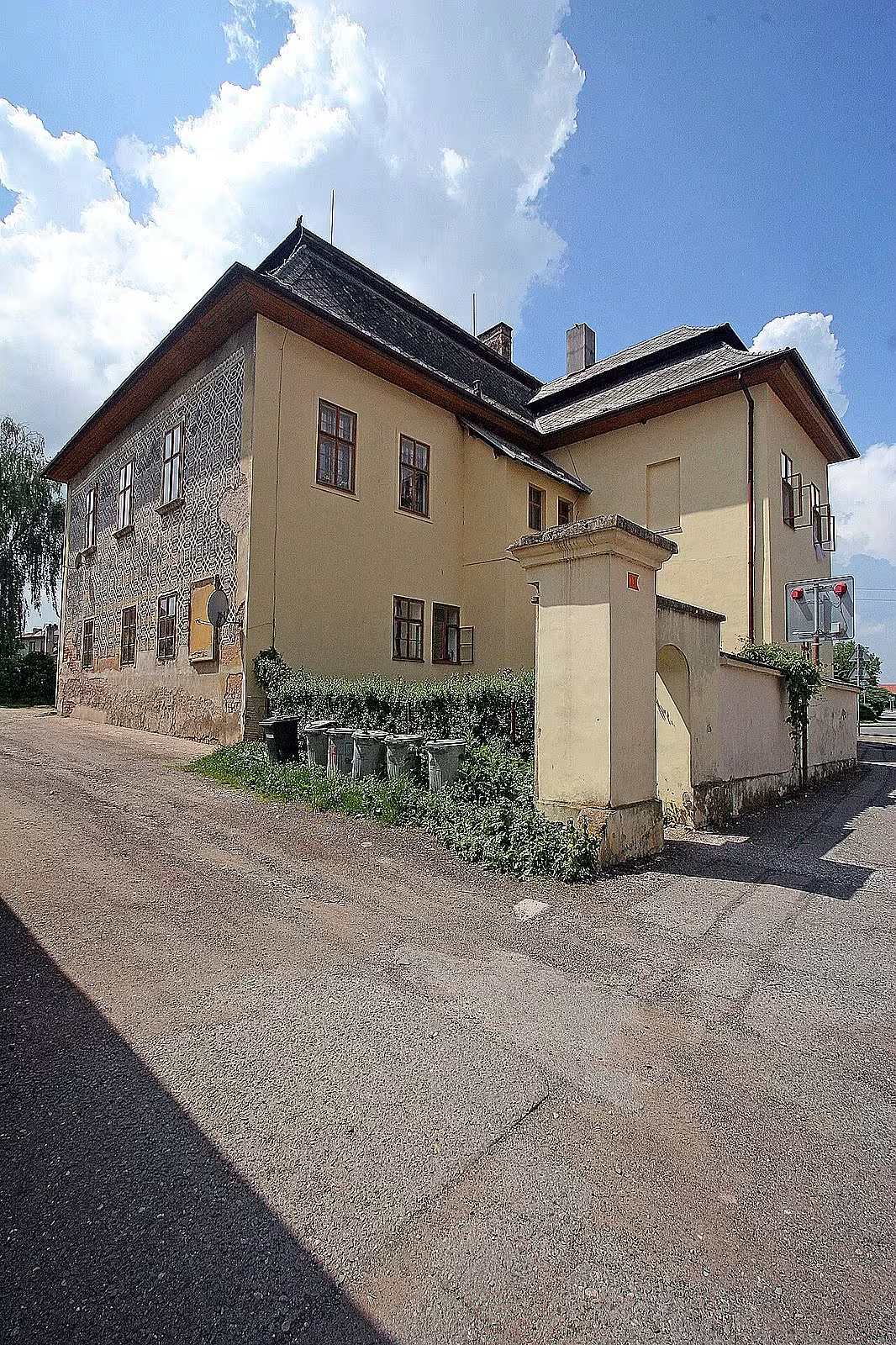
Zámek Stěžery is a Renaissance castle located in the village of Stěžery, near Hradec Králové. It holds historical significance and showcases architectural evolution. Originally built as a fortress in the 17th century, it has undergone various transformations reflecting different styles over time. Today, Zámek Stěžery serves practical purposes such as housing apartments and a post office while retaining cultural importance due to its rich history.
The origins of Zámek Stěžery trace back to the mid-16th century when Felix Pravětický z Pravětic commissioned the construction of a Renaissance fortress. Initially part of the Opatsko monastery's possessions, it became involved in a rebellion against Hradec Králové, leading to its confiscation by the city in 1557. Ownership passed through several hands before Felix Pravětický acquired it in 1551 and initiated its construction as a fortress. By the mid-17th century, records indicate that the structure had evolved into a more substantial stone castle with shingle roofing.
Architecturally, Zámek Stěžery began as a Renaissance fortress but underwent significant transformations under the Harrach family's ownership in the 17th and 18th centuries. These changes introduced Baroque and Classicist elements, expanding the original structure into a larger edifice. Despite these modifications, remnants of its Renaissance origins are still visible on the rear facade, particularly through surviving sgraffito decorations.
Throughout its history, Zámek Stěžery has seen various owners who have influenced its development. After Felix Pravětický's initial construction, it eventually became part of the Harrach family holdings in 1653. The Harrachs were instrumental in expanding and renovating the castle, notably under Arnošt Kryštof Harrach in the early 19th century, who transformed it into a summer residence. In the late 19th century, the castle housed an advanced domestic science school, marking another significant chapter in its history.
The castle has witnessed several key events that have shaped its narrative. It suffered damage during the Prussian Wars in 1745 and was further impacted by peasant uprisings in 1775. Following World War II, Zámek Stěžery was nationalized under the Beneš Decrees but eventually returned to municipal ownership after a series of legal challenges.
Today, Zámek Stěžery stands as a testament to its varied past, serving both residential and administrative functions for the local community. Its historical layers and architectural features make it an intriguing site for visitors interested in exploring the evolution of Czech heritage. The castle's blend of practical use and cultural significance invites those curious about history to discover more about this remarkable monument nestled in the rural landscape near Hradec Králové.
Then and now
Drag the slider to compare how the landmark may have looked when it was built with the view today.
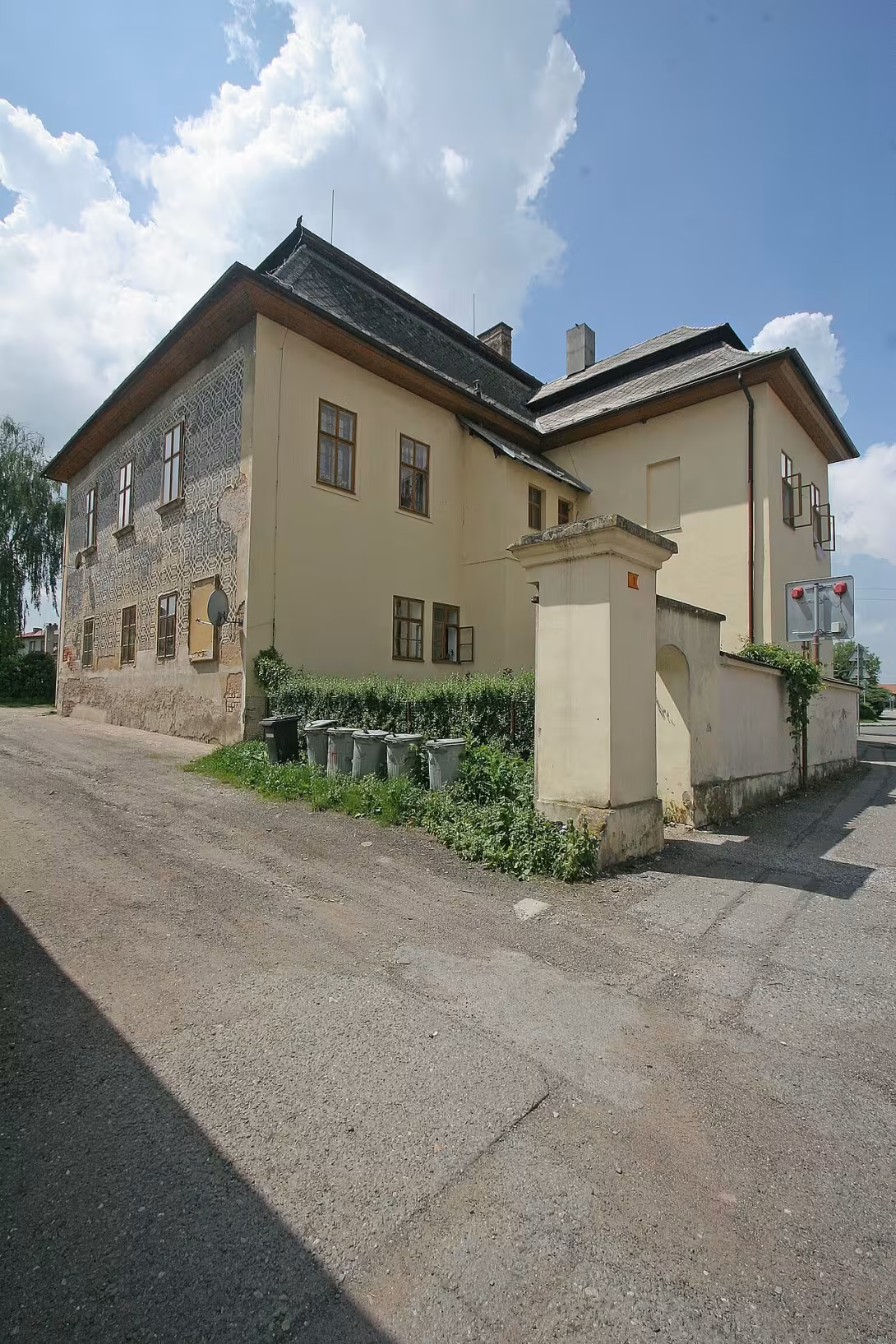
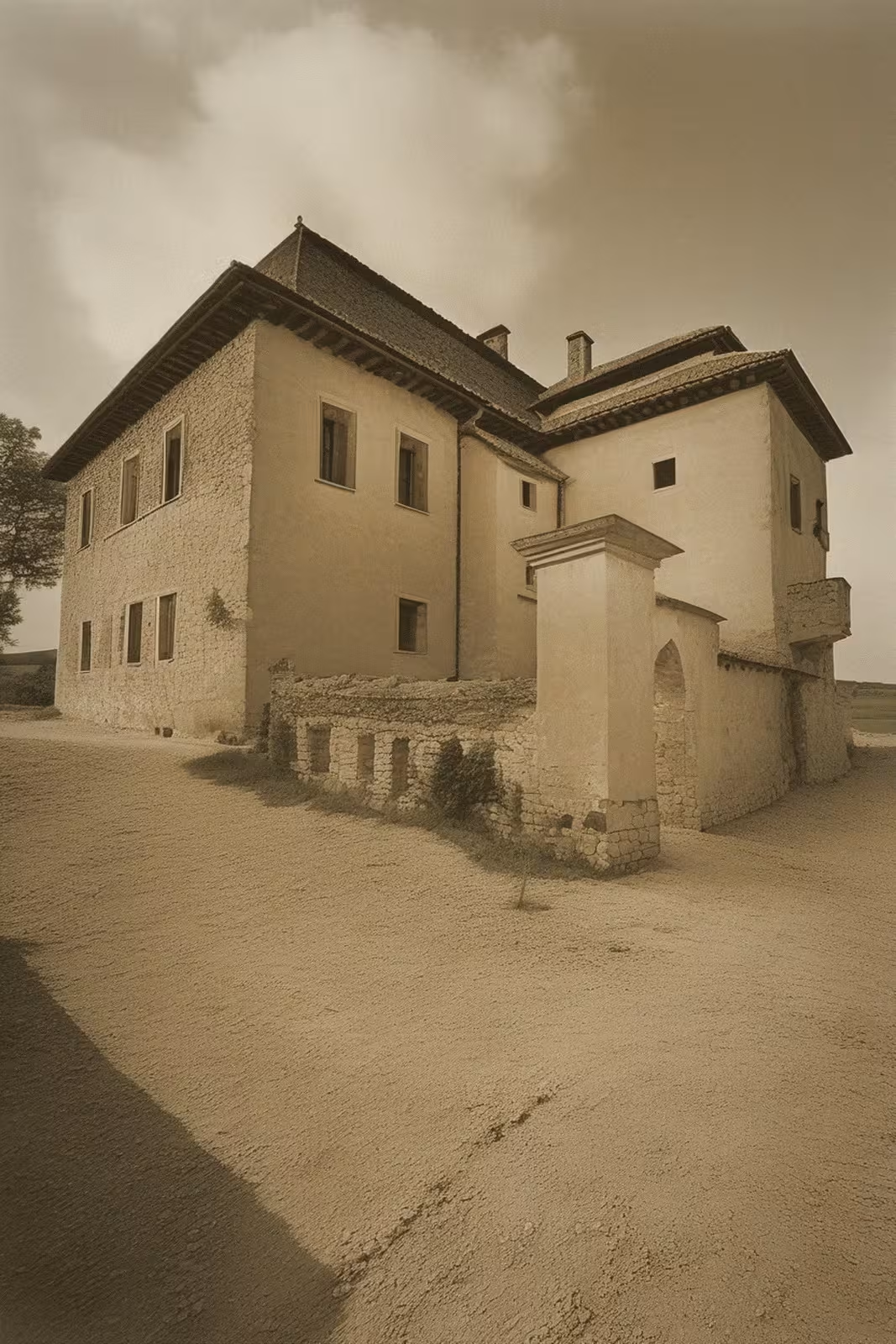
The historical appearance on the left is an AI-generated visualisation and serves as inspiration only.
Historical milestones
- 1551
- Felix Pravětický z Pravětic acquired the property.
- 1557
- Confiscation by Hradec Králové after rebellion involvement.
- kolem 1650
- Evolved into a substantial stone castle with shingle roofing.
- 1653
- Became part of the Harrach family holdings.
- 1745
- Suffered damage during the Prussian Wars.
- 1775
- Impacted by peasant uprisings.
Architectural development
Originally a Renaissance fortress built by Felix Pravětický z Pravětic, Zámek Stěžery underwent significant transformations in the 17th and 18th centuries. It was expanded into a more substantial structure with Baroque and Classicist elements under the Harrach family's ownership. The castle has seen various renovations over time, adapting to different architectural styles while retaining some of its original Renaissance features.
Historical events
In 1557, Stěžery was confiscated due to its involvement in a rebellion against Hradec Králové.
The castle suffered damage during the Prussian Wars in 1745 and later during peasant uprisings in 1775.
In 1887, it housed the first advanced domestic science school of its time.
Owners
The estate was initially owned by Felix Pravětický z Pravětic in the mid-16th century. It later passed to Jan z Pernštejna, then Zdeňkovi Zárubovi z Hustiřan before being acquired by Felix Pravětický. In 1653, it became part of the Harrach family's holdings, with significant renovations and expansions carried out in the early 19th century. The property was nationalized post-World War II but eventually returned to municipal ownership.
Points of interest
- Despite its transformation into a summer residence in the 19th century, Zámek Stěžery still retains elements of its original Renaissance design, particularly visible through sgraffito decorations on the rear facade.
- The castle's history includes involvement in a rebellion against Hradec Králové, leading to its confiscation by the city in 1557 before being acquired by Felix Pravětický z Pravětic in 1551, highlighting its turbulent past and strategic importance.
- Zámek Stěžery was significantly damaged during the Prussian Wars in 1745 and later impacted by peasant uprisings in 1775, events that contributed to its need for extensive renovations over time.
- In a unique chapter of its history, the castle housed an advanced domestic science school in the late 19th century, reflecting changing societal needs and educational priorities during that era.
- After being nationalized post-World War II under the Beneš Decrees, Zámek Stěžery eventually returned to municipal ownership following legal challenges, illustrating the complexities of property restitution in modern Czech history.
Guide
This guide is narrated by a synthetic voice generated by artificial intelligence.
Show guide text
This text was created by artificial intelligence and has not been editorially reviewed. It may contain inaccuracies.
Stěžery is located about six kilometers west of Hradec Králové. Their castle grew out of a Renaissance fortress, and for most of its history belonged to the Harrach family, and today it is protected as a cultural monument.
The village is mentioned from the year 1229 as property of the Opatovice monastery. When the monastery ceased to exist during the Hussite wars, the city of Hradec Králové acquired it. However, due to its participation in the Estates' rebellion in the years 1546 to 1547, it was confiscated from the city. Jan z Pernštejna purchased it, a year later he sold it to Zdeněk Záruba z Hustiřan, and from him Felix Pravětický z Pravětic bought it in 1551. He had a Renaissance fortress built here, which still forms the northern wing of the castle today.
The first records of the new residence date from 1653 to 1654. They describe a stone fortress with a shingle roof, two spacious rooms and two chambers, with a pantry, a prison and a main cellar. On the second of July 1745, during the Prussian wars, the residence along with the entire village was plundered and nearly destroyed. Further damage was caused in March 1775 by peasant rebellion over the abolition of serfdom.
The first owner from the Harrach family was Count Ferdinand Bonaventura Harrach. In the years 1802 to 1803, Count Ernst Christoph Harrach had the small castle repaired and extended as a summer residence and gave it its present appearance. However, he only stayed there until the summer residence Červený hrádek u Nechanic was created. Subsequently, the castle housed the chief administrative and patrimonial offices of the Harrach estate and also the administrator with the power of the highest judge over the subjects. In 1887, the first housekeeping school was located here, which in 1898 moved to a new building.
In 1939, the Harrach officials moved out. In 1940, the castle was purchased by Hradec Králové wholesalers Alois, Jaroslav and Josef Jirásek and they had it repaired. In 1945 it was nationalized based on the Beneš Decrees. After February 1948, families and abandoned pensioners who could not arrange their own housing lived in it. Disputes over its return after 1989 ended only in 2006, when ownership was confirmed to the municipality of Stěžery.
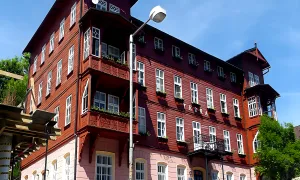
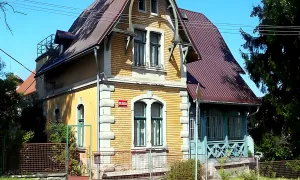
The building underwent Baroque and Classicist modifications. After modern interventions, it is no longer apparent from the street view that it is a castle. Only on the rear tract towards the courtyard did remnants of Renaissance graffiti remain. Today there are apartments and a post office in the castle.
Tips for visitors
The best time to visit Zámek Stěžery is during the late spring or early autumn months, from May to September. During this period, the weather is typically mild and pleasant, making it ideal for exploring both the castle grounds and the surrounding countryside. The landscape around Hradec Králové is particularly beautiful in these seasons, with lush green fields and blooming flowers enhancing the rural charm of the area.
It's advisable to check current transportation options and schedules through a local travel app or website prior to your visit to ensure smooth access.
When visiting Zámek Stěžery, it’s recommended to bring comfortable walking shoes as there are several paths around the castle grounds that might require some walking. Additionally, carrying a light jacket is advisable since weather conditions can change quickly in rural areas. Don’t forget your camera or smartphone for capturing the picturesque views of the Renaissance architecture and the serene countryside.
For photography enthusiasts, the best spots to capture Zámek Stěžery are from the eastern side where the morning light beautifully illuminates the castle’s facade. The rolling hills around the area also provide excellent vantage points for landscape shots. Early mornings or late afternoons usually offer the most favorable lighting conditions.
Nearby attractions within a 30-minute drive include the historic town of Hradec Králové, which offers a variety of cultural sites such as the Gothic Church of St. Nicholas and the Old Town Hall with its astronomical clock. For families with children, the nearby nature trails provide an excellent opportunity for outdoor activities and exploration in a scenic environment.
Frequently asked questions
Can the monument be visited?
Some buildings of this kind are open for guided tours, others serve another purpose or are privately owned. We have not verified whether and when this monument is open – please ask the operator.
What are the opening hours and admission?
We have not verified the opening hours or admission. Current information is published by the operator.
Where is the monument?
Location: Lipová 1, Stěžery, Královéhradecký kraj. The map on this page shows the exact spot.
Why is the monument protected?
It is listed in the Central List of Cultural Monuments of the Czech Republic as a cultural monument (register no. 45713/6-708).
Businesses nearby
Do you run a restaurant, accommodation, shop, museum, rental, wellness or other visitor service near this monument? Show yourself directly to the people heading to it — this is how they will see you in the app and on the web:
Events nearby

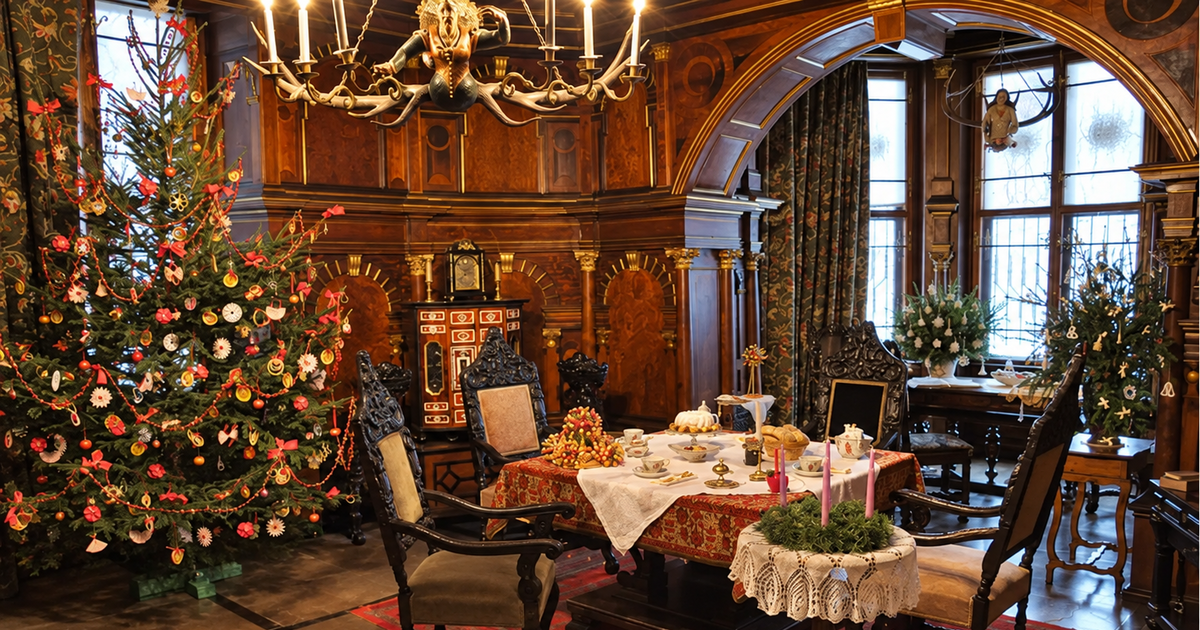

Zdroj akcí: otevřená data měst a obcí ČR (Národní katalog otevřených dat) a kalendář akcí Národního památkového ústavu.
Nearby
Zámek Stěžery is situated near Hradec Králové and surrounded by a rural landscape. The area features typical Czech countryside scenery with rolling hills and agricultural fields.
Accommodation nearby
Themed route
Thematic Tour Itinerary: Zámek Stěžery and Surroundings
1. Zámek Stěžery (Castle) - Begin your journey at the heart of this itinerary, Zámek Stěžery, a remarkable example of Czech Renaissance architecture. This castle is not only an architectural gem but also offers insight into historical lifestyles with its well-preserved interiors and beautiful gardens. The castle's history dates back to the 16th century, making it a must-visit for those interested in cultural heritage.
2. Stěžerské Nádvoří (Courtyard) - After exploring the interior of the castle, step outside into the Stěžerské Nádvoří. This courtyard is an ideal spot to appreciate the castle's grandeur from a different perspective and enjoy some peaceful moments surrounded by nature. The area often hosts events that showcase local traditions and crafts, providing visitors with a taste of regional culture.
3. Zámek Park (Castle Gardens) - A short walk from the courtyard will lead you through beautifully landscaped paths to the Zámek Park. These gardens are perfect for leisurely strolls or picnics amidst lush greenery and blooming flowers, offering a serene escape into nature. The park's design reflects historical gardening styles and provides an excellent opportunity to relax while taking in the scenic views.
4. Stěžerské Polní Cesty (Rural Paths) - Venture out onto the surrounding rural paths that weave through the countryside near Zámek Stěžery. These trails offer a glimpse into the typical Czech rural landscape, characterized by rolling hills and agricultural fields. Walking these paths allows you to experience the tranquility of the countryside while enjoying panoramic views of the area's natural beauty.
5. Stěžerské Polní Zahrady (Rural Gardens) - Conclude your visit with a stop at some local rural gardens, where traditional farming practices are still in use. These gardens provide an authentic look into agricultural life and offer insights into how local produce is cultivated. They're also a great place to purchase fresh fruits and vegetables directly from the source, making for a delightful end to your thematic tour.
This itinerary offers a comprehensive exploration of Zámek Stěžery and its immediate surroundings, providing visitors with a rich cultural and natural experience.
Seasonal recommendations
Spring: The arrival of spring breathes new life into the historic Stěžery Castle, with blooming gardens and lush greenery creating a picturesque setting for visitors. This season is characterized by mild weather that enhances the natural beauty surrounding the castle, making it perfect for leisurely strolls through its grounds. As nature awakens, the atmosphere around the castle becomes vibrant and inviting, offering a refreshing backdrop to explore its historical charm. Visitors are encouraged to wear comfortable layers as temperatures can fluctuate, and arriving earlier in the day is advisable to avoid crowds that gather later when the weather warms up.
Summer: Summer at Stěžery Castle offers long daylight hours, ideal for exploring both the castle's interiors and expansive outdoor areas. The warm sunshine casts a golden glow over the historic architecture, creating an enchanting atmosphere perfect for photography enthusiasts and history buffs alike. This is peak tourist season, so it’s wise to arrive early in the morning or later in the afternoon to avoid large groups of visitors. Lightweight clothing is recommended due to the heat, along with sun protection like hats and sunscreen to ensure a comfortable visit.
Autumn: Autumn transforms Stěžery Castle into a canvas of warm hues as the leaves turn vibrant shades of red, orange, and yellow. The cooler temperatures make it an ideal time for walking tours through the castle’s grounds, which are now adorned with fallen leaves that crunch underfoot. This season offers a more tranquil experience compared to summer, with fewer visitors allowing for a peaceful exploration of the site's rich history. Layered clothing is advisable to adapt to the changing weather, and carrying a light jacket can provide comfort as temperatures drop in the evenings.
Winter: Winter at Stěžery Castle presents a serene and magical atmosphere, especially during the holiday season when the surrounding landscape is blanketed in snow. The castle takes on an ethereal quality under winter lighting, offering unique photo opportunities against the stark beauty of the snowy scenery. While some areas might be less accessible due to weather conditions, the castle itself remains open for visitors seeking a quiet and reflective experience. Warm clothing, including coats, hats, gloves, and scarves, is essential to stay comfortable during this season. Additionally, visiting on weekdays can help avoid any potential crowds that gather during holiday festivities.
Visualizations and artistic views


The visualisations are generated by artificial intelligence and serve as inspiration.
Photos from the area
Real photos taken near the monument


Zdroj a licence jsou uvedeny u každého snímku.
Tips from visitors
No tips yet. Be the first!
Log in and add your tip.
Sources and literature
Photos: Petr1888 / CC BY-SA 3.0 — Wikimedia Commons. The author and licence also appear when you hover over the image.
Faktickým podkladem tohoto textu byl článek na Wikipedii, jehož autory jsou přispěvatelé Wikipedie. Článek je dostupný pod licencí CC BY-SA 4.0.
Location on the map

Příběhy a pověsti
Legendy, pověsti a příběhy spjaté s touto památkou
Fotografie návštěvníků
Zatím žádné fotografie. Buďte první, kdo přidá fotografii z návštěvy!
Log in a přidejte svou fotografii nebo hodnoťte.
Za ověřenou návštěvu v aplikaci získáte víc bodů — poznáme podle GPS, že jste na místě.
Reviews and comments