



zámek Sukorady Chateau
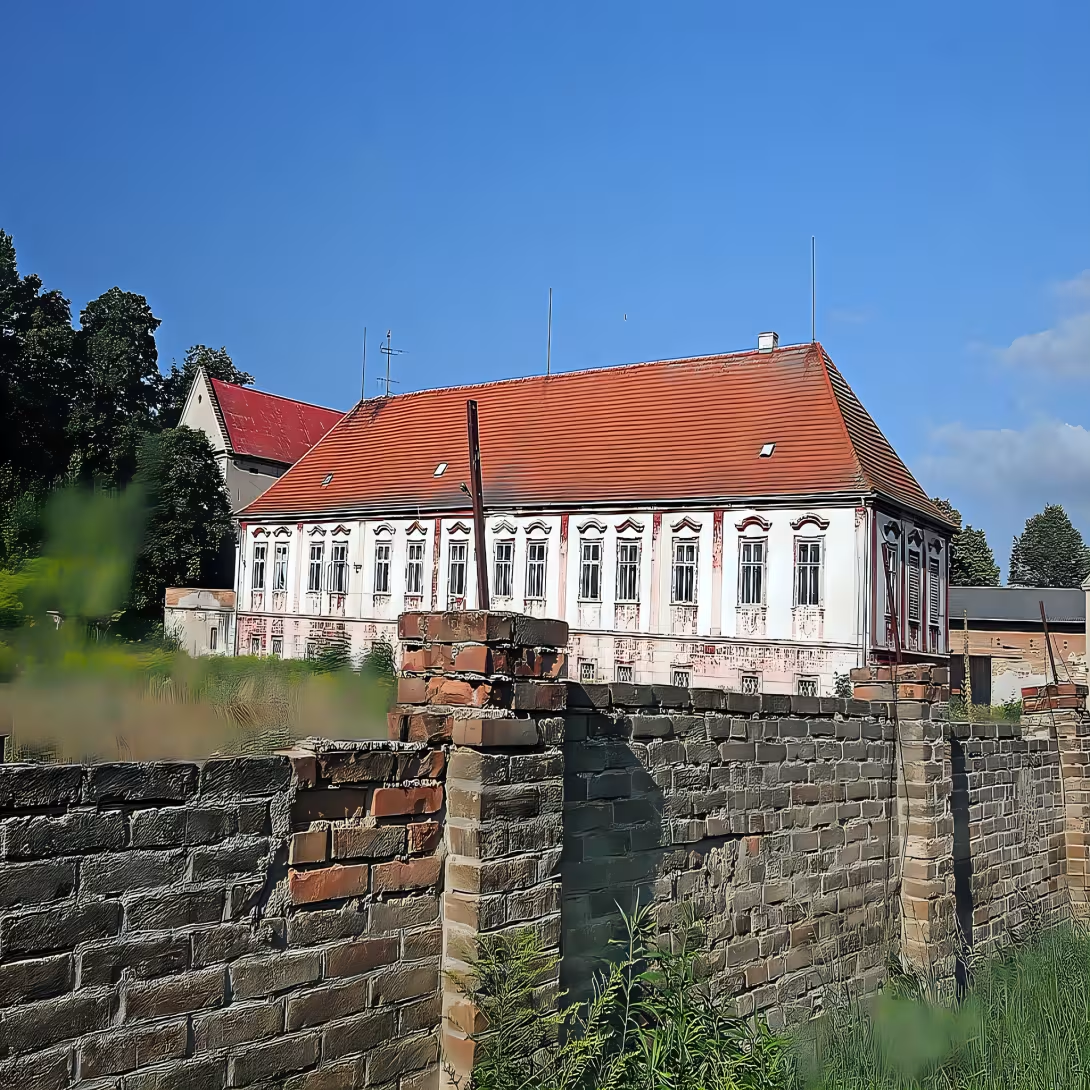
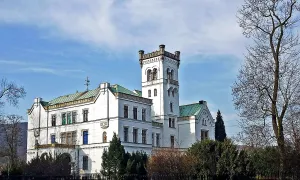
The castle Sukorady is a Baroque castle situated in the village Sukorady, part of the village of Snedovice in Ústí region. At the turn of the 17th and 18th centuries, it is an architectural shift from Renaissance forts to Baroque elegance after a thirty-year war. Zamek Sukorady, recognized as a cultural monument, is remarkable for its historical importance and well preserved structure in the middle of a picturesque environment.
The origin of Castle Sukorady returned to recovery after the destruction of the Thirty Years War. The castle replaced the Renaissance fortress previously destroyed during this stormy period. The construction began at the turn of the 17th and 18th centuries, initiated by Františka Eusebie ze Scheidleru, married to Hartmann z Klarsteinu. Her sister-in-law Rosálie finished the project. This era meant a shift in the Czech Republic from war-torn instability to relative peace and cultural flourishing under the rule of Habsburg, creating a stage for major architectural developments throughout Europe.
Architectural, Castle Sukorady embodies Baroque style, characterized by grandeur and symmetry. The castle complex includes various economic buildings such as granary, stables, cellars, gate, pond, administrative building and castle park. These structures contribute to the historical and functional importance of the estate. The castle is equipped with an original round stone sink for bathing horses, which highlights its practical design elements.
The castle Sukorady has seen several important owners and administrators throughout its history. After construction she served as a pension residence for Václav Gustav Kopetz, a legal scholar and professor at Charles University. After World War II, the castle was seized by the state and transferred to a collective farm which used part of the premises to accommodate workers involved in hops.
Today, Castle Sukorady stands as a well-maintained historical place. The main building is in good condition with recent renovations including new roofing and drainage. In surrounding economic buildings, roofs are also repaired to ensure that they are preserved for future generations. This castle offers visitors a view of the architectural development of the region and its rich history.
The current link Castle Sukoradyho as a cultural monument makes it an interesting destination for people interested in European history and architecture. Its well preserved state and historical importance provide valuable insights into the past, so it is worth visiting anyone who examines Ústecký kraj.
Then and now
Drag the slider to compare how the landmark may have looked when it was built with the view today.
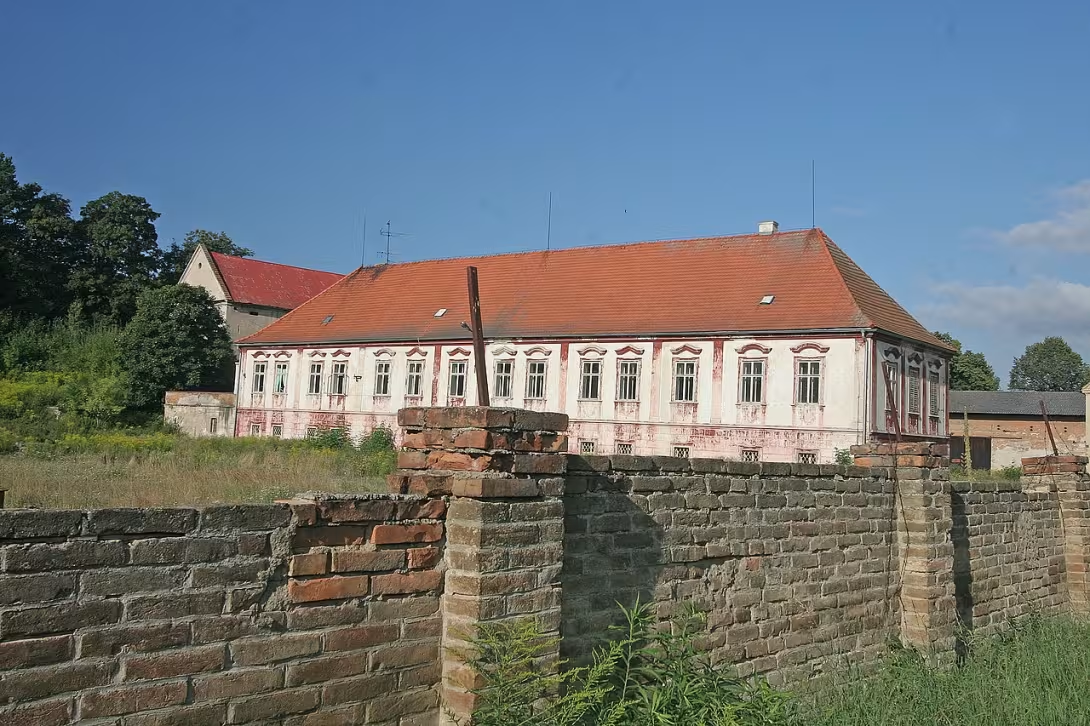

The historical appearance on the left is an AI-generated visualisation and serves as inspiration only.
Historical milestones
- Around 1600
- Rebuilding after a 30-year war.
- Around 1700
- The construction of the Sukorady Castle begins, marking the baroque crossing.
- 18th Century
- The castle serves as a pension residence for Václav Gustav Kopetz.
- po 1945
- Castle confiscated by the state, reconsidered after World War II.
Architectural development
The castle was built in Baroque style, which replaced the Renaissance fortress destroyed during the 30 years war. It is equipped with a number of economic buildings and has undergone recent renovations including new roofing and drainage.
Historical events
The construction began at the turn of the 17th and 18th centuries.
Confiscation and renaming after 1945.
Owners
Františka Eusebie ze Scheidleru (17th 18th century)
Hartmann z Klarsteinu
Rosálie
Václav Gustav Kopetz (1781-1857)
Post-1945: Confused and exploited by a collective farm
Points of interest
- The round stone sink of Castle Sukoradyho was originally used for bathing horses, which is a unique feature which, in addition to Baroque elegance, highlights practical structural elements of the castle.
- The Sukorady Castle was completed by Rosálie, sister in-law Františka Eusebie ze Scheidleru, where an interesting family connection in its architectural history manifests itself.
- After World War II, Castle Sukorady served a surprising role as part of a collective agricultural operation where it accommodated workers involved in the collection of hops, illustrating its adaptive reuse for centuries.
- Václav Gustav Kopetz, a legal scholar and professor at Charles University, once used the Castle Sukorady as his retired residence, thereby adding an intellectual link to the history of the castle.
- The castle is characterised by various economic buildings, such as stables and cellars, which were an integral part of its function, except for residential construction, which reflects complex planning of baroque properties.
Guide
This guide is narrated by a synthetic voice generated by artificial intelligence.
Show guide text
This text was created by artificial intelligence and has not been editorially reviewed. It may contain inaccuracies.
Sukorady is a small village in the Litoměřice district, today part of the municipality of Snědovice. A baroque château from the turn of the 17th and 18th centuries stands here, which is protected as a cultural monument.
The place had a noble residence even earlier. At the turn of the 16th and 17th centuries, a Renaissance fortified house was built here. It was commissioned by either Adam Vlk z Kvítkova or Jindřich Abraham ze Salhausenu. The fortified house was destroyed during the Thirty Years' War.
The new château was begun to be built not far from where the fortified house had previously stood. The construction was initiated by Františka Eusebie ze Scheidleru, married to Hartmann z Klarsteinu. Her sister-in-law Rosálie then completed the unfinished work.
In the 19th century, the knight Václav Gustav Kopetz chose the château as his residence for his retirement. He was a lawyer and professor at Charles University, and lived from 1781 to 1857.
After 1945, the château was confiscated. It began to be used by an agricultural cooperative, which set up a hostel in the ground floor for hop cutters.
The château is surrounded by a number of farm buildings, and the monument protection extends to the entire complex. Besides the château itself, it includes a granary, two barns, pig sties, cellars, a gate, an administrative building, a château park, and also a basin. It stands inside the manor courtyard. It is round, made of stone, and previously served for watering horses.
The château is in good structural condition. It has a new roof and the roofs of the other buildings are repaired. The current owner has also had the château and courtyard drained.
Tips for visitors
Best time to visit The castle Sukorady is at the end of spring or early autumn months, from May to September. During these periods the weather is typically pleasant, so visitors can fully enjoy the Baroque architecture of the castle and its picturesque surroundings in the Ústí Region. The gardens are very beautiful during this time and offer a picturesque background for your visit.
It is recommended to verify current routes and plans via a transport search tool before travelling.
When visiting Castle Sukorady it is advisable to bring comfortable walking shoes, especially if you plan to discover surrounding areas or gardens. The camera is also recommended to capture amazing views of the castle and Baroque architecture. For lovers of photography, the morning light provides a soft glow that increases the texture of the building while the late afternoon offers dramatic shadows.
Several activities should be considered for families with children visiting the Sukorady Castle. The extensive environment offers children space to safely explore and the history of the castle can be an exciting educational experience. Near, within a 30-minute drive, there is a picturesque region that provides opportunities for family picnics or peaceful walks in nature.
In addition to Castle Sukoradyho, visitors should consider exploring nearby economic buildings and historical monuments in the region. It offers another look at the rich history of the area and cultural heritage. For a wider experience of the natural beauty of the Ústí Region take advantage of the picturesque landscape around the castle.
Frequently asked questions
Can the monument be visited?
Some buildings of this kind are open for guided tours, others serve another purpose or are privately owned. We have not verified whether and when this monument is open – please ask the operator.
What are the opening hours and admission?
We have not verified the opening hours or admission. Current information is published by the operator.
Where is the monument?
Location: Sukorady č.p. 1, Snědovice, Ústecký kraj. The map on this page shows the exact spot.
Why is the monument protected?
It is listed in the Central List of Cultural Monuments of the Czech Republic as a cultural monument (register no. 43652/5-2319).
Businesses nearby
Do you run a restaurant, accommodation, shop, museum, rental, wellness or other visitor service near this monument? Show yourself directly to the people heading to it — this is how they will see you in the app and on the web:
Nearby
The Sukorady Castle is surrounded by a number of economic buildings and lies in the picturesque landscape of the Ústí Region and offers picturesque views typical of the region.
Accommodation nearby
Themed route
Thematic cruise route: Castle Sukorady and its surroundings
1. Castle Sukorady * Type: * Historical lock The Sukorady Castle is a beautiful example of architecture with rich history, which has evolved from statues to Baroque. Visit it with imported interiors and enjoy the circumstances of the Ústí Region from its heights.
2. Economic building * Type: * Historical construction The proceedings stand behind the institution: These economic buildings, which surround the castle, are the witnesses of past times and have served various purposes. Their architecture represents a fascinating use on a living flat and economic activity from the time it was exposed.
3. Park zone * Type: * Green space The standing area: The park zone of the castle Sukorady offers a quiet space for laying down and beautiful heights to the surrounding area. It is an ideal place to relax after training historical buildings.
4. Tower of the Law * Type: * Historical tower Proc stands behind the tower: Reservations from towers are one of the best for use in the whole territory of Sucorad. It's a change of circumstances to your own panoramic view and understand historical times.
5. Tanks of the Law * Type: * Historical designation The nation is the centre of the castle where you can dive into the atmosphere of past times. It is an ideal place to develop the architectural and historical context of the complex.
This route offers a new quantity is added to the rich history of the castle Sukorady and is surrounding it, crossing every point to be delivered to the Union.
Seasonal recommendations
Spring: The arrival of spring at Castle Sukorady is marked by a vibrant display of flowering flowers and fresh green, creating a charming atmosphere that increases the historical beauty of the castle. As nature wakes up, visitors can enjoy picturesque gardens filled with colored tulips and daffodils. During this season, the wounds are often hazy, adding a mystical touch to your visit. It is advisable to wear layers because temperatures may vary throughout the day. To avoid the crowd, consider visiting in the early morning or late afternoon hours when light throws a soft glow over the castle playground.
Summer: Summer at Castle Sukorady offers warm weather ideal for exploring large gardens and outdoor activities. The castle is particularly lively this season, with longer daily hours that allow more time to explore its historical exhibits. However, it is best to arrive early in the morning or later in the afternoon to escape the top tourist crowds attract pleasant weather. Light, breathable clothes are recommended, along with sun protection such as hats and sunscreen, to ensure a comfortable visit under the summer sun.
Autumn: Autumn at Castle Sukorady represents a stunning tapestry of warm colors as the leaves turn shades of red, orange and gold. This season offers a peaceful atmosphere ideal for photographic enthusiasts who want to capture the beauty of the castle against the background of autumn leaves. Colder temperatures make it an ideal time for peaceful walks through gardens without summer heat. Due to fluctuating temperatures, it is recommended to wear comfortable layers throughout the day. Visiting on weekdays can help avoid larger weekend crowds.
Winter: Winter transforms the Sukorady Castle into a picturesque scene with snow-covered plots that strengthen its historical charm. The lock may have shorter opening times during this season, so it is best to check in advance and plan accordingly. Visitors should dress in layers in peace, including hats, gloves and insulated shoes to enjoy the winter landscape. While the gardens are less accessible due to frost, interior exhibits remain the peak for those who want to explore the interiors while at the same time in a magical winter atmosphere from the castle walls.
Visualizations and artistic views


The visualisations are generated by artificial intelligence and serve as inspiration.
Photos from the area
Real photos taken near the monument


Zdroj a licence jsou uvedeny u každého snímku.
Atmosphere of the place
This atmospheric visualisation of the place and period was generated by artificial intelligence. It is not real footage of the location.
Tips from visitors
No tips yet. Be the first!
Log in and add your tip.
Sources and literature
Photos: Petr1888 / CC BY-SA 3.0, rozlišení zvýšeno umělou inteligencí — Wikimedia Commons. The author and licence also appear when you hover over the image.
Faktickým podkladem tohoto textu byl článek na Wikipedii, jehož autory jsou přispěvatelé Wikipedie. Článek je dostupný pod licencí CC BY-SA 4.0.
Location on the map

Příběhy a pověsti
Legendy, pověsti a příběhy spjaté s touto památkou
Fotografie návštěvníků
Zatím žádné fotografie. Buďte první, kdo přidá fotografii z návštěvy!
Log in a přidejte svou fotografii nebo hodnoťte.
Za ověřenou návštěvu v aplikaci získáte víc bodů — poznáme podle GPS, že jste na místě.
Reviews and comments