






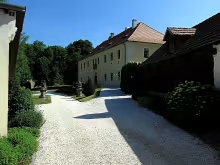
The Životický zámek is a cultural monument situated in the village of Životice, near Přeštice, in the Plzeň Region. This Baroque castle boasts a rich history dating back to the 16th century, with its origins as a late Renaissance fortress. Its unique architecture and chapel with a fresco of the Holy Trinity make it a notable landmark in the region.
Originally built in the first half of the 16th century as a late Renaissance fortress by the Strojetičtí ze Strojetic family, the Životický zámek has undergone several changes in ownership. The first written record of the fortress dates back to 1658. Over the centuries, the fortress changed hands several times, with the Čejkové z Olbramovic and Lipovští z Lipovice families also owning it. In the early 18th century, the fortress was converted into a Baroque castle, with the first records of this conversion dating back to 1719.
The castle's architecture is a blend of Baroque and Renaissance styles, featuring a two-story building on a rectangular floor plan with an eastern wing housing a castle chapel and a ceiling fresco of the Holy Trinity. The original stucco decoration can still be seen in some rooms, and the rooms on the first floor have flat ceilings.
Throughout its history, the Životický zámek has undergone several changes in ownership. In 1948, the castle was nationalized and converted into a forest ranger's lodge, but it was returned to private ownership in 1968. Today, the castle is a cultural monument and a popular tourist destination.
The castle's unique Baroque architecture and chapel make it a must-see for anyone interested in history and architecture. Visitors can explore the castle's interior and learn about its rich history. The Životický zámek is a testament to the region's rich cultural heritage and is definitely worth a visit.
The Životický zámek is a cultural monument offering a glimpse into the region's rich history and architecture. Its unique Baroque style and chapel make it a notable landmark in the Plzeň Region. Visitors can explore the castle's interior and learn about its fascinating history, making it a must-see destination for anyone interested in history and architecture.
Historical milestones
- 1658
- First written record of the fortress
- 1719
- Conversion of the fortress into a Baroque castle
- 1948
- Nationalization of the castle and conversion into a forest ranger's lodge
- 1968
- Return of the castle to private ownership
Architectural development
The castle was originally a late Renaissance fortress built in the first half of the 16th century. It was later converted into a Baroque castle in the early 18th century. The castle has undergone several renovations and changes in ownership throughout its history.
Historical events
- 1658
- First written record of the fortress
- 1719
- Conversion of the fortress into a Baroque castle
- 1948
- Nationalization of the castle and conversion into a forest ranger's lodge
- 1968
- Return of the castle to private ownership
Owners
Strojetičtí ze Strojetic, Čejkové z Olbramovic, Lipovští z Lipovice, Sweerts-Sporckové
Points of interest
– The Životický zámek has a unique fresco of the Holy Trinity in its chapel, which is a notable work of art in the region. This fresco is a significant feature of the castle's interior.
– The castle's architecture is a blend of Baroque and Renaissance styles, which is a rare combination in European architecture. This blend of styles makes the Životický zámek a unique landmark in the Plzeň Region.
Guide
Show guide text
Welcome, and thank you for joining me as we stand before the historic Životice Castle. The stone walls rise before you, a dignified reminder of centuries past, their weathered faces catching the light of the late afternoon. The courtyard, enclosed by high walls, opens to a sense of quiet, almost reverent stillness. As you take in the view, notice the subtle interplay of shadow and stone, the way the sun paints the façade in warm golds and cool blues at different angles. This is the first impression that the castle offers – a blend of solidity and grace, a testament to the hands that have shaped it over time.
Let’s step back a moment and look at the origins of this place. The foundations of Životice Castle were laid in the first half of the sixteenth century, a period when the late Renaissance was flourishing across Europe. At that time, the region was a patchwork of estates and fortresses, each built to assert both power and protection. The original structure was a fortress, designed with the fortification principles of the era in mind – thick walls, narrow windows, and a strategic layout to guard against the frequent conflicts of the age. The first written record of the fortress dates to 1658, a testament to its enduring presence and importance to the local community.
In the early eighteenth century, the castle underwent a significant transformation. In 1719, the fortress was converted into a Baroque castle, a shift that brought a new aesthetic and functional direction. Baroque architecture is known for its grandeur, dramatic contrasts, and ornate details, and this conversion would have introduced such elements to the structure. Imagine the stone walls being adorned with stucco, the windows enlarged to let in more light, and the interior spaces reconfigured to accommodate the more refined tastes of the time. The castle’s architecture now reflects a rare blend of Renaissance solidity and Baroque elegance, a combination that is uncommon in European heritage sites.
As you walk closer, feel the texture of the stone under your fingertips. The walls, though aged, still hold the memory of the craftsmen who laid each block. Notice the subtle differences in the masonry – the tighter, more precise stonework that hints at the Renaissance origins, and the slightly more irregular, ornamental touches that suggest the Baroque influence. The courtyard, once a purely defensive space, now serves as a tranquil gathering place, its pathways echoing the footsteps of those who have passed through its gates for centuries.
Moving on, let’s consider the key stories that have unfolded within these walls. While no particular historical figures are recorded in the available sources, the castle’s journey through time tells its own tale. In 1948, after the upheavals of the Second World War, the castle was nationalized. It was repurposed as a forest ranger’s lodge, a practical use that ensured the building remained occupied and maintained. This period of utilitarian use likely altered some of the interior spaces, perhaps adding functional rooms or modifying the layout to suit the needs of forest management. Then, in 1968, the castle returned to private ownership, a change that opened the door to restoration and preservation efforts that honor its historical significance while allowing it to serve new purposes.
One of the most striking features you’ll encounter within the castle is the fresco of the Holy Trinity in its chapel. This unique artwork is a notable work of art in the region, and it stands as a testament to the artistic endeavors that have been part of the castle’s history. As you approach the chapel, take a moment to observe the fresco. The depiction of the Holy Trinity is rendered with a sense of reverence and artistry that speaks to the skill of the painter and the spiritual devotion of the patrons who commissioned it. The fresco’s colors, though slightly faded by time, still hold a vibrant presence, and the composition invites contemplation. This piece not only enriches the interior aesthetic of the castle but also connects visitors to the religious and cultural life of the era.
Beyond the fresco, the castle’s architecture itself offers a narrative. The Baroque modifications likely introduced grand staircases, ornate cornices, and perhaps a more open interior layout, all designed to showcase wealth and sophistication. Meanwhile, the Renaissance foundations preserve a sense of fortification and practicality. The juxtaposition of these styles within a single structure creates a dialogue between eras, inviting visitors to reflect on how architecture can evolve while retaining its core identity.
Now, let’s pause for a moment of intrigue. While the castle’s history is well documented in terms of dates and structural changes, there remains a subtle mystery that invites speculation. The fresco of the Holy Trinity, for instance, raises questions about the artist’s identity and the circumstances of its creation. Was it commissioned by a local noble family, or perhaps by a patron of the arts who sought to leave a lasting legacy? The absence of recorded names in the historical accounts leaves room for imagination. Perhaps the fresco was painted by a traveling artist, or maybe it was
Businesses nearby
Do you run a restaurant, accommodation, shop, museum, rental, wellness or other visitor service near this monument? Show yourself directly to the people heading to it — this is how they will see you in the app and on the web:
Nearby
The castle is located in the village of Životice, near the town of Přeštice, in the Plzeň Region.
Accommodation nearby
Themed route
Zámek Životice – a Renaissance castle with a museum and lush gardens, offering a vivid look at the region’s past. Životice village – wander the quiet countryside around the castle, admire local architecture and soak in the peaceful rural vibe. Přeštice – explore the nearby historic town’s charming old center, perfect for a relaxed stroll and a taste of local life.
---
Support Pollinations.AI:
---
🌸 Ad 🌸 Powered by Pollinations.AI free text APIs. [Support our mission](https://pollinations.ai/redirect/kofi) to keep AI accessible for everyone.
Seasonal recommendations
Spring at Zámek Životice feels like a fresh page turned in a long‑lived book. The castle’s stone walls are dusted with early blossoms, and the surrounding gardens begin to hum with the buzz of bees and the scent of fresh cut grass. Light filters through the trees, creating a dappled glow that makes the interior galleries feel almost ethereal. To avoid the mid‑morning rush, arrive just after opening or consider a late‑afternoon visit when the crowds thin. Wear comfortable walking shoes and a light jacket, as temperatures can still swing from cool to pleasantly warm. A short walk around the estate’s park provides a peaceful break from the main attraction.
Summer brings the castle to life under a relentless sun. The courtyard is a hive of activity, with families picnicking and the occasional live music performance echoing across the grounds. The stonework takes on a warm, golden hue, and the gardens burst into full bloom, offering a riot of color that’s perfect for photos. Because the days are long and the crowds swell, arrive early—right when the gates open—to secure a good spot and enjoy the cooler morning air. Pack sun protection, a hat, and a reusable water bottle; a light, breathable outfit will keep you comfortable while you explore the expansive grounds.
Autumn casts a mellow, amber light over the castle, turning the surrounding forest into a living painting. The leaves turn brilliant shades of orange and crimson, and the air carries a crisp, earthy scent that heightens the historic atmosphere. The castle’s interior is dimmed by shorter days, creating a cozy, almost candlelit ambiance that highlights the architectural details. Mid‑afternoon is a good time to visit, as the crowds thin after the lunch rush and the light is soft enough for a relaxed stroll. Dress in layers—think a warm sweater over a breathable shirt—and bring a light raincoat, as autumn showers can be frequent.
Winter at Zámek Životice feels like stepping into a quiet, snow‑covered storybook. The stone walls are framed by frosted vines, and the gardens are hushed, with only the occasional crackle of snow underfoot. Inside, the castle’s warm glow contrasts sharply with the chilly outside air, creating a snug, almost magical atmosphere. Visiting during the early evening, just before closing, allows you to experience the castle’s interior with fewer people and a more intimate setting. Bundle up in a heavy coat, scarf, and gloves, and consider a thermos of hot chocolate to keep warm after you step back into the winter air.
Visualizations and artistic views

Vizualizace jsou generovány umělou inteligencí a slouží jako inspirace.

Tips from visitors
No tips yet. Be the first!
Log in and add your tip.



Reviews and comments