






Žerotín Ruin
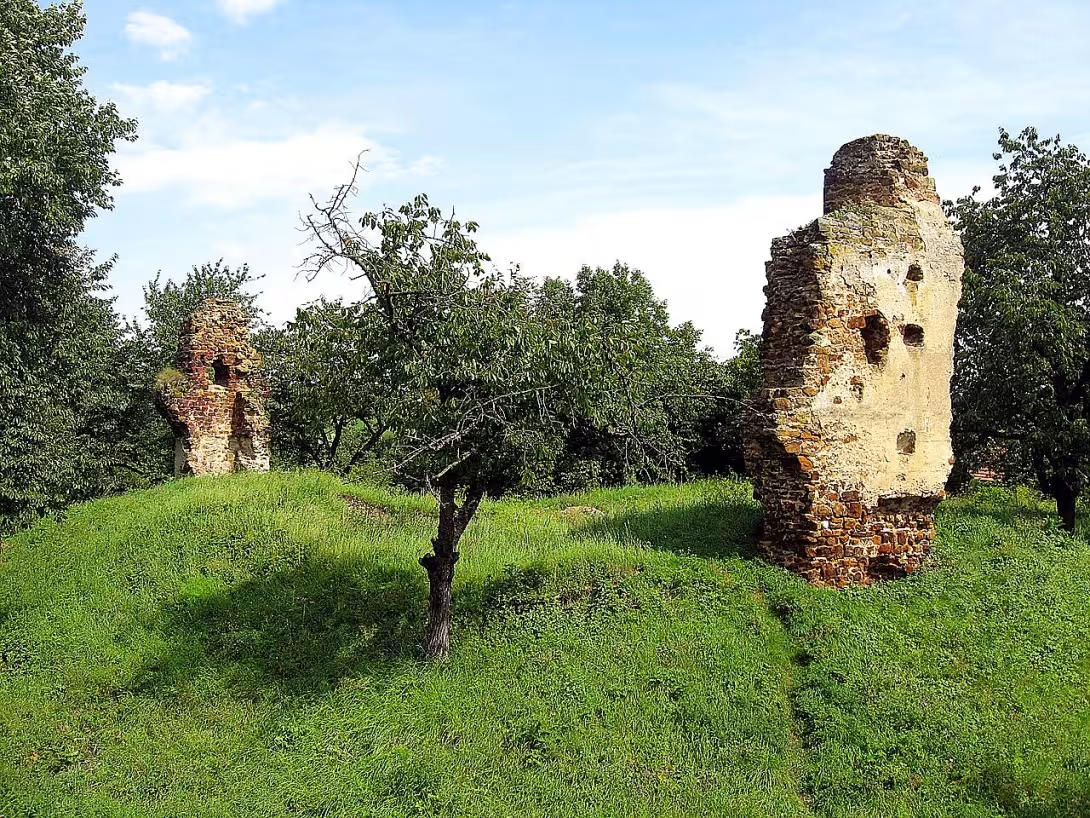
Žerotín is a ruin of the chateau in the village Žerotín in the district of Louny Ústí nad Labem in the Czech Republic. This place has historical significance as one of the oldest Czech noble chateaux originally built around the beginning of the 13th century Habart ze Žerotína. The remains include fragments of a residential palace and a defensive tower, surrounded by traces of his double moat and earth work. His importance underlines his association with remarkable noble families over the centuries.
The origin of Žerotín comes from the time when the Czechs underwent political consolidation under the Přemyslid dynasty. During this time, efforts to fortify Europe were increasing as noble families sought to secure their territories. The initial construction of the chateau in the early 13th century reflects these broader trends of increased militarisation and territorial defence. The first documented in 1250 was associated with Ratibor of Vlaslavic, suggesting his early importance in regional dynamics of power.
Žerotín was originally built as a bergfrit-type lock, characterized by robust defence features including a double ditch designed to protect against intruders. The apartment palace had an elongated structure, from which only fragments of walls and cellars remain today. At the end of the 16th century, efforts were made to rebuild parts of the chateau, but these efforts could not prevent its possible decline in disorder after its destruction during the Swedish invasion of 1639.
During his history Žerotín changed hands among several remarkable families. Initially owned by Habart ze Žerotína from 1287 to 1297, later passed Plichta ze Žerotína in 1321 and Oldřich Zajc from Hazmburk in the early 15th century. Doupovres from Doupova during the 16th century, followed by Jan Zdeněk from Mitrovice in 1623, finally Ferdinand Poppel from Lobkovice in 1673. Every change has shifted into the chateau's wealth and reflected the wider historical currents that hit the noble estate.
Key events in Žerotín include its destruction and burning during the Swedish invasion of 1639, a key moment that led to its decline into destruction. Interestingly, at the end of the 19th century, the remains of the site were used to dry plums and plant fruit trees, illustrating how historical sites can adapt to new purposes over time.
Žerotín stands today as evidence of medieval fortification of architecture and noble history in Bohemia. Visitors can look at the remains of their defensive structures and imagine the former grandeur of the chateau in the middle of the surrounding landscape near the historical trade route connecting Prague to the German territories. The site offers a unique view of the past, which makes it an interesting destination for interested people to discover historical ruins.
The value of Žerotín lies not only in its architectural remains, but also in its rich tapestry of history and cultural importance. As a monument to centuries of change, it invites visitors to think about the passage of time and the permanent heritage of medieval fortifications. For anyone interested in history or architecture, Žerotín offers a convincing way into Czech history.
Then and now
Drag the slider to compare how the landmark may have looked when it was built with the view today.
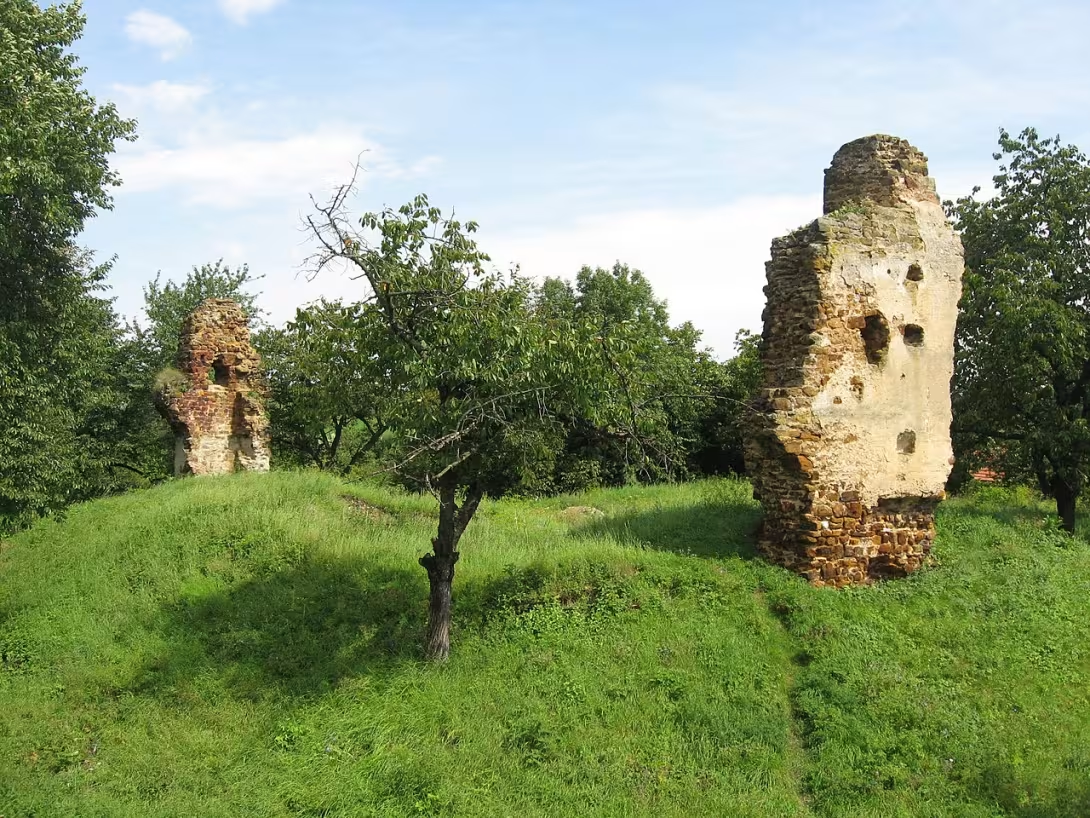

The historical appearance on the left is an AI-generated visualisation and serves as inspiration only.
Historical milestones
- around 1300
- Original construction of chateau Žerotín.
- 1250
- The first documentation of the chateau, connected with Ratibor from Vlaslavic.
- 1287-1297
- Owning Habart from Žerotín.
- 1321
- The chateau went to Spicht Žerotín.
- Around 15th century
- Owned by Oldřich Rezac of Hazmburg.
- 1639
- The chateau was destroyed and burned during the Swedish invasion.
Architectural development
Žerotín was originally built as a bergfrit-type lock, with a robust double moat for defense. The apartment palace had an elongated structure with the remains of its walls and cellars. It was renovated at the end of the 16th century, but eventually collapsed after destruction at the beginning of the 17th century.
Historical events
First documented in 1250, connected to Ratibor from Vlastislavice.
Destroyed and burned during the Swedish invasion in 1639.
Owners
Habart ze Žerotína (1287-1297)
Plichta ze Žerotína (1321)
Oldřich Zázc from Hazmburk (beginning of the 15th century)
Doupters from Doupov (16th century)
Jan Zdeněk z Mitrovice (1623)
Ferdinand Ash of Lobkovic (1673)
Points of interest
- One less well-known fact about Žerotín is that it was originally built as a bergfrit- type chateau, which means it represented a strong defensive tower designed to withstand networks - a reflection of militarization trends in Europe of the 13th century.
- Interestingly, after its destruction during the Swedish invasion in 1639, parts of the Žerotín site were used to dry plums and plant fruit trees by the end of the 19th century, which shows how historical sites can be adapted over time for new purposes.
- The history of ownership of the chateau is marked by a number of remarkable noble families, each leaving their mark on their legacy. For example, Jan Zdeněk of Mitrovic obtained it in 1623, which reflects the dynamics of the shift of power between Czech nobility during this period.
- The special aspect of Žerotín's history includes its connection with Ratibor of Vlaslavic in 1250, highlighting its importance within regional energy structures even before extensive documentation or the renewal of efforts began in later centuries.
- Despite its decline in destruction after the Swedish invasion, Žerotín remains an important place to understand the medieval fortification of architecture and offers a unique view of the noble history of Bohemia through its surviving defence structures.
Guide
This guide is narrated by a synthetic voice generated by artificial intelligence.
Show guide text
This text was created by artificial intelligence and has not been editorially reviewed. It may contain inaccuracies.
Welcome to the historical site Žerotín, where time stands still in the middle of the remains of one majestic chateau ruins nestled in the village Žerotín, in Louny District. As you stand here, imagine the rolling landscape that has been exposed for centuries. The air transmits whispers from the past when you look at what's left - evidence of both grandeur and decay.
Žerotín was originally built around the beginning of the 13th century Habart ze Žerotína. It served as a bergfrit- type noble chateau, symbolic of militarizing trends in Europe during this time. This type of fortification included a strong defensive tower designed to withstand sieges, which emphasizes its strategic importance in medieval Bohemia.
As you look around, note the remnants of what was once an impressive double moat and earthly work - the silent guardian of the legendary past of this site. The fragments of the residential palace and the defensive tower that remain are like echoes of their former glory, which call you to think about the lives they have hidden and defended.
During its history, Žerotín is connected to several key numbers. Initially documented in 1250, it was associated with Ratibor z Vlastislavic. Habart ze Žerotína became its major owner between 1287 and 1297. By 1321 the chateau went into the hands of Plichta ze Žerotína. In the 15th century Oldřich Hare led Hazmburk's possession before the dramatic turn in history led to its destruction.
In 1639, during the Swedish invasion, Žerotín was destroyed and burned - a thrilling reminder of the turbulent times that shaped this area. This event marked the end of an era for the chateau and left behind only fragments that we can explore today.
One less well known fact about Žerotín is its original construction as a bergfrit- type chateau. The proposal reflects Europe's strategic architectural trends of the 13th century, highlighting the defence and resistance to sieges - a fascinating view of medieval military architecture.
As you continue your research, let your imagination go. Imagine a busy life that once prospered within these walls and considered countless stories carved into every stone. This site invites not only a visit, but also a immersed journey through time.
Thank you for joining us on this trip to Žerotín. Let your curiosity lead you to further discoveries, here and elsewhere. Safe travels as you continue to explore the rich tapestry of history that surrounds us.
Tips for visitors
The best time to visit Žerotín is at the end of spring or early autumn when the weather is mild and pleasant for exploring outdoor ruins. These seasons offer comfortable temperatures and fewer crowds, allowing you to enjoy the peaceful beauty of the landscape and the remains of the chateau in peace. Moreover, natural light during these months increases the visual attraction of the site, making it ideal for photography.
It is advisable to check the current plans and routes online before your visit to ensure a smooth path.
When visiting Žerotín, it is recommended to bring comfortable walking shoes since exploring the ruins includes navigation uneven terrain. The hat, sunscreen and water are also necessary thanks to the open landscape and the potential for sunny weather. In addition, consider bringing a zoom camera to capture detailed pictures of the chateau architecture from different angles.
For photographic enthusiasts, the best places in Žerotín include the remaining defensive structures where you can capture panoramic views of the surrounding landscape. Early morning or late afternoon light provides the most dramatic and soft lighting for photos, highlighting texture and details of ruins. The nearby Virgin Týnek offers other picturesque scenes that complement your visit.
For families with children, consider visiting the local chateau in Louna or exploring natural trails around the Virgin Týnek, offering opportunities for outdoor activities such as hiking and picnic.
Frequently asked questions
Can the monument be visited?
This is a ruin. Such sites are often freely accessible, but some can only be visited with a guide or are closed for safety reasons. We have not verified the current situation – take care and respect any restrictions.
Where is the monument?
Location: Žerotín, Ústecký kraj. The map on this page shows the exact spot.
Why is the monument protected?
It is listed in the Central List of Cultural Monuments of the Czech Republic as a cultural monument (register no. 42975/5-1298).
Businesses nearby
Do you run a restaurant, accommodation, shop, museum, rental, wellness or other visitor service near this monument? Show yourself directly to the people heading to it — this is how they will see you in the app and on the web:
Nearby
Žerotín is located near the historical business route connecting Prague to the German territories. The surrounding landscape includes the remains of the chateau's defensive structures and nearby Virgin Týnek.
Accommodation nearby
Themed route
Thematic Travel Route: Žerotín and its historical surroundings
1.Žerotín (Ruins) - Type: Chateau ruins - Why Visit: Explore the remains of this historic chateau, which once played a key role in defence along a major trade route connecting Prague to the German territories. Ruins provide insight into medieval architecture and strategic military planning.
2. Remains of defence structures - Type: Historical pages - Why Visit: Walk through the landscape dotted remains of chateau defense structures that offer a view to the past where these fortifications stood as guardians against the invasion. This site is ideal for history lovers interested in medieval military architecture.
3. Virgin Týnek - Type: Village - Why Visit: Virgin Located nearby, Týnek offers a charming village atmosphere with its picturesque streets and historic buildings. It provides an opportunity to experience local culture and history that complements the medieval theme of your visit.
This thematic journey highlights the rich historical tapestry around Žerotín, which offers knowledge of both military history and local heritage.
Seasonal recommendations
Spring: The theme of the depiction of Žerotín in the spring possible acquisition of one-axle devices that with old existing intersections with new life. Flowers and shrubs count the amount around the ruins, which gives the colour dose and gives the amount of peace. The sunny days can cleverly morph in cold evenings, so you must not open a warm round for the rungs. This time of year is usually less intricate, which means you can use a quiet walk without large crowds. The best times for difficulty are at noon, when the sun illuminates the old stone structures and the historical beauty emerges from them.
Summer: Summer of transferring the living light and warm spirit around Žerotína, which can be the exploitation of the intensive life of production material of historical origin. Sunshine days are ideal for photography, where settlement is the best and constant rugie of radiating other industrial outages. Nickless is also supposed to be the time with the highest possibilities, especially on the middle of the day, so recommends to inhale the wound or later in the afternoon. Remember the edge before the sun and you must not miss enough water and warm curls for a cool evening.
Autumn: Autumn offers melancholy beauty around the ruins of Žerotín when tree leaves have on their colors and falls around the stellar stone structure. This time of year is ideal for a quiet and peaceful walk, because the calculus of innermost descent. The sunny autumn days can be provided with beautiful world effects on grain, but stand still for a cool evening with suitable clothes. The best thing to determine is the circumstances to be taken, when the temperature is pleasant and listed in the Annex.
Winter: Winter national value Žerotína offers one-way ratios for grain used by a dream, which gives magic and mystery. The warm round is a persistent amount of cold temperature and possible dreaming, which can combine movement after the end. This time of year offers a quiet atmosphere without crowd and asks for the possibility to enjoy quiet moments of replacement with my people around. The best things for determination are the circumstances at noon, when the sun authorises the identification and provision of gentle services.
Visualizations and artistic views


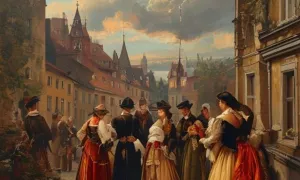
The visualisations are generated by artificial intelligence and serve as inspiration.
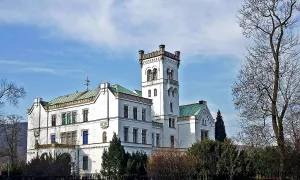
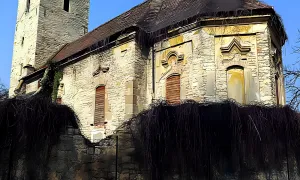
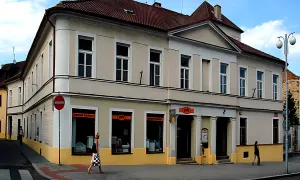
Photos from the area
Real photos taken near the monument


Zdroj a licence jsou uvedeny u každého snímku.
Tips from visitors
No tips yet. Be the first!
Log in and add your tip.
Sources and literature
Photos: Jik jik / CC BY-SA 3.0 — Wikimedia Commons. The author and licence also appear when you hover over the image.
Faktickým podkladem tohoto textu byl článek na Wikipedii, jehož autory jsou přispěvatelé Wikipedie. Článek je dostupný pod licencí CC BY-SA 4.0.
Location on the map

Příběhy a pověsti
Legendy, pověsti a příběhy spjaté s touto památkou
Fotografie návštěvníků
Zatím žádné fotografie. Buďte první, kdo přidá fotografii z návštěvy!
Log in a přidejte svou fotografii nebo hodnoťte.
Za ověřenou návštěvu v aplikaci získáte víc bodů — poznáme podle GPS, že jste na místě.
Reviews and comments