



Židovský hřbitov v Neveklově Jewish cemetery
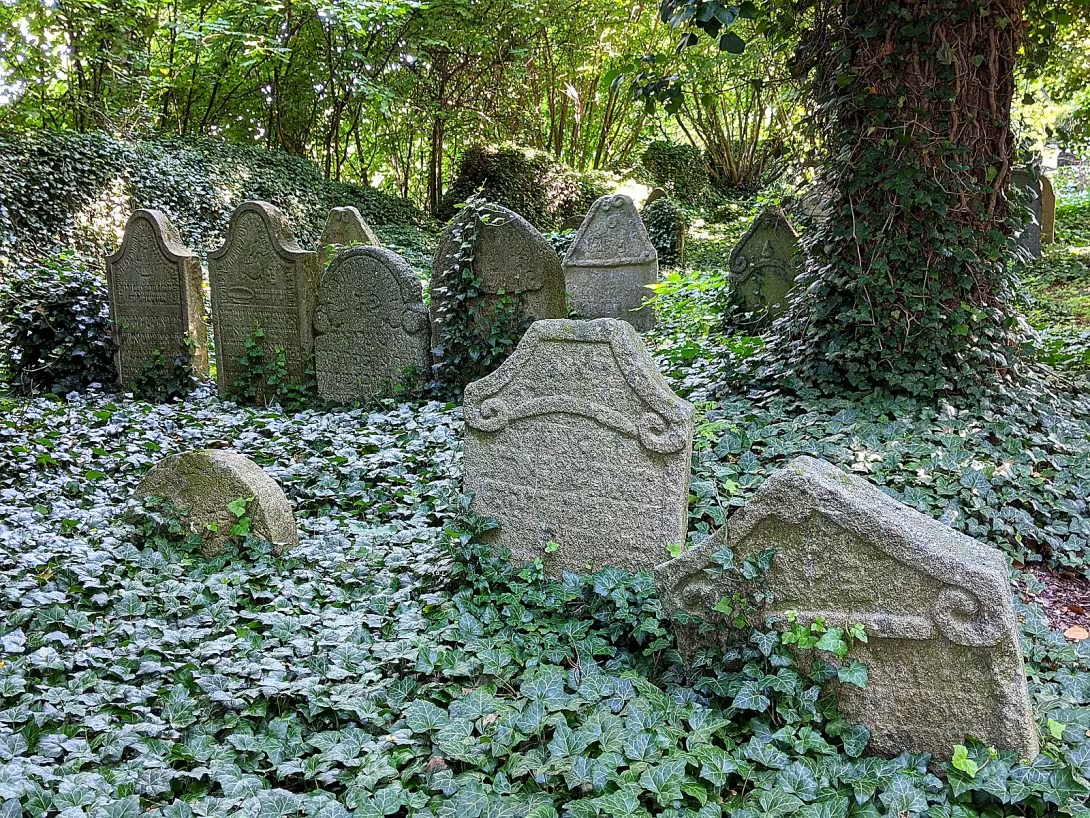
Židovský hřbitov v Neveklově is a classic monument located about 900 metres south of the city center in Benesov. Its existence can date back to 1689, which makes it one of the oldest Jewish cemeteries in the Czech Republic. Thanks to its historical value and architectural features, reflecting the traditions and living conditions of local Jewish communities, it is protected as a cultural monument.
The creation of the cemetery before 1689 confirms the first written mention. At that time, Europe was going through a Baroque period when Jewish communities in Czech countries tried to maintain their culture and religious traditions despite obstacles. The expansion of the cemetery area in 1755 indicates the growing need for a burial site in Neveklov. In the 19th century a simple Classicist morgue was built here, which still underlines the historical character of the place.
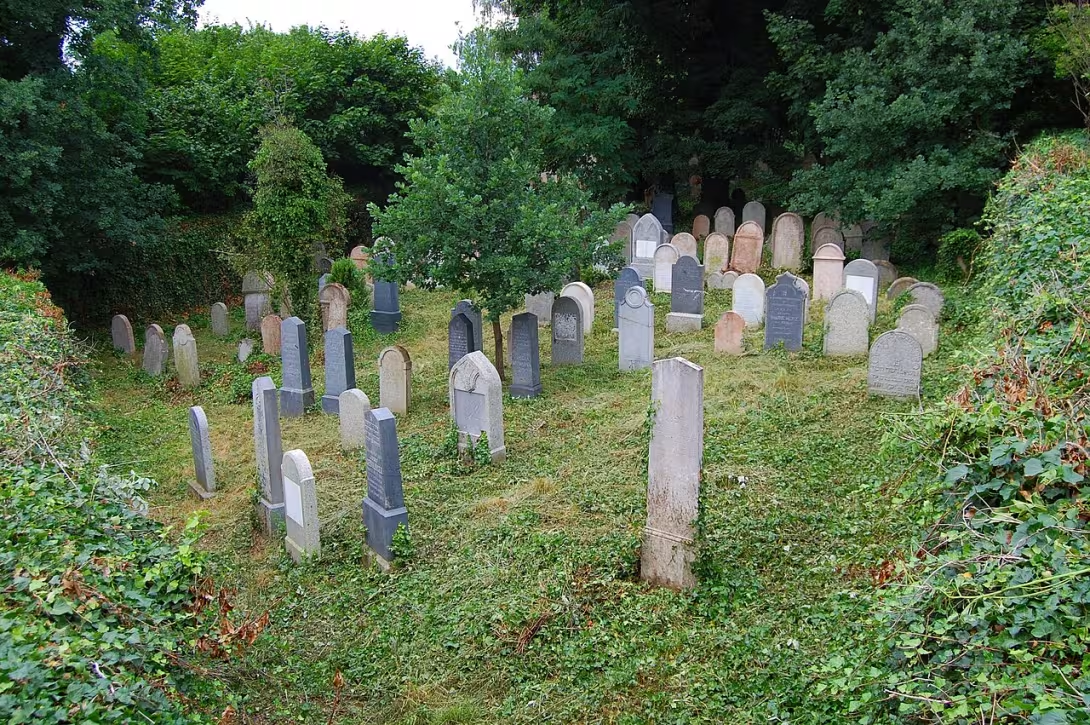
The cemetery with a total surface area of 1999 m ² borders a high stone wall. There are approximately 230 tombstones, the oldest of which date back to 1754- 1755. A key element is the said Classicist morgue. On her shield, the inscription "Dust to Dust" resembles Jewish philosophy and funeral traditions.
The administration and ownership of the cemetery are not documented in detail, but its development is closely linked to the history of the Jewish village of Neveklov. The primary milestones were the first written reports from 1689 and the extension of the site in 1755, indicating the dynamics of the local population.
Today Židovský hřbitov v Neveklově is protected as a cultural monument and is accessible to the public. Its historical value lies not only in architectural features but also in knowledge of living conditions and traditions of Jewish communities in Czech countries. A visit to the cemetery offers a unique opportunity to explore important aspects of the cultural and historical heritage of the region.
The importance of this place lies in its architecture as well as in the history of Jewish communities in our countries. Exploring this area provides a valuable insight into the cultural heritage of the region, which makes the cemetery an important location for every interested person in history.
Then and now
Drag the slider to compare how the landmark may have looked when it was built with the view today.
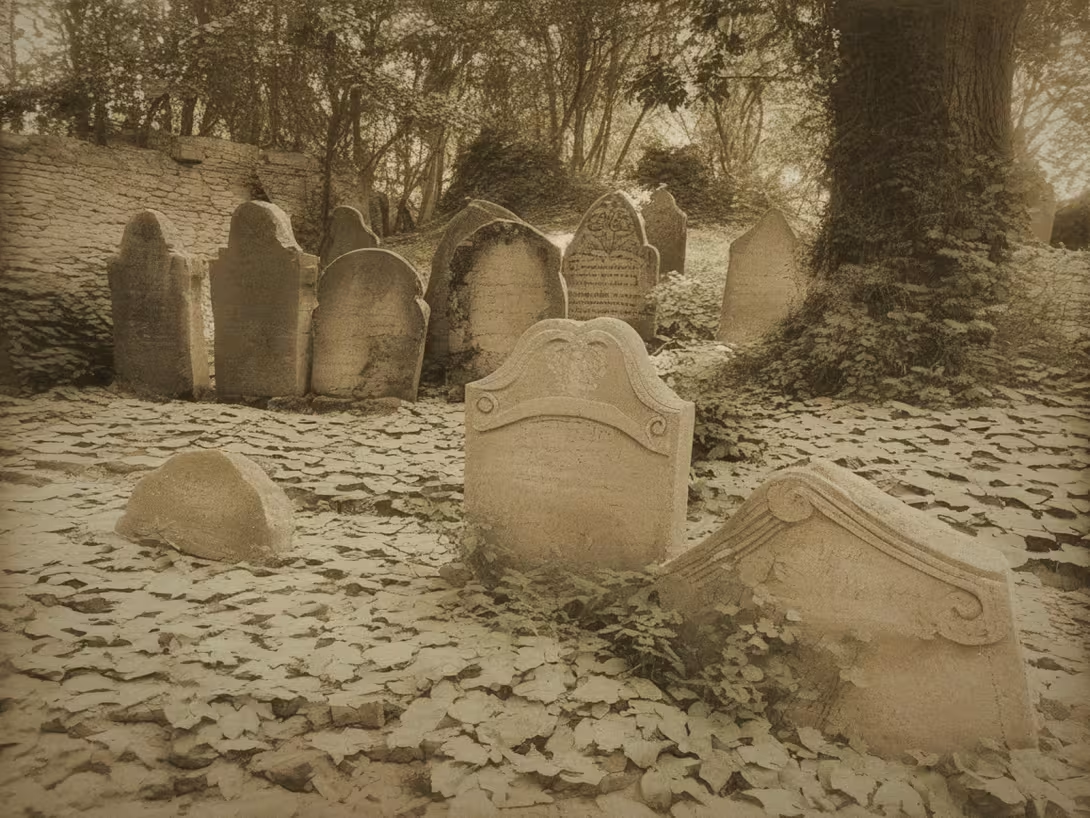
The historical appearance on the left is an AI-generated visualisation and serves as inspiration only.
Historical milestones
- 1689
- First written mention of the existence of the cemetery
- 1754-1755
- The creation of the oldest preserved tombstones
- 1755
- Extension of the cemetery area due to growing need
- 19th Century
- Status of a simple Classicist morgue
Architectural development
The cemetery was expanded in the middle of the eighteenth century. During the nineteenth century, a simple mortuary in classical style was built on site. The area is bounded by a high stone wall.
Historical events
1689: First written mention of the cemetery. 1755: Extension of the cemetery area. 19th century: Building a classical morgue.
Points of interest
- The existence of the cemetery dates back to 1689, which makes it one of the oldest Jewish cemeteries in the Czech Republic. - In the 19th century, a simple Classicist morgue was built here. - The cemetery with a total surface area of 1999 m ² borders a high stone wall. - There are approximately 230 tombstones, the oldest of which date back to 1754- 1755. - It says "Dust to dust" on the shield of the Classicist morgue.
Guide
Show guide text
This text was created by artificial intelligence and has not been editorially reviewed. It may contain inaccuracies.
Welcome to Neveklov. Stop for a second and take a deep breath. Right now, you're standing at the gate of a place that keeps silent testimonies of many generations of people, their hopes, suffering, and everyday life. A high stone wall stands before you, which clearly separates the noise of the outside world and the road leading to Kosovo Mountain from the space of deep peace and respect. This wall is not only a physical boundary, but also a symbol of protection and separation that carries a trace of centuries. Feel this atmosphere of silence and let yourself be carried out by the history that has been written here in stone.
When we look at the origin of this place, we find ourselves in the ancient past. The first written mention of the existence of this Jewish cemetery dates back to 1689. Imagine all that's happened since then. That makes this cemetery one of the oldest Jewish burial sites in our entire state. At the time of its creation, the Jewish community sought a place for its deceased, which would correspond to their traditions and religious regulations. It was a time when the Jewish community in Neveklov was an active part of local life, and this place became a permanent record of their presence in this country.
Now let's focus slowly on what you see around you. The entire cemetery area occupies an area of nearly 2,000 square metres, namely a thousand nine hundred ninety-nine square metres. It is a space that, although compact, is filled with an incredible density of memories. Notice the tombstones that extend before you. There are approximately two hundred and thirty of them. Each of them is unique, each tells their own, though often silent, story.
If you look around and focus your attention on the oldest parts, you can see the trail from the mid-eighteenth century. The oldest preserved tombstones dates from 1754 to 1755. Try to imagine the hands that carved these stones and the people who brought them here with respect. It is fascinating to think that in 1755 the cemetery area was extended. Why did this happen? The answer is simple and human. The need for a place grew along with the community that lived and formed here. The expansion of the cemetery was a natural reaction to the birth of new generations and leaving the old ones.
Now pay attention to one of the architectural dominants of this space. In the nineteenth century, a morgue was built here. It's a building built in a simple classical style. Classicism is characterised by its moderation, purity of lines and absence of unnecessary ornaments, which in this context seems very dignified and humble. This building served as the final destination of the deceased before being placed in the country. Although its architecture is modest, it is an important point throughout the cemetery that concludes the period of prosperity and stability of the local community in the nineteenth century.
When you walk between the tombstones, you might wonder who's actually resting here. Although the names of particular persons may not be known to all today, each of these two hundred and thirty tombstones represents a particular person. They were businessmen, craftsmen, fathers and mothers who helped build Neveklov and its surroundings. Even though we don't know the names of the great personalities that would be written in the history books, it is this anonymity that gives the place special depth. They're voices that have gone silent, but their trail remains in the stone. It is a reminder that history is not only made up of kings and warlords, but, above all, thousands of ordinary people whose lives have intertwined here.
The interesting thing that may interest you is the combination of age and preservation. The fact that the cemetery has existed since the late seventeenth century and still retains its character is rare in our countries. The tall stone wall you saw at the beginning helped protect this space from external influences and oblivion. It's where time stopped. If you look at the layout of the tombstones, see how space adapted to the needs of time. From the first mention of 1689 to enlargement in the eighteenth century to the classicist elements of the nineteenth century, we see the development of a whole century and more.
This monument is today protected as a cultural monument of the Czech Republic. This means that the state recognises its irreplaceable value not only for Neveklov but for our entire history. It is a place that teaches us humility and respect for difference and the traditions that shaped our landscape.
Now I invite you to look around in this space at your own pace. Walk slowly through the space between the tombstones, perceive the texture of the stone and the silence that rules here. Try to imagine what this place looked like 200 years ago, when the morgue was a new building, and the tombstones from the mid-eighteenth century were still fresh. Let yourself be drawn into the atmosphere of this quiet world, which is a bridge between us and our ancestors.
Thank you for spending time with us at the Jewish cemetery in Neveklov. We hope that you are interested in this place and that it makes you think about the flow of time and human destiny. We wish you a pleasant continuation in your discovery and goodbye.
Tips for visitors
For the best experience we recommend a visit on bright days, when sunlight highlights details of historical tombstones. The best place to visit is in a quiet time when you can enjoy the history of this space in the room.
Transport to the place is also possible by car through public transport; The current timetable and connection please check the search engine.
When visiting, it is recommended to bring comfortable shoes to move in uneven terrain and possibly repellent. For lovers of photography are the best moments with low sunlight, which creates interesting shadows between tombstones.
In the vicinity you can visit the city of Neveklov or use the trip to Kosovo Mountain for further exploration. It is advisable for families with children to prepare a short chat about the history of Jewish cemeteries to be a walking experience.
Frequently asked questions
Can the monument be visited?
Cemeteries and graves are usually accessible; please respect the dignity of the place. We have not verified the opening hours of this cemetery.
Where is the monument?
Location: Neveklov, Středočeský kraj. The map on this page shows the exact spot.
Why is the monument protected?
It is listed in the Central List of Cultural Monuments of the Czech Republic as a cultural monument (register no. 1000128013).
Businesses nearby
Do you run a restaurant, accommodation, shop, museum, rental, wellness or other visitor service near this monument? Show yourself directly to the people heading to it — this is how they will see you in the app and on the web:
Events nearby

Zdroj akcí: otevřená data měst a obcí ČR (Národní katalog otevřených dat) a kalendář akcí Národního památkového ústavu.
Nearby
The city of Neveklov and the trip to Kosovo Mountain.
Accommodation nearby
Themed route
City Neveklov - historical center. A short walk around the main class will lead you to local cafes and shops where you can soak up the atmosphere of the picturesque town and prepare for another section of the route.
Židovský hřbitov v Neveklově - cemetery. This quiet area with original 19th century tombstones resembles the rich history of the Jewish community in the region; is an ideal place to reflect and photograph historical monuments. Distance from town about 1 km by local road.
A trip to Kosovo Mountain - a tourist path. After leaving the cemetery, you will take the marked path towards the view of Kosovo Mountain; In a few minutes, a panoramic view of the surrounding landscape will be opened, which will perfectly complement the overall impression of the trip. Distance from the cemetery approximately 500 m.
Seasonal recommendations
Spring brings awakening nature and fresh green, which gently covers old tombstones. The atmosphere is full of hope and renewal, with the morning dew giving the place special cleanliness. We recommend moisture-resistant shoes because the road to the monument can be amused after the rains. An ideal visit in the morning is when the light is softest.
In the summer months the cemetery shines in full sun, creating sharp shadows and highlighting the details of carved inscriptions. The air is hot and the space seems calm and sleepy. Due to summer temperatures and more visitors, it is best to arrive first thing in the morning. Don't forget the headgear and enough fluids to avoid heat.
Autumn season is characterized by golden leaves and melancholy mood, which is perfect for the cemetery environment. Soft evening light underscores the aging of stone and the silence of the surrounding area. Due to the variable weather, choose layered clothes and waterproof jacket. The best time for a walk is late afternoon when the colors of nature most excel.
In winter the cemetery gains a strict and quiet character, especially if the tombstones are covered with a layer of snow. The contrast of the white surface and the dark stone is very impressive and stopped. It is necessary to wear warm clothes and quality winter shoes. Pay attention to shorter opening times and plan to visit in the morning before it starts to get dark soon.
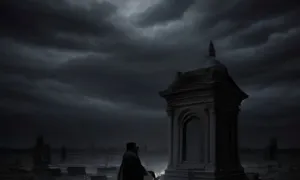
Visualizations and artistic views


The visualisations are generated by artificial intelligence and serve as inspiration.
Photos from the area
Real photos taken near the monument


Zdroj a licence jsou uvedeny u každého snímku.
Tips from visitors
No tips yet. Be the first!
Log in and add your tip.
Sources and literature
Photos: Ladislav Faigl / CC BY-SA 3.0 — Wikimedia Commons. The author and licence also appear when you hover over the image.
Faktickým podkladem tohoto textu byl článek na Wikipedii, jehož autory jsou přispěvatelé Wikipedie. Článek je dostupný pod licencí CC BY-SA 4.0.
Location on the map





Příběhy a pověsti
Legendy, pověsti a příběhy spjaté s touto památkou
Fotografie návštěvníků
Zatím žádné fotografie. Buďte první, kdo přidá fotografii z návštěvy!
Log in a přidejte svou fotografii nebo hodnoťte.
Za ověřenou návštěvu v aplikaci získáte víc bodů — poznáme podle GPS, že jste na místě.
Reviews and comments