






Židovský hřbitov v Rabí Cemetery
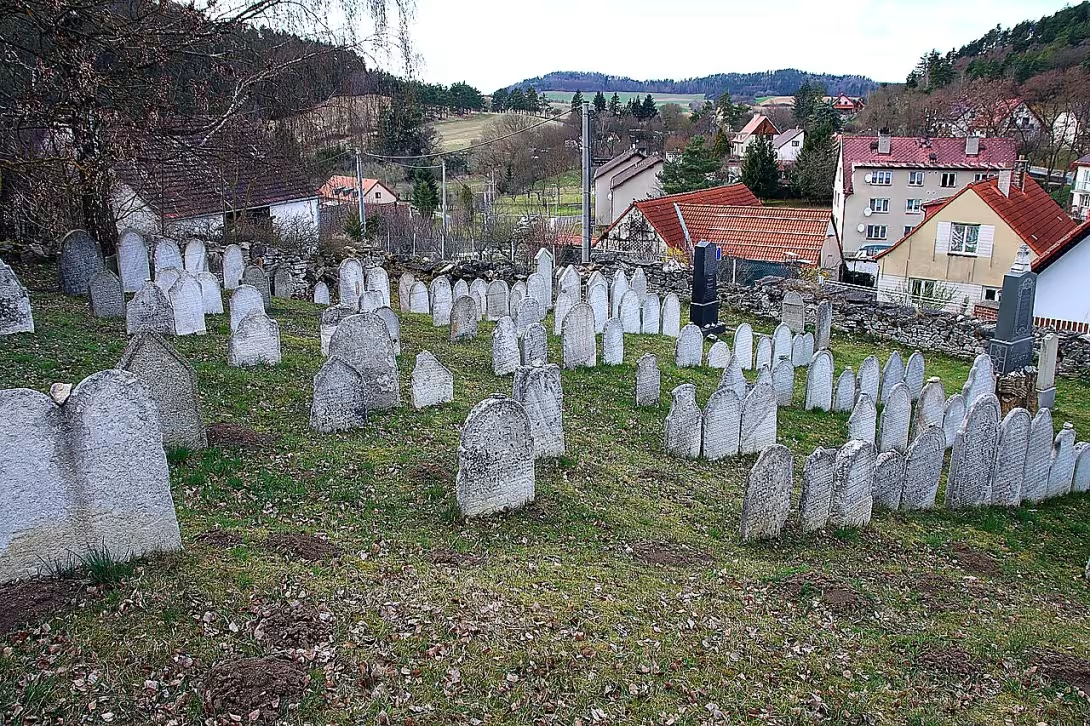
The Jewish Cemetery in Rabí is a significant cultural monument located southwest of the town square, adjacent to the outer wall of the local castle. Established before 1724, it reflects the baroque period and serves as an important historical site for understanding Jewish heritage in the Czech Republic. The cemetery has been protected since its establishment and remains a poignant reminder of the community that once thrived there.
The origins of the Jewish Cemetery date back to before 1724, during a time when Europe experienced significant social and religious changes. This period saw the rise of baroque art and architecture, reflecting both cultural flourishing and complex socio-political dynamics in Bohemia. The cemetery's establishment is part of this broader historical context, marking an era where Jewish communities were integral to the region's development.
Architecturally, the cemetery is characterized by its baroque style, a reflection of the period during which it was established. Over time, more than a hundred gravestones have been preserved within its boundaries. The cemetery’s wall connects seamlessly with the outer fortification of the nearby castle, integrating it into the historical landscape and enhancing its cultural significance.
Ownership and administration details are not extensively documented; however, the cemetery's status as a protected cultural monument underscores its importance to Czech heritage. Its designation ensures that it remains preserved for future generations, highlighting its enduring value within the community.
A key event in the cemetery’s history is the last burial conducted in 1911, marking the end of an era for this historic site. Additionally, local legend adds a layer of cultural richness: placing a stone on the gravestone of Benjamin, son of Jicchak Segal from 1732, is believed to grant a wish if done selflessly and without ill intent. This tradition underscores the cemetery's role not only as a historical site but also as a place imbued with local folklore.
Today, the Jewish Cemetery in Rabí stands as a testament to the region’s rich history and cultural diversity. It remains accessible to visitors interested in exploring its historical significance and architectural beauty. The presence of over a hundred gravestones offers a tangible connection to the past, while the surrounding natural landscapes typical of southern Bohemia provide a serene backdrop for reflection.
The Jewish Cemetery in Rabí is more than just a burial ground; it is a cultural landmark that encapsulates centuries of history and tradition. Its preservation as a protected site ensures that future generations can appreciate its historical significance and architectural beauty. Visitors are invited to explore this poignant reminder of the past, where history and legend intertwine amidst the tranquil landscapes of southern Bohemia.
Then and now
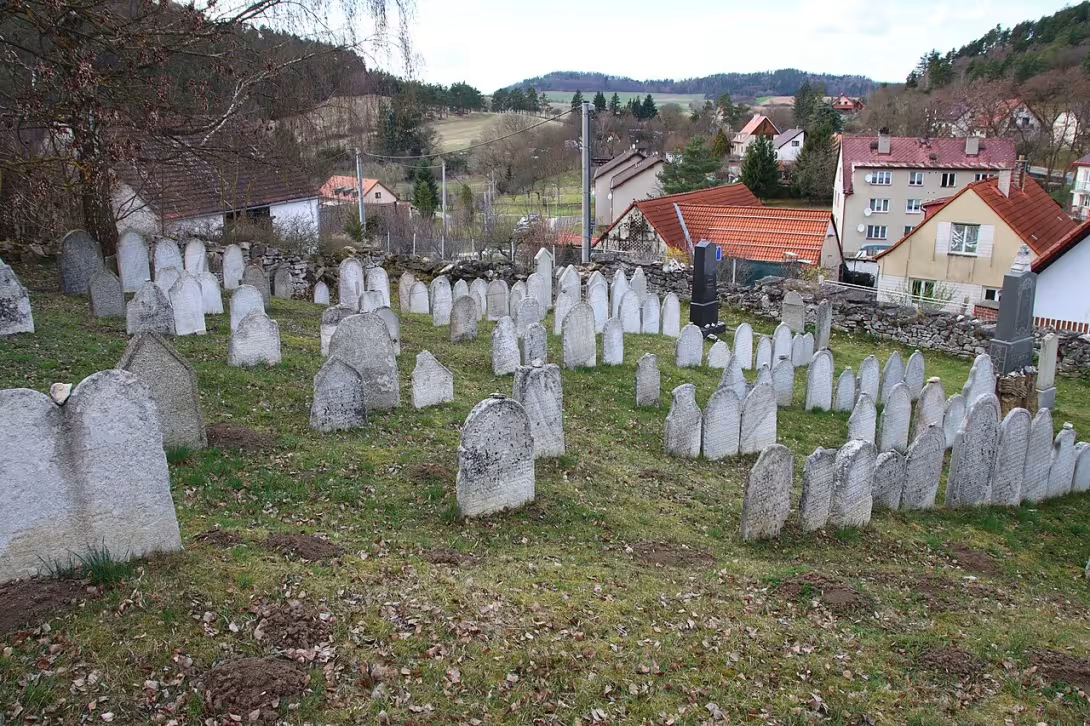
Drag the slider to compare how the landmark may have looked when it was built with the view today.
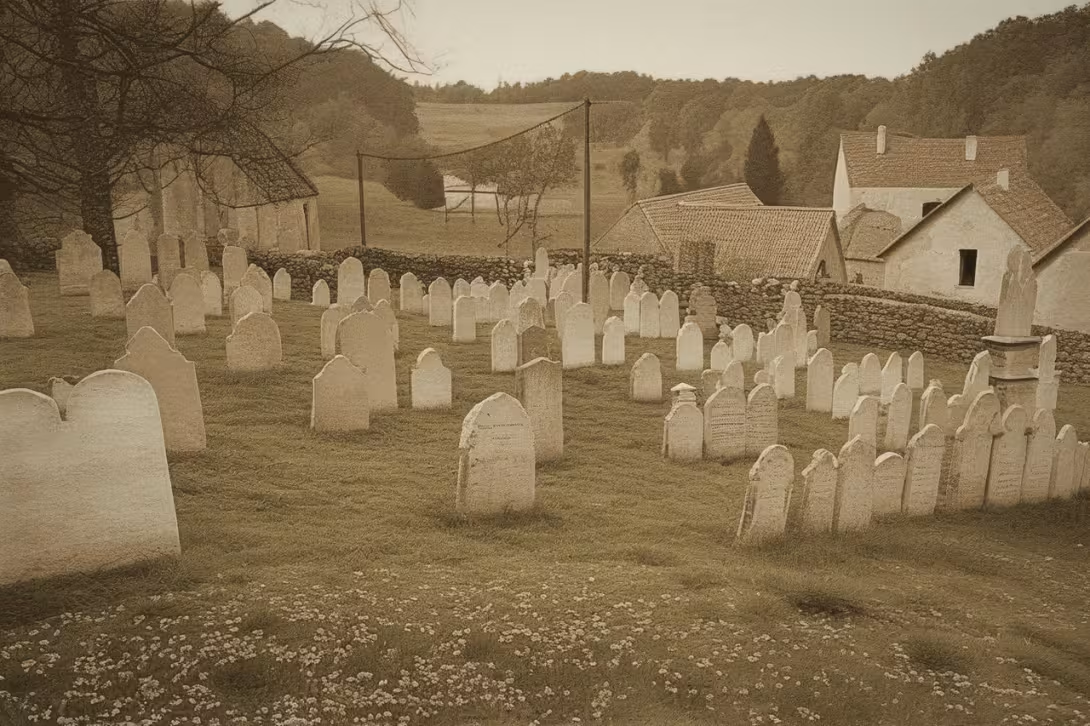
The historical appearance on the left is an AI-generated visualisation and serves as inspiration only.
Historical milestones
- před 1724
- Založení židovského hřbitova v Rabí.
- 1724
- Hřbitov získává status chráněné kulturní památky.
- 1732
- Pohřeb Benjamina, syna Jicchaka Segala.
- 1911
- Poslední pohřeb na hřbitově.
Architectural development
The Jewish Cemetery in Rabí is characterized by its baroque style and has preserved over a hundred gravestones. The cemetery's wall connects to the outer fortification of the nearby castle, integrating it into the historical landscape.
Historical events
The last burial at the cemetery took place in 1911, marking the end of an era for this historic site.
Guide
This guide is narrated by a synthetic voice generated by artificial intelligence.
Show guide text
This text was created by artificial intelligence and has not been editorially reviewed. It may contain inaccuracies.
Welcome to the Jewish cemetery in Rabí, a significant cultural monument located on the southwest side of the square near the outer wall of the local fortress. The cemetery was founded before 1724 and reflects the Baroque era. It is an important historical site that allows us to glimpse into Jewish history in the Czech Republic.
Let's move to the historical context. The cemetery gained protected status as a cultural monument already in 1724. One of the first buried here was Benjamin, son of Jicchak Segal, in 1732. The last burial took place here in 1911.
Notice the unique architectural elements from the Baroque era that are evident here. Take a look at the local gravestones and tombstones, which serve as evidence of Jewish burial customs in Bohemia.
The burial graves in Rabí are exceptional because they reflect one of the few places showing the influence of the Baroque era on Jewish burials in Bohemia.
Now pay attention to the last burial that took place here in 1911.
The cemetery in Rabí is a hidden gem worth exploring. Take a moment and immerse yourself in the history and atmosphere of this site.
Tips for visitors
The best time to visit the Jewish Cemetery in Rabí is during late spring or early autumn, when the weather is mild and pleasant for exploring the outdoor site. These seasons offer vibrant natural landscapes typical of southern Bohemia, enhancing the cultural experience as you walk through the historic grounds. Additionally, visiting outside of peak tourist season ensures a more tranquil atmosphere, allowing visitors to fully appreciate the serene environment near the castle.
The cemetery is accessible by both car and public transport. For specific routes, it's recommended to check a travel planner or map service prior to your trip. This flexibility allows visitors to easily reach the site from various starting points.
When planning your visit, consider bringing comfortable walking shoes and weather-appropriate clothing, as you'll be exploring an outdoor historical site. A camera is also advisable for capturing the picturesque surroundings and unique tombstones that reflect baroque influences. Additionally, carrying a water bottle and some snacks can enhance your experience during longer visits.
Photography enthusiasts will find several spots around the Jewish Cemetery in Rabí ideal for capturing its beauty. The best light conditions are typically during the early morning or late afternoon when the sunlight is softer. Photographing near the outer wall of the castle provides a stunning backdrop, while the natural landscapes offer diverse and scenic compositions.
For those interested in exploring nearby attractions within 30 minutes, consider visiting the historic castle adjacent to the cemetery. The castle's architecture and its proximity to the cemetery make it an excellent complement to your visit. Families with children can enjoy learning about local history and culture at both sites, providing a rich educational experience.
Frequently asked questions
Can the monument be visited?
Cemeteries and graves are usually accessible; please respect the dignity of the place. We have not verified the opening hours of this cemetery.
Where is the monument?
Location: Rabí, Plzeňský kraj. The map on this page shows the exact spot.
Why is the monument protected?
It is listed in the Central List of Cultural Monuments of the Czech Republic as a cultural monument (register no. 1000126112).
Businesses nearby
Do you run a restaurant, accommodation, shop, museum, rental, wellness or other visitor service near this monument? Show yourself directly to the people heading to it — this is how they will see you in the app and on the web:
Events nearby
Zdroj akcí: otevřená data měst a obcí ČR (Národní katalog otevřených dat) a kalendář akcí Národního památkového ústavu.
Nearby
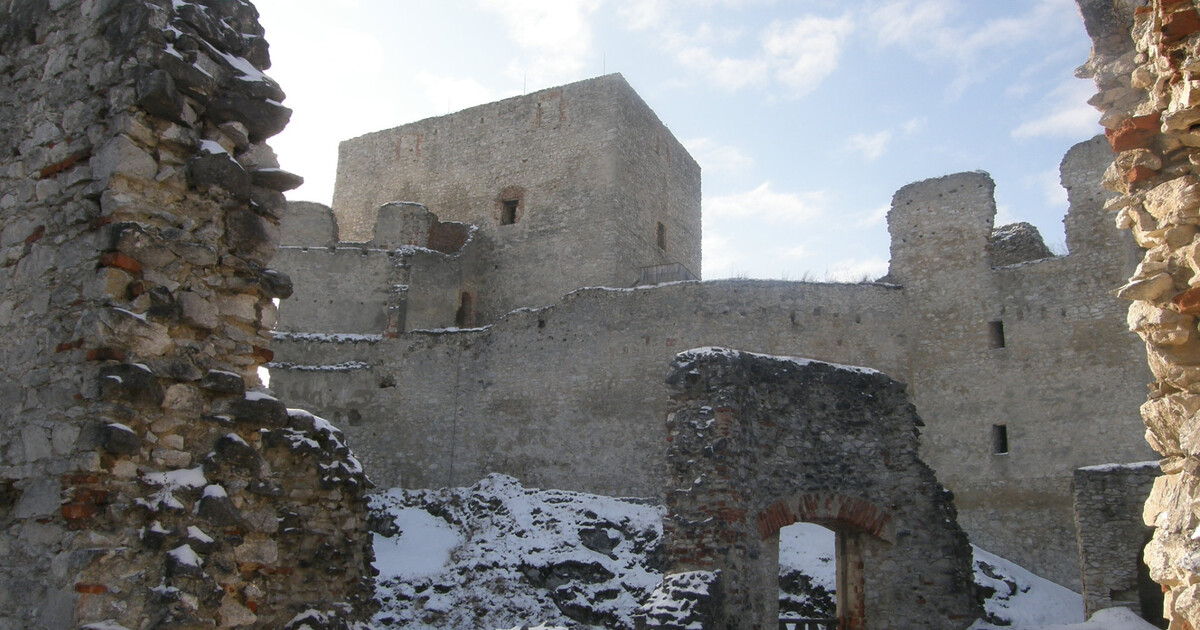
The cemetery is located near the historic castle in Rabí, adding to its cultural significance. The surrounding area includes natural landscapes typical of southern Bohemia.
Accommodation nearby
Themed route
Rabí Heritage Trail
1. Židovský hřbitov v Rabí (Jewish Cemetery in Rabí) Experience the somber atmosphere of this historic Jewish cemetery, a poignant reminder of the community that once thrived in Rabí. The cemetery's unique history and cultural significance make it a must-visit destination.
2. Rabí Castle (Rabí Castle) Explore the historic castle that stands adjacent to the cemetery, offering a glimpse into the region's rich history and architecture. The castle's imposing structure and picturesque surroundings make it a compelling addition to the trail.
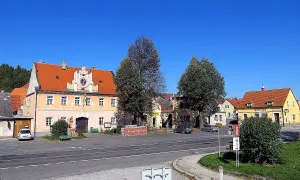
3. Rabí Village Square (Rabí Village Square) Stroll through the charming village square, surrounded by traditional Bohemian architecture and bustling with local life. The square's tranquil atmosphere and picturesque setting provide a pleasant contrast to the somber mood of the cemetery.
4. Rabí Church (Rabí Church) Visit the local church, a beautiful example of Baroque architecture that adds to the cultural and historical significance of the area. The church's stunning interior and peaceful surroundings make it a worthwhile stop on the trail.
5. Rabí Village Houses (Rabí Village Houses) Wander through the narrow streets and admire the traditional village houses, each with its unique character and charm. The houses' well-preserved architecture and picturesque setting make them a delightful addition to the trail.
Seasonal recommendations
Jaro
In the spring, the Jewish Cemetery in Rabí is surrounded by beautiful greenery and flowers that bloom after winter. The atmosphere is calm and quiet, with only the occasional song of birds. It's an ideal time to visit the cemetery to immerse yourself in natural beauty and be touched by memories of the past. We recommend visiting early in the morning or late afternoon to avoid crowds of tourists who come later in the day.
Summer
In the main summer season, the cemetery in Rabí is very popular, so it's best to arrive early to avoid crowds. Sunny weather will allow you to explore the cemetery in all its beauty, but remember to bring sunscreen and water to prevent sunstroke. The atmosphere is relaxed and calm, yet there are many people trying to understand the history and significance of the cemetery. Read about its history and significance to better appreciate what you see.
Autumn
In autumn, the cemetery in Rabí is surrounded by beautiful colors of nature that develop on trees. The atmosphere is calm and quiet, with only occasional wind blowing through the trees. It's an ideal time to visit the cemetery to immerse yourself in natural beauty and be touched by memories of the past. We recommend visiting early in the morning or late afternoon to avoid crowds of tourists who come later in the day.
Winter
In winter, the cemetery in Rabí is surrounded by snow and frost. The atmosphere is calm and quiet, with only occasional snow crunching underfoot as it melts. It's an ideal time to visit the cemetery to immerse yourself in tranquility and be touched by memories of the past. Don't forget to bring warm clothing and shoes to prevent getting cold.
Visualizations and artistic views


The visualisations are generated by artificial intelligence and serve as inspiration.
Photos from the area
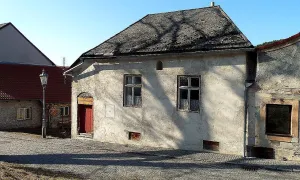
Real photos taken near the monument


Zdroj a licence jsou uvedeny u každého snímku.
Tips from visitors
No tips yet. Be the first!
Log in and add your tip.
Sources and literature
Photos: Draceane / CC BY-SA 4.0 — Wikimedia Commons. The author and licence also appear when you hover over the image.
Faktickým podkladem tohoto textu byl článek na Wikipedii, jehož autory jsou přispěvatelé Wikipedie. Článek je dostupný pod licencí CC BY-SA 4.0.
Location on the map
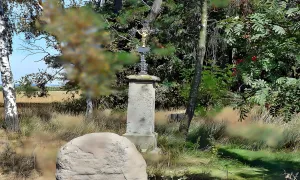

Příběhy a pověsti
Legendy, pověsti a příběhy spjaté s touto památkou
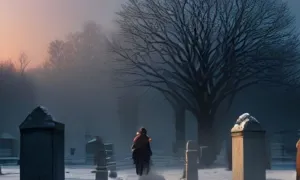
Příběh: Židovský hřbitov v Rabí
Bylo to v pondělí ráno, kdy Martin Rott alespoň na chvíli opustil svůj obvyklý rutinový život ve městském Rabí. Této zimní doby noc byla tichá, i vzdálenost …
Číst příběh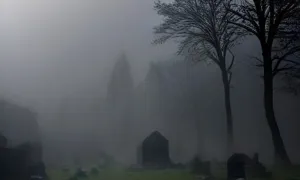
Pověst: Židovský hřbitov v Rabí
Traduje se, že v tichých kopcích šumavského podhůří, kde starý hrad Rabí tyčí své rozlomené věže nad údolím Otavy, leží za mohutnou hradební zdí místo, jež s…
Číst příběhFotografie návštěvníků
Zatím žádné fotografie. Buďte první, kdo přidá fotografii z návštěvy!
Log in a přidejte svou fotografii nebo hodnoťte.
Za ověřenou návštěvu v aplikaci získáte víc bodů — poznáme podle GPS, že jste na místě.
Reviews and comments