






Žihobce Chateau
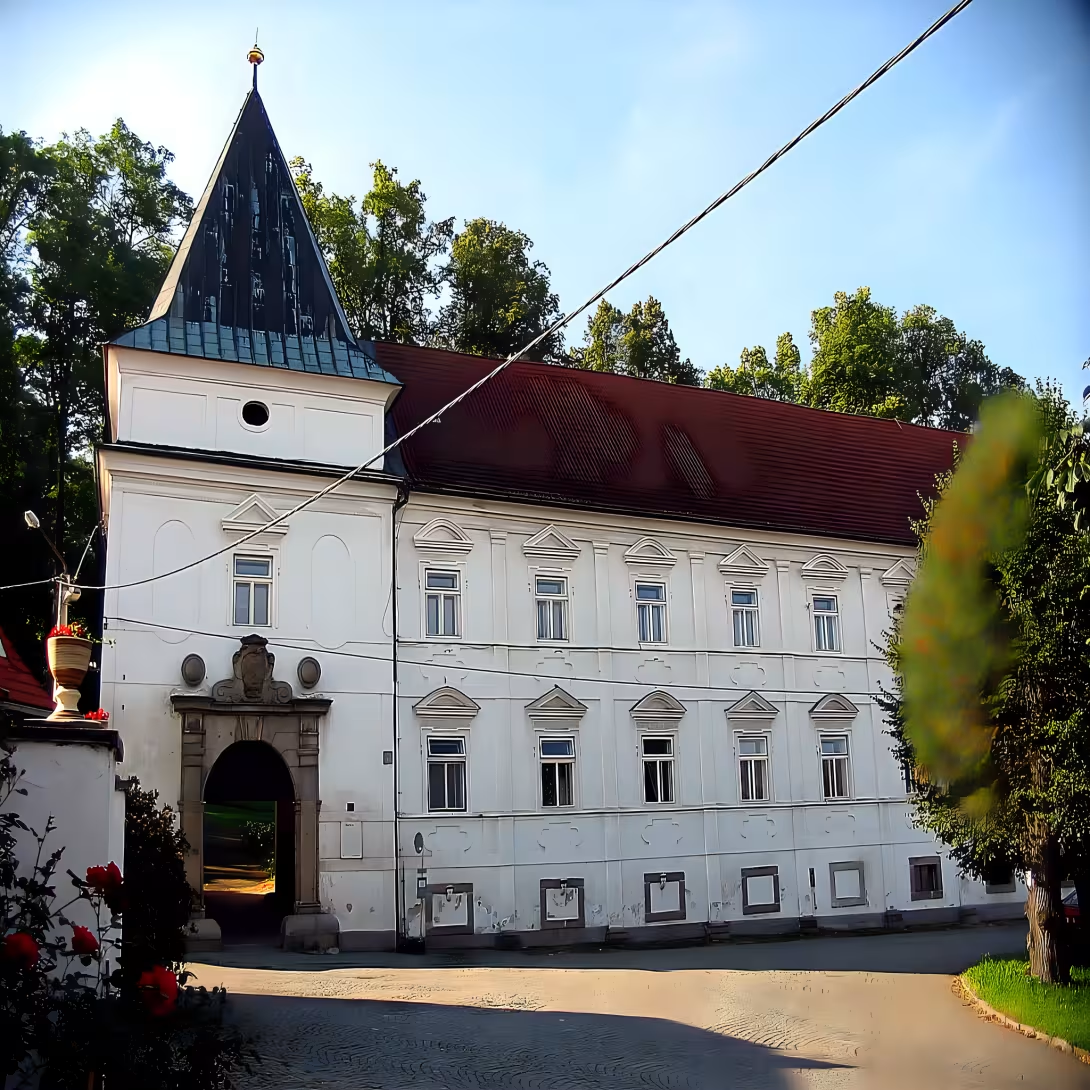
Žihobce Chateau stands as a testament to the rich historical tapestry of the Czech Republic, located in the village of Žihobce within the Plzeňský kraj region. Originally constructed as a fortress that met its demise during the Hussite Wars in the early 15th century, it was later transformed into a baroque chateau by Ferdinand Iselin z Lanau in 1688. This transformation marked a significant architectural and cultural milestone, making Žihobce Chateau not only a historical monument but also an important European site due to its unique colony of small swifts.
The origins of Žihobce trace back to the year 1045 when Duke Bretislav I donated the village to the Břevnov Monastery. Over time, ownership shifted through various noble families and individuals, reflecting the turbulent history of the region. The chateau itself was initially a Renaissance fortress built at the beginning of the 17th century. However, it underwent significant changes in the late 17th century when Ferdinand Iselin z Lanau rebuilt it into its current baroque form, completing this transformation in 1688.
Architecturally, Žihobce Chateau is notable for its transition from a medieval fortress to a baroque chateau. The original structure was destroyed during the Hussite Wars, and its reconstruction under Iselin's direction introduced baroque elements that have stood the test of time. This architectural evolution reflects broader historical trends in Bohemia during the late 17th century, a period marked by political and religious shifts under Habsburg rule.
Ownership of Žihobce Chateau has seen numerous changes over the centuries. Initially held by the Lords of Žihobce, it passed through various hands including Jan Šťastný z Říčan, Kryštof Koc z Dobrše, and Jaroslav Bukovanský z Bukovan. The chateau's fortunes were notably affected by the Battle of White Mountain in 1620 when Emperor Ferdinand II confiscated properties from those who opposed his rule. Subsequently, it became a residence for various former imperial officers and their families, with Ferdinand Iselin choosing Žihobce as his home and commissioning the transformation into a baroque chateau.
Key events in the history of Žihobce Chateau include its destruction during the Hussite Wars and its subsequent rebuilding. The fortress's capture and destruction by Kníže Jindřich I. starší z Minsterberka in 1467 further underscored its strategic importance. The transformation into a baroque chateau under Iselin in 1688 marked a new chapter, reflecting both personal ambition and broader cultural shifts.
Today, Žihobce Chateau is not only a historical monument but also an active site of education and culture. It houses the Lamberská Stezka Museum, which offers insights into the region's history and natural heritage. The chateau grounds are recognized as a cultural monument since 1964, highlighting their significance beyond mere architectural beauty. Despite its remote location, with no railways or major roads passing through, Žihobce Chateau remains accessible to those interested in exploring its rich history.
Visiting Žihobce Chateau offers a unique opportunity to delve into the historical and cultural narratives of Bohemia. Its transformation from a medieval fortress to a baroque chateau encapsulates centuries of change and continuity. The presence of the small swifts adds an ecological dimension, making it not just a site of architectural interest but also one of natural significance. For history enthusiasts and nature lovers alike, Žihobce Chateau is a destination that promises both educational enrichment and serene beauty.
Then and now
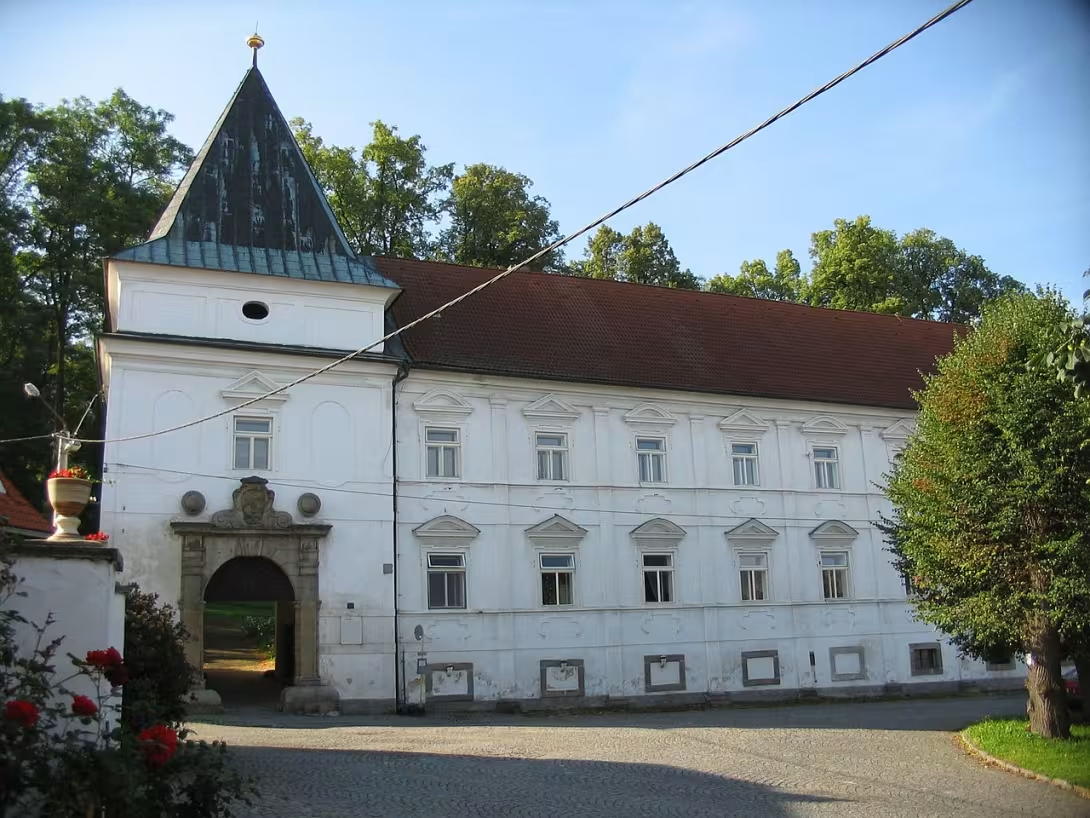
Drag the slider to compare how the landmark may have looked when it was built with the view today.
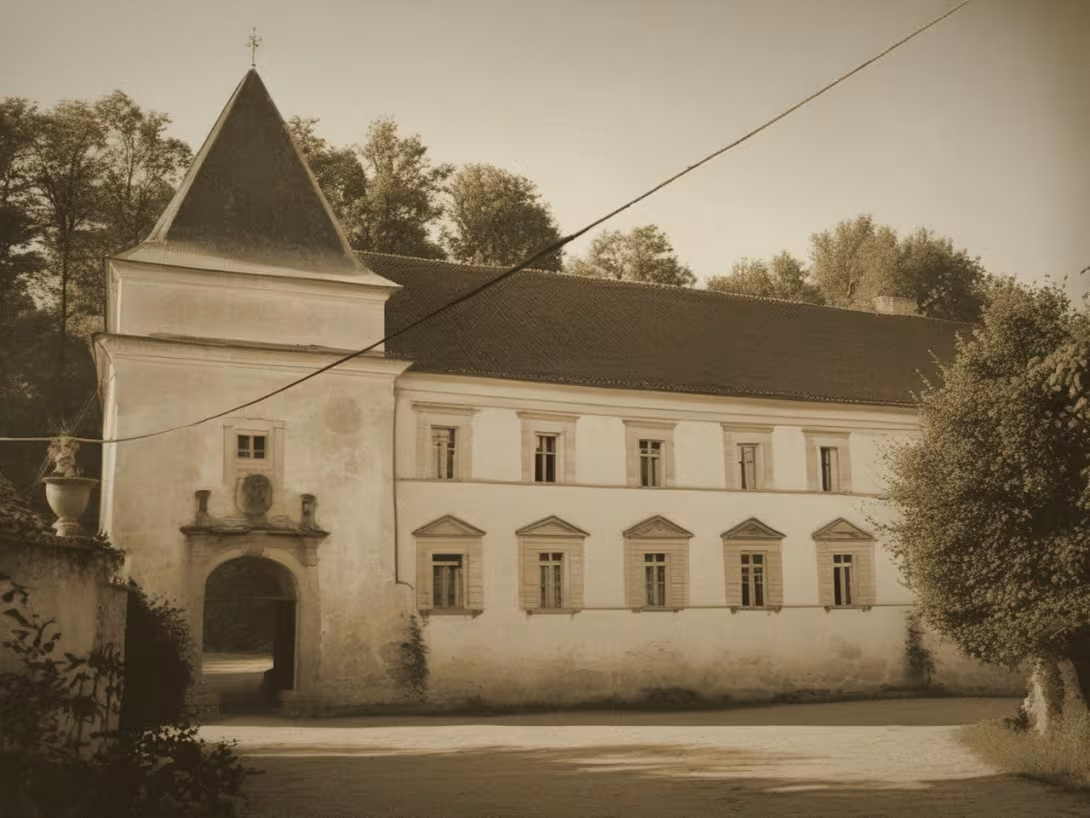
The historical appearance on the left is an AI-generated visualisation and serves as inspiration only.
Historical milestones
- 1461
- The fortress and manor remained deserted after the death of Jošt and Jitka.
- 1467
- Kníže Jindřich I. starší z Minsterberka captured and destroyed the fortress.
- 1688
- The old fortress was transformed into a baroque chateau by Ferdinand Iselin z Lanau.
Architectural development
Originally a medieval fortress, Žihobce was rebuilt after its destruction during the Hussite Wars. In the late 17th century, it underwent significant transformation into a baroque chateau under Ferdinand Iselin z Lanau, marked by the completion year of 1688 on the second floor.
Historical events
The fortress was destroyed during the Hussite Wars in the early 15th century.
Rebuilt and transformed into a baroque chateau by Ferdinand Iselin z Lanau, completed in 1688.
Owners
Racek ze Žihobic (1350–1383)
Jan Šťastný z Říčan (1548–1556)
Kryštof Koc z Dobrše (1556–1609)
Lidmila, rozená Černínové z Chudenic (1613–1623)
Jaroslav Bukovanský z Bukovan (1623–1627)
Martin de Hoeff-Huerta (1627–post-1700)
Ferdinand Iselin z Lanau (late 17th century)
Anna Iselinová z Lanou (early 18th century)
Johann Philipp von Lamberg (1710–1945)
Points of interest
- The small colony of swifts nesting at Žihobce Chateau is a unique ecological feature that has drawn the attention of ornithologists and conservationists from across Europe, making it an important site for bird protection efforts.
- During its transformation into a baroque chateau in 1688, Ferdinand Iselin z Lanau incorporated innovative architectural features uncommon for rural chateaux at the time, such as intricate stucco work and elaborate frescoes that have remarkably withstood centuries of weathering.
- The chateau's history is marked by an unusual series of ownership changes, including a period when it was held by former imperial officers who had fallen out of favor with Emperor Ferdinand II after the Battle of White Mountain, reflecting the broader political turbulence of 17th-century Bohemia.
- Despite its remote location and lack of direct transportation links, Žihobce Chateau has become an educational hub, hosting events like medieval festivals that recreate historical life in Bohemia, attracting visitors interested in immersive cultural experiences.
- The Lamberská Stezka Museum within the chateau grounds not only showcases regional history but also features a collection of artifacts from the Hussite Wars, offering rare insights into this tumultuous period and its impact on local communities.
Guide
This guide is narrated by a synthetic voice generated by artificial intelligence.
Show guide text
This text was created by artificial intelligence and has not been editorially reviewed. It may contain inaccuracies.
Welcome to the historic site of Žihobce Chateau, nestled in the charming village of Žihobce within the Plzeňský kraj region. As you stand here, take a moment to soak in the serene landscape that cradles this remarkable structure. The chateau's presence is both commanding and inviting, with its baroque architecture standing as a testament to resilience and transformation through centuries.
Let’s delve into its origins. Žihobce was once a fortress, which met its demise during the tumultuous Hussite Wars in the 15th century. Following the death of Jošt and Jitka in 1461, this stronghold lay deserted, echoing with memories of its past inhabitants. It wasn’t until 1467 that Kníže Jindřich I. starší z Minsterberka captured and destroyed it, leaving behind a legacy of ruins.
Fast forward to the late 17th century, when Ferdinand Iselin z Lanau undertook an ambitious project in 1688. He transformed these remnants into what we see today—a magnificent baroque chateau. As you gaze upon its grandeur, imagine the vision and determination required to breathe new life into such a site.
Now, take a closer look at the architecture that surrounds you. The chateau's elegant façade is a marvel of baroque design, characterized by symmetry and ornate detailing. Notice how the structure has been seamlessly integrated with nature, creating an enchanting harmony between man-made artistry and the natural world.
Throughout its history, Žihobce Chateau has been associated with notable figures such as Racek ze Žihobic, Jan Šťastný z Říčan, Kryštof Koc z Dobrše, and of course, Ferdinand Iselin z Lanau. Each played a role in shaping the narrative of this site, leaving an indelible mark on its legacy.
One of the chateau's most fascinating features is its small colony of swifts nesting within its walls. This unique ecological aspect has drawn attention from ornithologists and conservationists across Europe. The presence of these birds adds another layer to the chateau’s allure, highlighting its importance as a site for bird protection efforts.
As you continue your exploration, let yourself be captivated by the stories embedded in every stone and corner of Žihobce Chateau. Each step through this historic landscape offers new insights into a past that is both turbulent and transformative.
Thank you for joining us on this journey through time at Žihobce Chateau. We invite you to continue discovering its many wonders, as each visit reveals more of its rich tapestry of history. Safe travels as you venture further into the heart of Plzeňský kraj!
Tips for visitors
The best time to visit Žihobce Chateau is during late spring through early autumn, specifically from May to September. This period offers pleasant weather ideal for exploring the chateau grounds and enjoying the surrounding landscapes of Plzeňský kraj. The natural beauty in this season enhances your experience, with vibrant greenery and blooming flowers adding charm to the picturesque setting.
The village of Žihobce itself provides a quaint setting that complements the historical ambiance of the chateau.
When visiting Žihobce Chateau, it's advisable to bring comfortable walking shoes as there may be uneven paths within the grounds. Additionally, consider bringing a hat and sunscreen for protection against the sun during your visit in warmer months. A camera is recommended to capture the stunning views and architectural details of the chateau.
For photography enthusiasts, some of the best spots at Žihobce Chateau include capturing sunrise or sunset when the light beautifully illuminates the structure and surrounding landscapes. The baroque architecture provides excellent opportunities for both wide-angle shots and detailed close-ups. Early morning or late afternoon visits are ideal to avoid harsh midday lighting.
Nearby attractions within a 30-minute drive from Žihobce Chateau include other historical sites that contribute to the region's rich cultural heritage. Exploring these nearby locations can provide additional context and appreciation for the area’s history, making it an enriching experience for visitors interested in both architecture and nature.
Frequently asked questions
Can the monument be visited?
Some buildings of this kind are open for guided tours, others serve another purpose or are privately owned. We have not verified whether and when this monument is open – please ask the operator.
What are the opening hours and admission?
We have not verified the opening hours or admission. Current information is published by the operator.
Where is the monument?
Location: č.p. 9, Žihobce, Plzeňský kraj. The map on this page shows the exact spot.
Why is the monument protected?
It is listed in the Central List of Cultural Monuments of the Czech Republic as a cultural monument (register no. 26552/4-3525).
Businesses nearby
Do you run a restaurant, accommodation, shop, museum, rental, wellness or other visitor service near this monument? Show yourself directly to the people heading to it — this is how they will see you in the app and on the web:
Events nearby
Zdroj akcí: otevřená data měst a obcí ČR (Národní katalog otevřených dat) a kalendář akcí Národního památkového ústavu.
Nearby
Žihobce is surrounded by picturesque landscapes typical of the Plzeňský kraj region. The area includes natural features and other historical sites, contributing to its cultural significance.
Accommodation nearby
Themed route
Thematic Tour Itinerary: Žihobce Chateau and Surroundings
1. Žihobce Chateau (Zámek Žihobce)
Type: Historic Chateau
Why Visit: Begin your journey at the majestic Žihobce Chateau, a quintessential example of Renaissance architecture in the Plzeňský kraj region. Explore its rich history and enjoy panoramic views from the chateau's towers that capture the essence of this picturesque landscape.
2. Church of St. James (Kostel svatého Jakuba)
Type: Historic Church
Why Visit: A short walk from Žihobce Chateau, the Church of St. James is a significant cultural landmark with stunning baroque architecture. Its serene atmosphere and intricate design make it an ideal spot for reflection and appreciation of local religious art.
3. Žihobce Town Square (Náměstí v Žihobcích)
Type: Historic Town Center
Why Visit: Stroll through the charming town square, surrounded by traditional buildings that reflect the area's historical significance. This vibrant hub offers a glimpse into local life and culture, perfect for experiencing authentic Czech hospitality.
4. Žihobce Chateau Gardens (Zámecké zahrady v Žihobcích)
Type: Historic Garden
Why Visit: Adjacent to the chateau, these meticulously maintained gardens showcase a variety of plant species and offer peaceful walking paths. The gardens are an excellent place for nature lovers to unwind while enjoying the blend of natural beauty and historical landscaping.
5. Local Craftsmen's Workshops (Místní řemeslnické ateliéry)
Type: Cultural Experience
Why Visit: Conclude your tour by visiting local craftsmen's workshops, where you can witness traditional skills in action. This experience provides insight into the region’s cultural heritage and offers unique souvenirs crafted with care.
This itinerary offers a balanced exploration of Žihobce Chateau and its immediate surroundings, providing insights into both historical architecture and local culture.
Seasonal recommendations
Spring: Visiting Žihle during spring offers a rejuvenating experience as the landscape bursts into life with vibrant colors and fresh blooms, creating an idyllic setting for exploring the historic Zámecký Park. The gentle warmth of the season enhances the natural beauty surrounding the chateau, making it perfect for leisurely strolls through its lush gardens. Visitors are advised to dress in layers, as temperatures can vary throughout the day, and early mornings or late afternoons provide a more serene atmosphere with fewer crowds.
Summer: Summer at Žihle is marked by long days filled with sunshine, ideal for exploring both the chateau's rich history and its scenic surroundings. The warm weather encourages outdoor activities, such as picnicking in the park or taking leisurely walks along the nearby river. This season sees a higher influx of visitors, so arriving early can help avoid larger crowds. Comfortable walking shoes and light clothing are recommended to fully enjoy the chateau's attractions during this peak tourist period.
Autumn: Autumn brings a stunning display of fall foliage at Žihle, transforming the landscape into a tapestry of reds, oranges, and yellows that beautifully complements the historic architecture of the chateau. The cooler temperatures make for comfortable exploration without the summer heat, and the milder crowd levels allow for a more intimate experience with the site's history and natural beauty. Visitors should consider bringing a light jacket or sweater to stay cozy during their visit.
Winter: Winter at Žihle offers a unique charm as snow blankets the chateau grounds, creating a picturesque setting that enhances its historic allure. Wearing warm clothing and sturdy boots will ensure comfort while exploring the site during this serene season. Despite fewer visitors due to the cold weather, it's an excellent time to enjoy the chateau's architecture without the bustle of summer crowds.
Visualizations and artistic views


The visualisations are generated by artificial intelligence and serve as inspiration.
Photos from the area
Real photos taken near the monument


Zdroj a licence jsou uvedeny u každého snímku.
Atmosphere of the place
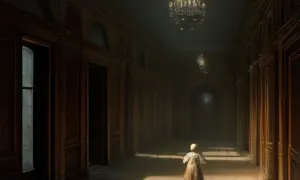
This atmospheric visualisation of the place and period was generated by artificial intelligence. It is not real footage of the location.
Tips from visitors
No tips yet. Be the first!
Log in and add your tip.
Sources and literature
Photos: Nissan0 / CC BY-SA 3.0, rozlišení zvýšeno umělou inteligencí — Wikimedia Commons. The author and licence also appear when you hover over the image.
Faktickým podkladem tohoto textu byl článek na Wikipedii, jehož autory jsou přispěvatelé Wikipedie. Článek je dostupný pod licencí CC BY-SA 4.0.
Location on the map



Příběhy a pověsti
Legendy, pověsti a příběhy spjaté s touto památkou
Fotografie návštěvníků
Zatím žádné fotografie. Buďte první, kdo přidá fotografii z návštěvy!
Log in a přidejte svou fotografii nebo hodnoťte.
Za ověřenou návštěvu v aplikaci získáte víc bodů — poznáme podle GPS, že jste na místě.
Reviews and comments