



A-4/51/A-200 Y Light fortifications
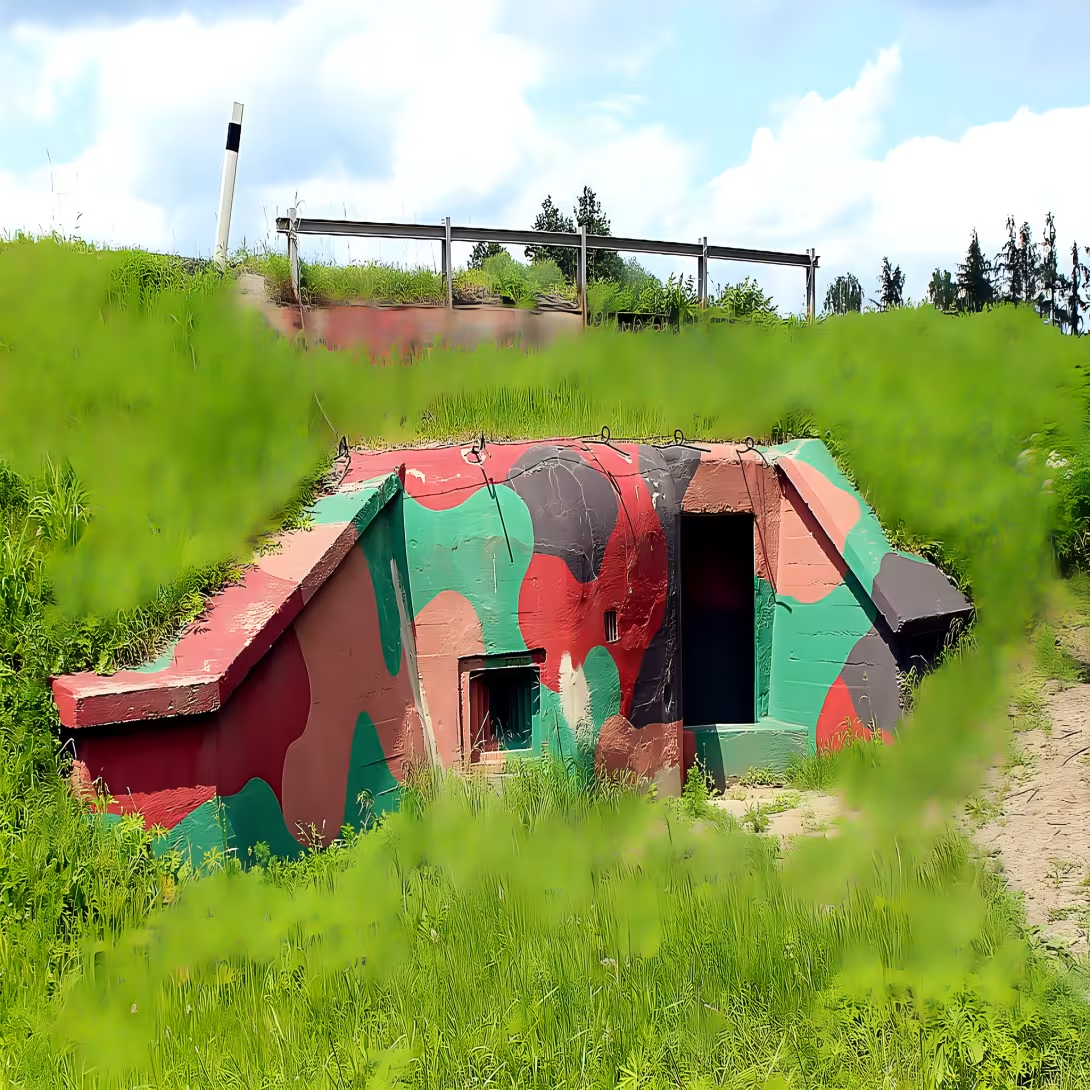
The A4/51/A-200 bunker is a unique historical monument located under a road between Bratronice and Dolní Bezděkov in the Central Bohemian Region of the Czech Republic. This structure forms part of the Prague Line defense system, designed to slow potential advances by German forces during World War II. The bunker features two protruding shooting galleries on either side of a road embankment, with its roof formed by the roadway itself. Managed by the Sládečkový vlastivědné muzeum in Kladno, this site offers insight into Czechoslovakia’s defensive strategies during escalating European tensions.
Constructed between August 3 and September 25, 1937, by the Dajbych company, the bunker was part of Czechoslovakia's efforts to fortify its territory against potential conflict with Germany. Its strategic placement along the Prague Line highlights the nation’s anticipation of military threats as Europe neared war. Designed following the 'pattern 37', it uniquely integrated into a road embankment—an approach atypical both nationally and internationally.
Architecturally, the bunker is notable for its integration with surrounding infrastructure. The shooting galleries extend from either side of the embankment, allowing coverage of an angle of 200 degrees to defend against potential threats along the valley of the nearby Loděnice stream. This design ensured that a seven-man crew could effectively manage operations, including machine gunners, loaders, observers, and ventilation operators.
Ownership and administration have changed over time. Initially constructed by Dajbych, it became part of Středočeský kraj's assets in 2012. The Sládečkový vlastivědné muzeum in Kladno now manages this historical site, overseeing its preservation and operation.
The bunker has witnessed several key events throughout its history. Following the German occupation of Czechoslovakia in 1939, attempts were made to destroy it; however, these efforts were abandoned to avoid damaging the road above. Instead, the structure was filled with concrete and covered with stones. Restoration began earnestly in 1992 by enthusiasts dedicated to preserving this piece of history. On January 23, 2017, its significance was further recognized when it was designated as a cultural monument of the Czech Republic.
Today, the A4/51/A-200 bunker stands as a testament to pre-war Czechoslovakia's strategic military planning and offers visitors an opportunity to explore this unique piece of history. Managed by experts at the Sládečkový vlastivědné muzeum in Kladno, it provides educational insights into the era's defensive architecture and strategies. Visitors are invited to delve into this intriguing site, reflecting on its historical significance while appreciating its preservation as a cultural monument.
Then and now
Drag the slider to compare how the landmark may have looked when it was built with the view today.
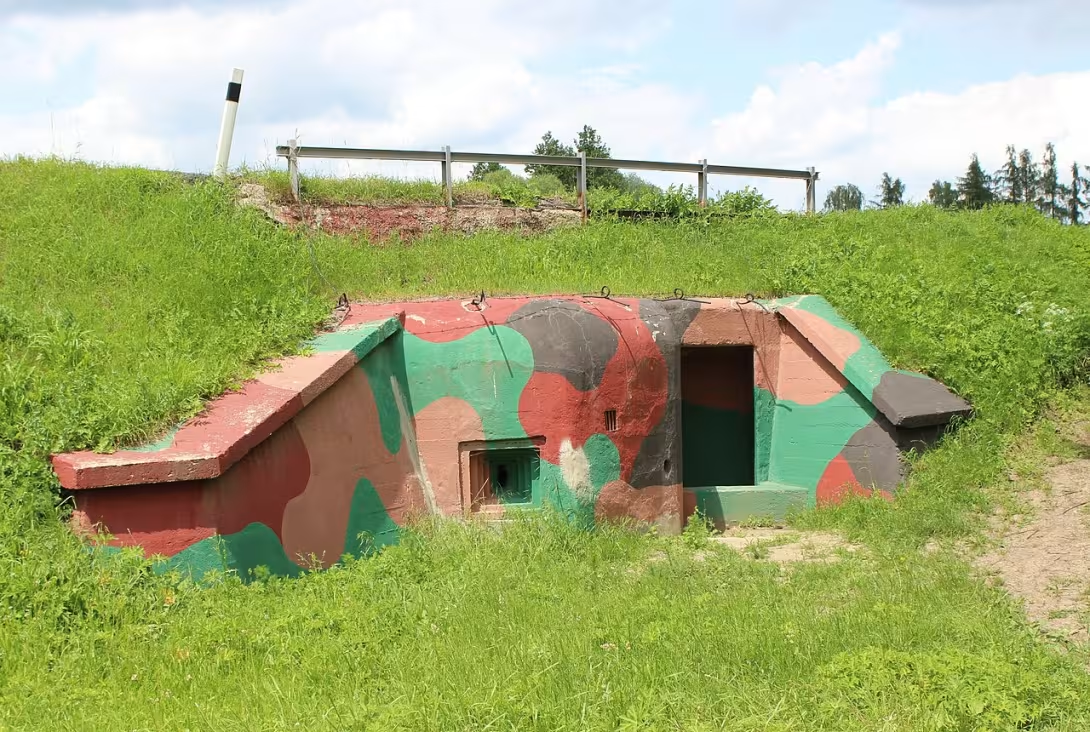
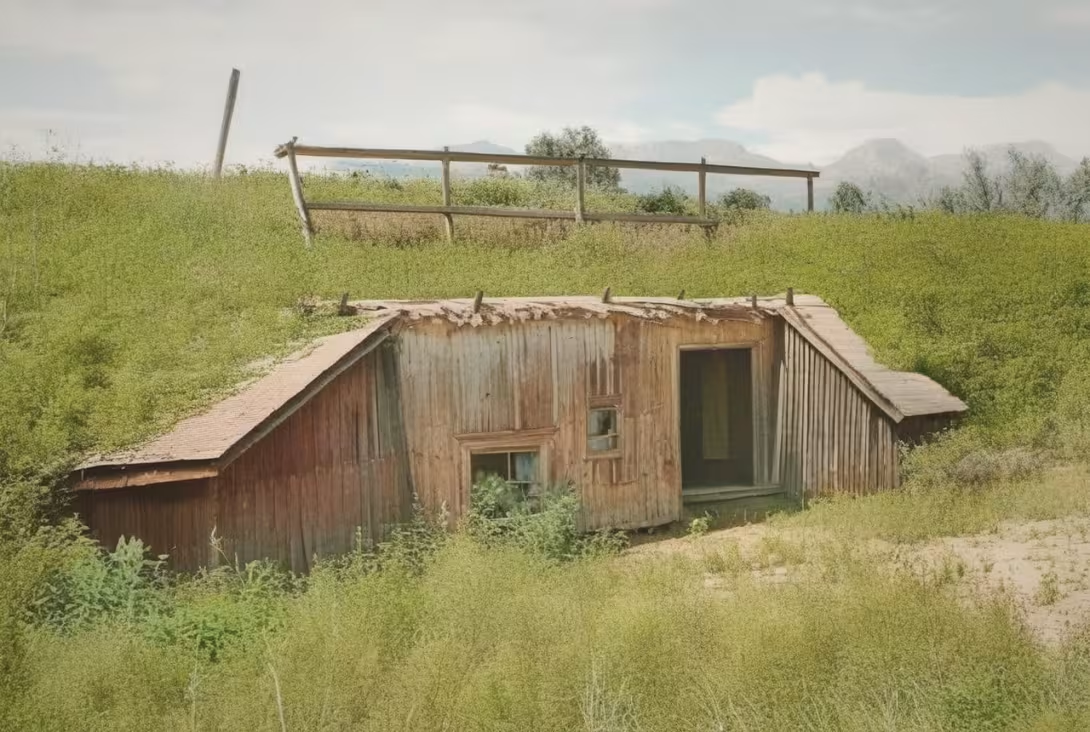
The historical appearance on the left is an AI-generated visualisation and serves as inspiration only.
Historical milestones
- 1937
- Construction completed between August 3 and September 25.
- 1939
- German forces attempted to destroy the bunker but ultimately filled it with concrete and covered it with stones.
- 1992
- Restoration efforts began by enthusiasts.
- 2017
- Designated as a cultural monument of the Czech Republic.
Architectural development
The bunker was constructed following the 'pattern 37' design and uniquely integrated into a road embankment. It features two shooting galleries on either side and is designed to cover an angle of 200 degrees for defensive purposes. The structure's roof is formed by the roadway above it, making its construction atypical both nationally and internationally.
Historical events
Constructed between August 3, 1937, and September 25, 1937, as part of Czechoslovakia's defensive preparations.
In 1939, after the German occupation, attempts were made to destroy the bunker but were abandoned to avoid damaging the road above it. It was subsequently filled with concrete and covered with stones.
Restoration efforts began in 1992 by enthusiasts.
On January 23, 2017, the bunker was designated as a cultural monument of the Czech Republic.
Owners
Constructed by Dajbych company from August to September 1937; became property of Středočeský kraj in 2012 and is currently managed by the Sládečkový vlastivědné muzeum in Kladno.
Points of interest
- The A4/51/A-200 bunker was designed to be camouflaged by the road above it, making it one of the few military structures in Europe integrated directly into a roadway embankment. This unique design allowed for both concealment and strategic defense coverage.
- During World War II, when German forces occupied Czechoslovakia, there were plans to destroy the bunker. However, these plans were abandoned to avoid damaging the road above, leading to its partial destruction by filling it with concrete and covering it with stones—a method that preserved much of its structure for future restoration.
- The bunker's design allowed a seven-man crew to operate effectively from within, including machine gunners, loaders, observers, and ventilation operators. This setup was essential for maintaining prolonged defensive operations during tense periods leading up to World War II.
- Restoration efforts began in 1992 by history enthusiasts dedicated to preserving the site as an important piece of Czechoslovakia's military heritage. These efforts culminated in its designation as a cultural monument on January 23, 2017, recognizing its historical significance.
- Managed by the Sládečkový vlastivědné muzeum in Kladno, the bunker not only serves as a preserved historical site but also offers educational insights into Czechoslovakia's defensive strategies and architectural ingenuity during the pre-war era.
Guide
This guide is narrated by a synthetic voice generated by artificial intelligence.
Show guide text
This text was created by artificial intelligence and has not been editorially reviewed. It may contain inaccuracies.
Below the road between Bratronice and Dolní Bezděkov in the Kladno area there is a hidden unusual bunker. It bears the designation A 4 over 51 over A 200 and belongs to the Prague Line. This fortification line stretched from Mělník through Slaný and Beroun to the Vltava River near Slapy and was meant to slow down the expected advance of German troops.
The bunker was built by the Dajbych company between August 3rd and September 25th, 1937. The construction was not simple. The structure is located very close to the Loděnice stream, so water had to be pumped out of the construction pit. The foundation level also received special insulation.
What is most remarkable is the location of the bunker. It is built directly into the road embankment and its roof forms the road surface itself. Such a solution is unusual even in international comparison. The structure corresponds to light fortification model 37. On both sides of the embankment, firing positions protrude to the side. Their gun ports form an angle of two hundred degrees. If combat had occurred, the garrison could have fired lengthwise along the stream valley from there.
The garrison was to consist of seven men. These were two machine gunners, two loaders, two observers, and one man who operated the ventilation.
After the occupation of Czechoslovakia in 1939, the German occupiers attempted to destroy the bunker. However, they abandoned their intention because they did not want to damage the road that ran over it. The bunker was therefore filled with concrete and covered with stones.
Enthusiasts began restoring it in 1992. Since 2012 it has been the property of the Central Bohemia Region. It is managed by the Sládek Regional Museum in Kladno, which also participates in its operation. Since January 23rd, 2017, the bunker has been a protected cultural monument.
Tips for visitors
The best time to visit the A-4/51/A-200 bunker is during late spring or early autumn. These seasons offer pleasant weather, making it comfortable for walking around the site and exploring its surroundings. Additionally, visiting outside of peak tourist season means fewer crowds, allowing you a more intimate experience with this historical fortification.
Parking at the A-4/51/A-200 bunker is convenient as there are designated areas near the entrance. For those preferring public transport, local buses serve routes that pass through nearby towns such as Bratronice and Dolní Bezděkov. It's advisable to check a transportation app or website for current schedules and connections.
When visiting the bunker, it's recommended to bring comfortable walking shoes, especially if you plan to explore the surrounding area. A camera is also essential for capturing the unique architecture of the bunker and its historical significance. Don't forget water and snacks, as there are limited facilities on-site.
For photography enthusiasts, the best spots around the bunker offer a mix of natural light and shadow, particularly in the early morning or late afternoon. The entrance and surrounding landscape provide dramatic backdrops for photos. Be mindful of lighting conditions to capture the bunker's details effectively.
Nearby attractions within 30 minutes include the scenic landscapes along the Vltava River, offering opportunities for picnics and leisurely walks. For families with children, consider visiting local parks or exploring the natural beauty of the area, which provides a relaxing environment after touring the historical site.
Frequently asked questions
Can the monument be visited?
Yes. We verified the opening hours or admission on the official website (12. 8. 2026); you will find them in the visitor information on this page. Please double-check with the operator before you travel.
What are the opening hours and admission?
Details verified on the official website (12. 8. 2026) are listed in the visitor information on this page. Official website: https://www.codyprint.cz/muzeum/bratronice_bunkr.html
Where is the monument?
Location: Bratronice, Středočeský kraj. The map on this page shows the exact spot.
Why is the monument protected?
It is listed in the Central List of Cultural Monuments of the Czech Republic as a cultural monument (register no. 11670/2-4350).
Businesses nearby
Do you run a restaurant, accommodation, shop, museum, rental, wellness or other visitor service near this monument? Show yourself directly to the people heading to it — this is how they will see you in the app and on the web:
Nearby
Located between Bratronice and Dolní Bezděkov in the Central Bohemian Region, the bunker is part of the Prague Line defense system stretching from Mělník through Slaný and Beroun to Slapy on the Vltava River.
Accommodation nearby
Trips and activities nearby
Guided tours, tickets and activities nearby from GetYourGuide
Affiliate link: if you buy from the partner, we may receive a commission. The price for you does not change.
Search tours and activities →Themed route
Thematic Walking Tour: The Prague Line Defense System
1. A-4/51/A-200 Y (Light Fortification) - Bratronice Begin your journey at the heart of this historic defense system, located in the village of Bratronice. This light fortification is a key component of the extensive Prague Line, designed to protect against potential threats during World War II. Visitors can explore the bunker's structure and gain insights into its strategic importance as part of Czechoslovakia's military defenses.
2. Prague Line Trail - Between Bratronice and Dolní Bezděkov Continue along the trail that stretches between Bratronice and Dolní Bezděkov, following the route of the Prague Line defense system. This path offers a unique opportunity to walk through history, surrounded by natural landscapes while reflecting on the strategic military planning that once took place here. The trail is not only a historical journey but also an exploration of the serene Central Bohemian countryside.
3. Vltava River Viewpoint - Near Slapy Conclude your tour at a viewpoint near Slapy along the Vltava River, where the Prague Line extends towards its eastern terminus. This location provides a panoramic view of the river and surrounding areas, offering a moment to appreciate the natural beauty that contrasts with the historical military significance of the sites you've visited. It's an ideal spot for reflection on how history intertwines with nature in this region.
This thematic walking tour offers a blend of historical exploration and scenic appreciation, highlighting key elements of the Prague Line defense system while showcasing the tranquil landscapes of Central Bohemia.
Seasonal recommendations
Spring: Spring at the A-4/51/A-200 Y fortification in Bratronice is a time of renewal and vibrant colors, as nature awakens from its winter slumber. The soft light of longer days casts gentle shadows through budding trees, creating an ethereal atmosphere that enhances the historical charm of the site. This season offers a tranquil experience with fewer visitors compared to summer, allowing for more intimate exploration of the fortification's details. Visitors should wear comfortable layers as temperatures can vary, and it's advisable to check the weather forecast before heading out. Early mornings are ideal for capturing the serene beauty without the crowds.
Summer: Summer at the A-4/51/A-200 Y site is characterized by lush greenery and warm sunlight that accentuates the textures of the fortification’s structures. The long daylight hours provide ample time to explore, but this also means larger visitor numbers, especially during weekends in peak tourist season. To avoid the crowds, it's best to arrive early in the morning or later in the afternoon. Comfortable walking shoes and light clothing are recommended due to potentially high temperatures, along with sunscreen and a hat for sun protection. The summer atmosphere is lively, making it perfect for those who enjoy exploring historical sites amidst nature’s full bloom.
Autumn: Autumn brings a picturesque transformation at the A-4/51/A-200 Y site in Bratronice, as foliage turns into brilliant hues of red, orange, and gold. This season offers a unique opportunity to experience the fortification surrounded by a vibrant tapestry of autumn leaves, creating a magical and contemplative atmosphere. Visitor numbers tend to decrease after the summer rush, allowing for a more peaceful visit. Layered clothing is advisable due to cooler temperatures, and carrying a light jacket can be beneficial as evenings become chillier. The soft lighting during this time enhances the site’s historical ambiance, making it an ideal season for photography enthusiasts.
Winter: Winter at the A-4/51/A-200 Y fortification provides a stark yet beautiful contrast between the snow-covered landscape and the historic structures. The shorter days mean that visits are best planned early in the day to take full advantage of daylight hours, as some facilities may close earlier due to reduced operating times. Wearing warm clothing is essential, including thermal layers, gloves, and a hat, to comfortably enjoy exploring the site. While visitor numbers are typically lower, making it easier to appreciate the fortification's details without distractions, the cold weather can add an element of solitude and reflection to your visit, offering a unique perspective on this historic landmark.
Visualizations and artistic views


The visualisations are generated by artificial intelligence and serve as inspiration.
Photos from the area
Real photos taken near the monument


Zdroj a licence jsou uvedeny u každého snímku.
Tips from visitors
No tips yet. Be the first!
Log in and add your tip.
Sources and literature
Photos: Jan Polák / CC BY-SA 3.0, rozlišení zvýšeno umělou inteligencí — Wikimedia Commons. The author and licence also appear when you hover over the image.
Faktickým podkladem tohoto textu byl článek na Wikipedii, jehož autory jsou přispěvatelé Wikipedie. Článek je dostupný pod licencí CC BY-SA 4.0.
Location on the map





Příběhy a pověsti
Legendy, pověsti a příběhy spjaté s touto památkou

Fotografie návštěvníků
Zatím žádné fotografie. Buďte první, kdo přidá fotografii z návštěvy!
Log in a přidejte svou fotografii nebo hodnoťte.
Za ověřenou návštěvu v aplikaci získáte víc bodů — poznáme podle GPS, že jste na místě.
Reviews and comments