



Archiv Národního muzea Specialized archive
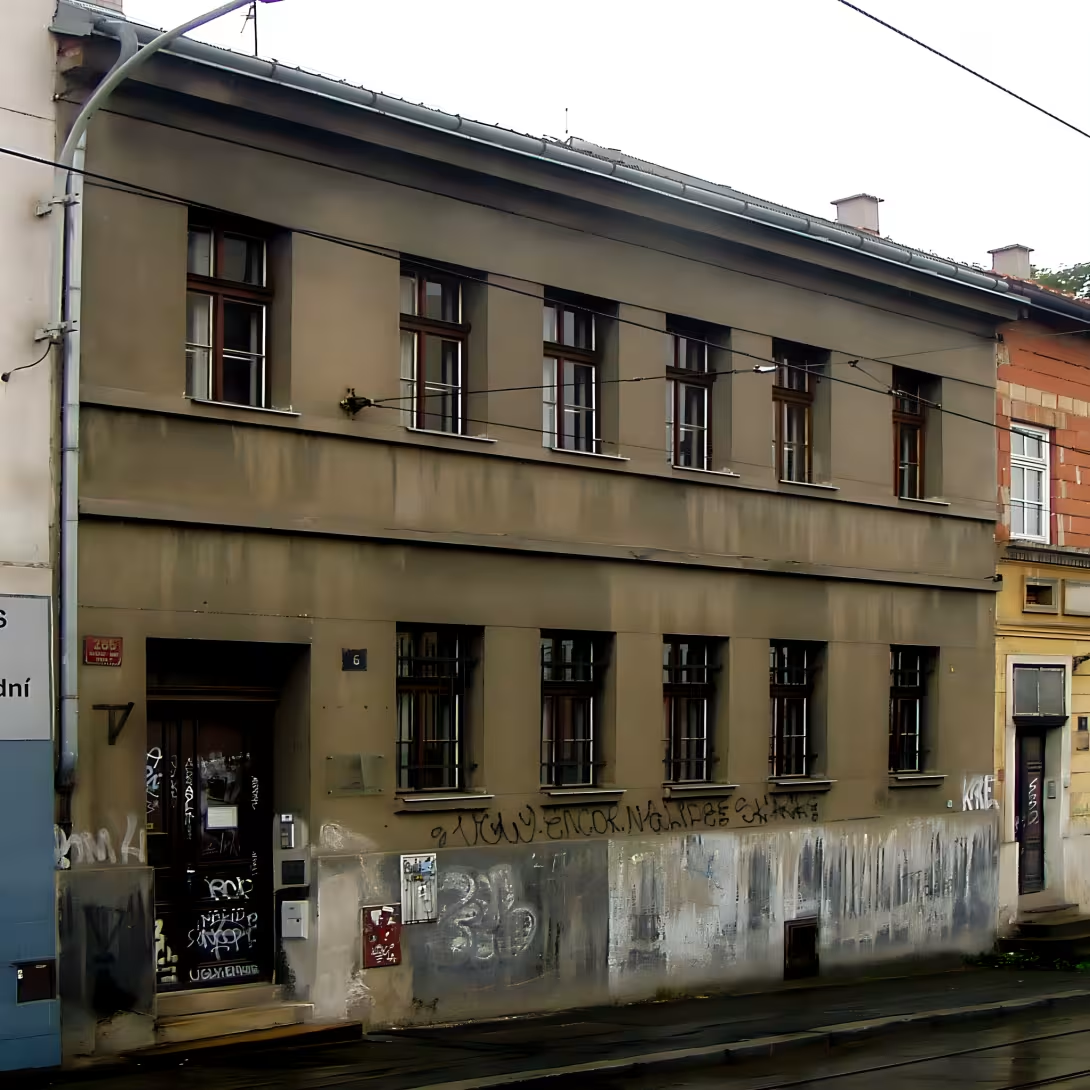
The Archiv Národního Muzea, established in 1846 under Karel Jaromír Erben's leadership, is a specialized archive of the National Museum in Prague. It serves as an important repository for Czech history and culture, particularly noted for its extensive collection of documents from foreign archives related to Czech history. Initially formed as a collection-oriented institution, it evolved into an institutional archive by the early 20th century, managing the museum's collections and acquiring personal legacies and family archives of notable public figures.
The establishment of Archiv Národního Muzea in 1846 marked its separation from the National Museum Library. This occurred during the National Revival period in the Czech lands, part of the Austrian Empire at that time. The cultural revival emphasized preserving and celebrating Czech history and culture, influencing the creation of institutions like this archive. Under Erben's leadership, it began documenting materials related to Czech history from foreign archives, laying a foundation for its future significance.
In its early years, Archiv Národního Muzea functioned primarily as a collection-oriented institution. Its initial purpose was to gather and preserve documents that would contribute to understanding Czech history, particularly those found in foreign archives. This focus on documentation supported efforts during the National Revival to reclaim and celebrate Czech cultural heritage.
The archive underwent significant changes over time. By the 1920s, under Karl Stloukal's direction, it transformed into an institutional archive. This shift marked a new phase where the archive began managing the museum's written production, reflecting modern archival principles. The transition allowed for more systematic preservation and organization of documents, enhancing its role within the National Museum.
Throughout its history, Archiv Národního Muzea has housed impressive collections. Among these are over three thousand seals and seal impressions, many crafted by Josef Karel Burde specifically for the museum. Additionally, it includes a significant topographical collection from Professor Josef Eichler, adding approximately nine thousand seal impressions. The archive also contains personal legacies and family archives of notable public figures, such as the Sternberg-Manderscheidů, Palackých, Riegrů, and Bráfů families.
Today, Archiv Národního Muzea remains a vital institution for researchers and historians interested in Czech history. Its extensive collections provide invaluable insights into the cultural and historical narratives of the region. Visitors to Prague can explore this archive to gain a deeper understanding of the rich tapestry of Czech heritage. The Archiv Národního Muzea is not only a repository of documents but also a testament to the enduring importance of preserving history for future generations.
Then and now
Drag the slider to compare how the landmark may have looked when it was built with the view today.
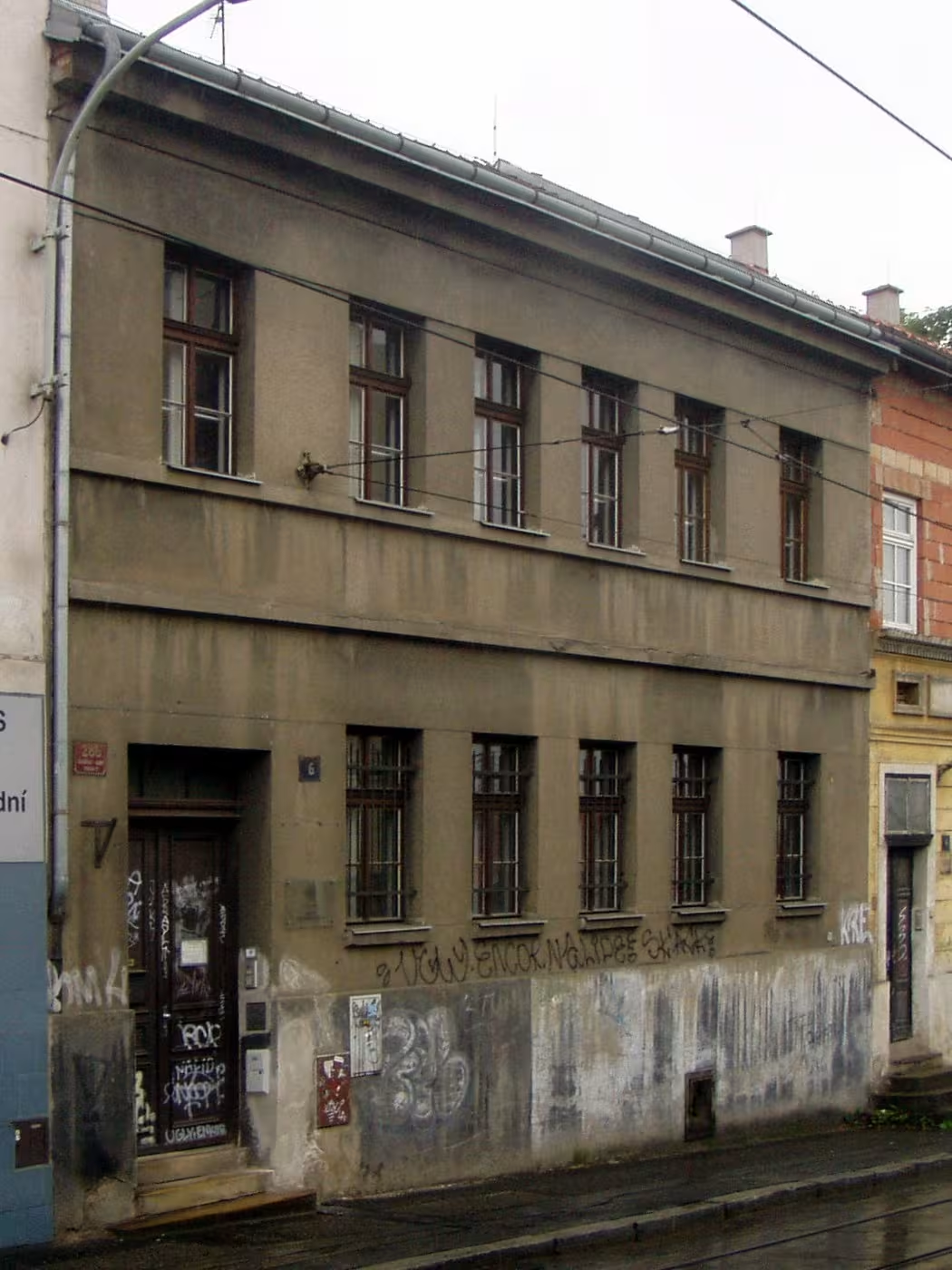

The historical appearance on the left is an AI-generated visualisation and serves as inspiration only.
Historical milestones
- 1846
- Establishment of the Archive of the National Museum under the leadership of Karel Jaromír Erben.
- c. 1900
- Transformation into an institutional archive under the leadership of Karel Stloukal.
Historical events
1846: Establishment as a separate entity from the National Museum Library under Karel Jaromír Erben.
1920s: Transformation into an institutional archive, beginning to manage the museum's written production.
Points of interest
- The Archiv Národního Muzea was initially separated from the National Museum Library in 1846 during a period of cultural renaissance known as the National Revival, which sought to revive and celebrate Czech history and culture within the Austrian Empire.
- Josef Karel Burde created many of the over three thousand seals and seal impressions housed at the archive, specifically for the museum, showcasing his craftsmanship and contribution to preserving historical artifacts.
- The transformation into an institutional archive under Karl Stloukal's leadership in the 1920s marked a significant shift towards modern archival practices, allowing for more systematic preservation and organization of documents within the National Museum.
- Among its notable collections are family archives from prominent Czech families such as Sternberg-Manderscheidů, Palackých, Riegrů, and Bráfů, which provide unique insights into the personal histories and contributions of these influential figures to Czech society.
- The archive's topographical collection includes approximately nine thousand seal impressions donated by Professor Josef Eichler, highlighting its rich assortment of historical documents that contribute to understanding regional history.
Guide
This guide is narrated by a synthetic voice generated by artificial intelligence.
Show guide text
This text was created by artificial intelligence and has not been editorially reviewed. It may contain inaccuracies.
Welcome to the Archiv Národního muzea, a remarkable testament to Czech history and culture nestled in the heart of Prague. As you stand here, surrounded by the quiet elegance of this historic institution, imagine stepping back into 1846 when it was first established under the visionary leadership of Karel Jaromír Erben.
The inception of this archive during a period known as the National Revival marked a pivotal moment in Czech history. It was an era characterized by a fervent desire to preserve and celebrate Czech heritage within the Austrian Empire. Initially conceived as a collection-oriented institution, its mission was clear: to document materials related to Czech history from foreign archives. This ambitious endeavor laid the groundwork for what would become one of the most significant repositories of national memory.
As you explore this space, take a moment to appreciate the atmosphere that envelops you. Though we may not know the architects who designed this building, their vision has undoubtedly contributed to creating an environment where history is both preserved and revered. The architecture itself, while understated, speaks volumes about its purpose as a guardian of knowledge.
This archive has been home to many stories and personalities that have shaped Czech culture. Among them was Václav Hanka, whose contributions alongside Karel Jaromír Erben were instrumental in the early days of the National Revival. Their dedication to collecting and preserving Czech history laid the foundation for future generations.
One fascinating aspect of this archive is its evolution over time. Around 1900, under the guidance of Karl Stloukal, it transformed from a collection-oriented institution into an institutional archive. This shift marked a new chapter in its mission, expanding its scope to include a broader range of historical documents and artifacts.
As you continue your journey through this place, let yourself be captivated by the sense of continuity and change that permeates these walls. From its inception during a time of cultural renaissance to its ongoing role as a custodian of history, the Archiv Národního muzea stands as a beacon of national identity.
We invite you to delve deeper into this rich tapestry of stories and artifacts. Explore further, discover more, and let your curiosity guide you through the corridors of time preserved within these walls. Thank you for visiting the Archiv Národního muzea, where history is not just remembered but brought vividly to life.
Tips for visitors
The best time to visit the Archiv Národního muzea is during late spring or early autumn when the weather is pleasant, allowing for a comfortable exploration of its historical collections. These seasons offer moderate temperatures and natural light that enhances the viewing experience within the archive's spaces.
It's recommended to verify current routes and schedules through a local transit search tool.
When planning your visit, consider bringing comfortable walking shoes as you may spend time exploring various sections of the archive. Additionally, carrying a notebook or sketchpad can be beneficial for jotting down notes or sketches inspired by the collections. A water bottle is also recommended to stay hydrated during your visit.
Photography enthusiasts will find several spots within the Archiv Národního muzea where natural light accentuates the details of historical documents and artifacts, especially in areas with large windows or skylights. Early morning visits can provide soft lighting conditions ideal for capturing the essence of these items without harsh shadows.
For those interested in exploring nearby attractions within a 30-minute radius, consider visiting other cultural sites in Prague that enrich your understanding of Czech history and art. While specific recommendations are not provided here, a short journey from the archive can lead you to various museums or historical landmarks offering diverse insights into the region's heritage.
Families with children will find the Archiv Národního muzea an educational outing that sparks curiosity about history and culture. Interactive exhibits or guided tours tailored for younger audiences may be available, providing engaging ways to learn about the archive's significance and its collections.
Frequently asked questions
Can the monument be visited?
We have not verified whether this monument is accessible. Please ask the owner or operator, or the local municipal office.
Where is the monument?
Location: Praha. The map on this page shows the exact spot.
Businesses nearby
Do you run a restaurant, accommodation, shop, museum, rental, wellness or other visitor service near this monument? Show yourself directly to the people heading to it — this is how they will see you in the app and on the web:
Accommodation nearby
Themed route
Thematic Walking Tour: Exploring the Archives of the National Museum
1. Archiv Národního muzea (Specialized Archive)
Type: Historical Archive
Why Visit: Begin your journey at the heart of Czech cultural heritage, where the Archiv Národního muzea holds invaluable documents and artifacts that chronicle the nation's history. This specialized archive offers a unique glimpse into the past through its meticulously preserved collections.
2. Nádvoří Národního muzea (Courtyard of the National Museum)
Type: Courtyard/Exterior Space
Why Visit: Just outside the archives, explore the expansive courtyard that connects various wings of the museum complex. This area provides a serene space to reflect on your visit and offers stunning views of the museum's architecture.
3. Věž Národního muzea (Tower of the National Museum)
Type: Architectural Feature
Why Visit: Ascend the iconic tower for breathtaking panoramic views of Prague. The journey to the top is as rewarding as the vistas, offering a unique perspective on the city's skyline and historical landmarks.
4. Expozice v Národním muzeu (Exhibition in the National Museum)
Type: Exhibition Space
Why Visit: Delve into the diverse exhibitions housed within the museum that complement your archival exploration. These displays provide context to the documents you've seen, showcasing art and artifacts from various periods of Czech history.
5. Park Národního muzea (National Museum Park)
Type: Green Space/Recreational Area
Why Visit: Conclude your tour in the tranquil park surrounding the museum. This green oasis offers a peaceful retreat with walking paths and benches, perfect for unwinding after an enriching cultural experience.
This thematic route provides a comprehensive exploration of the National Museum's rich offerings, from its archival treasures to architectural marvels and serene outdoor spaces.
Seasonal recommendations
Jaro: During the spring season, the Archiv Národního muzea transforms into a lively and renewing place where the light of sunny days warmly illuminates the interiors. Flowers begin to bloom throughout the city, giving Prague's surrounding streets a fresh start that reflects in the atmosphere of the monument itself. Visitors should bring along light sweaters or jackets as temperatures are usually mild but can suddenly become chilly due to winds. The best time for a visit is early afternoon when the sun is brightest and crowds are typically smaller.
Léto: Summer brings long, bright days that celebrate the historical archives in full splendor. Sunlight streaming through windows gives the interiors a warm and lively feel, creating an ideal environment for exploring historical documents. The humidity of the city's summer air can be intense, so it is important to come prepared with short-sleeved shirts and light clothing. Visitors should consider arriving early in the afternoon or in the evening to avoid the heat and crowds that are common during peak summer season.
Podzim: In autumn, the Archiv Národního muzea takes on a gently melancholic atmosphere with diminishing sunlight and possibly colorful leaves appearing nearby. This season offers a quieter visit with fewer people, allowing for deeper immersion into historical materials without the noise of larger groups. Visitors should be prepared for cooler temperatures as winter approaches and bring along a warm coat or jacket. The best time to visit is at noon when the light still pleasantly illuminates the interiors.
Zima: The winter season brings cold but calm conditions for visiting the Archiv Národního muzea. Light becomes rarer, and the interiors become a refuge from freezing outdoor temperatures, creating an intimate experience. Visitors should dress warmly with warm clothing and protective scarves to guard against the cold air. The best time for a visit is at noon when the light still illuminates the interiors until late afternoon, just before closing.
Visualizations and artistic views


The visualisations are generated by artificial intelligence and serve as inspiration.
Tips from visitors
No tips yet. Be the first!
Log in and add your tip.
Sources and literature
Photos: marv1N / CC BY 3.0, rozlišení zvýšeno umělou inteligencí — Wikimedia Commons. The author and licence also appear when you hover over the image.
Faktickým podkladem tohoto textu byl článek na Wikipedii, jehož autory jsou přispěvatelé Wikipedie. Článek je dostupný pod licencí CC BY-SA 4.0.
Příběhy a pověsti
Legendy, pověsti a příběhy spjaté s touto památkou
Fotografie návštěvníků
Zatím žádné fotografie. Buďte první, kdo přidá fotografii z návštěvy!
Log in a přidejte svou fotografii nebo hodnoťte.
Za ověřenou návštěvu v aplikaci získáte víc bodů — poznáme podle GPS, že jste na místě.
Reviews and comments