






Letenská Castle
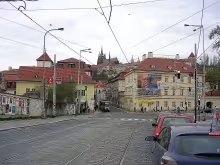
Letenská street passes through the heart of Little Party in Prague. It starts at the crossroads with the streets of Klárov and the Lužický Seminar, where it connects to the Mánes Bridge, and it calmly heads all the way to Malostranska Square. On a relatively short route, the trenches of Prague history have spread on its walkways.
In the Middle Ages, the street served as one of the roads to the village of Písek, also known as the Fisherman, whose construction was located in the area of today's Klárov. Back then, it was called "Sandy" - simply according to the village it led to. Over time, the route and the surrounding area were changing, and with them the name: the street began to be referred to as "To St. Peter's," because it was headed towards a church dedicated to Peter and Paul, who is no longer standing.
In the middle of the 18th century, the street was divided internally into two named parts. The section from the church of St. Thomas to the Malostranská Square was called "Radnická" or "Radniční," the second section extending to Klárov then "Senová" - depending on the weight on the hay that stood here. There was also the name "Fortnová," derived from the fortress, the passageway gate, which led through the Oettingen Palace. It was only in 1868 that the entire street got the uniform name "Letenská," this time according to the nearby hill Letna, on the initiative of Karel Jaromír Erben.
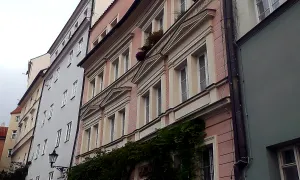
Today, the streets host a remarkable number of historical objects. Right at the beginning stands the House of the Golden Ship and next to it a townhouse in number 2. Letenská 3 bears the name Windischgrätz Palace, number 4 belongs to the House of the Red House. The extensive Thurn-Taxis Palace, also known as the Vrtbov Palace, occupies numbers 5 to 7. Among other objects is the House of the Municipal Court in number 8, the Monastery of the Augustinian with a former brewery in number 12 or the House of the Blue Key in number 14. Number 20 belongs to the Golden Cock House.
At the end of the street there are a number of monasteries. The monastery of barefoot carmelites stands at the corner of Letenská 21 and Josefské 4, the Augustinian monastery at Letenská 22 and Tomášská 28. The Oettingen Palace closes the corner block of the streets Letenská 23 and Josefska 6 and the House of Schnell stands at 24. The street ends at the Malostranská Square of Malostranská beseda.
The walk of Letenska will thus offer a curious tourist a trip through the entire historical area of the Malostranski building - from medieval names to aristocratic palaces, from monastery gardens to townhouses with poetic names. The street is not just a passable artery: it is an interpretation of the Malostran past made of facades, gates and tables with descriptive numbers.
Then and now
Drag the slider to compare how the landmark may have looked when it was built with the view today.
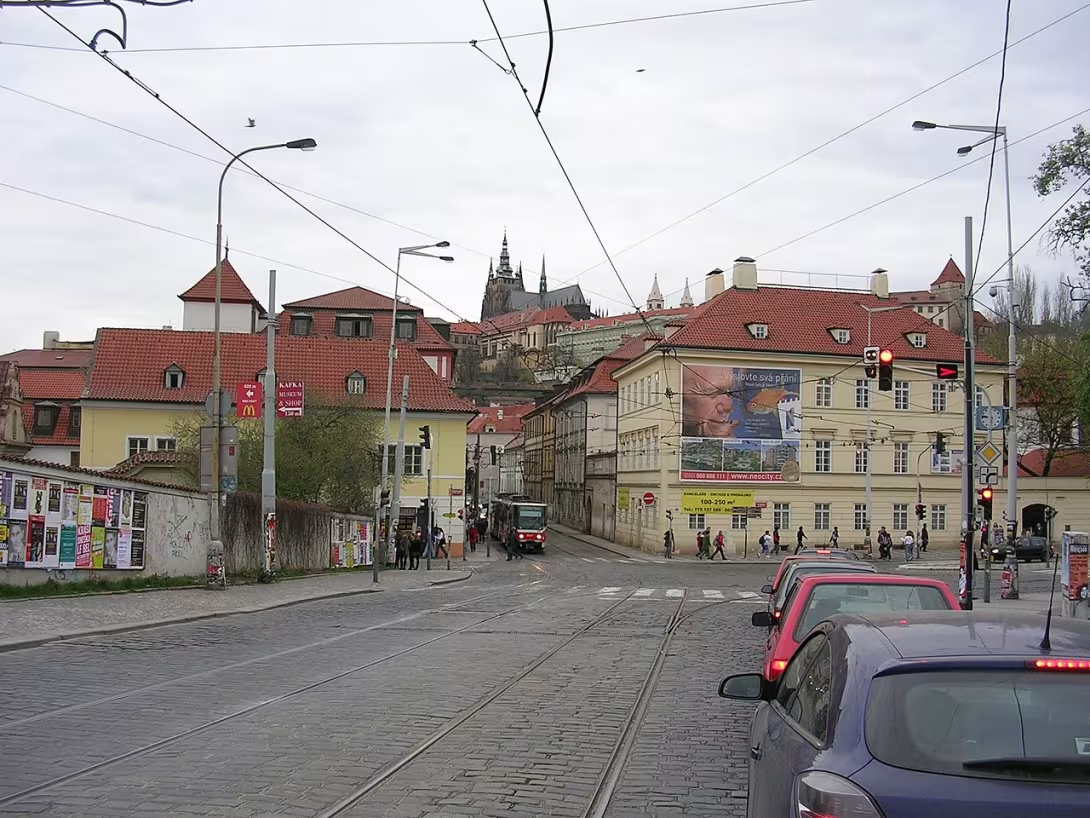
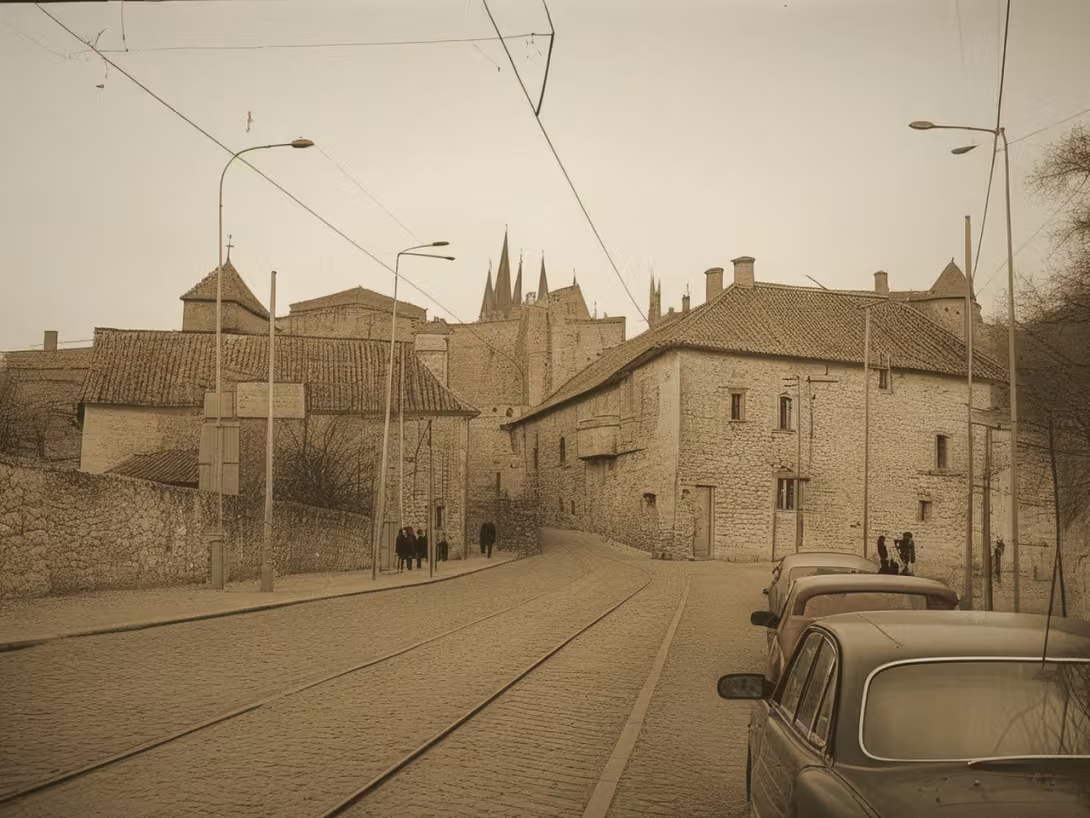
The historical appearance on the left is an AI-generated visualisation and serves as inspiration only.
Historical milestones
- 14th Century
- The emergence of a medieval road connecting Prague to the extinct village of Sand (Fishermen), originally called Sand
- half of the 18th century
- Part of the street from the church of St. Thomas to Malostranská Square was named Radnická or Radnice
- 1868
- The street was named Letenská on the initiative of Karel Jaromír Erbena, referring to hill Letná
Architectural development
The street was established as a medieval road connecting Prague suburb to the extinct village of Písek (Fishermen). In the 18th century part of the street was called Radnická or Senováná, according to local functions. In the 19th century there was an urban adjustment that strengthened its importance as a representative communication with important buildings such as the Thurn-Taxis palaces or the Augustinian monasteries.
Points of interest
In the Middle Ages, the street was called "Sand" according to the village of Sand, which was located in the area of today's Klárov.
- The name "To St. Peter's" comes from the fact that the street led to a church dedicated to St. Peter and Paul, who is no longer standing.
- In the 18th century, the street was divided into two parts: "Radnická" (from St. Thomas' church) and "Senovává" (from weight to hay).
- The name "Fortnová" was derived from the fortna, the passageway gate at Oettingen Palace.
Guide
This guide is narrated by a synthetic voice generated by artificial intelligence.
Show guide text
This text was created by artificial intelligence and has not been editorially reviewed. It may contain inaccuracies.
Welcome to Letenska Street, where medieval history meets the soul of the Little Party.
You are standing in front of just one of the oldest and most beautiful communications on the Lesser Side, which is reflected in the past by the guilty houses and mysterious passages. In front of you is Letenská street - a name that was acquired only in 1868, but its roots reach deep into the Middle Ages. Let us look together at how this journey has turned from a simple village path into a unique monument to the Prague core.
Originally, this street was known as Sandy's because it led to extinct villages and churches in the area of today's Klárov. In places where you see houses and palaces today, there used to be small settlements and fields that belonged to the village of Sand. With time, the street became an important link between Klárov and Malobransky Square and thus witnessed many historical events.
Now pay attention to what surrounds you. The street is lined with buildings that reflect various epochs - from Renaissance townhouses to Baroque palaces. Look at the facade of the houses opening up to you. Some of them carry traces of centuries past, as if time stood in them. Notice how the streets are gradually changing - from a quieter rhythm at St. Thomas' church to a more lively atmosphere at Malostransky Square.
In the 18th century, part of the street was called Radnická because it led to city hall or important public buildings. At that time it was known as an important communication, which not only connected the various parts of the Little Party, but also connected to the church of St. Thomas. The name "To St. Peter going" then referred to the extinct church that stood in this area and was dedicated to St. Peter and Paul. Unfortunately, there are no traces left of him today, but his existence gives the street secrets and depth.
Let's look at one of the most interesting changes this street has seen. In the 18th century, a part of Letenska Street split into two parts - one that led from the church of St. Thomas, and the other that continued towards the square. This distribution reflects how Praha developed and how the street became an important transport artery. In 1868, Karel Jaromír Erben proposed that the street should be named Letenská, in honour of the Letná hill, which stands above the Malá Strana and is still a symbol of this place.
Now let's focus on what's surrounding you right now. In front of you lies a street full of history and secrets. Note how houses gradually change - from simple townhouses to representative palaces. Some of them have traces of a Baroque style that was very popular in the 18th century. These buildings not only decorate the street, but also witness how Praha developed.
One of the most interesting things on this street is its connection to the past. Notice how different epochs meet here - from the Middle Ages to the 19th century. Every house, every alley has a story that is reflected in architecture and in the atmosphere of the place. For example, the church of St. Thomas, located nearby, is one of the most important sacral structures on the Lesser Side. Its existence gives the street a spiritual dimension and reminds of the important role that churches played in the life of the medieval village.
Now we're going to look at one of the most interesting mysteries that has to do with this street. In the past there was a church of St. Peter and Paul, which is no longer standing. Its existence is still visible to this day in the name "To St. Peter going," which was used for part of this street. This church was small but significant because it served the locals as a place of prayer and meeting. Its disappearance is a reminder of how Praha was changing and how some buildings became victims of the time and need for urban development.
Now let's look at what this street meant to Prague. Letenská street has always been an important transport artery, connecting various parts of the Small Party. In the past it was lined not only by houses, but also by gardens and fields belonging to local residents. But with time, the street became the center of social life, because there were important buildings, such as palaces and monasteries.
Now let's focus on what's surrounding you right now. In front of you lies a street full of history and secrets. Note how houses gradually change - from simple townhouses to representative palaces. Some of them have traces of a Baroque style that was very popular in the 18th century. These buildings not only decorate the street, but also witness how Praha developed.
One of the most interesting things on this street is its connection to literature and culture. Karel Jaromír Erben, who suggested that the street be called Letenská, was an important poet and collector of folk songs. His work gives this street another layer of meaning because they connect history with art. Erben was fascinated by the Czech past and tried to capture it in his works, so his proposal to name the street is not only practical but also full of symbols.
Let's take a look at what's next for you. Letenská street is unique by connecting different epoch and culture. If you walk towards the Lesser Town Square, you will be able to admire other beautiful buildings and explore other parts of this historic neighborhood. Don't forget to look at the surrounding houses and alleys that are full of secrets and history.
The last stop of our journey is Malostranská Square. This square is one of the most beautiful places on the Lesser Side and is associated with many important events. Here, different cultures and epochs meet, and so the square is full of life and energy. If you want to look at the other beauty of the Little Party, proceed towards the square and discover other hidden treasures of this historic place.
Letenská street is unique by witnessing many changes. From the medieval village trail to an important transport artery that connects various parts of Prague. Every stone, every house and every alley has a story that's reflected in the atmosphere of the place. Since we have just looked at the history of this street, I hope you have managed to understand how important it plays in Prague's life.
Before we say goodbye, I want to tell you that Letenská Street is a place worth exploring. Every step along this street will take you back to the past and allow you to learn more about the history of Prague. Since we just went through her most interesting parts, I hope you've managed to discover her beauty and secrets.
Thank you for your attention and wish you a pleasant exploration of this historic street. If you want to look at the other beauties of the Little Party, proceed towards the Malostran Square and discover other hidden treasures of this amazing city. May your trip to Prague bring you many experiences and new knowledge.
Frequently asked questions
How much is the entrance fee and is it paid on the spot?
Admission to Castle Letenská is free of charge. You can see the castle and its surroundings all year round from Monday to Sunday at 9: 00- 17: 00.
Is the tour suitable for children and seniors?
Yes, the tour is also suitable for families with children. Special roads for wheelchair users are built in Letenskaya Castle.
How long does the tour take?
The tour takes approximately 1-2 hours, depending on your interests and the speed of walking.
What are the opening times and booking is required?
Opening hours: Monday - Sunday 9: 00- 17: 00. Reservation is not necessary, but it is recommended for larger groups.
What's interesting in the immediate vicinity?
In the immediate vicinity of castle Letenská there is a park Stromovka and also nearby Charles Bridge. You can also visit the nearby Prague Zoological Garden.
For kids
Imagine going back to the past until Letenská Mountain was still a young and unknown place in Prague. It was like playing an archaeologist where you were supposed to find hidden treasures and discover the secrets of the past.
How did it look here? Who lived here? What happened here? Letenská mountain has been inhabited since prehistoric times. At that time, there were only forests and rivers that flowed like golden water over hills. Imagine you're one of the first residents to come to this beautiful land and build their houses of wood and clay.
Businesses nearby
Events nearby
Zdroj akcí: otevřená data měst a obcí ČR (Národní katalog otevřených dat) a kalendář akcí Národního památkového ústavu.
Nearby
{'memories': [{\ 'nazen': 'Church of St. Thomas', 'type': 'church', 'distance': 'northwest, cca 200 m'}, ('nazen': 'Malostran Square', 'type': 'square', 'distance': 'southeast,' street 'at the end of the street'}, ('nazek': 'Klarov', 'type': 'street with historic houses', 'distance': 'originally near the street', 'nazen': 'church of St. Peter and Paul', 'type': 'zidalenice', 'distance': 'originally near the street, no longer exists.'
Accommodation nearby
Trips and activities nearby
Guided tours, tickets and activities nearby from GetYourGuide
Affiliate link: if you buy from the partner, we may receive a commission. The price for you does not change.
Search tours and activities →Themed route
Thematic cruise route: Baroque and historical Malešice in the centre of Prague
1.Letenská * Type: * Main destination of the route, Baroque palace with large gardens. * Why visit? * Unique architecture with rich decoration and quiet garden offers a view of Prague. Ideal for lovers of history and picturesque places.
2. Church of St. Thomas * Type: * Church, northwest about 200 meters from Letenskaya. * Why visit? * Gothic-Baroque building with valuable frescoes and historical significance for Prague's ecclesiastical history.
3. Klarov * Type: * Street with historic houses, northeast of the beginning of the street from Letenskaya. * Why visit? * A picturesque alley with preserved Renaissance and Baroque houses, typical of Prague architecture.
4. Malostranská Square * Type: * Square, southeast of the street from Letenskaya. * Why visit? * Heart of the historic Little Party with the church of Our Lady of Snow and typical Prague houses.
5. Church of St. Peter and Paul (extinct) * Type: * Vanished church, near Klarov. * Why visit? * An interesting historical trail, whose remains resemble medieval Prague history and urban development.
Seasonal recommendations
Spring at Letná is a good choice for those who seek peace and awakening nature. The trees are still blooming, which gives the surroundings freshness and a bright atmosphere, while daylight is extended and allows longer walks. The weather is usually variable during this period, often with sudden showers, so it is necessary to carry a light waterproof jacket and comfortable shoes that can handle a damp surface. Tourism is still low, so sights can be visited without large crowds. The ideal time is the morning when the air is fresh and the temperature is still not too high, which allows for a comfortable exploration of history without feeling in haste.
Summer brings the highest frequency of visitors, especially on weekends and in the main summer season. The sun shines long and intensely, creating clear, but sometimes stuffy conditions. Care should be taken to maintain adequate drinking mode and to protect against direct sun hat or sunglasses. Clothes should be light and breathable. Due to the expected crowds, it is best to arrive as early as possible in the morning, right after opening, or late in the afternoon, when some of the tourists are already breaking up. Cultural events often take place here in the evening, so the atmosphere can be lively and busy, which can be disturbing for lovers of history, but attractive for general visitors.
Autumn at Letná offers the most beautiful colors of nature, when tree leaves turn color into golden and red shades. Light is softer and warmer, which creates a romantic and thoughtful atmosphere suitable for photography. The temperatures are falling, so it is advisable to layer the clothes in order to easily adapt to the weather changes during the day. Tourism is falling slightly compared to summer, but still remains relatively high, especially in October, before the first frost comes. The morning clock is ideal because the afternoon is often cloudy and damp. The path to the monument can be slippery if rain falls, so that solid footwear is again crucial for safe movement around the area.
Winter on Letná is cold and often snowy, which gives the monument a magical and quiet touch. Short days and low sun create dramatic shadows and specific, cold lighting. Clothes must be very warm, including winter jacket, gloves, scarf and hat, so that the visit is not unpleasant. The opening hours of the monument may be shortened in winter months, so it is necessary to check the current operation in advance. The crowds are minimal, allowing an intimate experience and a peaceful study of history without interference. The best time is late in the morning, when temperatures increase slightly and the sun is at its highest. Watch out for slippery pavements and ice that can form on the shadows of trees and buildings.
Visualizations and artistic views


The visualisations are generated by artificial intelligence and serve as inspiration.
Photos from the area
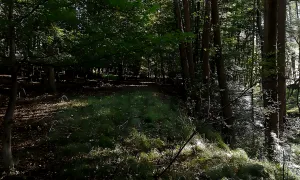
Real photos taken near the monument

Zdroj a licence jsou uvedeny u každého snímku.
Atmosphere of the place
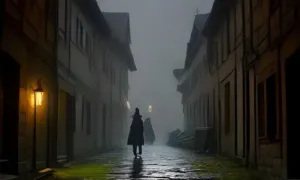
This atmospheric visualisation of the place and period was generated by artificial intelligence. It is not real footage of the location.
Tips from visitors
No tips yet. Be the first!
Log in and add your tip.
Sources and literature
Fotografie: cs:ŠJů / CC BY-SA 3.0 — Wikimedia Commons. The author and licence also appear when you hover over the image.
Faktickým podkladem tohoto textu byl článek na Wikipedii, jehož autory jsou přispěvatelé Wikipedie. Článek je dostupný pod licencí CC BY-SA 4.0.
Location on the map
Příběhy a pověsti
Legendy, pověsti a příběhy spjaté s touto památkou
Fotografie návštěvníků
Zatím žádné fotografie. Buďte první, kdo přidá fotografii z návštěvy!
Přihlaste se a přidejte svou fotografii nebo hodnoťte.
Za ověřenou návštěvu v aplikaci získáte víc bodů — poznáme podle GPS, že jste na místě.
Reviews and comments